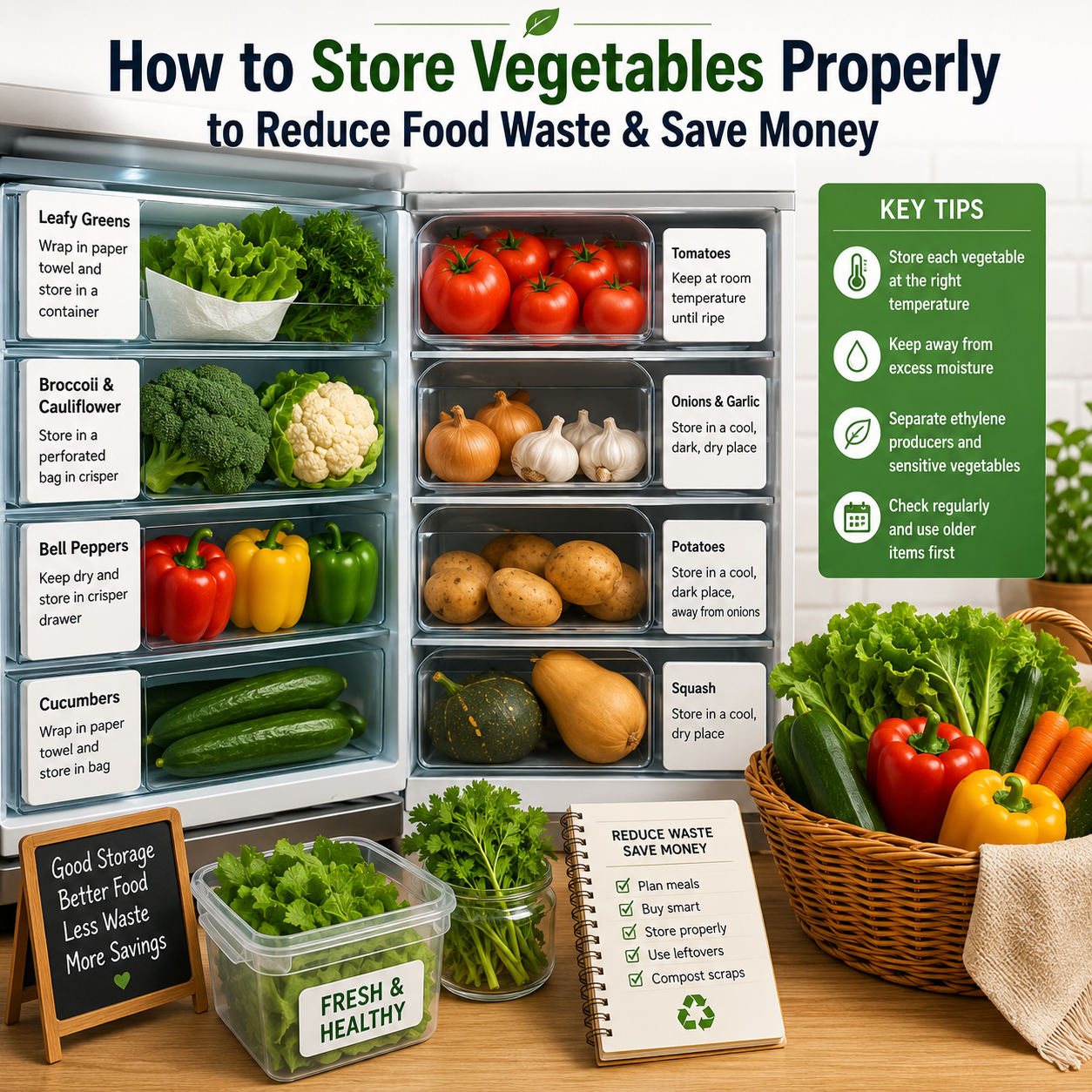
Fresh vegetables are one of the healthiest additions to any diet, but they are also among the most commonly wasted foods in households worldwide. Wilted lettuce, moldy tomatoes, soft cucumbers, and sprouting potatoes often end up in the trash before they can be used. This not only wastes money but also contributes to unnecessary food waste that affects both your household budget and the environment.
Learning How to store vegetables properly is one of the easiest and most effective ways to keep produce fresh, preserve nutrients, and reduce grocery expenses. Different vegetables require different storage conditions, including temperature, humidity, airflow, and light exposure. Understanding these needs can significantly extend shelf life and maintain flavor and texture.
Whether you buy vegetables weekly from the supermarket, visit a local farmers’ market, or grow produce in your own garden, proper storage techniques help maximize freshness and reduce spoilage. Simple habits—such as separating ethylene-producing vegetables, using breathable storage containers, and maintaining the correct refrigerator settings—can make a noticeable difference.
In this comprehensive guide, you’ll learn the best ways to store different types of vegetables, common mistakes to avoid, practical storage tips, and money-saving strategies that help reduce waste while ensuring your meals stay healthy and delicious.
Why Proper Vegetable Storage Matters
Proper vegetable storage is about much more than simply placing groceries in the refrigerator. Every vegetable continues to undergo natural biological processes after it has been harvested. Factors such as temperature, humidity, airflow, and exposure to light all influence how quickly vegetables lose moisture, nutrients, and freshness. When vegetables are stored incorrectly, they spoil much faster, forcing families to throw away perfectly edible food.
Reducing food waste starts with understanding these storage principles. Households that store vegetables correctly often notice they spend less on groceries because produce lasts longer and fewer items need replacing. Beyond financial savings, proper storage also helps preserve vitamins, minerals, texture, and flavor, allowing vegetables to remain nutritious and enjoyable throughout the week.
Correct storage also supports environmental sustainability. Producing vegetables requires water, land, energy, and transportation. Every vegetable thrown away represents wasted natural resources. By extending the life of fresh produce, consumers reduce landfill waste and contribute to a more sustainable food system while enjoying healthier meals at home.
Understanding What Causes Vegetables to Spoil
Vegetables naturally deteriorate after harvest because they remain living plant tissues. They continue to respire, releasing moisture and consuming stored nutrients. Several environmental factors accelerate this process, including excessive heat, high humidity, low humidity, poor airflow, physical damage, and exposure to ethylene gas produced by certain fruits and vegetables.
Microorganisms such as bacteria and molds also contribute to spoilage. When vegetables become bruised or damaged, these microorganisms can enter more easily, causing rot and unpleasant odors. Moisture left on vegetables after washing further increases the likelihood of mold growth if the produce is not dried thoroughly before storage.
Another important factor is improper mixing of produce. Some fruits, including apples, bananas, avocados, and tomatoes, release ethylene gas, which speeds up the ripening and aging of nearby vegetables. Keeping ethylene-sensitive vegetables away from these producers helps extend freshness and reduce premature spoilage.
Common Reasons Vegetables Go Bad Quickly
- Incorrect refrigerator temperature
- Excess moisture inside storage bags
- Lack of airflow
- Exposure to sunlight
- Mixing ethylene-producing fruits with sensitive vegetables
- Washing vegetables before storage without drying them
- Physical bruising during transport
- Delayed refrigeration when required
Understanding these causes helps you take preventive measures that significantly increase the lifespan of your vegetables.
Refrigerator vs Counter Storage: Which Is Better?
One of the biggest mistakes people make is assuming every vegetable belongs in the refrigerator. In reality, some vegetables thrive in cool, humid conditions, while others lose flavor, texture, or quality when chilled. Knowing where to store each type of vegetable is essential for maintaining freshness.
Refrigerators slow down the growth of bacteria and reduce moisture loss, making them ideal for leafy greens, broccoli, carrots, celery, cauliflower, green beans, asparagus, and peas. These vegetables benefit from temperatures between 32°F and 40°F (0°C to 4°C) with appropriate humidity levels.
On the other hand, vegetables such as potatoes, onions, garlic, winter squash, pumpkins, and sweet potatoes should be stored in a cool, dark, dry place outside the refrigerator. Cold temperatures can alter their texture, convert starches into sugars, and negatively affect flavor. Proper pantry storage often extends their shelf life more effectively than refrigeration.
Refrigerator vs Pantry Storage Comparison
| Storage Location | Best Vegetables | Benefits |
| Refrigerator | Lettuce, spinach, broccoli, carrots, celery, cabbage | Slows spoilage and maintains crispness |
| Pantry | Potatoes, onions, garlic, squash | Prevents moisture buildup and preserves flavor |
| Countertop | Tomatoes (until ripe), cucumbers (short-term), peppers (short-term) | Maintains texture and natural ripening |
Choosing the correct storage location for each vegetable is one of the simplest ways to reduce waste and improve food quality.
Best Storage Methods for Leafy Greens
Leafy greens are among the most delicate vegetables and are often the first to spoil if not stored correctly. Lettuce, spinach, kale, arugula, Swiss chard, and mixed salad greens lose moisture quickly, leading to wilting and slimy leaves. Proper storage can extend their freshness by several days or even more than a week.
Start by removing damaged or wilted leaves before storing. Avoid washing leafy greens unless they are excessively dirty. If you do wash them, dry them thoroughly using a salad spinner or clean kitchen towels. Excess moisture encourages mold growth and reduces shelf life.
Place the greens in a breathable storage container or a perforated plastic bag lined with paper towels. The paper towels absorb excess moisture while allowing enough humidity to keep the leaves crisp. Store them in the refrigerator’s crisper drawer, which is designed to maintain ideal humidity levels for fresh produce.
Tips for Storing Leafy Greens
- Remove damaged leaves immediately.
- Dry thoroughly after washing.
- Line containers with paper towels.
- Replace damp paper towels every few days.
- Store in the refrigerator crisper drawer.
- Keep away from ethylene-producing fruits.
Following these simple practices helps preserve texture, flavor, and nutritional value while reducing waste.
How to Store Root Vegetables Properly
Root vegetables such as carrots, beets, radishes, turnips, parsnips, and rutabagas are naturally longer-lasting than leafy greens, but they still require appropriate storage conditions. Their durability comes from their dense structure, yet moisture loss and sprouting can still reduce quality over time.
Before storing, trim off leafy tops because they continue drawing moisture from the roots, causing the vegetables to soften more quickly. Avoid washing root vegetables until just before use, as excess moisture encourages mold development. Place them in perforated plastic bags or breathable produce bags inside the refrigerator’s crisper drawer.
Carrots and beets can remain fresh for several weeks when stored correctly, while radishes generally have a shorter storage life. Inspect stored vegetables regularly and remove any damaged items to prevent spoilage from spreading.
Best Practices for Root Vegetables
- Remove leafy tops before storage.
- Keep unwashed until needed.
- Store in breathable bags.
- Maintain consistent refrigerator temperatures.
- Check weekly for soft spots or mold.
- Separate damaged vegetables immediately.
Proper storage of root vegetables helps retain their natural sweetness, crisp texture, and nutritional quality while minimizing unnecessary food waste.
Best Storage Methods for Broccoli and Cauliflower
Broccoli and cauliflower are nutrient-rich cruciferous vegetables that benefit from cool, humid storage conditions. These vegetables naturally lose moisture after harvest, which can cause florets to become soft and stems to dry out. Proper storage helps preserve their crisp texture, vibrant color, and nutritional value for up to one week or longer.
Avoid washing broccoli or cauliflower before storing unless absolutely necessary. Excess moisture trapped between the florets encourages mold growth. Instead, place them in a perforated plastic bag or a reusable produce bag that allows airflow while maintaining adequate humidity. Store them in the refrigerator’s crisper drawer and use them within 5–7 days for the best quality.
Storage Tips
- Keep unwashed until ready to cook.
- Store in a breathable produce bag.
- Place in the refrigerator crisper drawer.
- Avoid airtight containers.
- Trim only before cooking.
- Remove any yellowing florets promptly.
How to Store Cucumbers Without Them Becoming Slimy
Cucumbers contain a high percentage of water, making them especially sensitive to both cold temperatures and excess moisture. Storing them incorrectly often results in soft spots, watery flesh, or slimy skin within just a few days.
For the best results, keep cucumbers at a cool room temperature if you plan to use them within two to three days. For longer storage, place them in the refrigerator, preferably wrapped loosely in a paper towel and stored inside a perforated plastic bag. This combination helps regulate moisture while preventing dehydration. Keep cucumbers away from ethylene-producing fruits like bananas, apples, and tomatoes, as ethylene accelerates spoilage.
Best Practices
- Wrap loosely in a paper towel.
- Use a perforated storage bag.
- Avoid storing near bananas or apples.
- Keep dry until washing.
- Consume within one week for optimal quality.
Why Tomatoes Should Usually Stay Out of the Refrigerator
Tomatoes continue ripening after harvest, and refrigeration interrupts this natural process. Cold temperatures can make tomatoes mealy, reduce their sweetness, and diminish their aroma. For the best flavor, keep unripe tomatoes on the countertop away from direct sunlight until they reach your desired ripeness.
Once tomatoes are fully ripe and cannot be used immediately, refrigeration can slow further ripening for a few additional days. Allow refrigerated tomatoes to return to room temperature before eating to improve their flavor and texture.
Tomato Storage Checklist
- Store unripe tomatoes on the counter.
- Keep out of direct sunlight.
- Refrigerate only when fully ripe.
- Bring to room temperature before serving.
- Do not stack heavy tomatoes on one another.
The Best Way to Store Bell Peppers and Chili Peppers
Bell peppers and chili peppers stay freshest when stored dry in the refrigerator. Moisture trapped inside storage bags can cause mold, while warm temperatures lead to shriveling. Place peppers inside the crisper drawer in a breathable produce bag or leave them loose if your refrigerator maintains proper humidity.
Whole peppers generally last much longer than sliced ones. After cutting, wrap the remaining portion tightly and store it in an airtight container for up to three days.
Pepper Storage Tips
- Store whole peppers unwashed.
- Keep in the crisper drawer.
- Dry thoroughly if washed.
- Store cut peppers in sealed containers.
- Use cut peppers quickly.
How to Store Onions and Garlic Correctly
Onions and garlic require a cool, dark, dry location with plenty of ventilation. Contrary to popular belief, they should not be stored in plastic bags because trapped moisture promotes mold and sprouting. Mesh bags, woven baskets, or paper bags provide excellent airflow.
Keep onions and garlic separate from potatoes. Potatoes release moisture and gases that encourage onions to spoil faster. Whole onions can last several weeks, while garlic bulbs often remain fresh for one to two months under proper conditions.
Storage Tips
- Store in mesh or paper bags.
- Keep away from sunlight.
- Avoid humid environments.
- Never store beside potatoes.
- Remove damaged bulbs immediately.
How to Store Potatoes Without Sprouting
Potatoes stay fresh longest in a cool, dark, well-ventilated place with temperatures around 45–50°F (7–10°C). Refrigeration is generally not recommended because cold temperatures convert starches into sugars, affecting both taste and cooking performance.
Store potatoes in baskets, cardboard boxes, or paper bags that allow airflow. Avoid sealed plastic containers, which trap moisture and increase the risk of rot. Check stored potatoes regularly and remove any that become soft or sprout excessively.
Potato Storage Checklist
- Store in a cool, dark place.
- Use breathable containers.
- Keep away from onions.
- Avoid direct sunlight.
- Inspect weekly.
The Right Way to Store Mushrooms
Mushrooms are highly absorbent and spoil quickly when exposed to excess moisture. Store them in their original packaging or transfer them to a paper bag, which absorbs excess moisture while allowing airflow. Avoid airtight plastic containers that trap humidity.
Do not wash mushrooms before storage. Instead, clean them with a dry brush or damp cloth immediately before cooking.
Mushroom Storage Tips
- Store in paper bags.
- Keep refrigerated.
- Avoid sealed plastic containers.
- Wash only before use.
- Consume within one week.
How to Keep Fresh Herbs Fresh Longer
Fresh herbs are delicate but can last much longer with proper care. Soft herbs like parsley, cilantro, dill, and mint benefit from being placed upright in a jar with a small amount of water, loosely covered with a plastic bag, and refrigerated. Change the water every few days.
Woody herbs such as rosemary and thyme should be wrapped in a slightly damp paper towel and placed in a breathable storage bag inside the refrigerator.
Herb Storage Tips
- Trim stems before storing.
- Change water regularly.
- Keep leaves dry.
- Wrap woody herbs in damp towels.
- Refrigerate appropriately.
Vegetables That Should Never Be Refrigerated
Not every vegetable benefits from cold storage. Refrigeration can negatively affect flavor, texture, and overall quality for several common vegetables.
| Vegetable | Best Storage Location | Reason |
| Potatoes | Pantry | Prevents sweetening and texture changes |
| Onions | Pantry | Reduces moisture buildup |
| Garlic | Pantry | Extends shelf life |
| Winter Squash | Cool pantry | Prevents softening |
| Pumpkins | Cool pantry | Maintains texture |
| Sweet Potatoes | Pantry | Avoids chilling injury |
| Unripe Tomatoes | Counter | Allows natural ripening |
Understanding these exceptions prevents unnecessary spoilage and ensures vegetables taste their best.
Best Containers for Vegetable Storage
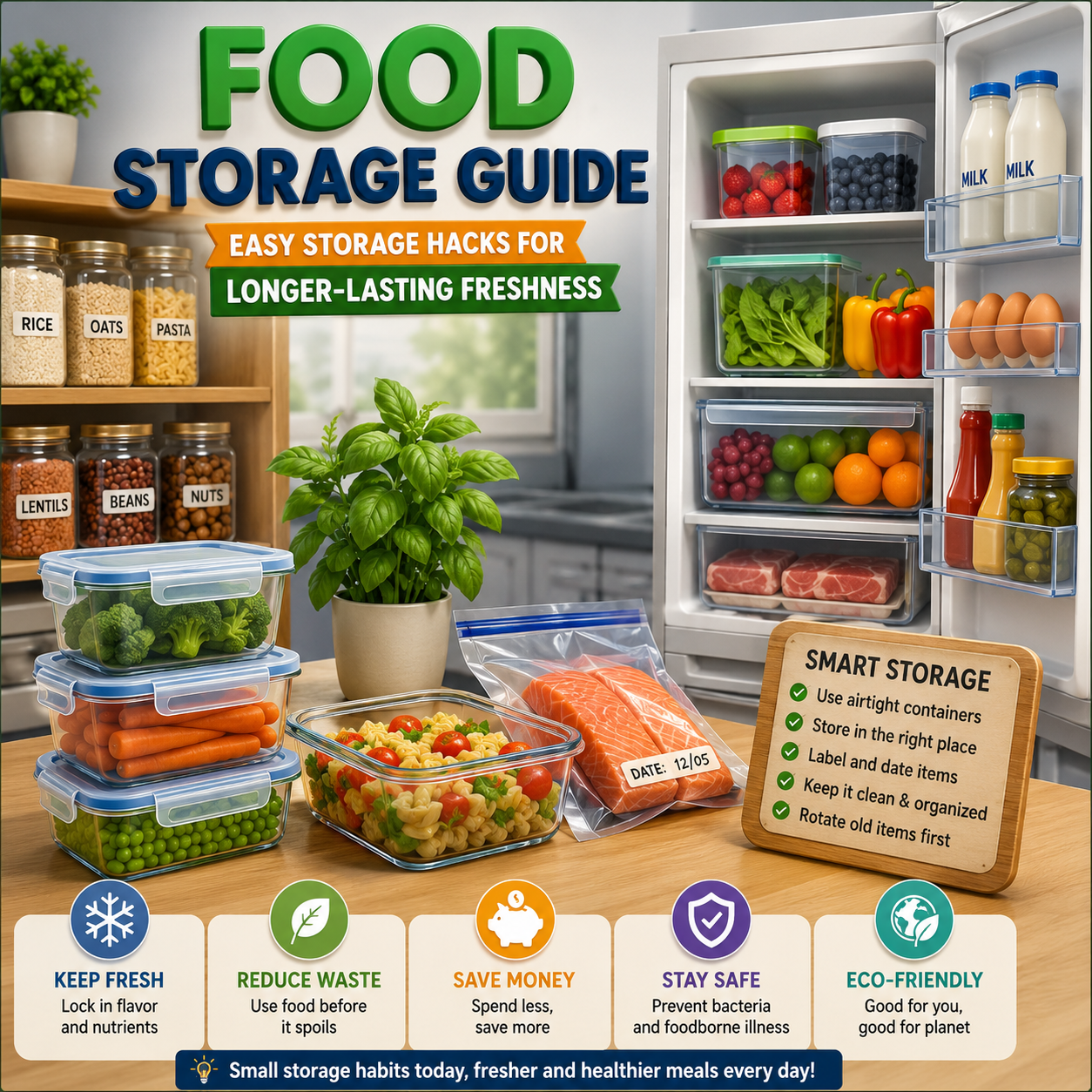
The type of storage container you choose can have a significant impact on freshness. Containers should balance humidity and airflow rather than completely sealing vegetables away.
Recommended Storage Containers
| Container | Best For | Benefits |
| Produce bags | Most vegetables | Excellent airflow |
| Glass containers | Cut vegetables | Easy to clean |
| Crisper drawers | Leafy greens | Maintains humidity |
| Paper bags | Mushrooms | Absorbs moisture |
| Mesh bags | Onions & garlic | Maximum ventilation |
| Reusable produce containers | Mixed vegetables | Organized storage |
Choosing reusable storage solutions can also reduce plastic waste while keeping vegetables fresh.
How Humidity Affects Vegetable Freshness
Humidity is one of the most overlooked factors in vegetable storage. Vegetables naturally lose moisture after harvest, and controlling humidity helps slow this process. Most refrigerators include crisper drawers with adjustable humidity settings that are designed specifically for produce.
High-humidity settings are ideal for leafy greens, broccoli, carrots, and herbs because they prevent excessive moisture loss. Low-humidity settings are better for vegetables that release ethylene gas or are more prone to moisture-related spoilage, such as peppers. Learning how to use your refrigerator’s humidity controls can significantly extend the life of your vegetables.
Common Vegetable Storage Mistakes
Many households unknowingly shorten the lifespan of their vegetables through simple storage mistakes. Correcting these habits can save money and reduce unnecessary waste.
Mistakes to Avoid
- Washing vegetables before storing.
- Using airtight containers for produce that needs airflow.
- Mixing ethylene-producing fruits with sensitive vegetables.
- Ignoring refrigerator humidity settings.
- Leaving damaged vegetables with healthy ones.
- Overcrowding refrigerator drawers.
- Storing potatoes beside onions.
- Forgetting older vegetables behind newer purchases.
- Keeping produce in direct sunlight.
- Buying more vegetables than can be used before they spoil.
Making small changes to these habits can noticeably improve freshness and reduce food waste.
Expert Tips to Reduce Food Waste and Save Money
Proper storage is only one part of reducing waste. Smart shopping, meal planning, and regular inventory checks also play a major role in keeping vegetables from being discarded.
Expert Recommendations
- Plan meals before grocery shopping.
- Buy only what you can use within a week.
- Store vegetables immediately after returning home.
- Label containers with purchase dates.
- Rotate older vegetables to the front (“first in, first out”).
- Freeze vegetables that you cannot use in time.
- Use vegetable scraps to make homemade broth.
- Revive slightly wilted greens by soaking them briefly in ice water.
- Check your refrigerator every few days to use produce before it spoils.
- Compost unavoidable vegetable scraps whenever possible.
These practical habits not only lower grocery bills but also contribute to a more sustainable kitchen and reduce environmental impact.
Frequently Asked Questions (FAQs)
1. How can I make vegetables last longer in the refrigerator?
Store vegetables in the crisper drawer, avoid washing them until use, use breathable produce bags, control humidity, and separate ethylene-sensitive vegetables from ethylene-producing fruits. Regularly inspect your produce and remove spoiled items immediately to prevent spoilage from spreading.
2. Is it better to store vegetables in plastic or glass containers?
Glass containers work well for cut vegetables because they are non-porous and easy to clean. Whole vegetables generally stay fresher in breathable produce bags, mesh bags, or perforated containers that allow proper airflow and prevent excess moisture buildup.
3. Which vegetables should always stay in the pantry?
Potatoes, onions, garlic, pumpkins, winter squash, and sweet potatoes should be stored in a cool, dry, well-ventilated pantry. Refrigeration may affect their taste, texture, and storage life.
4. Why shouldn’t onions and potatoes be stored together?
Potatoes release moisture and gases that accelerate onion spoilage. Keeping them separated improves airflow and significantly extends the shelf life of both vegetables.
5. Can I freeze fresh vegetables directly?
Some vegetables can be frozen immediately, but many benefit from blanching first. Blanching preserves color, texture, flavor, and nutrients while improving long-term freezer quality.
6. What is ethylene gas?
Ethylene is a natural plant hormone produced by many fruits and some vegetables. It speeds up ripening and aging. Separating ethylene producers from sensitive vegetables helps reduce premature spoilage.
7. How often should I check stored vegetables?
Inspect your vegetables every two or three days. Remove damaged or spoiled produce immediately, rotate older items to the front, and use vegetables approaching the end of their shelf life first.
8. Should vegetables be stored in airtight containers?
Not always. Many vegetables require airflow to prevent moisture buildup. Airtight containers are generally best for cut vegetables, while whole vegetables often last longer in breathable storage bags or perforated containers.
9. What are the signs that vegetables have spoiled?
Common signs include mold, unpleasant odors, slime, discoloration, excessive softness, shriveling, and leaking liquids. Vegetables showing these symptoms should be discarded to maintain food safety.
10. What is the easiest way to reduce vegetable waste?
Plan meals before shopping, purchase only what you need, organize your refrigerator using the “first in, first out” method, freeze extra vegetables before they spoil, and store each vegetable under its recommended conditions.
Conclusion
Knowing how to store vegetables properly to reduce food waste and save money is a simple habit that delivers lasting benefits. By understanding the unique storage needs of different vegetables, you can significantly extend their freshness, preserve their nutrients, and reduce unnecessary grocery expenses. Small changes—such as using the refrigerator’s crisper drawer correctly, separating ethylene-producing fruits from sensitive vegetables, and choosing breathable storage containers—can make a noticeable difference in how long your produce lasts.
Proper storage also supports healthier eating habits because fresh vegetables remain available for meals throughout the week. At the same time, reducing food waste helps conserve valuable natural resources and minimizes the environmental impact of discarded food.
Start applying these storage techniques today by organizing your refrigerator and pantry, planning meals around the produce you already have, and checking your vegetables regularly. Over time, these simple practices can help you enjoy fresher food, lower grocery bills, and contribute to a more sustainable kitchen.
Read Our Latest Blog:Affordable Healthy Diet Plan: Simple Meals for Better Health and Servings