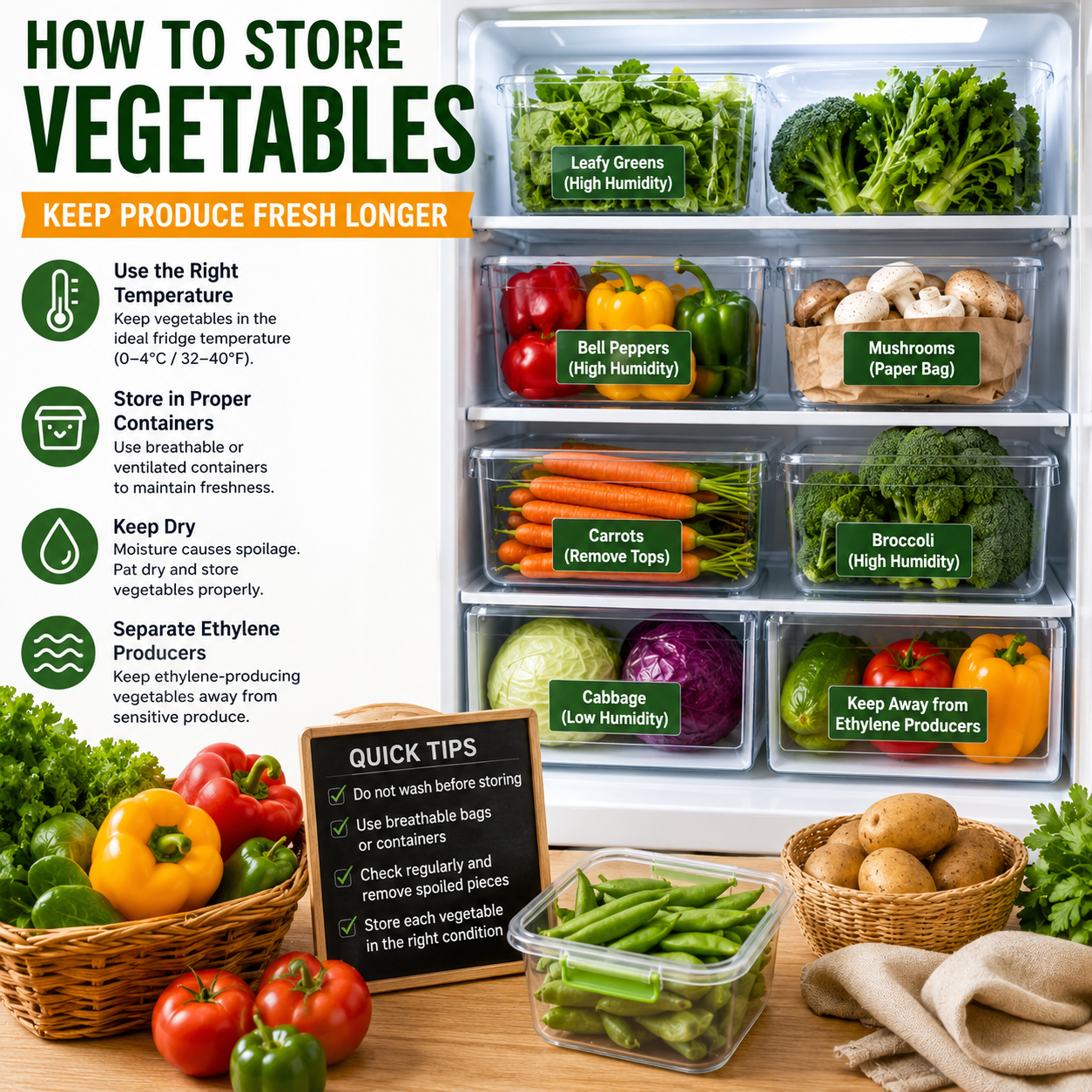
Preparing healthy dinners every night can seem difficult when you’re trying to save money. Many people believe eating nutritious meals requires expensive ingredients, specialty products, or hours in the kitchen. In reality, some of the healthiest dinners are also the most affordable. By choosing simple ingredients, planning meals ahead, and using smart cooking techniques, you can create satisfying dinners that nourish your body without stretching your grocery budget.
Affordable healthy dinner recipes focus on maximizing nutrition while minimizing food waste and unnecessary expenses. Staples such as beans, brown rice, oats, eggs, frozen vegetables, seasonal produce, chicken, lentils, and whole grains provide exceptional nutritional value at a low cost. Combining these ingredients creatively allows you to prepare flavorful meals that your entire family can enjoy throughout the week.
This guide explores practical, easy-to-make dinner recipes suitable for busy professionals, students, parents, and anyone looking to eat healthier while spending less. You’ll learn which affordable ingredients offer the best nutritional value, discover meal-planning strategies that reduce grocery costs, and find delicious recipes that fit into almost any schedule. Whether you’re cooking for one or feeding a large family, these affordable healthy dinner recipes can help you enjoy balanced meals every night without compromising on taste or nutrition.
Why Choose Affordable Healthy Dinner Recipes?
Eating healthy doesn’t have to mean purchasing expensive organic products or gourmet ingredients. Affordable healthy dinner recipes are built around nutrient-dense foods that provide vitamins, minerals, protein, fiber, and healthy fats at a reasonable price. These meals encourage cooking from scratch, reducing reliance on costly processed foods and takeout options.
Preparing dinner at home also gives you complete control over portion sizes, ingredients, sodium levels, and cooking methods. Over time, this approach can improve overall health, support weight management, reduce food waste, and significantly lower monthly grocery bills. Families who consistently cook affordable meals often discover that homemade dinners are not only healthier but also more satisfying and enjoyable.
Benefits of Budget-Friendly Healthy Meals
Budget-friendly healthy meals offer much more than financial savings. They contribute to long-term wellness by encouraging balanced eating habits and reducing dependence on highly processed convenience foods. Affordable ingredients such as legumes, vegetables, whole grains, and lean proteins are naturally rich in nutrients that support heart health, digestion, immunity, and sustained energy.
Additional benefits include:
- Lower grocery expenses
- Better portion control
- Reduced food waste
- Improved nutritional intake
- Easier meal planning
- More family meals together
- Greater cooking confidence
- Less reliance on fast food
Making healthy dinners at home also creates opportunities to experiment with flavors, involve family members in cooking, and develop lifelong healthy eating habits.
Essential Affordable Pantry Ingredients
A well-stocked pantry is the foundation of affordable healthy cooking. Keeping versatile staples on hand allows you to prepare nutritious meals quickly without making frequent grocery trips. Many pantry items have long shelf lives and can be combined in countless ways to create satisfying dinners.
| Ingredient | Benefits | Budget-Friendly Use |
| Brown Rice | Fiber, minerals | Stir fries, bowls |
| Lentils | Protein, fiber | Soups, curries |
| Black Beans | Protein | Chili, tacos |
| Oats | Fiber | Savory bowls |
| Whole Wheat Pasta | Complex carbohydrates | Pasta dishes |
| Canned Tomatoes | Vitamins | Sauces, soups |
| Frozen Vegetables | Affordable nutrients | Stir fries |
| Eggs | Complete protein | Omelets, fried rice |
| Peanut Butter | Healthy fats | Sauces, dressings |
| Olive Oil | Healthy fat | Cooking |
These pantry staples provide flexibility, making it easier to create healthy dinners with minimal effort while staying within budget.
Affordable Protein Sources for Healthy Dinners
Protein is essential for muscle maintenance, satiety, and overall health, but it doesn’t have to be expensive. Choosing economical protein sources helps you prepare filling dinners while keeping grocery costs under control. Mixing plant-based and animal-based proteins also adds variety and nutritional balance to your weekly meals.
Some of the best affordable protein options include:
| Protein | Cost | Best Uses |
| Eggs | Very Low | Omelets, fried rice |
| Lentils | Very Low | Soups, curry |
| Chickpeas | Low | Salads, bowls |
| Black Beans | Low | Chili |
| Chicken Thighs | Moderate | Stir fry |
| Canned Tuna | Low | Pasta |
| Tofu | Low | Asian dishes |
| Greek Yogurt | Moderate | Sauces |
Combining these proteins with vegetables and whole grains creates balanced dinners that are both satisfying and nutrient-rich.
Easy Affordable Healthy Dinner Recipe #1: Vegetable Fried Brown Rice
Vegetable fried brown rice is one of the most economical and nutritious meals you can prepare. It transforms leftover rice into a flavorful dinner packed with vegetables, fiber, and protein. Using frozen mixed vegetables makes the recipe even more affordable while reducing food waste and preparation time.
Ingredients
- 2 cups cooked brown rice
- 2 eggs
- 2 cups frozen mixed vegetables
- 2 garlic cloves
- 2 tablespoons low-sodium soy sauce
- 1 tablespoon sesame or olive oil
- Green onions
Instructions
- Heat oil in a large skillet.
- Cook garlic until fragrant.
- Add vegetables and cook for 5 minutes.
- Scramble the eggs.
- Stir in cooked brown rice.
- Add soy sauce.
- Mix thoroughly.
- Garnish with chopped green onions.
Why It’s Healthy
This meal provides whole grains for sustained energy, vegetables for vitamins and minerals, and eggs for high-quality protein. Brown rice contains more fiber than white rice, helping you stay fuller for longer while supporting healthy digestion.
Easy Affordable Healthy Dinner Recipe #2: One-Pot Lentil Curry
One-pot lentil curry is a hearty, flavorful dinner that delivers exceptional nutrition at a very low cost. Lentils cook quickly, require no soaking, and are naturally rich in protein, fiber, iron, and folate. Combined with tomatoes, onions, garlic, and warming spices, they create a comforting meal that’s perfect for busy weeknights.
Ingredients
- 1 cup dried lentils
- 1 onion, diced
- 2 garlic cloves
- 1 tablespoon curry powder
- 1 teaspoon turmeric
- 1 can diced tomatoes
- 3 cups vegetable broth
- 1 tablespoon olive oil
- Spinach (optional)
Instructions
- Sauté onion and garlic in olive oil.
- Stir in curry powder and turmeric.
- Add lentils, tomatoes, and broth.
- Simmer for 25–30 minutes until the lentils are tender.
- Stir in spinach during the last few minutes of cooking.
- Serve with brown rice or whole-grain naan.
Why It’s Healthy
Lentils are an excellent source of plant-based protein and dietary fiber, which support heart health, blood sugar control, and digestive wellness. The spices also add antioxidants and flavor without increasing calories or cost.
Easy Affordable Healthy Dinner Recipe #3: Chicken and Vegetable Stir-Fry
Chicken and vegetable stir-fry is one of the best affordable healthy dinner recipes because it combines lean protein, colorful vegetables, and simple seasonings into a balanced meal that comes together in less than 30 minutes. Using chicken thighs instead of chicken breasts can reduce costs while keeping the meat tender and flavorful. Frozen vegetables work just as well as fresh ones, making this recipe convenient and budget-friendly throughout the year.
Ingredients
- 1 pound boneless chicken thighs, sliced
- 3 cups mixed vegetables (broccoli, carrots, bell peppers)
- 2 cloves garlic, minced
- 1 tablespoon grated ginger
- 2 tablespoons low-sodium soy sauce
- 1 tablespoon olive oil
- 1 teaspoon cornstarch (optional)
- 2 cups cooked brown rice
Instructions
- Heat olive oil in a large skillet or wok.
- Cook the chicken until browned and fully cooked.
- Add garlic and ginger, cooking for one minute.
- Stir in the vegetables and cook until tender-crisp.
- Mix in soy sauce and a cornstarch slurry if you prefer a thicker sauce.
- Serve over warm brown rice.
Why It’s Healthy
This recipe delivers lean protein for muscle maintenance, fiber-rich vegetables for vitamins and minerals, and whole grains for lasting energy. It is naturally lower in saturated fat than many takeout stir-fries while allowing you to control sodium and added sugars.
Easy Affordable Healthy Dinner Recipe #4: Three-Bean Vegetarian Chili
Three-bean vegetarian chili is a filling, protein-packed dinner that proves you don’t need expensive ingredients to prepare a satisfying meal. Beans are among the most affordable and nutritious foods available, offering plant protein, fiber, iron, and potassium. This recipe is ideal for meal prep because the flavors improve after a day in the refrigerator, and leftovers freeze exceptionally well.
Ingredients
- 1 can black beans
- 1 can kidney beans
- 1 can pinto beans
- 1 onion, chopped
- 2 garlic cloves
- 1 can diced tomatoes
- 2 tablespoons tomato paste
- 2 teaspoons chili powder
- 1 teaspoon cumin
- 1 tablespoon olive oil
Instructions
- Heat olive oil in a large pot.
- Sauté onion and garlic until soft.
- Add tomato paste and spices.
- Stir in tomatoes and beans.
- Simmer for 30 minutes.
- Serve with whole-grain bread or brown rice.
Why It’s Healthy
Beans are rich in fiber and plant protein, helping you stay full for hours while supporting heart health and digestive wellness. Tomatoes contribute antioxidants such as lycopene, and spices add bold flavor without increasing calories.
Easy Affordable Healthy Dinner Recipe #5: Whole Wheat Pasta with Vegetables
Whole wheat pasta with vegetables is an easy weeknight dinner that uses pantry staples to create a nutritious meal in less than 25 minutes. Seasonal vegetables help reduce grocery costs, while whole wheat pasta provides more fiber than traditional white pasta. A simple garlic and olive oil sauce keeps the recipe light yet flavorful.
Ingredients
- 8 ounces whole wheat pasta
- 2 zucchini, sliced
- 1 cup mushrooms
- 1 bell pepper
- 2 garlic cloves
- 2 tablespoons olive oil
- Italian herbs
- Parmesan cheese (optional)
Instructions
- Cook pasta according to package directions.
- Heat olive oil in a skillet.
- Sauté garlic and vegetables until tender.
- Toss cooked pasta with vegetables.
- Season with herbs and black pepper.
- Sprinkle with Parmesan if desired.
Why It’s Healthy
Whole wheat pasta provides complex carbohydrates and fiber, while vegetables increase vitamin, mineral, and antioxidant intake. Using olive oil instead of creamy sauces reduces saturated fat without sacrificing flavor.
Weekly Meal Planning for Affordable Healthy Dinners
Meal planning is one of the most effective strategies for reducing grocery expenses while maintaining a nutritious diet. Planning dinners in advance helps you purchase only what you need, avoid impulse buys, and use ingredients efficiently throughout the week. It also reduces the temptation to order takeout after a busy day.
A successful weekly meal plan starts with checking what you already have in your pantry and freezer. Build recipes around those ingredients before creating your shopping list. Choose meals that share ingredients, such as onions, carrots, spinach, or brown rice, so nothing goes to waste. Preparing ingredients in advance, like chopping vegetables or cooking grains, can save valuable time during busy evenings.
Sample 7-Day Budget Dinner Plan
| Day | Dinner | Estimated Cost |
| Monday | Vegetable Fried Brown Rice | $2.00 |
| Tuesday | Lentil Curry | $1.50 |
| Wednesday | Chicken Stir-Fry | $2.75 |
| Thursday | Bean Chili | $2.00 |
| Friday | Whole Wheat Vegetable Pasta | $2.25 |
| Saturday | Veggie Omelet with Salad | $2.00 |
| Sunday | Homemade Vegetable Soup | $1.75 |
Smart Grocery Shopping Tips to Save Money
Saving money begins before you even enter the kitchen. Smart shopping habits allow you to purchase nutritious ingredients without exceeding your grocery budget. Small changes in how you shop can result in substantial savings over the course of a year.
Some practical strategies include:
- Make a shopping list and stick to it.
- Plan meals before shopping.
- Buy seasonal fruits and vegetables.
- Choose store brands over premium labels.
- Purchase whole grains and beans in bulk.
- Compare unit prices instead of package prices.
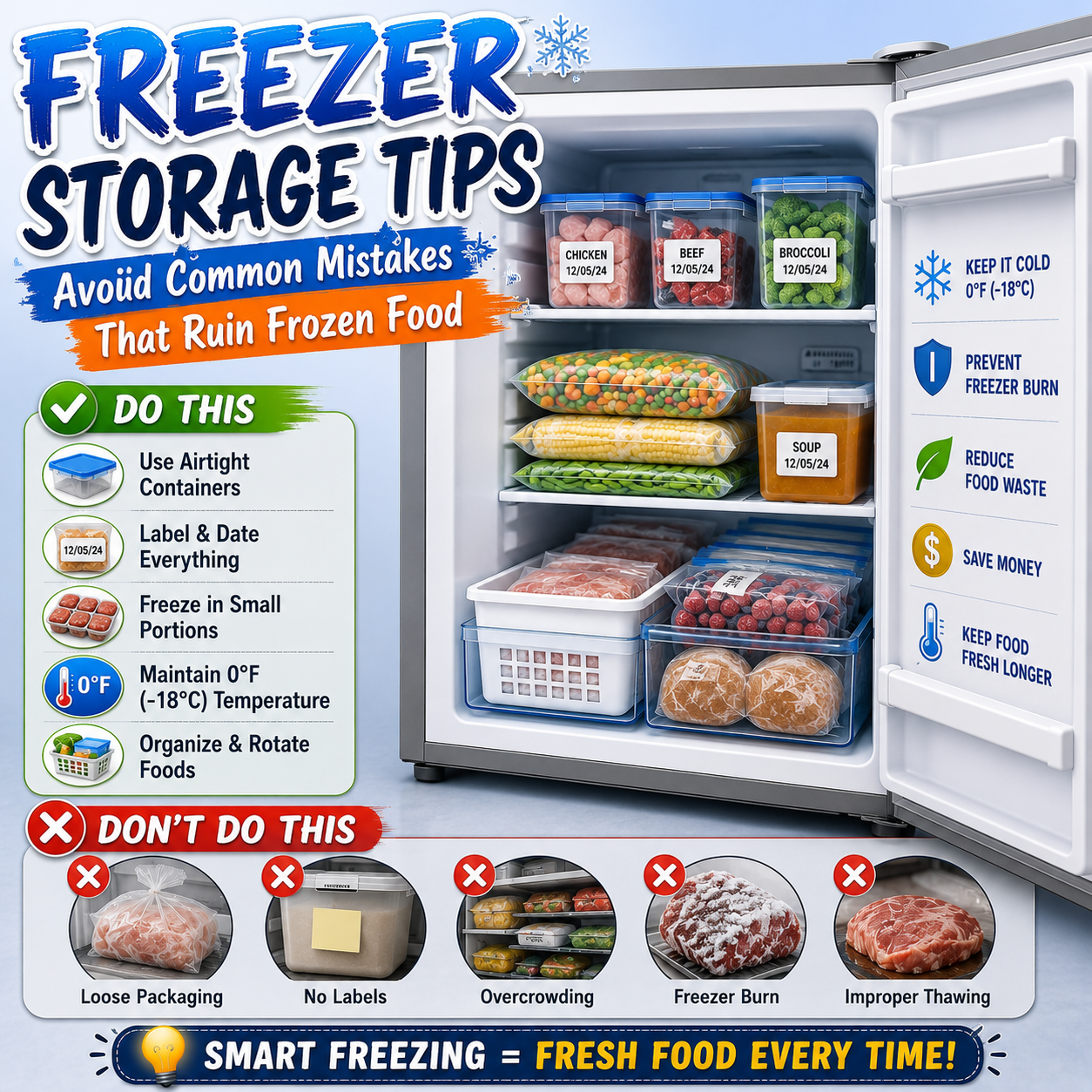
- Freeze leftovers before they spoil.
- Avoid shopping while hungry.
- Use coupons and loyalty programs wisely.
- Limit purchases of highly processed convenience foods.
These habits not only reduce expenses but also encourage healthier eating by focusing your purchases on nutrient-dense ingredients.
Common Mistakes That Increase Dinner Costs
Many households unknowingly spend more on dinner than necessary because of avoidable mistakes. Recognizing these habits can help you maximize your grocery budget while still enjoying delicious, healthy meals.
1. Buying Too Many Convenience Foods
Pre-cut vegetables, ready-made sauces, and frozen dinners are convenient but often significantly more expensive than preparing meals from scratch. Choosing whole ingredients usually saves money and reduces added sodium, sugar, and preservatives.
2. Ignoring Leftovers
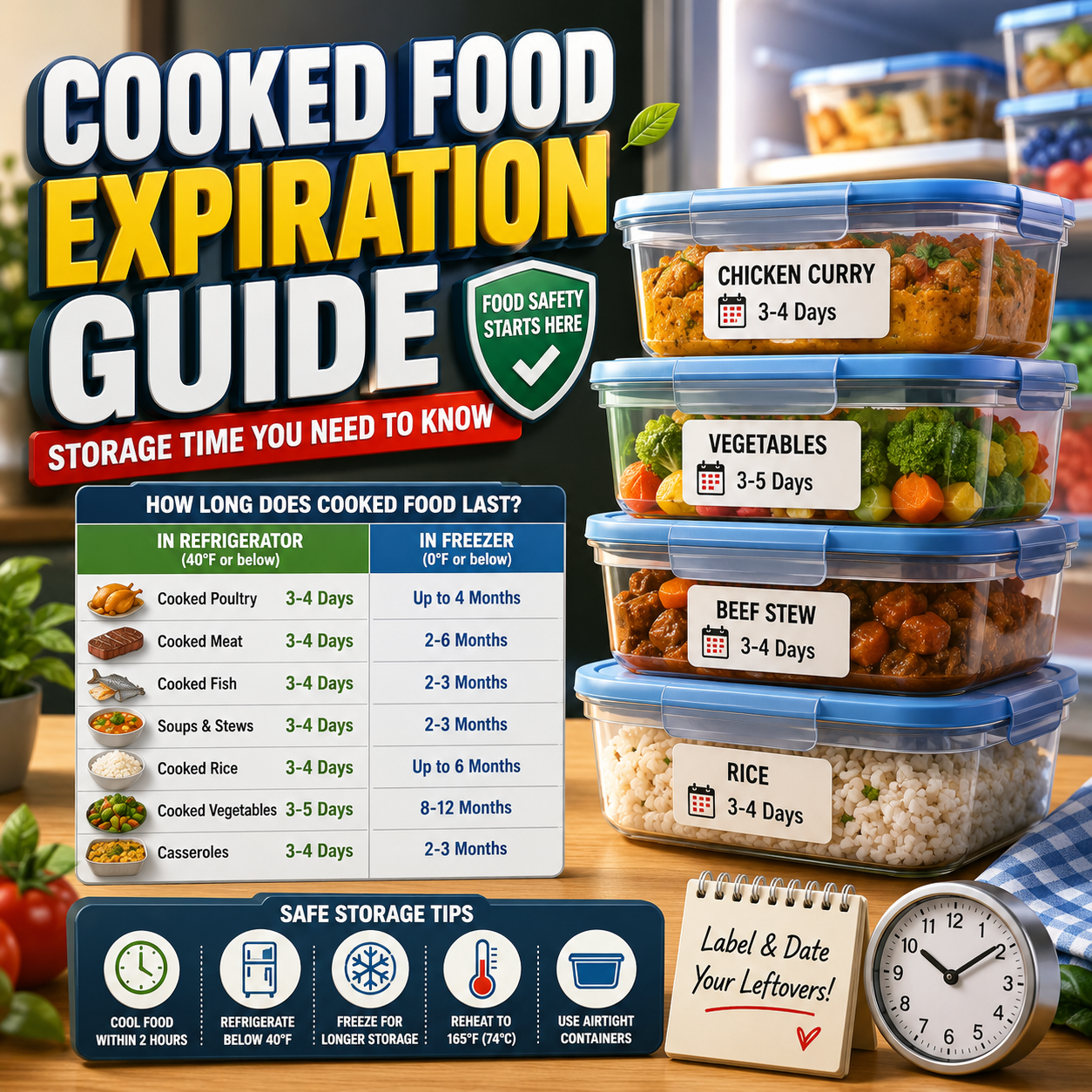
Throwing away leftovers wastes both food and money. Leftover chicken can become wraps, salads, soups, or fried rice, while cooked vegetables can be added to pasta dishes or omelets.
3. Shopping Without a Plan
Entering the grocery store without a shopping list often leads to impulse purchases that increase costs and contribute to food waste. A simple weekly menu helps keep spending under control.
4. Buying Out-of-Season Produce
Seasonal fruits and vegetables are typically fresher, tastier, and less expensive. Frozen produce is another affordable option that offers comparable nutritional value and lasts much longer.
5. Overlooking Plant-Based Proteins
Many people rely heavily on meat for dinner, but beans, lentils, chickpeas, tofu, and eggs provide high-quality nutrition at a fraction of the cost. Incorporating these ingredients a few times each week can significantly reduce grocery bills.
Expert Tips for Cooking Healthy Dinners on a Budget
Preparing affordable healthy dinners becomes easier with a few proven strategies. Experienced home cooks often rely on simple methods that maximize nutrition, reduce waste, and save time without compromising flavor.
Some expert recommendations include:
- Cook larger batches and freeze extra portions for busy nights.
- Use herbs, spices, garlic, onions, and citrus to add flavor instead of expensive sauces.
- Keep frozen vegetables on hand for quick meal preparation.
- Rotate inexpensive proteins such as eggs, beans, lentils, tofu, and canned fish.
- Invest in versatile pantry staples like brown rice, oats, whole wheat pasta, canned tomatoes, and dried legumes.
- Prepare homemade soups, stews, and casseroles that stretch ingredients over multiple meals.
- Repurpose leftovers into new dishes to minimize waste and keep meals interesting.
These habits help you build a sustainable routine that supports both your health and your budget.
Frequently Asked Questions (FAQs)
1. What is the healthiest inexpensive dinner?
The healthiest inexpensive dinners combine lean protein, vegetables, and whole grains. Meals such as lentil soup, vegetable stir-fry, bean chili, and grilled chicken with brown rice provide balanced nutrition while remaining affordable. These recipes are rich in fiber, vitamins, minerals, and protein, making them filling and nourishing.
2. How much should a healthy dinner cost?
A nutritious homemade dinner can often cost between $1.50 and $4.00 per serving, depending on the ingredients and location. Using seasonal produce, pantry staples, and plant-based proteins can reduce costs while maintaining excellent nutritional quality.
3. Can I feed my family healthy meals on a budget?
Yes. Planning weekly meals, buying ingredients in bulk, cooking larger portions, and incorporating affordable proteins like beans, eggs, and lentils make it possible to prepare healthy family dinners without overspending.
4. Are canned foods healthy?
Many canned foods are healthy when chosen carefully. Look for products with no added sugar and low sodium. Canned beans, tomatoes, tuna, and vegetables are affordable, convenient, and nutritious pantry staples.
5. How often should I meal prep?
Many people meal prep once or twice each week. Preparing ingredients or complete meals ahead of time reduces stress, saves time, and helps maintain healthy eating habits throughout busy weekdays.
6. Which grains are healthiest?
Brown rice, quinoa, oats, barley, whole wheat pasta, and farro are nutrient-rich whole grains. They provide complex carbohydrates, fiber, vitamins, and minerals that support energy, digestion, and heart health.
7. Is frozen chicken a good budget option?
Yes. Frozen chicken is often less expensive than fresh chicken and has a longer shelf life. Buying larger packages during sales and freezing portions can reduce grocery costs while ensuring you always have a healthy protein available.
8. What’s the easiest healthy dinner for beginners?
Vegetable fried rice, pasta with vegetables, omelets, chicken stir-fries, and lentil soup are excellent beginner-friendly recipes. They require basic ingredients, simple techniques, and minimal cooking experience.
9. Can affordable meals help with weight management?
Yes. Homemade meals made from whole foods are generally lower in calories, unhealthy fats, and added sugars than restaurant meals. Balanced portions of vegetables, lean protein, and whole grains support healthy weight management and long-term wellness.
10. How do I avoid food waste?
Plan meals in advance, store leftovers properly, freeze extra portions, rotate pantry items using the “first in, first out” method, and repurpose leftovers into soups, wraps, salads, or stir-fries. These habits reduce waste and stretch your grocery budget.
Conclusion
Preparing affordable healthy dinner recipes doesn’t require expensive ingredients, advanced cooking skills, or hours in the kitchen. By focusing on nutrient-dense staples like beans, lentils, whole grains, eggs, seasonal vegetables, and lean proteins, you can enjoy flavorful, satisfying meals while staying within your grocery budget. Smart meal planning, buying in bulk, using leftovers creatively, and stocking a versatile pantry make healthy eating both practical and sustainable.
The recipes and strategies shared in this guide show that nutritious dinners can be simple, delicious, and economical for individuals and families alike. Over time, these habits can improve your health, reduce food waste, and save hundreds of dollars on groceries each year.
Whether you’re cooking for yourself, your family, or meal-prepping for the week, making small, consistent changes can have a lasting impact. Start with one or two recipes from this guide, build your confidence in the kitchen, and gradually expand your collection of budget-friendly meals.
Read Our Latest Blog:Healthy Living Tips: 25 Science-Backed Habits That Can Transform Your Life