Healthy Snacks for Kids
Finding healthy snacks that children actually enjoy can be challenging for many parents. While packaged chips, candies, and sugary treats may seem convenient, they often contain excessive sugar, unhealthy fats, and artificial ingredients that provide little nutritional value. Choosing wholesome snacks instead helps children stay energetic, supports healthy growth, improves concentration, and encourages lifelong healthy eating habits.
Healthy snacks play an important role in a child’s daily nutrition by filling the gap between meals. Nutritious snack choices provide essential vitamins, minerals, protein, healthy fats, and fiber that growing bodies and developing brains need every day.
Why Healthy Snacks Are Important for Kids
Children are naturally active and burn energy quickly throughout the day. Healthy snacks help maintain energy levels, prevent overeating during main meals, and provide nutrients that support physical and mental development.
A balanced snack can also improve focus during school, stabilize blood sugar levels, strengthen the immune system, and support healthy digestion.
What Makes a Snack Healthy?
Not every snack labeled as “healthy” truly benefits children. The best snacks combine multiple nutrients rather than empty calories.
Protein
Protein supports muscle growth, tissue repair, and brain development while helping children feel full for longer.
Healthy Fats
Healthy fats provide long-lasting energy and support brain development. Sources include nuts, seeds, avocados, and dairy products.
Fiber
Fiber promotes healthy digestion, prevents constipation, and helps maintain stable blood sugar levels.
Vitamins and Minerals
Fresh fruits, vegetables, dairy products, and whole grains supply important nutrients that support immunity, bone health, and overall growth.
Best Healthy Snacks for Kids
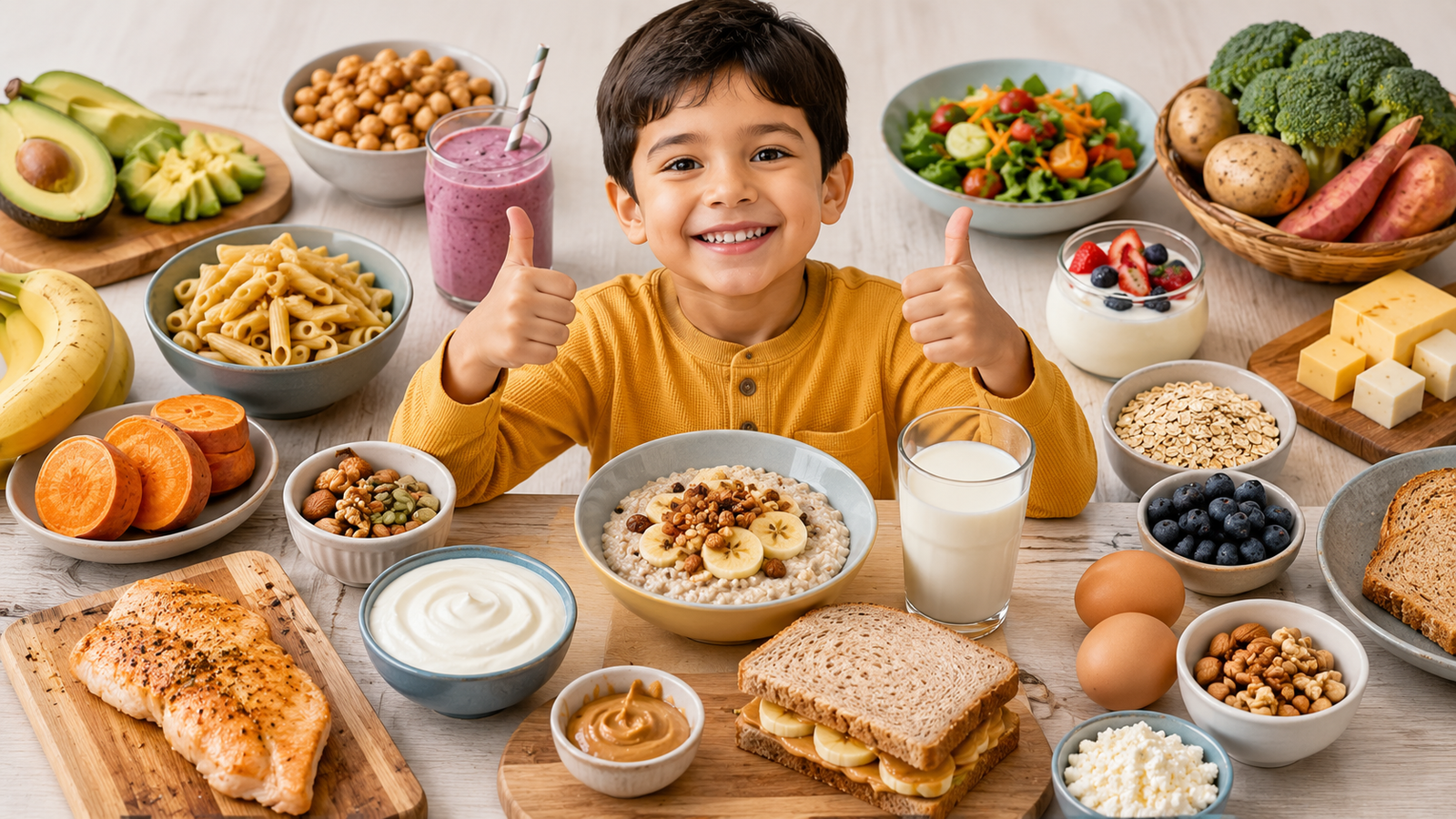
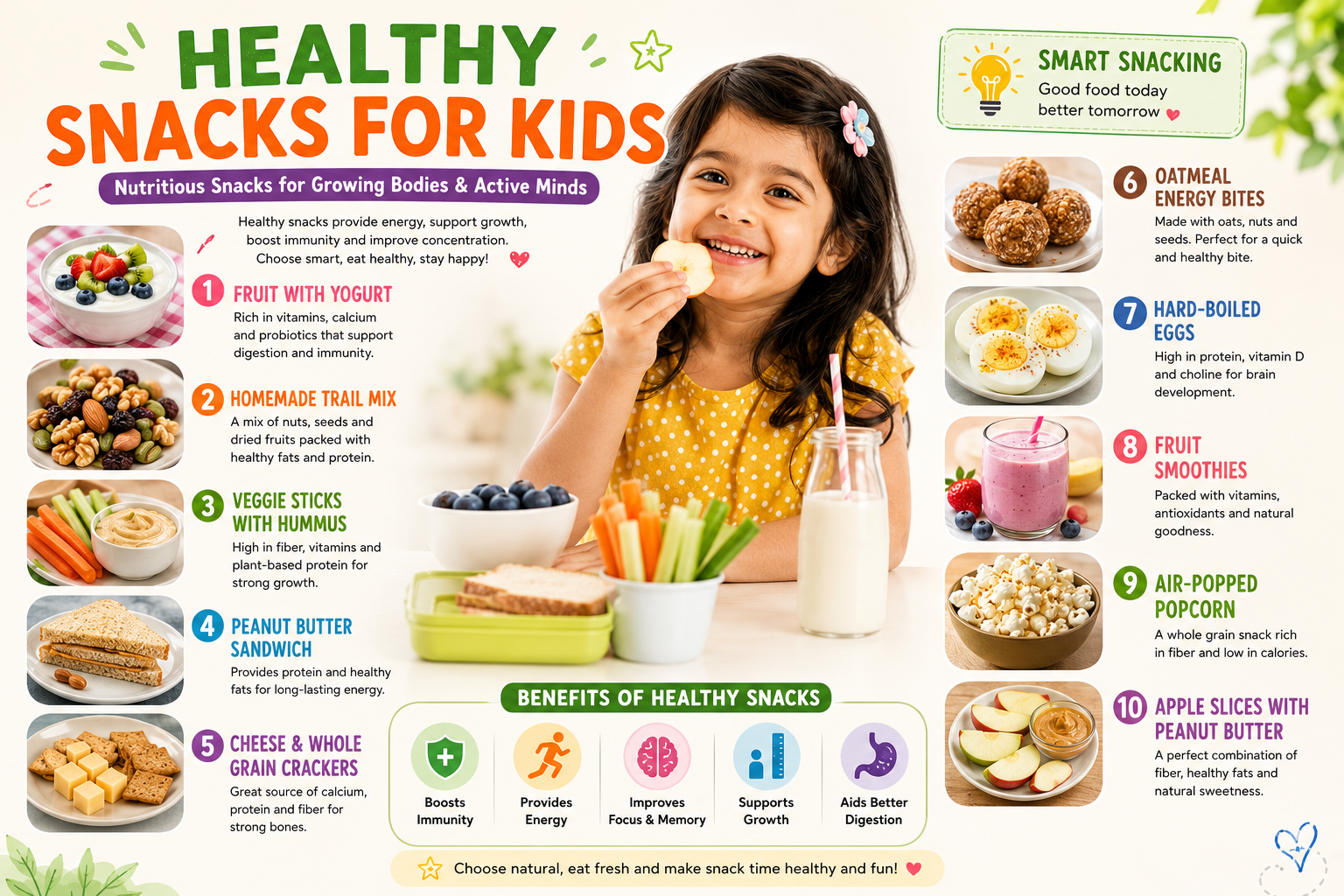
1. Fresh Fruit with Yogurt
Fresh fruits paired with plain yogurt create a delicious snack packed with vitamins, calcium, protein, and probiotics. Apples, bananas, strawberries, blueberries, and mangoes all work well.
Avoid flavored yogurts that contain added sugars whenever possible.
2. Homemade Trail Mix
A homemade trail mix made with almonds, walnuts, pumpkin seeds, sunflower seeds, raisins, and a few dried fruits provides healthy fats, protein, and antioxidants.
For younger children, ensure nuts are age-appropriate to reduce choking risks.
3. Vegetable Sticks with Hummus
Carrot sticks, cucumber slices, bell peppers, and celery served with hummus make a colorful and nutrient-rich snack.
Hummus supplies plant-based protein and healthy fats while vegetables provide fiber and essential vitamins.
4. Whole-Grain Peanut Butter Sandwich
Whole-grain bread spread with natural peanut butter offers protein, healthy fats, and complex carbohydrates that provide steady energy.
You can also add sliced bananas for extra potassium and natural sweetness.
5. Cheese and Whole-Grain Crackers
Low-fat cheese served with whole-grain crackers provides calcium, protein, and fiber. This combination helps support bone development while keeping children satisfied between meals.
More Healthy Snacks for Kids
6. Oatmeal Energy Bites
Homemade oatmeal energy bites are a nutritious snack that combines rolled oats, peanut butter, honey, chia seeds, and flaxseeds. They are rich in fiber, protein, and healthy fats, making them a great option for busy school mornings or after-school snacks.
Since they require no baking, parents can prepare them in advance and store them in the refrigerator for several days.
7. Hard-Boiled Eggs
Hard-boiled eggs are one of the most nutritious snacks for growing children. They provide high-quality protein, healthy fats, vitamin D, vitamin B12, and choline, a nutrient that supports brain development and memory.
Pairing a boiled egg with sliced vegetables or whole-grain crackers creates a balanced and filling snack.
8. Smoothies Made with Fresh Fruits
Fruit smoothies are an easy way to provide multiple nutrients in one serving. Blend milk or yogurt with bananas, berries, mangoes, spinach, or oats to create a naturally sweet and healthy drink.
Avoid adding refined sugar. Fresh fruits usually provide enough natural sweetness while supplying vitamins, antioxidants, and fiber.
9. Popcorn (Air-Popped)
Air-popped popcorn is a whole grain that contains fiber and antioxidants. Unlike butter-loaded or flavored popcorn, homemade air-popped popcorn is a light and healthy snack for older children.
Adding a small amount of olive oil and mild seasoning can make it both tasty and nutritious.
10. Apple Slices with Peanut Butter
Apple slices paired with natural peanut butter offer a perfect balance of fiber, healthy fats, protein, and natural carbohydrates. This combination provides long-lasting energy and helps children stay full between meals.
If peanut allergies are a concern, sunflower seed butter or other allergy-friendly alternatives can be used.
Healthy Snacking Habits for Kids
Nutritious snacks are most effective when they are part of healthy eating habits. Teaching children smart snacking behaviors early can help them make healthier food choices throughout life.
Stick to Regular Snack Times
Offering snacks at consistent times each day helps regulate hunger and prevents unnecessary grazing throughout the day.
Choose Whole Foods More Often
Fresh fruits, vegetables, whole grains, dairy products, eggs, nuts, and seeds are healthier choices than packaged snacks high in sugar and preservatives.
Keep Portion Sizes Appropriate
Healthy snacks should satisfy hunger without replacing regular meals. Serving child-sized portions helps maintain a balanced diet.
Limit Sugary Drinks
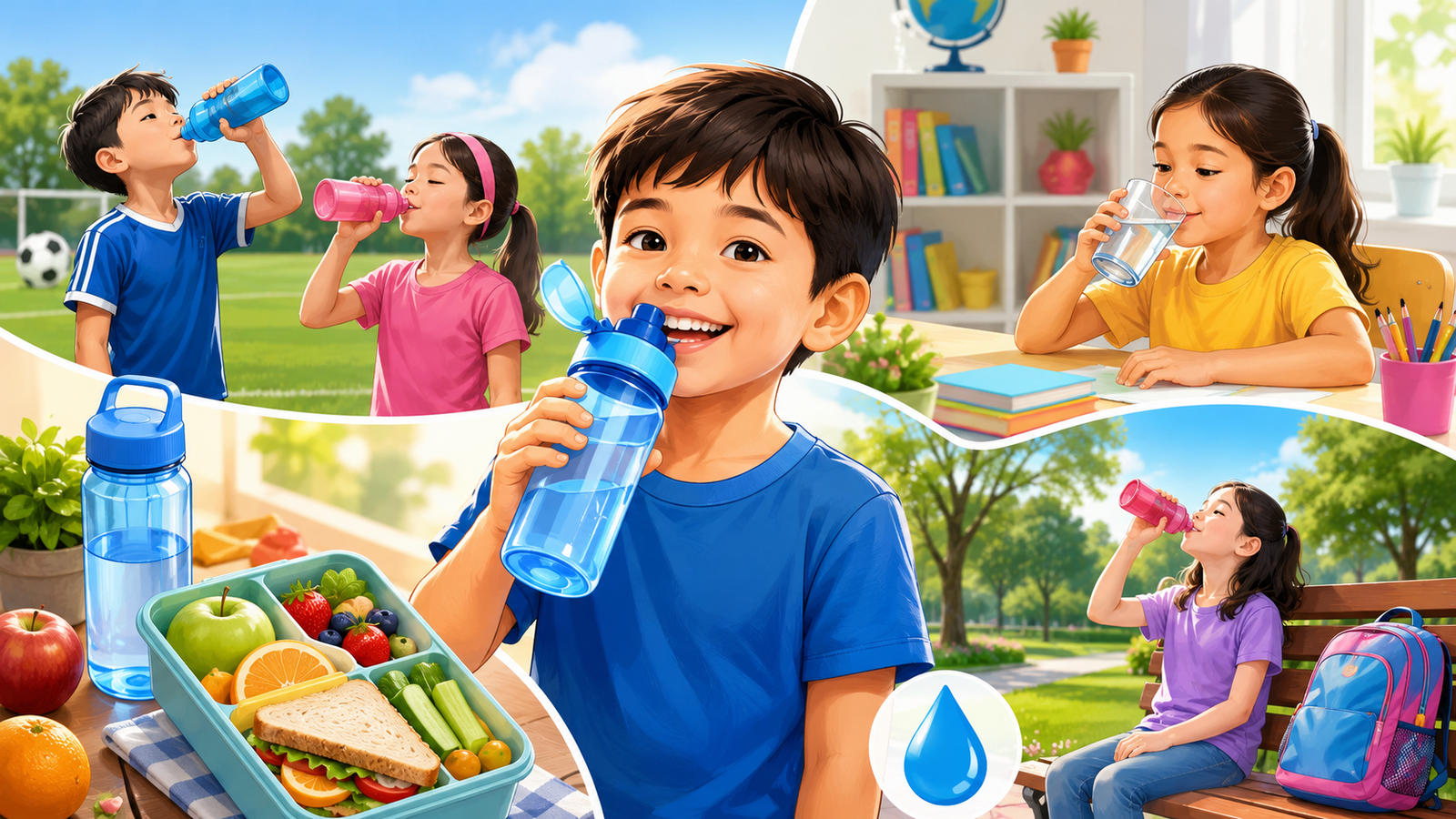
Replace soft drinks and sugary juices with water, milk, or homemade fruit smoothies to reduce excess sugar intake.
Let Kids Participate
Allow children to help wash fruits, prepare sandwiches, mix yogurt, or assemble snack plates. Involving them in food preparation often encourages healthier eating habits.
Frequently Asked Questions
How many snacks should children eat each day?
Most children benefit from one to two healthy snacks between meals, depending on their age, activity level, and nutritional needs.
What are the healthiest after-school snacks?
Fresh fruit with yogurt, boiled eggs, whole-grain sandwiches, vegetable sticks with hummus, smoothies, cheese with crackers, and homemade trail mix are excellent after-school choices.
Are packaged snack foods healthy?
Some packaged snacks can be nutritious, but many contain high amounts of sugar, sodium, and unhealthy fats. Reading nutrition labels and choosing minimally processed options is recommended.
Can healthy snacks help improve concentration?
Yes. Snacks that provide protein, healthy fats, and complex carbohydrates help maintain steady energy levels, which can improve focus and concentration during school and homework.
What snacks should children avoid?
Limit candies, sugary cereals, soft drinks, fried chips, processed pastries, excessive chocolates, and snacks high in added sugar, salt, and artificial ingredients.
Key Takeaways
- Healthy snacks provide important nutrients that support children’s growth, energy, and brain development.
- Choose snacks that include protein, fiber, healthy fats, vitamins, and minerals.
- Great options include fruits with yogurt, trail mix, vegetables with hummus, peanut butter sandwiches, cheese with whole-grain crackers, oatmeal energy bites, boiled eggs, smoothies, popcorn, and apple slices with peanut butter.
- Encourage regular snack times, proper portion sizes, and whole-food choices instead of processed snacks.
- Healthy eating habits established during childhood can support lifelong health and wellness.
Also Read :- Foods to Improve Child’s Memory: 10 Brain-Boosting Foods Every Parent Should Include
Conclusion
Healthy snacks are an essential part of a balanced diet for growing children. The right snacks not only keep kids energized between meals but also provide the nutrients needed for strong bones, healthy muscles, brain development, and a strong immune system. By choosing fresh, wholesome foods instead of highly processed snacks, parents can help children build healthier eating habits that last a lifetime.
Remember that variety is key. Rotating different fruits, vegetables, dairy products, whole grains, and protein-rich foods ensures children receive a wide range of nutrients while keeping snack time enjoyable and exciting.