How to Lose Weight Naturally: 21 Science-Backed Tips to Burn Fat and Keep It Off
Losing weight doesn’t have to involve extreme diets, expensive supplements, or exhausting workout routines. While quick-fix solutions often promise dramatic results, they rarely lead to lasting success. Sustainable weight loss comes from developing healthy habits that support your body’s natural ability to burn fat while improving your overall well-being.
If you’ve been searching for how to lose weight naturally, you’re not alone. Millions of people want practical, evidence-based strategies that fit into everyday life without feeling restrictive. The good news is that scientific research consistently shows that small, consistent lifestyle changes can produce significant long-term results.
This guide explores 21 science-backed weight loss tips that focus on healthy eating, physical activity, quality sleep, stress management, and mindful habits. You’ll also discover natural fat burning methods, learn about natural fat-burning foods, and understand the best ways to lose weight naturally without relying on fad diets. Whether your goal is to lose a few pounds or maintain a healthy weight for years to come, these proven strategies can help you build lasting habits that support your success.
What Does It Mean to Lose Weight Naturally?
Natural weight loss refers to reducing body fat through healthy lifestyle changes instead of relying on crash diets, detoxes, or unproven supplements. It focuses on nourishing your body with balanced nutrition, regular physical activity, sufficient sleep, and stress management. Rather than chasing rapid results, natural weight loss encourages gradual progress that is easier to maintain over time.
Research has consistently shown that people who lose weight slowly through sustainable habits are more likely to keep it off. Building healthy routines not only supports fat loss but also improves heart health, energy levels, blood sugar control, digestion, and overall quality of life. This approach emphasizes long-term wellness rather than temporary weight reduction.
Why Sustainable Weight Loss Matters
Many popular diets promise fast results, but they often require extreme calorie restriction or eliminate entire food groups. While you may initially lose weight, these approaches are difficult to maintain and frequently lead to weight regain once normal eating resumes.
Sustainable weight loss is different because it focuses on creating habits that become part of your everyday lifestyle. Eating nutritious meals, staying active, sleeping well, and managing stress work together to improve metabolism and support healthy body composition. Instead of aiming for perfection, sustainable weight loss encourages consistency, making it easier to achieve lasting success while protecting both physical and mental health.
21 Science-Backed Tips to Burn Fat Naturally
1. Eat More Protein at Every Meal
Protein is one of the most effective nutrients for healthy weight loss. It increases feelings of fullness, reduces hunger hormones, and helps preserve lean muscle mass while your body burns fat. Because digesting protein requires more energy than digesting fats or carbohydrates, your body naturally burns slightly more calories through the digestion process.
Good protein sources include eggs, fish, chicken, turkey, Greek yogurt, tofu, beans, lentils, cottage cheese, and lean meats. Including protein with every meal can reduce unnecessary snacking and help you consume fewer calories throughout the day without feeling deprived. This simple habit is one of the most reliable science-backed weight loss tips available.
2. Choose Whole Foods Over Processed Foods
Highly processed foods often contain excess sugar, unhealthy fats, refined carbohydrates, and added sodium. These ingredients can increase cravings and make it easier to consume more calories than your body needs. Whole foods, on the other hand, are naturally rich in vitamins, minerals, antioxidants, and fiber that support overall health.
Build your meals around vegetables, fruits, whole grains, legumes, nuts, seeds, lean proteins, and healthy fats. These nutrient-dense foods help you stay satisfied for longer periods and reduce the temptation to snack on calorie-dense processed foods. Over time, choosing whole foods becomes one of the best ways to lose weight naturally while improving long-term health.
3. Increase Your Fiber Intake
Fiber plays a crucial role in healthy digestion and weight management. Soluble fiber absorbs water, forming a gel-like substance that slows digestion and helps you feel full after meals. This can naturally reduce calorie intake without requiring strict food restrictions.
Excellent fiber-rich foods include oats, apples, berries, pears, beans, lentils, broccoli, carrots, chia seeds, flaxseeds, and whole grains. Regularly consuming these foods supports gut health, stabilizes blood sugar levels, and promotes healthier eating habits. Increasing dietary fiber is one of the easiest natural fat burning methods because it helps control appetite while improving digestive function.
4. Drink More Water Throughout the Day
Water supports nearly every function in the body, including metabolism, digestion, temperature regulation, and nutrient transport. Sometimes thirst is mistaken for hunger, leading people to eat when they actually need fluids. Drinking enough water before meals may also help reduce calorie intake by promoting feelings of fullness.
Most adults benefit from carrying a reusable water bottle and drinking consistently throughout the day. While individual needs vary depending on activity level and climate, staying well hydrated supports healthy metabolism and improves physical performance. Replacing sugary beverages with water can also significantly reduce daily calorie consumption.
5. Practice Mindful Portion Control
Healthy eating is not only about what you eat but also how much you eat. Even nutritious foods can contribute to weight gain when consumed in excessive amounts. Portion awareness helps you enjoy your favorite meals while maintaining a healthy calorie balance.
Simple strategies include using smaller plates, serving food in the kitchen instead of eating directly from packages, chewing slowly, and paying attention to hunger and fullness cues. Avoid distractions such as television or smartphones during meals whenever possible. Mindful eating encourages better food choices and reduces overeating without requiring complicated rules or restrictive diets.
6. Reduce Added Sugar Consumption
Added sugars are commonly found in soft drinks, packaged snacks, breakfast cereals, flavored yogurts, desserts, and many processed foods. These products provide calories with little nutritional value and can contribute to excess calorie intake over time.
Reading food labels carefully helps identify hidden sugars listed under names such as high-fructose corn syrup, cane sugar, dextrose, and maltose. Replacing sugary drinks with water or unsweetened beverages and choosing fresh fruit instead of sugary desserts can make a significant difference. Lowering added sugar intake supports healthier energy levels, better blood sugar control, and sustainable fat loss.
7. Include Strength Training in Your Weekly Routine
Many people believe weight loss only comes from cardio exercise, but strength training is equally important. Building muscle increases your resting metabolic rate because muscle tissue burns more energy than fat tissue, even while you’re at rest. Maintaining muscle also helps preserve strength during weight loss.
Aim for two to three strength training sessions each week using resistance bands, free weights, machines, or bodyweight exercises such as squats, push-ups, lunges, and planks. Combining strength training with balanced nutrition creates an effective foundation for long-term fat loss while improving bone health, posture, and functional fitness.
8. Walk More Every Day
Walking is one of the simplest and most accessible forms of exercise. It requires no expensive equipment, can be done almost anywhere, and is suitable for people of different fitness levels. Regular walking helps burn calories, improve cardiovascular health, reduce stress, and support consistent weight management.
Instead of focusing solely on structured workouts, look for opportunities to increase daily movement. Take the stairs, park farther from entrances, walk during phone calls, or enjoy a brisk walk after meals. These small changes accumulate over time and can make a meaningful contribution to your overall calorie expenditure and health.
9. Prioritize High-Quality Sleep
Sleep is often overlooked when discussing weight loss, yet it plays a vital role in regulating hormones that influence hunger and appetite. Poor sleep can increase cravings for high-calorie foods while reducing motivation to exercise and make healthy choices throughout the day.
Adults should generally aim for seven to nine hours of quality sleep each night. Creating a consistent bedtime routine, limiting screen exposure before bed, keeping the bedroom cool and dark, and avoiding caffeine late in the day can improve sleep quality. Better sleep supports recovery, metabolism, hormone balance, and successful long-term weight management.
10. Manage Stress Before It Manages You
Chronic stress can make weight loss more difficult by increasing cortisol levels, a hormone associated with increased appetite and cravings for highly processed comfort foods. Stress may also contribute to emotional eating, poor sleep, and reduced physical activity, creating a cycle that hinders progress.
Healthy stress-management techniques include deep breathing exercises, meditation, yoga, spending time outdoors, journaling, talking with supportive friends, and engaging in enjoyable hobbies. Even a few minutes of daily relaxation can improve emotional well-being and make healthy eating habits easier to maintain. Managing stress is an essential yet often overlooked component of natural weight loss.
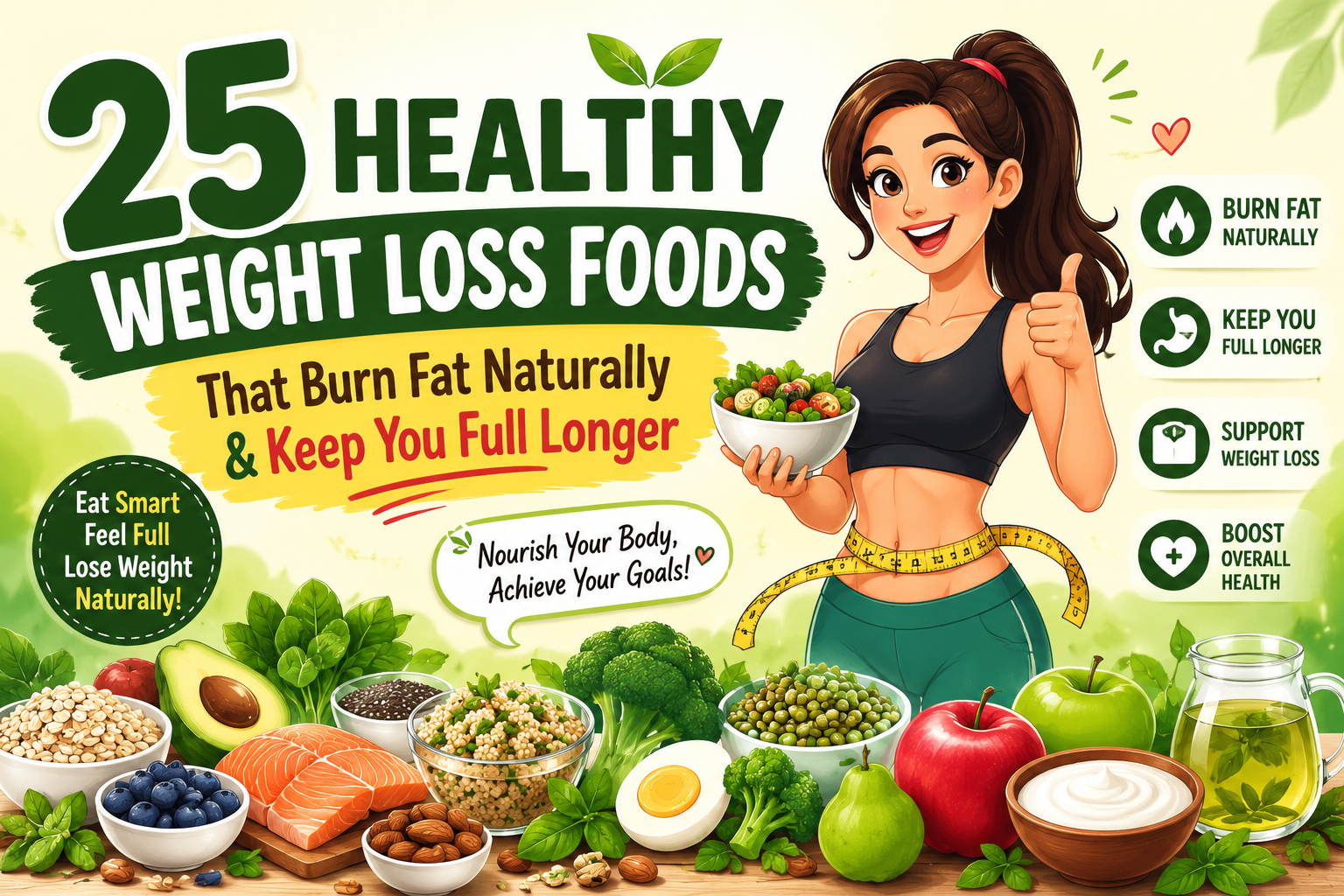
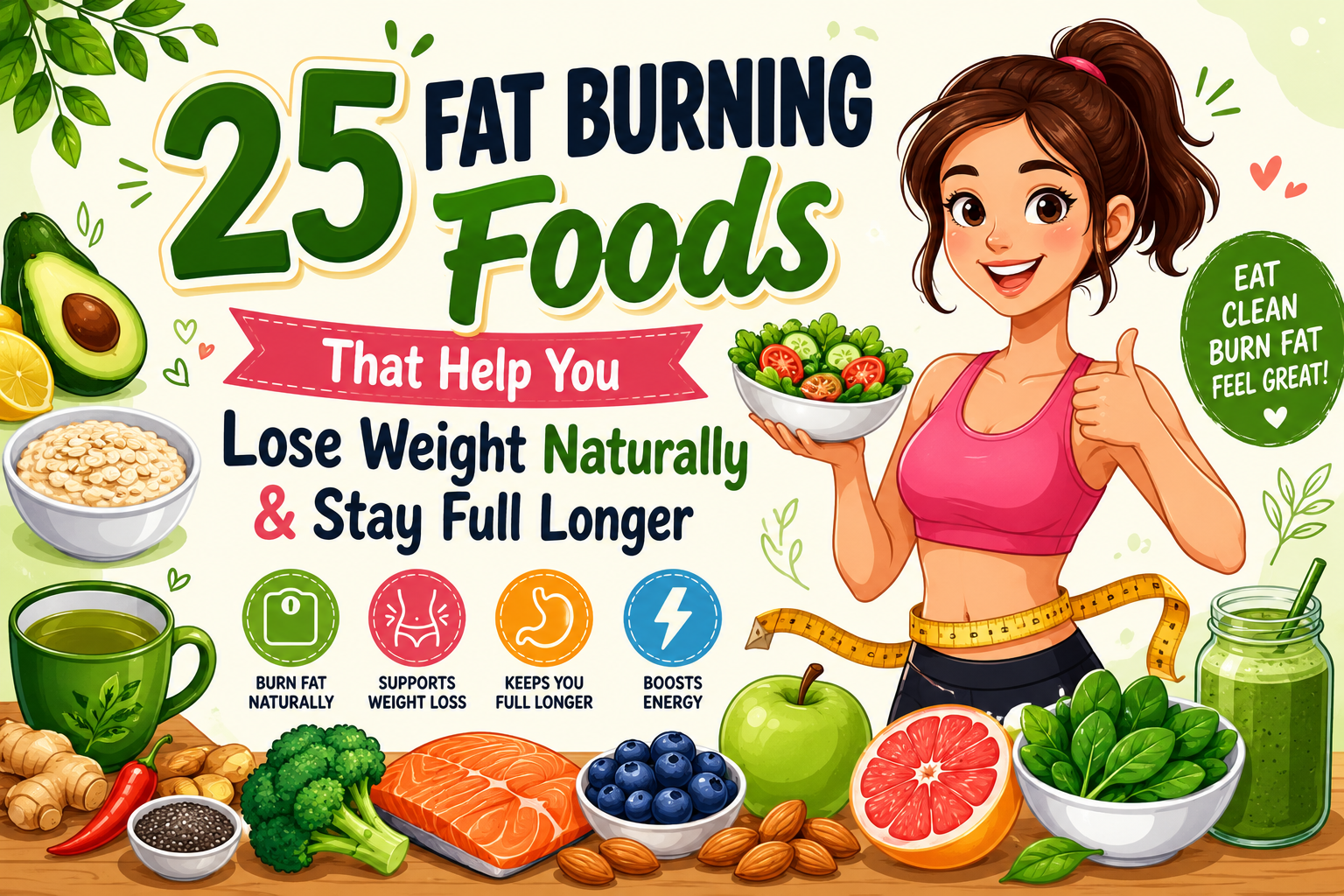
11. Eat More Natural Fat-Burning Foods
While no single food can magically melt away body fat, certain nutrient-dense foods support your body’s natural fat-burning processes by increasing satiety, stabilizing blood sugar, and providing essential nutrients. Including a variety of natural fat-burning foods in your daily meals can make healthy eating easier and more enjoyable while supporting sustainable weight loss.
Some excellent choices include:
- Leafy greens like spinach and kale
- Berries rich in antioxidants
- Eggs
- Greek yogurt
- Salmon and other fatty fish
- Beans and lentils
- Green tea
- Chili peppers
- Oats
- Apples
- Avocados
- Nuts and seeds
These foods provide protein, fiber, healthy fats, vitamins, and minerals that help control hunger while supporting metabolism. Rather than looking for “superfoods,” focus on eating a wide variety of whole, minimally processed foods consistently.
12. Don’t Skip Breakfast If You’re Hungry
Skipping breakfast isn’t automatically unhealthy, but it isn’t necessary for weight loss either. Some people naturally eat less when they delay breakfast, while others become overly hungry and end up overeating later in the day.
The key is listening to your body’s hunger signals. If you wake up hungry, choose a balanced breakfast that combines protein, fiber, and healthy fats.
Examples include:
- Greek yogurt with berries and chia seeds
- Vegetable omelet with whole-grain toast
- Oatmeal topped with nuts and fruit
- Cottage cheese with sliced apples
- Smoothie made with spinach, protein, and berries
A satisfying breakfast can help stabilize energy levels and reduce unhealthy snacking throughout the day.
13. Plan Your Meals Ahead of Time
One of the biggest reasons people struggle with healthy eating is making food decisions when they’re already hungry. Meal planning removes much of the guesswork and helps you make healthier choices consistently.
Spend one day each week planning meals, preparing ingredients, and cooking healthy staples like grilled chicken, roasted vegetables, brown rice, quinoa, or beans. Keeping nutritious snacks available also reduces the temptation to choose processed convenience foods.
Meal planning saves time, reduces food waste, helps control portion sizes, and supports long-term weight management without requiring complicated diets.
14. Eat Slowly and Mindfully
Your brain needs approximately 20 minutes to recognize that you’ve eaten enough. Eating too quickly often results in consuming more calories before fullness signals reach your brain.
Practice mindful eating by:
- Taking smaller bites
- Chewing thoroughly
- Putting utensils down between bites
- Eliminating distractions during meals
- Appreciating flavors and textures
- Checking your hunger halfway through the meal
These simple habits improve digestion, increase meal satisfaction, and naturally reduce overeating. Mindful eating is one of the easiest habits to adopt and one of the most effective science-backed weight loss tips for long-term success.
15. Increase Your Daily Physical Activity
Exercise sessions are valuable, but daily movement outside the gym also plays a significant role in calorie expenditure. This is known as Non-Exercise Activity Thermogenesis (NEAT), which includes activities like walking, cleaning, gardening, standing, and taking the stairs.
Simple ways to increase movement include:
- Walking after meals
- Using a standing desk
- Stretching every hour
- Parking farther away
- Doing household chores
- Taking active breaks at work
These small activities add up throughout the day and contribute meaningfully to healthy weight management.
16. Limit Liquid Calories
Many people unknowingly consume hundreds of extra calories through beverages. Soft drinks, sweetened coffee drinks, fruit juices, sports drinks, energy drinks, and alcohol can significantly increase daily calorie intake without providing lasting fullness.
Instead, choose beverages such as:
- Water
- Sparkling water
- Unsweetened tea
- Black coffee
- Herbal tea
Replacing sugary drinks with healthier alternatives is one of the simplest natural fat burning methods because it lowers calorie intake without making meals feel restrictive.
17. Build a Balanced Plate
Creating balanced meals helps control hunger while providing the nutrients your body needs to function properly. Rather than eliminating entire food groups, focus on combining quality carbohydrates, lean protein, healthy fats, and vegetables.
A simple balanced plate looks like this:
| Food Group | Portion |
| Vegetables | ½ Plate |
| Lean Protein | ¼ Plate |
| Whole Grains | ¼ Plate |
| Healthy Fats | Small Portion |
This approach naturally improves portion control while supporting energy levels, muscle maintenance, and healthy digestion.
18. Be Consistent Instead of Perfect
Many people give up after one unhealthy meal because they believe they’ve ruined their progress. In reality, long-term success depends on consistency rather than perfection.
Healthy weight loss is about the habits you repeat over weeks and months—not what happens during one meal or one weekend. Enjoy celebrations, vacations, and favorite foods in moderation without guilt. Returning to healthy habits after occasional indulgences is far more important than striving for unrealistic perfection.
Consistency builds sustainable routines that support lasting results.
19. Track Your Progress Beyond the Scale
The number on the scale tells only part of the story. Weight naturally fluctuates due to hydration, hormones, meals, and physical activity.
Other valuable indicators include:
- Waist circumference
- Progress photos
- Energy levels
- Strength improvements
- Better sleep
- Improved fitness
- Clothing fit
- Blood pressure
- Blood sugar improvements
Measuring multiple forms of progress keeps motivation high even when weight loss temporarily slows.
20. Set Realistic Goals
Healthy weight loss typically occurs gradually. Losing approximately 0.25 to 1 kilogram (0.5–2 pounds) per week is considered a sustainable rate for many adults, though individual results vary depending on starting weight, health status, and lifestyle.
Instead of focusing only on your final goal, celebrate smaller milestones such as:
- Drinking more water daily
- Walking consistently
- Cooking healthy meals
- Improving sleep
- Increasing vegetable intake
- Completing weekly workouts
Achievable goals build confidence and make long-term success much more likely.
21. Make Healthy Living a Lifestyle
The most successful people don’t simply “go on a diet.” They gradually develop healthy habits that become part of everyday life.
Sustainable weight management includes:
- Eating nutritious meals most of the time
- Staying physically active
- Sleeping well
- Managing stress
- Staying hydrated
- Enjoying treats occasionally without guilt
- Continuing healthy habits after reaching your goal weight
When healthy choices become your normal routine, maintaining your results becomes much easier than constantly starting over with new diets.
Common Mistakes That Make Natural Weight Loss Harder
Even with the best intentions, certain habits can slow progress or make healthy weight loss feel more difficult than it needs to be. Recognizing these common mistakes allows you to make simple adjustments that support long-term success rather than temporary results.
Some of the most common mistakes include:
- Following extremely restrictive diets
- Skipping meals regularly
- Drinking too many sugary beverages
- Relying on weight-loss supplements
- Ignoring sleep quality
- Eating while distracted
- Setting unrealistic expectations
- Comparing your progress to others
- Not eating enough protein
- Giving up after small setbacks
Remember that lasting change comes from improving your daily habits, not from achieving perfection.
Foods to Eat More Often for Healthy Weight Loss
Choosing nutrient-rich foods helps control hunger while supporting your body’s natural metabolism.
| Eat More Often | Benefits |
| Leafy greens | Low calorie, high fiber |
| Eggs | High-quality protein |
| Greek yogurt | Protein and probiotics |
| Oats | Long-lasting energy |
| Berries | Fiber and antioxidants |
| Beans | Protein and fiber |
| Lentils | Slow-digesting carbohydrates |
| Salmon | Healthy omega-3 fats |
| Apples | Filling natural fiber |
| Nuts | Healthy fats in moderation |
Foods to Limit
Reducing—not necessarily eliminating—certain foods can help lower overall calorie intake while improving nutrition.
| Limit | Better Alternative |
| Sugary drinks | Water or herbal tea |
| Candy | Fresh fruit |
| White bread | Whole-grain bread |
| Deep-fried foods | Grilled or baked options |
| Pastries | Oatmeal with fruit |
| Processed snacks | Nuts or popcorn |
| Ice cream | Greek yogurt with berries |
| Sugary cereals | High-fiber oats |
Frequently Asked Questions (FAQs)
1. How can I lose weight naturally without following a strict diet?
You can lose weight naturally by making gradual, sustainable lifestyle changes instead of following restrictive diets. Focus on eating more whole foods, increasing protein and fiber, controlling portion sizes, drinking enough water, staying physically active, and getting quality sleep. These habits help create a healthy calorie balance while supporting your overall well-being. Small, consistent improvements are far more effective than temporary diet plans for achieving lasting results.
2. What is the best breakfast for natural weight loss?
A healthy weight-loss breakfast should include protein, fiber, and healthy fats to keep you full and energized. Good options include oatmeal with berries and nuts, Greek yogurt with fruit and chia seeds, eggs with whole-grain toast, or a vegetable omelet. Avoid highly processed cereals and sugary pastries that may cause energy crashes and increase hunger later in the day.
3. How important is exercise for losing weight naturally?
Exercise plays an important role by increasing calorie expenditure, preserving muscle mass, improving metabolism, and supporting overall health. However, nutrition remains the biggest factor for weight loss. Combining healthy eating with regular activities like walking, strength training, cycling, or swimming provides the best long-term results. Even moderate physical activity performed consistently can make a meaningful difference.
4. Are weight-loss supplements necessary?
Most people do not need weight-loss supplements to achieve healthy results. Many supplements lack strong scientific evidence, and some may have unwanted side effects. Instead, focus on proven habits such as eating balanced meals, staying active, getting enough sleep, managing stress, and drinking plenty of water. If you are considering supplements, consult a qualified healthcare professional first.
5. How long does natural weight loss usually take?
Natural weight loss varies from person to person depending on age, starting weight, activity level, health conditions, and eating habits. A gradual pace of around 0.25–1 kilogram (0.5–2 pounds) per week is considered healthy for many adults. Sustainable progress is more important than rapid results because it is easier to maintain over the long term.
Key Takeaways
- Natural weight loss is achieved through consistent lifestyle changes, not quick fixes.
- Prioritize whole, minimally processed foods rich in protein, fiber, and healthy fats.
- Stay physically active with a mix of walking, strength training, and daily movement.
- Drink enough water and replace sugary beverages with healthier alternatives.
- Aim for 7–9 hours of quality sleep to support appetite regulation and recovery.
- Manage stress effectively to reduce emotional eating and improve overall well-being.
- Practice mindful eating and portion control instead of restrictive dieting.
- Track progress using multiple indicators such as energy, fitness, and waist measurements—not just the scale.
- Focus on consistency rather than perfection for long-term success.
- Healthy habits built over time are the best way to lose weight naturally and keep it off.
Conclusion
Learning how to lose weight naturally is about much more than reducing the number on the scale—it’s about creating a healthier, more sustainable lifestyle. By focusing on evidence-based habits such as eating balanced meals, increasing protein and fiber, staying hydrated, exercising regularly, getting enough sleep, and managing stress, you can support your body’s natural ability to burn fat while improving your overall health.
Remember that there is no magic food, supplement, or shortcut that guarantees permanent weight loss. Real success comes from making small, consistent improvements that fit your daily routine. Every healthy meal, every walk, and every positive choice brings you one step closer to your goals.
At PureWellLife, we believe that lasting wellness starts with practical, science-backed information you can trust. Use the 21 strategies in this guide as a roadmap for building healthier habits and achieving sustainable results. If you found this article helpful, explore more expert health, nutrition, and lifestyle guides on PureWellLife.com, and share this resource with friends and family who are also working toward a healthier future.