
Have you ever noticed that some foods leave you feeling energized, while others make you feel sluggish or irritable? The connection between what you eat and how you feel is stronger than many people realize. Scientists now understand that nutrition plays a major role in supporting brain health, emotional balance, and overall mental well-being. While food isn’t a replacement for professional mental health treatment, choosing nutrient-rich foods that naturally boost your mood reduce stress, and help your brain function at its best.
Your brain depends on a constant supply of vitamins, minerals, healthy fats, amino acids, and antioxidants to produce neurotransmitters like serotonin, dopamine, and gamma-aminobutyric acid (GABA), which regulate emotions and mental clarity. Additionally, emerging research highlights the importance of the gut-brain connection, showing that a healthy digestive system contributes significantly to emotional health.
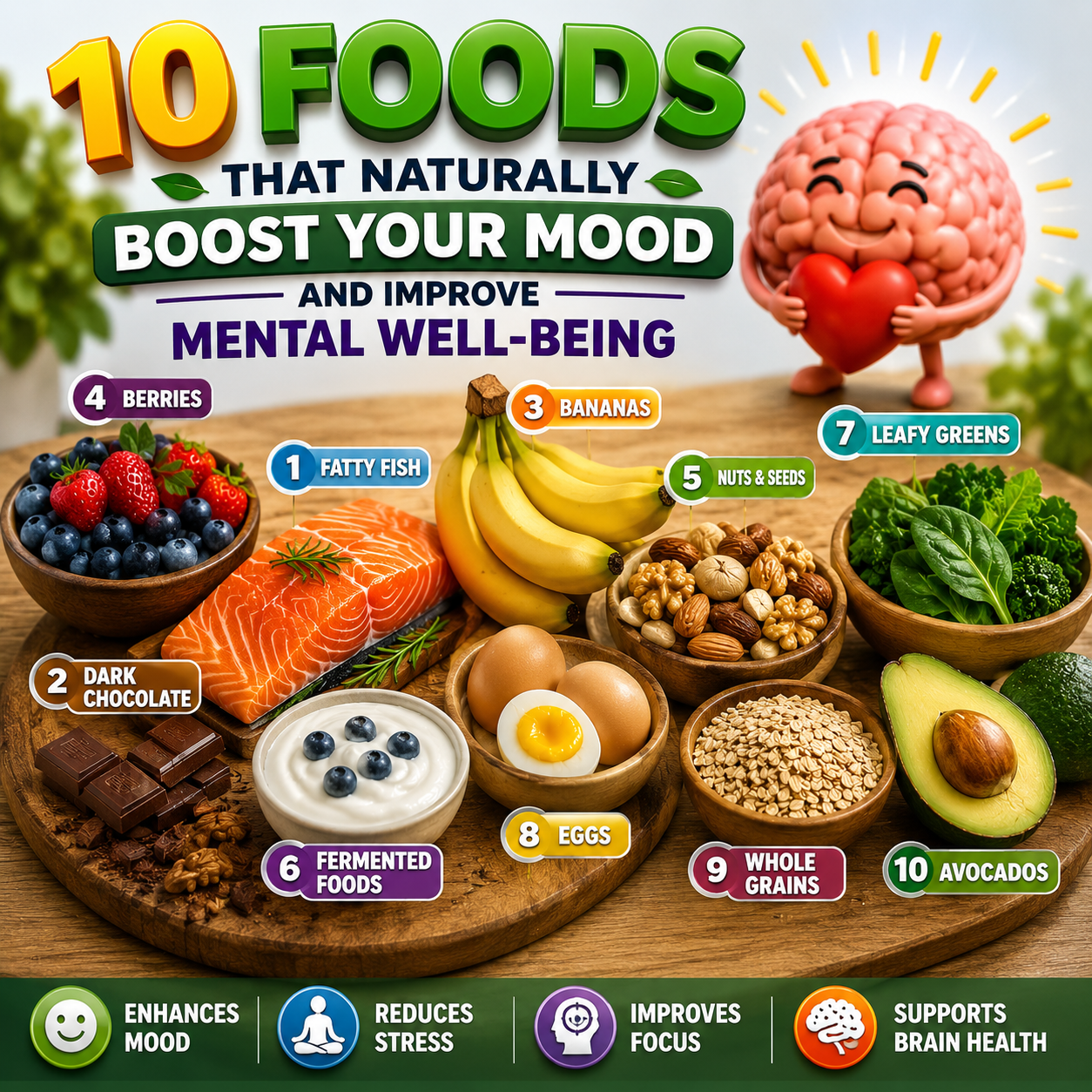
In this comprehensive guide, you’ll discover 10 foods that naturally boost your mood, learn why they work, understand the science behind each one, and find practical ways to include them in your daily meals. Whether you’re looking to reduce stress, improve focus, or simply feel happier throughout the day, these foods can become valuable additions to your healthy lifestyle.
What Is the Connection Between Food and Mood?
Food is much more than fuel for your body—it also provides the essential nutrients your brain needs to regulate emotions, memory, concentration, and stress responses. Every meal influences chemical reactions inside your brain, affecting neurotransmitter production, inflammation levels, hormone balance, and even sleep quality. When your diet lacks essential nutrients, your brain may struggle to function efficiently, potentially contributing to low energy, mood swings, or difficulty concentrating.
Research has shown that dietary patterns rich in fruits, vegetables, whole grains, healthy fats, legumes, fish, and fermented foods are associated with better mental health outcomes. Conversely, diets high in refined sugar, ultra-processed foods, and unhealthy fats may increase inflammation and oxidative stress, which have been linked to anxiety and depression. Understanding this relationship helps explain why eating nutritious foods consistently can support long-term emotional resilience and cognitive health.
How Nutrition Affects Mental Well-Being
Nutrition influences mental well-being through several interconnected biological pathways. First, amino acids obtained from dietary proteins are used to manufacture neurotransmitters such as serotonin and dopamine, which regulate mood, motivation, and happiness. Second, omega-3 fatty acids support healthy brain cell membranes, enabling efficient communication between neurons. Third, antioxidants protect brain cells from oxidative damage caused by free radicals, preserving cognitive function over time.
Another important factor is the gut microbiome. Trillions of beneficial bacteria living in the digestive tract communicate with the brain through the gut-brain axis. These microbes produce compounds that influence immune function, inflammation, and neurotransmitter production. Consuming fiber-rich and probiotic-rich foods helps maintain a balanced microbiome, contributing to better emotional health and stress management. Together, these nutritional factors create a foundation for improved mental well-being.
1. Fatty Fish
Fatty fish such as salmon, sardines, mackerel, trout, and tuna are among the most researched foods for supporting mental health. They are rich in omega-3 fatty acids, particularly EPA and DHA, which are vital components of brain tissue. These healthy fats contribute to optimal brain development, improve communication between brain cells, and help regulate inflammation that may negatively affect mood. Studies suggest that individuals who regularly consume omega-3-rich fish often report better emotional well-being and lower rates of depressive symptoms.
In addition to omega-3s, fatty fish provide high-quality protein, vitamin D, selenium, and B vitamins that contribute to neurotransmitter production and cognitive function. Including two servings of fatty fish each week is widely recommended for overall health. If you don’t eat seafood, consult your healthcare provider about plant-based omega-3 sources or supplements that may help meet your nutritional needs.
Why It Helps
- Rich in EPA and DHA omega-3 fatty acids
- Supports serotonin and dopamine function
- Helps reduce inflammation
- Improves memory and concentration
- May lower the risk of depressive symptoms
Easy Ways to Eat More Fatty Fish
- Grilled salmon with vegetables
- Tuna salad sandwiches
- Sardines on whole-grain toast
- Fish tacos with fresh salsa
- Baked trout with herbs
2. Dark Chocolate
Dark chocolate is more than an indulgent treat—it contains several compounds that may positively influence mood when enjoyed in moderation. Cocoa is rich in flavonoids, antioxidants that improve blood flow to the brain and help protect brain cells from oxidative stress. Dark chocolate also contains magnesium, iron, and small amounts of caffeine and theobromine, which may enhance alertness and improve mental performance without causing excessive stimulation when consumed responsibly.
Additionally, eating dark chocolate may stimulate the release of endorphins and increase serotonin activity, contributing to temporary improvements in mood and feelings of pleasure. Choosing chocolate with at least 70% cocoa ensures a higher concentration of beneficial plant compounds while limiting added sugars. Although dark chocolate offers potential mental health benefits, portion control remains important because it is calorie-dense.
Benefits
- Rich in antioxidants
- Supports healthy blood circulation
- Contains magnesium for stress management
- May improve mood naturally
- Helps combat oxidative stress
Best Serving Size
Approximately 20–30 grams of dark chocolate several times per week.
3. Bananas
Bananas are one of the most convenient and nutritious fruits for supporting emotional health. They provide vitamin B6, an essential nutrient required for producing serotonin and dopamine. They are also rich in complex carbohydrates, which help maintain stable blood sugar levels and allow tryptophan, an amino acid involved in serotonin production, to enter the brain more efficiently. This combination can contribute to improved mood and sustained energy throughout the day.
Another advantage of bananas is their high potassium content, which supports healthy nerve function and muscle activity while helping regulate fluid balance. Their natural sweetness makes them an excellent alternative to processed sugary snacks that may cause energy crashes. Whether eaten on their own, blended into smoothies, or sliced over oatmeal, bananas are an easy way to nourish both your body and mind.
Nutritional Highlights
- Vitamin B6
- Potassium
- Fiber
- Vitamin C
- Natural carbohydrates
Quick Snack Ideas
- Banana with peanut butter
- Banana smoothie
- Oatmeal topped with bananas
- Yogurt and banana bowl
- Frozen banana bites
4. Berries
Berries such as blueberries, strawberries, raspberries, and blackberries are packed with antioxidants called anthocyanins, which help protect brain cells from inflammation and oxidative damage. These colorful fruits have been associated with improved memory, sharper cognitive function, and better emotional health due to their ability to reduce cellular stress and support healthy blood flow to the brain. Regular berry consumption is also linked to healthier aging and reduced risk of cognitive decline.
Besides antioxidants, berries provide fiber, vitamin C, and numerous beneficial plant compounds that promote a healthy gut microbiome. Because gut health is closely connected to mood regulation, incorporating berries into your diet may indirectly support emotional well-being as well. Their versatility makes them an excellent addition to breakfasts, desserts, smoothies, or healthy snacks.
Why They’re Excellent Mood Foods
- High antioxidant content
- Supports brain function
- Helps reduce inflammation
- Rich in vitamin C
- Supports gut health
5. Nuts and Seeds
Nuts and seeds are nutritional powerhouses that provide a combination of healthy fats, plant-based protein, fiber, vitamins, minerals, and antioxidants—all of which contribute to better brain health and emotional well-being. Almonds, walnuts, pistachios, pumpkin seeds, sunflower seeds, chia seeds, and flaxseeds are particularly beneficial because they contain omega-3 fatty acids, magnesium, zinc, selenium, and vitamin E. These nutrients support neurotransmitter production, reduce oxidative stress, and help maintain healthy brain cell function.
Research suggests that regular consumption of nuts may be associated with a lower risk of depression and cognitive decline. Magnesium plays an important role in regulating the body’s stress response, while zinc contributes to healthy nerve signaling and emotional stability. Since nuts are calorie-dense, moderation is key. A small handful each day provides plenty of nutrients without excessive calories.
Why Nuts and Seeds Improve Mood
- Rich in healthy unsaturated fats
- Excellent source of magnesium
- Contain zinc for brain health
- High in vitamin E antioxidants
- Support memory and concentration
- Help stabilize blood sugar levels
Best Mood-Boosting Nuts and Seeds
| Food | Key Nutrient | Mood Benefit |
| Walnuts | Omega-3 | Supports brain function |
| Almonds | Magnesium | Helps reduce stress |
| Pumpkin Seeds | Zinc | Supports neurotransmitters |
| Chia Seeds | Omega-3 | Reduces inflammation |
| Flaxseeds | Fiber & Healthy Fats | Supports gut-brain health |
Easy Ways to Eat More
- Sprinkle seeds over oatmeal.
- Add walnuts to salads.
- Mix almonds into homemade trail mix.
- Blend chia seeds into smoothies.
- Spread natural nut butter on whole-grain toast.
6. Fermented Foods
Fermented foods have gained significant attention because of their positive effects on the gut microbiome, which plays a crucial role in mental health. The digestive tract contains trillions of beneficial bacteria that communicate with the brain through the gut-brain axis. A balanced gut microbiome helps regulate inflammation, immune function, and neurotransmitter production, including serotonin, which is often referred to as the “feel-good” chemical. Since a large portion of serotonin is produced in the gut, maintaining digestive health may support emotional balance.
Foods such as yogurt with live cultures, kefir, kimchi, sauerkraut, miso, and kombucha introduce beneficial probiotics into the digestive system. These probiotics help improve gut diversity, enhance nutrient absorption, and support healthy digestion. While fermented foods are not a cure for anxiety or depression, including them regularly as part of a balanced diet may contribute to improved mood and overall well-being.
Benefits of Fermented Foods
- Support gut microbiome diversity
- Encourage healthy serotonin production
- Improve digestion
- Help regulate inflammation
- Strengthen immune function
- May improve stress resilience
Popular Fermented Foods
- Greek yogurt
- Kefir
- Kimchi
- Sauerkraut
- Miso soup
- Kombucha
- Tempeh
Tip: Choose fermented foods with live and active cultures and minimal added sugars to maximize their health benefits.
7. Leafy Green Vegetables
Leafy green vegetables are among the most nutrient-dense foods available and provide numerous vitamins and minerals that support healthy brain function. Spinach, kale, Swiss chard, collard greens, broccoli, and other dark green vegetables are rich in folate, vitamin K, magnesium, iron, lutein, and antioxidants. Folate is particularly important because low levels have been associated with depressive symptoms in some individuals. Adequate folate intake supports the production of neurotransmitters involved in regulating mood.
These vegetables also help reduce inflammation throughout the body, including the brain. Their high antioxidant content protects neurons from oxidative stress, while magnesium contributes to relaxation and healthy nerve function. Incorporating a variety of leafy greens into your meals can provide long-term benefits for both physical and mental health.
Why Leafy Greens Matter
- High in folate
- Rich in magnesium
- Contain brain-protective antioxidants
- Support cognitive performance
- Help reduce chronic inflammation
- Promote overall wellness
Healthy Meal Ideas
- Spinach omelet
- Kale salad with walnuts
- Green smoothie
- Stir-fried broccoli
- Mixed vegetable soup
8. Eggs
Eggs are one of the most complete natural foods, supplying high-quality protein along with essential nutrients that support brain health. They are an excellent source of choline, a nutrient required to produce acetylcholine, a neurotransmitter involved in memory, learning, and muscle control. Eggs also provide vitamins B6, B12, folate, selenium, and vitamin D, all of which play important roles in maintaining healthy brain function and emotional well-being.
Protein-rich foods like eggs help stabilize blood sugar levels and provide a steady release of energy, reducing the likelihood of energy crashes that can affect mood. Starting your day with eggs can help improve satiety, maintain concentration, and support consistent mental performance throughout the morning.
Key Nutrients
- Choline
- Vitamin D
- Vitamin B12
- High-quality protein
- Selenium
- Folate
Best Ways to Enjoy Eggs
- Boiled eggs
- Vegetable omelet
- Scrambled eggs
- Egg salad
- Whole-grain avocado toast with eggs
9. Whole Grains
Whole grains provide a steady supply of complex carbohydrates that help maintain stable blood sugar levels and provide consistent energy for the brain. Unlike refined carbohydrates, whole grains digest more slowly, preventing rapid spikes and crashes in blood glucose that can contribute to irritability, fatigue, and poor concentration. They also help increase the availability of tryptophan, which supports serotonin production.
In addition to complex carbohydrates, whole grains contain fiber, B vitamins, magnesium, iron, and antioxidants. These nutrients support nervous system function, gut health, and energy metabolism. Replacing refined grains with whole grains is a simple dietary change that benefits both physical and mental health over time.
Excellent Whole Grain Choices
- Oats
- Brown rice
- Quinoa
- Whole wheat
- Barley
- Millet
- Buckwheat
Benefits
- Long-lasting energy
- Better focus
- Stable blood sugar
- Improved gut health
- Supports serotonin production
10. Avocados
Avocados are rich in heart-healthy monounsaturated fats that support healthy blood circulation, including blood flow to the brain. Good circulation ensures that brain cells receive the oxygen and nutrients they need to function efficiently. Avocados are also packed with potassium, folate, vitamin K, vitamin E, and fiber, making them an excellent food for overall cognitive and emotional health.
The healthy fats in avocados also improve the absorption of fat-soluble vitamins from other foods, enhancing the nutritional value of meals. Their creamy texture makes them easy to include in breakfasts, salads, sandwiches, smoothies, and healthy snacks. Consuming avocados regularly as part of a balanced diet may contribute to improved concentration, memory, and emotional resilience.
Why Avocados Are Great for Mood
- Rich in healthy fats
- High in folate
- Good source of potassium
- Support brain circulation
- Help reduce inflammation
- Promote sustained energy
Delicious Serving Ideas
- Avocado toast
- Guacamole with vegetables
- Smoothies
- Chicken and avocado salad
- Whole-grain wraps
Comparison Table: Top Mood-Boosting Foods
| Food | Primary Nutrient | Main Mental Health Benefit |
| Fatty Fish | Omega-3 Fatty Acids | Supports brain function |
| Dark Chocolate | Flavonoids & Magnesium | Enhances mood |
| Bananas | Vitamin B6 | Supports serotonin production |
| Berries | Antioxidants | Protects brain cells |
| Nuts & Seeds | Healthy Fats & Magnesium | Reduces stress |
| Fermented Foods | Probiotics | Supports gut-brain connection |
| Leafy Greens | Folate | Supports neurotransmitter production |
| Eggs | Choline & Protein | Improves memory and focus |
| Whole Grains | Complex Carbohydrates | Provides stable energy |
| Avocados | Healthy Fats | Supports cognitive health |
Foods That Can Negatively Affect Your Mood
While adding mood-supporting foods is beneficial, limiting foods that may contribute to energy crashes, inflammation, or poor overall nutrition is equally important. Diets high in ultra-processed foods, excessive added sugars, and unhealthy fats have been linked to poorer mental health outcomes in many studies. These foods can disrupt blood sugar balance, affect gut health, and increase inflammation, all of which may influence mood over time.
Some foods to consume in moderation include:
- Sugary soft drinks
- Candy and sweets
- White bread and refined flour products
- Deep-fried fast foods
- Processed meats
- Packaged snack foods
- Excessive alcohol
- High-sugar breakfast cereals
- Energy drinks
- Highly processed desserts
Rather than eliminating these foods completely, aim for a balanced eating pattern where whole
Lifestyle Habits That Naturally Improve Your Mood
While eating foods that naturally boost your mood provides your brain with essential nutrients, nutrition works best when combined with healthy lifestyle habits. Mental well-being is influenced by multiple factors, including sleep quality, physical activity, stress management, hydration, and social relationships. Creating a balanced daily routine allows your body and mind to work together, maximizing the benefits of a healthy diet.
Small, consistent habits often produce better long-term results than drastic changes. For example, getting enough sleep improves emotional regulation, while regular exercise stimulates the release of endorphins, dopamine, and serotonin. Likewise, staying hydrated supports concentration and energy levels. Combining these habits with nutrient-rich foods creates a strong foundation for improved mood, greater resilience to stress, and enhanced overall quality of life.
1. Exercise Regularly
Physical activity is one of the most effective natural mood enhancers. Exercise increases the production of endorphins—often called “feel-good hormones”—while also supporting serotonin and dopamine levels. Even a 30-minute walk, yoga session, or bike ride can help reduce stress, improve focus, and increase feelings of happiness.
Aim for:
- 150 minutes of moderate exercise per week
- Strength training twice weekly
- Daily stretching or yoga
- Walking after meals
- Outdoor activities for additional vitamin D exposure
2. Prioritize Quality Sleep
Sleep is essential for emotional balance and cognitive function. During sleep, the brain processes memories, regulates hormones, and restores energy. Poor sleep can increase irritability, anxiety, and difficulty concentrating, even if your diet is healthy.
Tips for Better Sleep:
- Maintain a consistent bedtime.
- Avoid caffeine late in the day.
- Reduce screen time before bed.
- Keep your bedroom cool and dark.
- Aim for 7–9 hours of sleep nightly.
3. Stay Hydrated
Even mild dehydration can affect mood, memory, and mental performance. Water supports nutrient transport, brain function, and energy production. Drinking enough fluids throughout the day helps maintain concentration and reduces fatigue.
Hydration Tips:
- Drink water regularly throughout the day.
- Eat water-rich foods like cucumbers and watermelon.
- Limit sugary beverages.
- Carry a reusable water bottle.
4. Practice Mindfulness and Stress Management
Chronic stress can interfere with healthy eating habits and increase inflammation, negatively affecting mental well-being. Mindfulness practices help calm the nervous system and improve emotional resilience.
Helpful practices include:
- Meditation
- Deep breathing exercises
- Journaling
- Prayer or spiritual reflection
- Spending time in nature
- Listening to relaxing music
5. Maintain Healthy Social Connections
Positive relationships contribute significantly to emotional well-being. Spending time with family, friends, or supportive communities can reduce loneliness, improve resilience, and increase feelings of happiness.
Simple ways to stay connected include:
- Sharing meals with loved ones
- Calling friends regularly
- Joining community groups
- Volunteering
- Participating in hobbies with others
Frequently Asked Questions (FAQs)
1. Which food boosts your mood the fastest?
Foods like dark chocolate, bananas, berries, and nuts may provide a quick energy and mood lift due to their nutrients and natural compounds. However, lasting emotional well-being depends on maintaining an overall balanced diet rather than relying on a single food.
2. Can food really improve mental health?
Yes. Scientific research suggests that a nutrient-rich diet supports brain function, neurotransmitter production, and gut health, all of which influence mood. While healthy eating can complement mental health care, it should not replace professional treatment for conditions such as depression or anxiety.
3. Which vitamin deficiency is linked to low mood?
Deficiencies in Vitamin D, Vitamin B12, Folate, Magnesium, Iron, and Omega-3 fatty acids have been associated with mood disturbances in some individuals. If you suspect a deficiency, consult a healthcare professional before taking supplements.
4. What foods should I avoid for better mental well-being?
Limit foods high in:
- Added sugars
- Refined carbohydrates
- Ultra-processed snacks
- Deep-fried foods
- Excess alcohol
- Sugary drinks
These foods may contribute to inflammation, blood sugar fluctuations, and reduced energy levels.
5. How long does it take for dietary changes to affect mood?
Some people notice improved energy and mental clarity within a few days or weeks of adopting healthier eating habits. More significant improvements in overall well-being generally occur over several weeks to months when healthy nutrition is combined with regular exercise, quality sleep, and stress management.
6. Is coffee good or bad for mood?
Moderate coffee consumption may improve alertness and concentration for many people. However, excessive caffeine can increase anxiety, disrupt sleep, and negatively affect mood in sensitive individuals. Balance and moderation are important.
7. Are supplements as effective as whole foods?
Whole foods are generally the best source of nutrients because they provide fiber, antioxidants, and beneficial plant compounds that work together. Supplements may be helpful when prescribed by a healthcare professional to address specific deficiencies.
Conclusion
The connection between nutrition and mental health is stronger than ever before. Every meal provides an opportunity to nourish not only your body but also your brain. By regularly including foods that naturally boost your mood, you can support healthy neurotransmitter production, reduce inflammation, strengthen the gut-brain connection, and improve cognitive performance.
Although no single food can guarantee happiness, a balanced dietary pattern rich in whole foods can make a meaningful difference in how you feel over time. Small, sustainable changes—such as replacing processed snacks with berries, adding leafy greens to meals, or enjoying a serving of fatty fish each week—can contribute to lasting improvements in both physical and emotional health.
Remember, nutrition is just one part of a holistic approach to well-being. Pair healthy eating with regular exercise, restorative sleep, effective stress management, and meaningful relationships to create a lifestyle that supports a happier, healthier mind. If you experience persistent symptoms of anxiety or depression, seek guidance from a qualified healthcare professional, as nutrition works best alongside appropriate medical care.
Read Our Latest Blog:What Happens to Your Body When You Drink Hot Water First Thing in the Morning?