13 Foods That Secretly Speed Up Aging—What to Eat Instead
Aging is a natural part of life, but your daily food choices can significantly influence how quickly your body shows the signs of aging. While genetics and lifestyle habits such as exercise, sleep, and stress management all play important roles, nutrition remains one of the most powerful factors within your control. Certain foods may increase inflammation, oxidative stress, and glycation—processes associated with wrinkles, dull skin, reduced energy, and chronic health conditions.
If your goal is healthier skin, better energy, and graceful aging, understanding foods that speed up aging is just as important as knowing which foods support long-term wellness. Many everyday foods marketed as convenient or delicious contain excessive sugar, unhealthy fats, sodium, or additives that may contribute to premature aging over time.
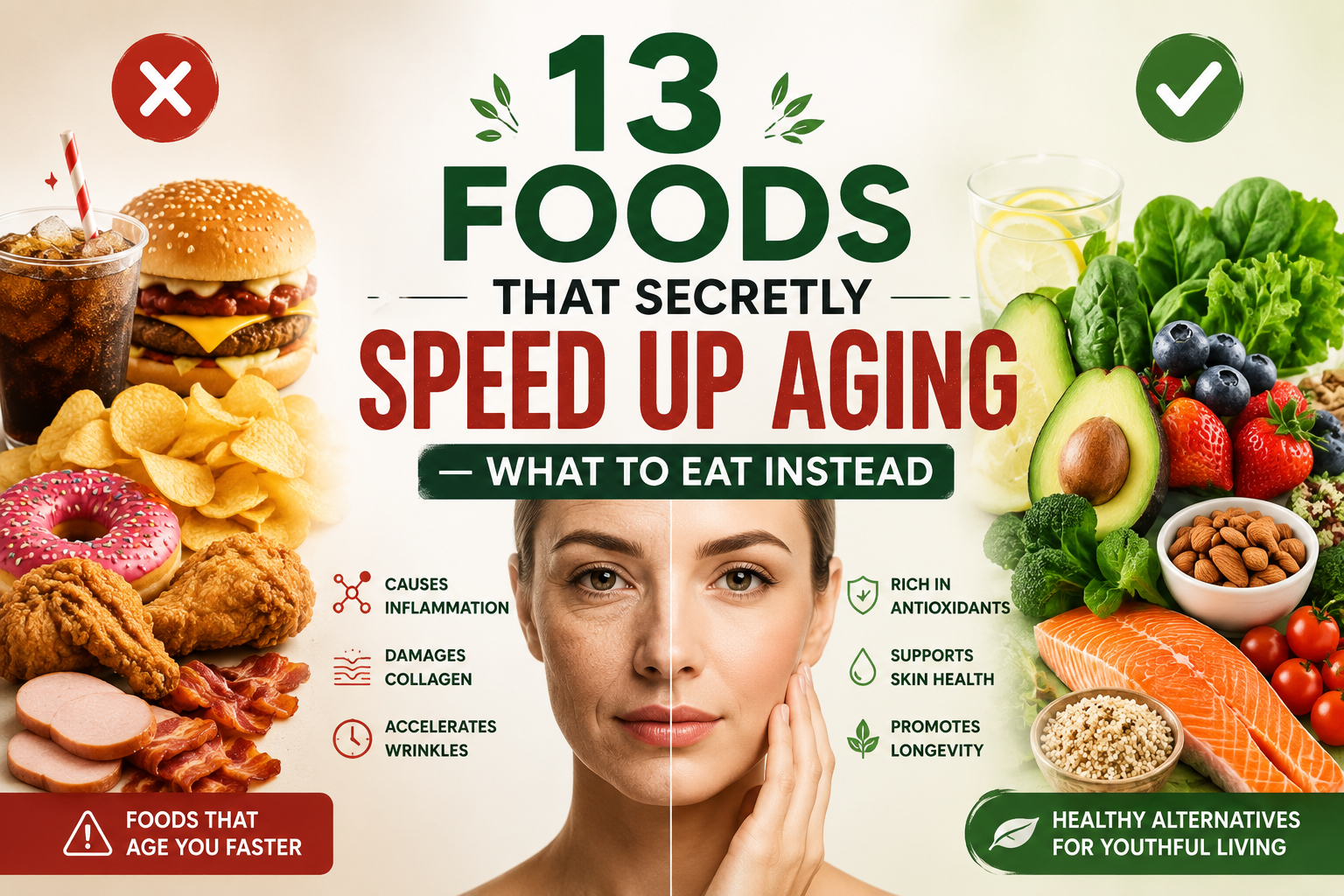
In this guide, you’ll discover 13 foods that make you age faster, learn why they may affect your appearance and overall health, and explore healthier alternatives that nourish your body from the inside out. By making small dietary changes today, you can support youthful skin, improve overall health, and reduce the risk of age-related diseases for years to come.
What Are Foods That Speed Up Aging?
The term foods that speed up aging refers to dietary choices that may contribute to biological processes linked with faster aging. These foods often promote inflammation, oxidative stress, insulin resistance, or the formation of advanced glycation end products (AGEs). Over time, these changes can affect skin elasticity, collagen production, heart health, brain function, and overall well-being.
Not everyone who eats these foods will experience the same effects. However, regularly consuming highly processed foods while eating too few fruits, vegetables, whole grains, lean proteins, and healthy fats may increase the likelihood of premature aging. A balanced diet rich in antioxidants, vitamins, minerals, and healthy fats helps support healthier skin and overall longevity.
How Diet Influences the Aging Process
Your body constantly repairs damaged cells and produces new ones. Nutrient-rich foods provide the building blocks needed for these repairs, while poor dietary choices can interfere with these natural processes. Excess sugar may damage collagen through glycation, unhealthy fats can increase inflammation, and highly processed foods often lack the nutrients your body needs to maintain healthy skin and organs.
Research also suggests that diets rich in colorful fruits, vegetables, legumes, nuts, fish, and whole grains are associated with healthier aging and a lower risk of chronic diseases. This doesn’t mean you need to eliminate every indulgence, but consistently choosing nutrient-dense foods can make a meaningful difference over time.
13 Foods That Secretly Speed Up Aging
1. Sugary Soft Drinks
Sugary sodas are among the biggest contributors to excessive added sugar intake worldwide. A single can may contain more sugar than the recommended daily limit for many adults. Frequent consumption can lead to blood sugar spikes, increased inflammation, and the production of advanced glycation end products, which may weaken collagen and elastin—the proteins responsible for firm, youthful-looking skin.
In addition to affecting skin health, sugary beverages are linked with obesity, type 2 diabetes, and cardiovascular disease. Replacing soda with sparkling water, herbal tea, or naturally flavored water can reduce sugar intake while helping you stay hydrated. Hydration is essential for maintaining healthy skin and supporting normal body functions.
Better Alternative
- Sparkling water with lemon
- Unsweetened iced tea
- Infused water with cucumber or berries
- Coconut water without added sugar
2. Processed Meats
Processed meats such as bacon, sausages, hot dogs, salami, and deli meats often contain high amounts of sodium, preservatives, and saturated fat. Regular consumption has been associated with increased inflammation and may contribute to oxidative stress, both of which are linked to aging and chronic disease.
These foods frequently contain nitrates and nitrites used for preservation. While regulations limit their use, a diet high in processed meats has been associated with a higher risk of certain health conditions. Choosing lean poultry, fish, beans, lentils, or minimally processed proteins provides more nutrients without excessive sodium or additives.
Better Alternative
- Grilled chicken breast
- Baked fish
- Lentils
- Chickpeas
- Tofu
- Homemade roasted turkey
3. Deep-Fried Foods
French fries, fried chicken, onion rings, and other deep-fried foods are typically cooked at very high temperatures. This cooking process can produce compounds associated with oxidative stress and inflammation. Fried foods are also often high in unhealthy fats and calories, making them less supportive of long-term health.
Eating fried foods occasionally is unlikely to cause significant harm, but consuming them regularly may contribute to weight gain, heart disease, and reduced skin health. Baking, roasting, grilling, or air-frying foods can provide a similar texture with less added fat.
Better Alternative
- Air-fried vegetables
- Oven-roasted potatoes
- Grilled vegetables
- Baked sweet potato wedges
4. Refined Sugar
Added sugar appears in cakes, cookies, candies, pastries, flavored yogurts, and many packaged foods. Excess sugar intake contributes to glycation, a process where sugar molecules bind to proteins like collagen and elastin. This may reduce skin elasticity and increase the appearance of fine lines over time.
High sugar intake may also promote inflammation and increase the risk of obesity and metabolic disorders. Instead of relying on sugary snacks, choose naturally sweet fruits paired with protein or healthy fats to help stabilize blood sugar and provide valuable nutrients.
Better Alternative
- Fresh berries
- Apples
- Pears
- Greek yogurt with fruit
- Dark chocolate (70% cocoa or higher, in moderation)
5. White Bread and Refined Grains
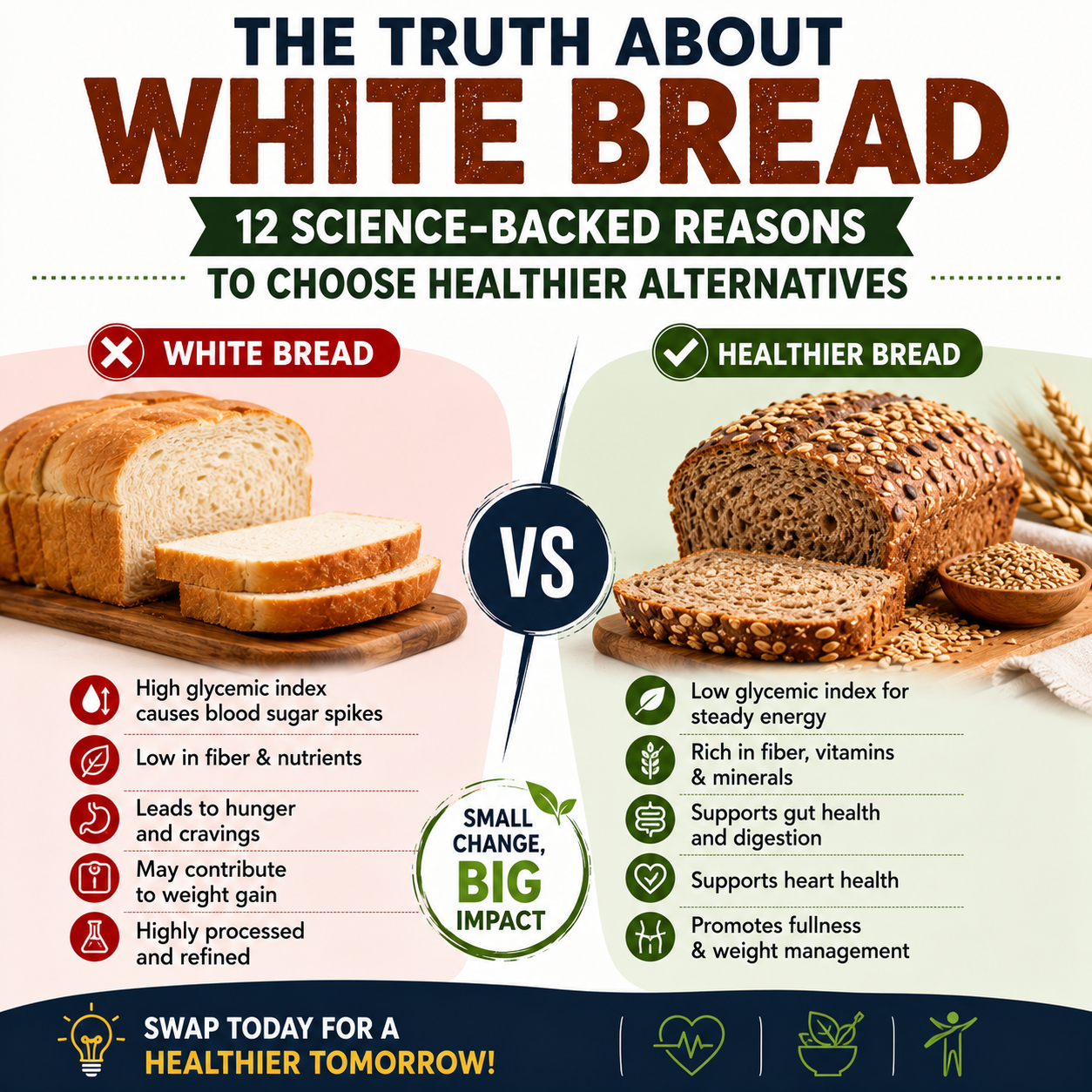
White bread, white rice, and many refined grain products are quickly digested, causing rapid increases in blood sugar levels. Frequent spikes in blood sugar may contribute to inflammation and glycation, which can affect both skin health and overall wellness.
Whole grains provide fiber, vitamins, minerals, and antioxidants that support digestive health and help maintain steady energy levels. Swapping refined grains for whole-grain alternatives is a simple step toward healthier aging.
Better Alternative
- Whole wheat bread
- Brown rice
- Quinoa
- Oats
- Barley
- Whole grain pasta
6. Alcohol
Moderate alcohol consumption may fit into some healthy lifestyles, but excessive drinking can negatively affect hydration, liver health, sleep quality, and skin appearance. Alcohol may contribute to dry skin, redness, puffiness, and reduced skin elasticity over time.
Heavy drinking is also associated with increased oxidative stress and a greater risk of several chronic diseases. If you choose to drink, moderation is key. Alternating alcoholic beverages with water and staying within recommended guidelines can help reduce potential health impacts.
Better Alternative
- Sparkling water with citrus
- Kombucha (low sugar)
- Herbal teas
- Fresh fruit-infused water
7. Packaged Snacks
Potato chips, cheese puffs, flavored crackers, and many other packaged snacks are convenient, but they often contain refined flour, unhealthy fats, excessive sodium, artificial flavorings, and preservatives. These ingredients may contribute to chronic inflammation and oxidative stress when consumed regularly. While enjoying them occasionally is unlikely to have a major impact, relying on packaged snacks as a daily habit can reduce the overall nutritional quality of your diet.
Many processed snacks are also calorie-dense but nutrient-poor, meaning they provide plenty of energy without supplying essential vitamins, minerals, fiber, or antioxidants. Replacing these foods with nutrient-rich snacks supports healthier skin, better digestion, and improved long-term wellness.
Better Alternatives
- Unsalted mixed nuts
- Roasted chickpeas
- Fresh fruit
- Greek yogurt
- Hummus with vegetable sticks
- Homemade popcorn (lightly seasoned)
8. High-Sodium Foods
Many canned soups, instant noodles, frozen meals, processed sauces, and restaurant meals contain high amounts of sodium. Although sodium is essential for normal body functions, consistently consuming excessive amounts may contribute to high blood pressure and fluid retention. From a skin perspective, excess sodium can temporarily increase puffiness and make the skin appear dehydrated.
Choosing lower-sodium versions of packaged foods and preparing meals at home allows you to better control salt intake. Herbs, spices, garlic, lemon juice, and fresh ingredients can add flavor without relying heavily on salt.
Better Alternatives
- Homemade soups
- Fresh vegetables
- Low-sodium broths
- Herbs and spices
- Homemade salad dressings
- Freshly prepared meals
9. Margarine with Trans Fats
Although many countries have significantly reduced or banned industrial trans fats, some older products or imported foods may still contain partially hydrogenated oils. Trans fats have been associated with increased inflammation, reduced heart health, and other negative health outcomes. They may also affect skin elasticity by promoting oxidative damage.
Always check food labels for “partially hydrogenated oils.” Choosing healthier fat sources supports both cardiovascular health and healthier aging.
Better Alternatives
- Extra virgin olive oil
- Avocado
- Nut butters
- Seeds
- Natural peanut butter
- Mashed avocado spread
10. Sweet Breakfast Cereals
Many breakfast cereals marketed toward children and adults contain surprising amounts of added sugar while offering very little fiber or protein. Starting your morning with these cereals can cause rapid blood sugar spikes followed by energy crashes, leaving you hungry again shortly afterward.
A nutrient-rich breakfast that includes protein, healthy fats, and fiber provides more sustained energy while supporting healthy metabolism. Choosing minimally processed breakfast options may also help reduce added sugar intake throughout the day.
Better Alternatives
- Plain oatmeal with berries
- Greek yogurt and nuts
- Homemade muesli
- Whole-grain cereal with no added sugar
- Eggs with whole-grain toast
11. Fast Food Burgers
Fast food burgers often combine refined buns, processed meats, cheese, sauces high in sugar and sodium, and deep-fried sides. While convenient, frequent consumption may increase intake of saturated fat, sodium, refined carbohydrates, and excess calories. These dietary patterns are associated with obesity, cardiovascular disease, and inflammation.
Preparing burgers at home allows you to choose lean protein, whole-grain buns, fresh vegetables, and healthier cooking methods without sacrificing flavor.
Better Alternatives
- Homemade turkey burgers
- Grilled chicken burgers
- Black bean burgers
- Lentil burgers
- Whole-grain buns
- Plenty of fresh vegetables
12. Artificially Sweetened Soft Drinks
Artificially sweetened beverages contain little or no sugar, but they shouldn’t automatically be considered a healthy replacement for water. Research on their long-term effects continues to evolve, and while they may help reduce sugar intake for some individuals, relying heavily on them may discourage healthier beverage choices.
Instead, prioritizing water, sparkling water, or unsweetened tea supports hydration without creating dependence on intensely sweet flavors.
Better Alternatives
- Water
- Herbal tea
- Sparkling mineral water
- Lemon-infused water
- Green tea
13. Excessively Charred Meats
Cooking meat at extremely high temperatures—especially grilling until heavily blackened—can produce compounds such as heterocyclic amines (HCAs) and polycyclic aromatic hydrocarbons (PAHs). High intake of these compounds has been associated with increased oxidative stress and may contribute to long-term health risks.
This doesn’t mean you need to avoid grilling altogether. Marinating meat before cooking, avoiding excessive charring, turning food frequently, and using moderate temperatures can reduce the formation of these compounds.
Better Alternatives
- Baked chicken
- Steamed fish
- Oven-roasted lean meats
- Slow-cooked proteins
- Plant-based proteins
- Grilled foods cooked without burning
Comparison Table: Foods That Speed Up Aging vs. Healthier Alternatives
| Foods That Speed Up Aging | Why They May Be Harmful | Healthier Alternative |
| Sugary soft drinks | Added sugar, glycation | Water with fruit infusion |
| Processed meats | High sodium, preservatives | Fresh chicken or fish |
| Deep-fried foods | Oxidative compounds | Air-fried or baked foods |
| Refined sugar | Collagen damage | Fresh fruits |
| White bread | Blood sugar spikes | Whole-grain bread |
| Alcohol (excess) | Dehydration | Herbal tea |
| Packaged snacks | Processed ingredients | Nuts and seeds |
| High-sodium meals | Water retention | Homemade meals |
| Trans-fat margarine | Inflammation | Olive oil |
| Sugary cereals | High added sugar | Oatmeal |
| Fast food burgers | Refined carbs and saturated fat | Homemade lean burgers |
| Artificial soft drinks | May displace healthier beverages | Water |
| Charred meats | Harmful cooking compounds | Moderately cooked lean proteins |
Healthy Eating Habits That Support Graceful Aging
Avoiding unhealthy foods is only one part of healthy aging. Building a balanced dietary pattern has a much greater impact than focusing on individual foods. A nutrient-rich eating pattern provides your body with antioxidants, vitamins, minerals, healthy fats, and protein that help maintain skin, muscles, bones, and overall health as you age.
Some habits that support graceful aging include:
- Eat at least five servings of fruits and vegetables daily.
- Choose whole grains instead of refined grains.
- Include lean protein with every meal.
- Eat fatty fish rich in omega-3 fatty acids two to three times weekly.
- Stay well hydrated throughout the day.
- Limit added sugars whenever possible.
- Cook more meals at home using fresh ingredients.
- Include healthy fats such as olive oil, nuts, seeds, and avocados.
- Practice portion control instead of following restrictive diets.
- Pair healthy eating with regular physical activity, quality sleep, and stress management.
Common Diet Mistakes That May Contribute to Premature Aging
Many people believe that aging is determined solely by genetics, but everyday eating habits also play a role. One common mistake is consuming too many ultra-processed foods while not eating enough nutrient-dense options. Another is drinking sugary beverages instead of water, which increases added sugar intake without providing essential nutrients.
Skipping meals, eating too little protein, and relying heavily on takeout foods can also reduce overall diet quality. Additionally, many people overlook the importance of colorful fruits and vegetables, which provide antioxidants that help protect cells from oxidative stress. Focusing on long-term eating habits rather than quick fixes is a more sustainable strategy for healthy aging.
Frequently Asked Questions
1. What are the biggest foods that speed up aging?
The foods most commonly linked with unhealthy aging include sugary beverages, processed meats, deep-fried foods, refined grains, sugary desserts, and highly processed snacks. These foods may promote inflammation and oxidative stress when eaten frequently. A balanced diet rich in fruits, vegetables, whole grains, and healthy fats is generally recommended for healthier aging.
2. Can eating healthier improve my skin?
Yes. A nutrient-rich diet provides vitamins, minerals, antioxidants, healthy fats, and protein that support normal skin structure and function. While no food can eliminate wrinkles, healthy eating combined with adequate hydration, sleep, and sun protection can contribute to healthier-looking skin.
3. Is all sugar bad?
No. Naturally occurring sugars found in whole fruits and dairy products come with fiber, vitamins, and minerals. The main concern is excessive intake of added sugars found in soft drinks, candies, pastries, and many processed foods. Moderation is the key to a balanced diet.
4. Are all processed foods unhealthy?
Not necessarily. Some minimally processed foods, such as frozen vegetables, canned beans (low sodium), plain yogurt, and rolled oats, can be nutritious. The concern is with ultra-processed foods high in added sugars, unhealthy fats, sodium, and artificial ingredients.
5. Which nutrients support healthy aging?
Important nutrients include vitamin C, vitamin E, vitamin D, omega-3 fatty acids, protein, zinc, selenium, and antioxidants from fruits and vegetables. Eating a varied diet is usually the best way to obtain these nutrients.
Expert Tips for Eating Healthier as You Age
Nutrition experts generally recommend creating balanced meals that combine vegetables, lean protein, healthy fats, and whole grains. This approach supports steady energy levels while supplying nutrients that help maintain muscle mass, bone health, and healthy skin.
Helpful tips include:
- Read nutrition labels before buying packaged foods.
- Choose foods with short ingredient lists whenever possible.
- Prepare meals at home more often.
- Limit added sugars rather than eliminating all carbohydrates.
- Eat a variety of colorful fruits and vegetables.
- Prioritize healthy fats from plant sources and fish.
- Stay hydrated throughout the day.
- Enjoy treats occasionally without making them daily habits.
- Focus on consistency rather than perfection.
- Consult a healthcare professional or registered dietitian if you have specific dietary needs or medical conditions.
Key Takeaways
- Highly processed foods may contribute to inflammation and oxidative stress.
- Excess added sugar may affect collagen through glycation.
- Whole foods provide nutrients that support healthy aging.
- Staying hydrated benefits overall wellness and skin health.
- Replace refined grains with whole-grain alternatives.
- Limit sugary drinks and choose water more often.
- Healthy fats from olive oil, nuts, seeds, and fish support long-term health.
- Consistency matters more than perfection.
- Pair healthy eating with regular exercise, sleep, and stress management.
- Small dietary changes today can support healthier aging over time.
Conclusion
Healthy aging isn’t about chasing perfection or eliminating every favorite food—it’s about creating sustainable eating habits that nourish your body over the long term. While certain foods that speed up aging may contribute to inflammation, oxidative stress, and reduced skin health when consumed frequently, they don’t have to define your diet.
Instead, focus on filling your plate with colorful fruits and vegetables, whole grains, lean proteins, legumes, nuts, seeds, and healthy fats. These nutrient-rich choices provide the vitamins, minerals, antioxidants, and fiber your body needs to support healthy skin, strong muscles, a healthy heart, and overall well-being.
Remember, no single food determines how you age. Your overall lifestyle—including regular physical activity, quality sleep, stress management, sun protection, and balanced nutrition—plays a much greater role. By making mindful food choices and limiting highly processed foods, you can support graceful aging and feel your best at every stage of life.
For more evidence-based health, nutrition, and wellness guides, visit PureWellLife.com and continue building habits that support a healthier future.