
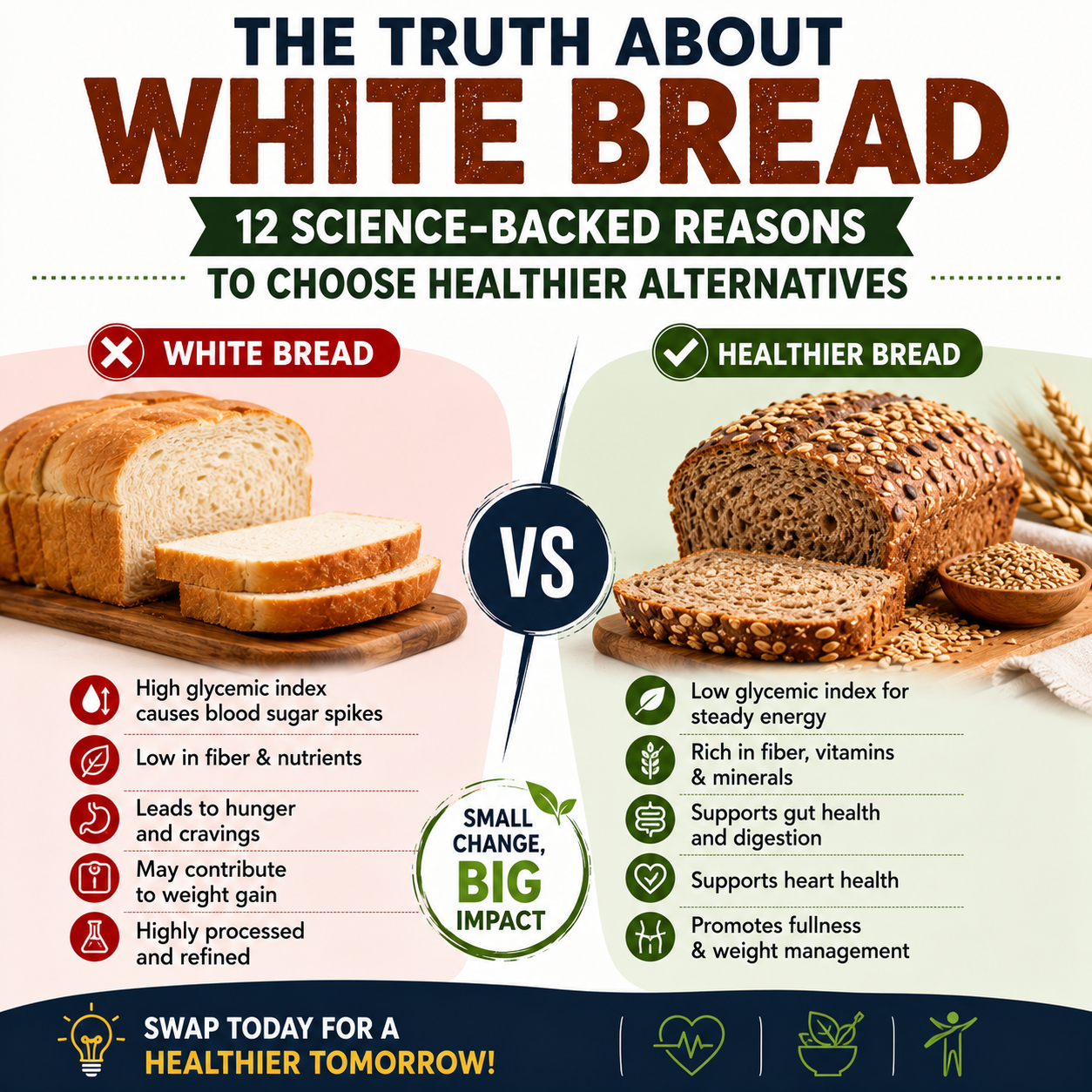
White bread has been a staple food in households around the world for generations. It is soft, affordable, convenient, and pairs well with everything from breakfast toast to sandwiches. Because it has been a part of daily meals for so long, many people assume it is a perfectly healthy choice. However, modern nutritional science tells a more complicated story.
The Truth About White Bread undergoes extensive processing that removes many of the nutrients naturally present in whole grains. During refining, the bran and germ are stripped away, leaving mostly starch. This process reduces fiber, vitamins, minerals, antioxidants, and other beneficial plant compounds that contribute to overall health.
Eating white bread occasionally is unlikely to harm most healthy individuals. However, relying on it as a primary carbohydrate source may contribute to frequent blood sugar spikes, increased hunger, poor digestive health, and a higher risk of chronic diseases when combined with an overall unhealthy diet.
Fortunately, healthier alternatives such as whole grain bread, sprouted grain bread, sourdough, and rye bread provide more nutrients, greater satiety, and better support for long-term wellness. Understanding why these options are often recommended can help you make smarter food choices without giving up bread altogether.
This comprehensive guide explores 12 science-backed reasons why reducing white bread intake and choosing healthier alternatives may benefit your health, along with practical tips for selecting the best bread for your lifestyle.
What Is White Bread?
White bread is made primarily from refined wheat flour. During the refining process, manufacturers remove the bran and germ, leaving only the starchy endosperm. While this improves texture, shelf life, and appearance, it also removes much of the grain’s natural fiber, healthy fats, vitamins, minerals, and antioxidants.
To compensate for these losses, many countries require manufacturers to enrich white flour with selected nutrients such as iron and certain B vitamins. However, enrichment cannot restore all the beneficial compounds naturally found in whole grains. This is why whole grain bread is generally considered a more nutrient-dense option.
Because white bread is lower in fiber and digests quickly, it often causes rapid increases in blood glucose levels compared with many whole-grain varieties. Over time, this pattern may affect energy levels, appetite regulation, and metabolic health.
Why Is White Bread Different from Whole Grain Bread?
The primary difference lies in how the grain is processed. Whole grain bread contains all three parts of the wheat kernel—the bran, germ, and endosperm—while white bread contains only the endosperm. As a result, whole grain bread retains significantly more fiber, vitamins, minerals, healthy fats, and protective plant compounds.
Fiber slows digestion, supports beneficial gut bacteria, promotes fullness, and helps regulate blood sugar. Whole grains have also been associated with a lower risk of cardiovascular disease, type 2 diabetes, and certain digestive disorders. Choosing bread made from intact or minimally processed grains can therefore provide meaningful long-term health benefits.
1. White Bread Causes Rapid Blood Sugar Spikes
One of the most well-documented concerns surrounding white bread is its high glycemic index. Because refined flour contains very little fiber, the carbohydrates are broken down and absorbed quickly into the bloodstream. This results in a rapid rise in blood glucose, followed by an increase in insulin production.
These sharp fluctuations may leave you feeling energetic for a short time but are often followed by a noticeable drop in blood sugar, leading to fatigue, irritability, and renewed hunger. Frequent blood sugar spikes may also contribute to insulin resistance over time in susceptible individuals.
Replacing white bread with whole grain or sprouted grain varieties slows carbohydrate absorption, helping maintain steadier blood sugar levels throughout the day.
2. It Contains Much Less Fiber Than Whole Grain Bread
Dietary fiber is one of the most important nutrients removed during the refining process. Fiber supports digestive health, promotes regular bowel movements, feeds beneficial gut bacteria, and helps you feel full after meals.
White bread typically contains only a fraction of the fiber found in whole grain bread. As a result, meals made with white bread are often less satisfying, increasing the likelihood of overeating later in the day.
Higher fiber intake has consistently been linked to improved heart health, better weight management, healthier cholesterol levels, and a reduced risk of several chronic diseases. Simply switching to higher-fiber bread can significantly increase your daily fiber intake without making major dietary changes.
3. White Bread May Increase Hunger and Cravings
Because white bread digests rapidly, it often fails to provide lasting satiety. After the initial rise in blood sugar and insulin, glucose levels can decline relatively quickly, which may trigger hunger even if you recently ate.
This cycle can encourage frequent snacking and cravings for sugary or high-calorie foods. Over time, consistently consuming foods that provide short-lived fullness may make it more difficult to maintain a balanced calorie intake.
Healthier bread alternatives rich in fiber, protein, and whole grains digest more slowly, helping you stay satisfied for longer periods and supporting better appetite control.
4. It Offers Fewer Natural Nutrients
Although enriched white bread contains added vitamins and minerals, it still lacks many naturally occurring nutrients present in whole grains. Important compounds such as magnesium, zinc, vitamin E, antioxidants, and phytochemicals are significantly reduced during processing.
These nutrients play essential roles in supporting immune function, energy metabolism, bone health, and protection against oxidative stress. Whole grain breads provide these nutrients in their natural food matrix, which may offer additional health benefits beyond isolated vitamin enrichment.
Choosing minimally processed grain products helps ensure a more complete nutritional profile and supports overall dietary quality.
5. White Bread May Contribute to Weight Gain Over Time
Weight gain is influenced by many factors, including total calorie intake, physical activity, genetics, and overall dietary patterns. White bread alone does not directly cause weight gain, but eating it frequently as part of a diet high in refined carbohydrates may make maintaining a healthy weight more difficult.
Because white bread is low in fiber and often less filling than whole-grain alternatives, you may feel hungry sooner after eating. This can lead to larger portion sizes or additional snacks throughout the day. Studies suggest that diets rich in whole grains are generally associated with better weight management compared to diets high in refined grains.
If your goal is to lose or maintain weight, replacing white bread with fiber-rich whole grain bread can help increase satiety and support healthier eating habits without eliminating bread from your diet.
6. White Bread Supports Less Healthy Gut Function
Your digestive system depends on dietary fiber to function efficiently. Fiber acts as food for beneficial gut bacteria, helping maintain a balanced gut microbiome that supports digestion, immune health, and even aspects of mental well-being.
Since white bread contains much less fiber than whole grain bread, it contributes less to feeding these beneficial bacteria. Diets consistently low in fiber have been associated with constipation, reduced microbial diversity, and poorer digestive health.
Choosing breads made from whole grains, rye, oats, or sprouted grains provides more prebiotic fiber, which nourishes the good bacteria in your intestines and supports a healthier digestive system.
7. It May Increase the Risk of Type 2 Diabetes When Consumed Excessively
Research indicates that diets high in refined carbohydrates and added sugars may increase the risk of developing type 2 diabetes, particularly when combined with excess calorie intake, obesity, and physical inactivity. White bread is one example of a refined carbohydrate that can contribute to this dietary pattern.
Its high glycemic index causes rapid increases in blood glucose, requiring the body to produce more insulin. Over many years, repeated high insulin demands may contribute to insulin resistance in susceptible individuals.
Replacing refined grains with whole grains has been associated with a lower risk of developing type 2 diabetes. Whole grain bread releases glucose more gradually, helping maintain healthier blood sugar control.
8. White Bread May Offer Less Protection for Heart Health
Whole grains have consistently been linked to improved cardiovascular health. They contain fiber, magnesium, antioxidants, and plant compounds that support healthy cholesterol levels, blood pressure, and blood vessel function.
White bread lacks many of these naturally occurring nutrients because they are removed during processing. While eating white bread occasionally is unlikely to increase heart disease risk by itself, relying heavily on refined grains instead of whole grains may reduce the protective benefits associated with a heart-healthy diet.
Swapping white bread for whole grain or rye bread is a simple dietary change that can contribute to better long-term cardiovascular health.
9. Refined Bread Is Often Less Nutrient-Dense
One of the biggest differences between white bread and healthier alternatives is nutrient density. Nutrient-dense foods provide more vitamins, minerals, and beneficial compounds relative to their calorie content.
White bread supplies carbohydrates for energy but contains fewer naturally occurring nutrients than whole grain options. In contrast, breads made from whole grains often provide:
- More dietary fiber
- Magnesium
- Zinc
- Selenium
- Iron
- B vitamins
- Vitamin E
- Antioxidants
- Plant polyphenols
Choosing nutrient-dense foods more often helps improve overall diet quality without requiring major lifestyle changes.
10. White Bread Can Leave You Feeling Less Energized
Many people notice that meals based on refined carbohydrates provide a quick burst of energy followed by tiredness a short time later. This pattern is largely related to rapid digestion and changes in blood glucose levels.
Whole grain breads digest more slowly because of their higher fiber content. This gradual release of carbohydrates provides a steadier supply of energy throughout the day, helping reduce energy crashes and improve concentration.
For students, professionals, and active individuals, switching to whole grain bread may help support sustained productivity and better daily performance.
11. Healthier Bread Alternatives Contain More Beneficial Plant Compounds
Whole grains naturally contain phytochemicals, lignans, flavonoids, and antioxidants that help protect cells from oxidative stress. These compounds are concentrated in the bran and germ—the very parts removed during the production of white flour.
Oxidative stress has been linked to aging and the development of several chronic diseases. While no single food can prevent disease, eating a diet rich in plant-based foods and whole grains contributes to overall health and supports the body’s natural defense systems.
By choosing breads made with intact whole grains, you gain access to a wider range of protective nutrients than white bread typically provides.
12. Whole Grain Alternatives Support Long-Term Healthy Eating
Healthy eating isn’t about avoiding one specific food forever—it’s about building consistent habits that support long-term wellness. Whole grain breads generally fit more easily into balanced eating patterns because they provide greater nutritional value, better satiety, and improved digestive support.
Replacing white bread with healthier alternatives doesn’t require drastic changes. Even making the switch for sandwiches, toast, or breakfast can gradually increase your intake of fiber, vitamins, and minerals while reducing reliance on refined carbohydrates.
Small, sustainable improvements often produce better long-term results than restrictive diets that are difficult to maintain.
Best Healthier Alternatives to White Bread
Not all bread is created equal. If you’re looking to improve your diet, consider these nutrient-rich alternatives:
| Bread Type | Benefits | Best For |
| 100% Whole Wheat Bread | High in fiber, vitamins, and minerals | Everyday meals |
| Whole Grain Bread | Contains multiple whole grains and seeds | Balanced nutrition |
| Sprouted Grain Bread | Higher protein and improved nutrient availability | Fitness enthusiasts |
| Sourdough Bread | Easier digestion and lower glycemic response | Sensitive digestion |
| Rye Bread | Rich in fiber and promotes fullness | Weight management |
| Oat Bread | Contains beta-glucan fiber for heart health | Cholesterol support |
| Multigrain Bread (made with whole grains) | Variety of nutrients and textures | Family meals |
| Seeded Bread | Healthy fats, fiber, and protein | Long-lasting energy |
How to Choose a Healthy Bread
Reading the nutrition label is one of the easiest ways to identify a healthier loaf. Marketing terms such as “multigrain” or “made with whole wheat” can sometimes be misleading, so it’s important to look beyond the packaging.
Choose breads that:
- List 100% whole wheat or whole grain as the first ingredient.
- Provide at least 3–5 grams of fiber per serving.
- Contain minimal added sugars.
- Have a short ingredient list with recognizable ingredients.
- Include whole seeds or grains when possible.
- Avoid unnecessary artificial additives and preservatives.
Making informed choices at the grocery store can significantly improve the nutritional quality of your daily meals without sacrificing taste.
Frequently Asked Questions (FAQs)
1. Is white bread unhealthy?
White bread is not inherently unhealthy, and eating it occasionally is unlikely to cause health problems for most people. However, because it is made from refined flour, it contains less fiber and fewer naturally occurring nutrients than whole grain bread. Regularly choosing whole grain options instead of white bread can improve overall diet quality and support better long-term health.
2. Why does white bread raise blood sugar quickly?
White bread is made from refined wheat flour that has had much of its fiber removed. Without fiber to slow digestion, carbohydrates are absorbed rapidly into the bloodstream, causing a quicker rise in blood glucose compared with many whole-grain breads. Pairing bread with protein, healthy fats, or vegetables can also help reduce the overall glycemic impact of a meal.
3. Is whole wheat bread always healthier than white bread?
In many cases, yes—but not always. Some products labeled “wheat bread” are still made mostly from refined flour. Look for labels that state 100% whole wheat or 100% whole grain as the first ingredient. These varieties generally provide more fiber, vitamins, minerals, and beneficial plant compounds than refined white bread.
4. Can I eat white bread if I want to lose weight?
Yes. Weight loss depends on your overall calorie intake and lifestyle rather than one single food. However, whole grain bread is often a better choice because its higher fiber content helps you feel full longer, making it easier to manage hunger and portion sizes.
5. What is the healthiest type of bread?
There is no single “healthiest” bread for everyone, but some of the best options include:
- 100% whole wheat bread
- Sprouted grain bread
- Whole grain sourdough
- Rye bread
- Oat bread
- Seeded whole grain bread
The healthiest choice depends on your dietary needs, taste preferences, and any medical conditions such as diabetes or gluten intolerance.
6. Should people with diabetes avoid white bread?
People with diabetes are often advised to limit refined carbohydrates like white bread because they can raise blood sugar more quickly. Many healthcare professionals recommend choosing whole grain or high-fiber bread and monitoring portion sizes. Individual needs vary, so it’s best to follow advice from a healthcare provider or registered dietitian.
7. Is sourdough healthier than white bread?
Traditional sourdough made from whole grain flour can offer advantages such as a lower glycemic response and improved digestibility. However, sourdough made with refined white flour may not provide the same nutritional benefits. Checking the ingredient list is important when selecting sourdough bread.
Key Takeaways
- White bread is made from refined flour that removes much of the grain’s natural fiber and nutrients.
- Whole grain breads generally provide more fiber, vitamins, minerals, and antioxidants.
- High-fiber breads promote longer-lasting fullness and support healthy digestion.
- Whole grains are associated with better heart health and a lower risk of type 2 diabetes.
- Choosing healthier bread alternatives can help maintain more stable blood sugar levels.
- Reading ingredient labels helps identify genuinely whole grain products.
- Healthy eating is about overall dietary patterns, not eliminating one food completely.
- Small, consistent dietary changes can have meaningful long-term health benefits.
Conclusion
White bread remains one of the most commonly consumed foods around the world, but nutritional science shows that it is not always the best choice for everyday eating. While it provides energy and convenience, the refining process removes much of the fiber, vitamins, minerals, and beneficial plant compounds naturally found in whole grains.
The encouraging news is that improving your diet doesn’t require giving up bread entirely. Swapping white bread for whole wheat, sprouted grain, rye, or other whole grain varieties is a practical change that can increase fiber intake, improve satiety, support digestive health, and contribute to better overall nutrition.
Remember that no single food determines your health. A balanced eating pattern that includes fruits, vegetables, legumes, lean proteins, healthy fats, and whole grains is the foundation of long-term wellness. Making informed choices one meal at a time is a sustainable approach to healthier living.
Read Our Latest Blogs:The Healthiest Nuts Guide for Smart Snacking & Better Health