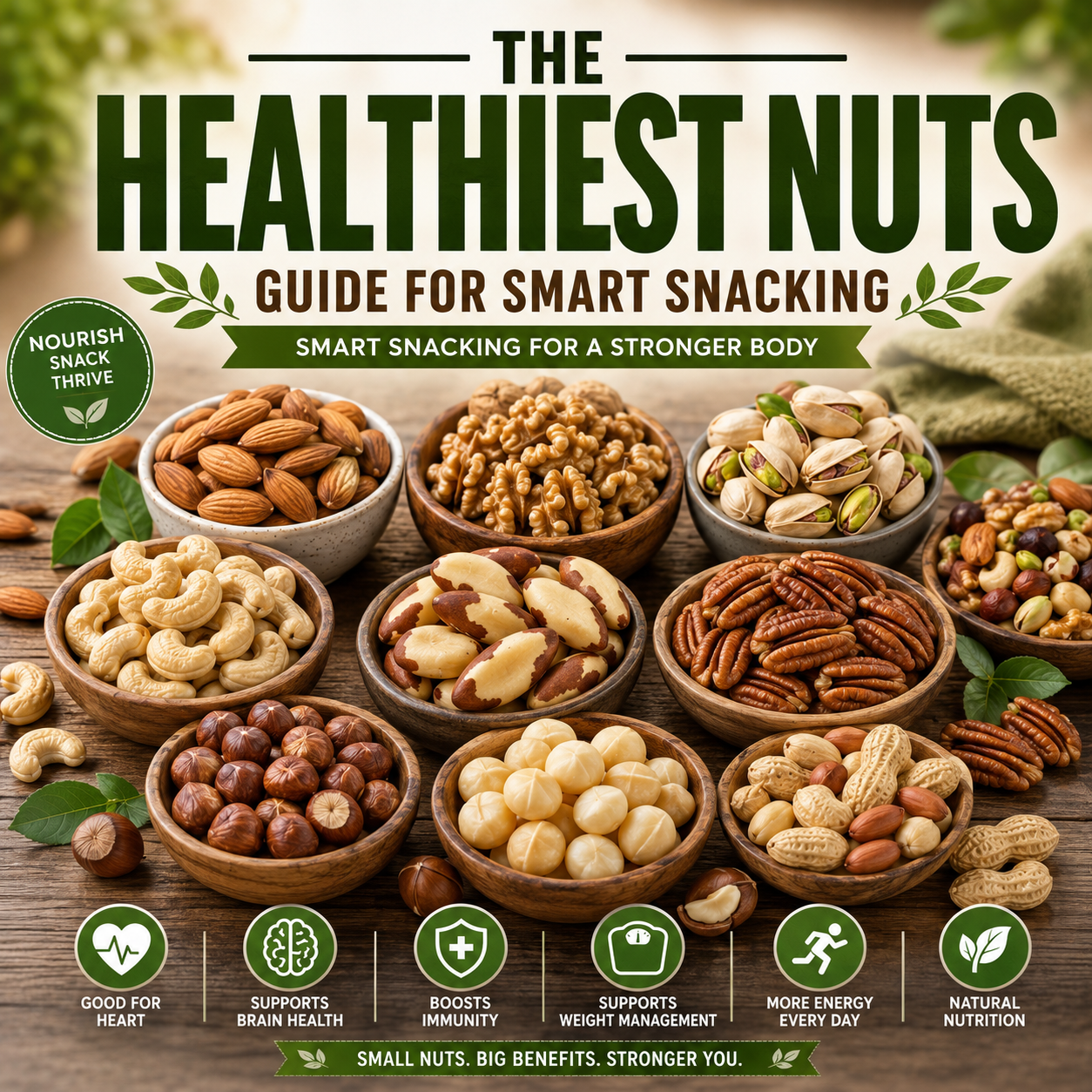
Healthiest Nuts are among the most nutrient-dense foods you can add to your daily diet. Packed with healthy fats, high-quality plant protein, dietary fiber, vitamins, minerals, antioxidants, and bioactive compounds, they offer an impressive range of health benefits in a small serving. Whether your goal is improving heart health, supporting brain function, managing weight, increasing energy, or simply finding healthier snack alternatives, choosing the right nuts can make a meaningful difference.
Despite their nutritional value, many people avoid nuts because they believe these foods are too high in calories or fat. Fortunately, scientific research consistently shows that moderate nut consumption is associated with better overall health, reduced risk of chronic diseases, improved cholesterol levels, and greater satiety. The key lies in choosing minimally processed, unsalted varieties and enjoying them in appropriate portions.
This comprehensive guide explores the healthiest nuts available, their unique nutritional profiles, evidence-based health benefits, and practical ways to include them in your daily routine. You’ll also learn which nuts are best for specific health goals, how to store them properly, and common mistakes to avoid when snacking.
What Makes a Nut Healthy?
Not all nuts provide exactly the same nutritional benefits. While nearly every edible nut contains healthy fats and important nutrients, some are especially rich in antioxidants, omega-3 fatty acids, vitamins, minerals, or protein. The healthiest nuts are those that provide a combination of beneficial unsaturated fats, fiber, plant protein, vitamins, minerals, and protective phytochemicals without excessive sodium, sugar, or artificial flavorings.
Regular consumption of nutrient-rich nuts has been linked with improved cardiovascular health, better blood sugar control, enhanced cognitive performance, reduced inflammation, healthier aging, and improved gut microbiome diversity. Choosing raw or dry-roasted nuts without added salt or sugar maximizes these benefits while minimizing unnecessary calories from processed ingredients.
Nutritional Comparison of Popular Nuts
| Nut | Protein | Fiber | Healthy Fat | Key Nutrient | Primary Benefit |
| Almonds | High | High | High | Vitamin E | Heart & skin health |
| Walnuts | Moderate | Moderate | Very High | Omega-3 | Brain & heart support |
| Pistachios | High | High | Moderate | Potassium | Weight management |
| Cashews | Moderate | Moderate | Moderate | Magnesium | Bone health |
| Pecans | Low | Moderate | Very High | Antioxidants | Heart protection |
| Brazil Nuts | Moderate | Moderate | High | Selenium | Thyroid support |
| Hazelnuts | Moderate | Moderate | High | Vitamin E | Heart health |
| Macadamias | Low | Moderate | Very High | Monounsaturated fats | Cholesterol balance |
The 12 Healthiest Nuts for a Stronger Body
1. Almonds – The Nutritional Powerhouse
Almonds consistently rank among the healthiest nuts because of their exceptional nutritional profile. They provide a rich combination of protein, dietary fiber, vitamin E, magnesium, calcium, and healthy monounsaturated fats. Just one handful delivers nutrients that support multiple body systems simultaneously.
Research suggests almonds may help lower LDL (“bad”) cholesterol, improve blood sugar control, increase feelings of fullness, and support healthy skin through their high vitamin E content. Because they are high in protein and fiber, almonds make an excellent snack for individuals aiming to manage their weight while maintaining steady energy levels throughout the day.
Key Benefits
- Rich in vitamin E
- Supports heart health
- Helps control appetite
- Good for skin health
- Supports healthy cholesterol levels
2. Walnuts – The Brain-Boosting Nut
Walnuts are unique because they are one of the richest plant sources of alpha-linolenic acid (ALA), a type of omega-3 fatty acid. These beneficial fats support brain health, reduce inflammation, and contribute to cardiovascular wellness. Their distinctive wrinkled appearance even resembles the human brain, making them an easy nut to remember for cognitive support.
Studies have shown that regular walnut consumption may improve memory, reduce inflammation, promote healthy aging, and decrease the risk of heart disease. Walnuts are also packed with antioxidants, polyphenols, copper, manganese, and magnesium, making them one of the most nutrient-rich choices available.
Key Benefits
- Excellent source of omega-3 fats
- Supports cognitive function
- Reduces inflammation
- Promotes heart health
- Rich in antioxidants
3. Pistachios – The Weight-Friendly Snack
Pistachios are one of the lowest-calorie nuts while still offering an impressive amount of protein, dietary fiber, potassium, vitamin B6, and antioxidants. Their natural shells can also encourage slower eating, helping people become more mindful of portion sizes and preventing overeating.
Research indicates pistachios may support healthy blood pressure, improve cholesterol levels, aid digestive health, and contribute to successful weight management. Their combination of protein, fiber, and healthy fats creates a satisfying snack that helps control hunger between meals.
Key Benefits
- Lower in calories
- High in protein
- Supports digestion
- Helps with weight control
- Promotes heart health
4. Brazil Nuts – Selenium Superstars
Brazil nuts stand out because they contain extraordinarily high levels of selenium, a mineral essential for thyroid function, immune support, antioxidant defense, and reproductive health. In fact, eating just one or two Brazil nuts daily is often enough to meet the recommended daily selenium intake.
Although highly nutritious, Brazil nuts should be consumed in moderation because excessive selenium intake over time may cause unwanted side effects. Enjoying one or two nuts each day provides a safe and effective way to support thyroid health and strengthen the body’s natural antioxidant systems.
Key Benefits
- Extremely rich in selenium
- Supports thyroid function
- Strengthens immunity
- Powerful antioxidant activity
- Promotes reproductive health
5. Cashews – Mineral-Rich Energy Boosters
Cashews are known for their creamy texture and impressive mineral content. They provide magnesium, copper, zinc, phosphorus, iron, and healthy fats that contribute to bone strength, nerve function, immune health, and energy production.
Unlike many processed snack foods, cashews deliver long-lasting energy through their balanced mix of protein, healthy fats, and complex carbohydrates. They are an excellent ingredient in salads, stir-fries, homemade sauces, and healthy snack mixes.
Key Benefits
- Rich in magnesium
- Supports healthy bones
- Provides sustained energy
- Promotes immune health
- Good source of plant protein
6. Pecans – Antioxidant-Rich Heart Protectors
Pecans are packed with heart-healthy monounsaturated fats and contain one of the highest antioxidant levels among commonly consumed nuts. They are also rich in manganese, copper, zinc, magnesium, and vitamin E, all of which help protect cells from oxidative stress. Their naturally buttery flavor makes them a satisfying snack or addition to both sweet and savory dishes.
Research suggests that regular pecan consumption may help lower LDL (“bad”) cholesterol, reduce inflammation, and support cardiovascular health. The antioxidants in pecans may also help combat free radicals associated with aging and chronic diseases. Although they are calorie-dense, enjoying a moderate serving can contribute to a balanced diet without promoting weight gain.
Key Benefits
- Exceptionally high in antioxidants
- Supports heart health
- Helps improve cholesterol levels
- Rich in healthy monounsaturated fats
- May reduce oxidative stress
7. Hazelnuts – A Heart and Skin Health Favorite
Hazelnuts are an excellent source of vitamin E, folate, manganese, and healthy fats. Their nutrient profile supports healthy blood vessels, glowing skin, and strong immune function. They are also rich in polyphenols, compounds known for their antioxidant and anti-inflammatory properties.
Studies indicate that eating hazelnuts regularly may improve cholesterol levels, reduce inflammation, and support cardiovascular health. Their creamy texture also makes them a popular ingredient in homemade nut butters, trail mixes, and baked goods.
Key Benefits
- High in vitamin E
- Supports healthy skin
- Promotes heart health
- Rich in antioxidants
- Helps reduce inflammation
8. Macadamia Nuts – Healthy Fats for Heart Wellness
Macadamia nuts contain one of the highest amounts of monounsaturated fats among all nuts. These healthy fats are associated with improved cholesterol levels and better cardiovascular health. Although they contain more calories than many other nuts, their nutrient density makes them a worthwhile addition when eaten in moderation.
Macadamias are also a good source of manganese, thiamine, and copper. Their rich texture makes them highly satisfying, helping reduce cravings for processed snacks and sugary foods.
Key Benefits
- Rich in heart-healthy fats
- Supports cholesterol management
- Helps maintain satiety
- Provides important minerals
- Delicious and satisfying
9. Peanuts – Protein-Packed and Budget Friendly
Although botanically classified as legumes rather than tree nuts, peanuts are nutritionally comparable and deserve a place among healthy snack options. They provide a generous amount of protein, healthy fats, niacin, folate, magnesium, and antioxidants such as resveratrol.
Regular peanut consumption has been associated with improved heart health, better blood sugar regulation, and reduced hunger between meals. Natural peanut butter made from 100% peanuts without added sugar or hydrogenated oils is another nutritious option.
Key Benefits
- High in plant protein
- Budget-friendly
- Supports muscle maintenance
- Rich in antioxidants
- Promotes satiety
10. Pine Nuts – Tiny Seeds with Big Nutrition
Pine nuts are small but incredibly nutrient-dense. They contain healthy fats, magnesium, iron, zinc, vitamin K, and antioxidants that support overall wellness. These delicate nuts are commonly used in pesto, salads, grain bowls, and Mediterranean cuisine.
Some studies suggest pine nuts may promote fullness by influencing hunger hormones, making them a useful snack for individuals working toward healthy weight management.
Key Benefits
- Rich in healthy fats
- Supports energy production
- Contains valuable antioxidants
- May improve fullness
- Excellent for Mediterranean diets
11. Chestnuts – Lower in Fat, Higher in Complex Carbohydrates
Unlike most nuts, chestnuts are relatively low in fat and calories while being higher in complex carbohydrates and vitamin C. They also provide fiber, potassium, and manganese, making them an excellent seasonal addition to a balanced diet.
Because of their unique nutritional profile, chestnuts are especially suitable for people looking for a lower-fat alternative while still enjoying the nutritional benefits of nuts.
Key Benefits
- Lower in calories
- High in fiber
- Contains vitamin C
- Supports digestive health
- Provides lasting energy
12. Mixed Nuts – A Balanced Nutritional Choice
Choosing a mix of different nuts offers the advantage of combining multiple nutrients in one serving. Each variety contributes unique vitamins, minerals, antioxidants, and healthy fats, creating a more complete nutritional profile than relying on a single type of nut.
Look for unsalted, dry-roasted, or raw mixed nuts without added sugars or artificial flavorings. Mixing almonds, walnuts, pistachios, pecans, hazelnuts, and cashews creates an excellent everyday snack that supports overall health.
Key Benefits
- Broad range of nutrients
- Diverse antioxidants
- Excellent source of healthy fats
- Supports overall wellness
- Convenient everyday snack
Which Nuts Are Best for Specific Health Goals?
Different nuts excel in different areas of health. Selecting the right variety based on your goals can help you maximize their nutritional benefits while keeping your snacks enjoyable and varied.
| Health Goal | Best Nuts |
| Heart Health | Walnuts, Almonds, Pecans, Macadamias |
| Brain Health | Walnuts |
| Weight Management | Pistachios, Almonds |
| Muscle Building | Peanuts, Almonds, Pistachios |
| Thyroid Support | Brazil Nuts |
| Healthy Skin | Almonds, Hazelnuts |
| Bone Health | Cashews, Almonds |
| Energy Boost | Cashews, Peanuts, Pistachios |
How Many Nuts Should You Eat Daily?
Although nuts are highly nutritious, portion control is essential because they are calorie-dense. Most nutrition experts recommend eating about 28–30 grams (approximately one handful) of unsalted nuts per day. This amount provides beneficial nutrients without contributing excessive calories.
For Brazil nuts, moderation is especially important due to their high selenium content. One to two Brazil nuts daily are generally sufficient to meet selenium requirements, and consuming significantly more on a regular basis is not recommended.
A practical way to include nuts in your routine is to replace processed snacks such as chips, cookies, or candy with a handful of mixed nuts. Pairing nuts with fresh fruit, yogurt, or whole-grain foods can also create balanced snacks that provide protein, fiber, healthy fats, and sustained energy.
Smart Snacking Tips for Maximum Health Benefits
Choosing healthy nuts is only part of the equation. How you eat, store, and prepare them also influences their nutritional value. Smart snacking helps you enjoy the benefits of nuts while avoiding excess calories, sodium, and added sugars. Replacing ultra-processed snacks with nutrient-dense nuts can improve your overall diet quality and support long-term health.
1. Choose Raw or Dry-Roasted Nuts
Raw and dry-roasted nuts retain most of their natural nutrients without unnecessary oils. Avoid nuts that are deep-fried or heavily coated with sugar, chocolate, caramel, or artificial flavorings, as these additions can significantly increase calories and reduce their health benefits.
2. Watch Your Portions
Nuts are calorie-dense because they contain healthy fats. A serving of about 28–30 grams (one handful) is enough to provide protein, fiber, vitamins, and minerals while helping control hunger. Measuring portions instead of eating directly from large containers can prevent overeating.
3. Avoid Excess Salt
Many packaged nuts contain high amounts of sodium, which may contribute to elevated blood pressure when consumed frequently. Choose unsalted or lightly salted varieties whenever possible to protect heart health.
4. Pair Nuts with Other Healthy Foods
Combining nuts with nutritious foods creates balanced snacks that provide lasting energy. Great combinations include:
- Almonds with apples
- Walnuts with oatmeal
- Pistachios with Greek yogurt
- Cashews with fresh fruit
- Mixed nuts with whole-grain crackers
These pairings supply protein, healthy fats, fiber, and complex carbohydrates for better satiety.
5. Store Nuts Properly
The healthy fats in nuts can become rancid when exposed to heat, air, and light. Store nuts in airtight containers in a cool, dry place. For longer shelf life, refrigerate or freeze them to preserve freshness and flavor.
Common Mistakes to Avoid When Eating Nuts
Even healthy foods can lose their benefits if consumed incorrectly. Being aware of common mistakes helps you get the most from your daily nut intake.
Eating Flavored Nuts Regularly
Honey-roasted, chocolate-coated, and heavily seasoned nuts often contain added sugars, refined oils, and excess sodium. Reserve these as occasional treats rather than everyday snacks.
Ignoring Portion Sizes
Healthy fats are beneficial, but calories still count. Eating several large handfuls throughout the day may contribute to excess calorie intake.
Replacing Meals with Nuts
Nuts are nutritious snacks but should not replace balanced meals. They work best alongside fruits, vegetables, whole grains, lean proteins, and healthy dairy or plant-based alternatives.
Choosing Processed Nut Butters
Some commercial nut butters contain added sugar, palm oil, and hydrogenated fats. Look for products made with 100% nuts and minimal added ingredients.
Assuming All Nut Products Are Healthy
Granola bars, snack mixes, and trail mixes that contain nuts may also include candy, refined grains, or sweeteners. Read nutrition labels carefully before purchasing.
Frequently Asked Questions (FAQs)
Are nuts good for weight loss?
Yes. Although nuts are calorie-dense, they are rich in protein, fiber, and healthy fats that help increase fullness and reduce hunger. Eating moderate portions may support healthy weight management when part of a balanced diet.
Which nut is the healthiest overall?
There is no single “best” nut. Almonds, walnuts, pistachios, Brazil nuts, and pecans each offer unique health benefits. Eating a variety provides the widest range of nutrients.
Can I eat nuts every day?
Yes. Most healthy adults can safely enjoy one handful (28–30 grams) of unsalted nuts daily as part of a nutritious eating pattern.
Are roasted nuts healthy?
Dry-roasted nuts are generally a healthy option. Avoid nuts that are fried in oil or coated with sugar, salt, or artificial flavorings.
Which nuts are highest in protein?
Peanuts, almonds, and pistachios are among the highest-protein nuts, making them excellent choices for active individuals and those following plant-based diets.
Are nuts safe for people with diabetes?
Yes. Unsalted nuts have a low glycemic impact and may help improve blood sugar control when eaten in appropriate portions. Individuals with diabetes should consult their healthcare provider or dietitian for personalized advice.
Key Takeaways
- Nuts are among the most nutrient-dense snack foods available.
- Almonds, walnuts, pistachios, Brazil nuts, pecans, and hazelnuts each provide unique health benefits.
- A daily serving of about 28–30 grams is suitable for most adults.
- Choose raw or dry-roasted, unsalted nuts whenever possible.
- Avoid sugar-coated and heavily processed nut products.
- Eating a variety of nuts provides a broader range of vitamins, minerals, healthy fats, and antioxidants.
- Pair nuts with fruits, vegetables, or yogurt for balanced, satisfying snacks.
Conclusion
Nuts are a simple yet powerful addition to a healthy lifestyle. Whether your goal is improving heart health, supporting brain function, maintaining a healthy weight, or simply replacing processed snacks with more nutritious options, incorporating a variety of nuts into your daily routine can deliver lasting benefits.
Rather than focusing on just one “super nut,” aim for diversity. Almonds, walnuts, pistachios, pecans, Brazil nuts, hazelnuts, cashews, and other varieties each contribute unique nutrients that work together to support overall wellness. By choosing minimally processed nuts, practicing portion control, and pairing them with other wholesome foods, you can enjoy delicious snacks that nourish your body every day.
Read Our Latest Blog:I Started Eating an Apple Every Day: Here’s What Happened