
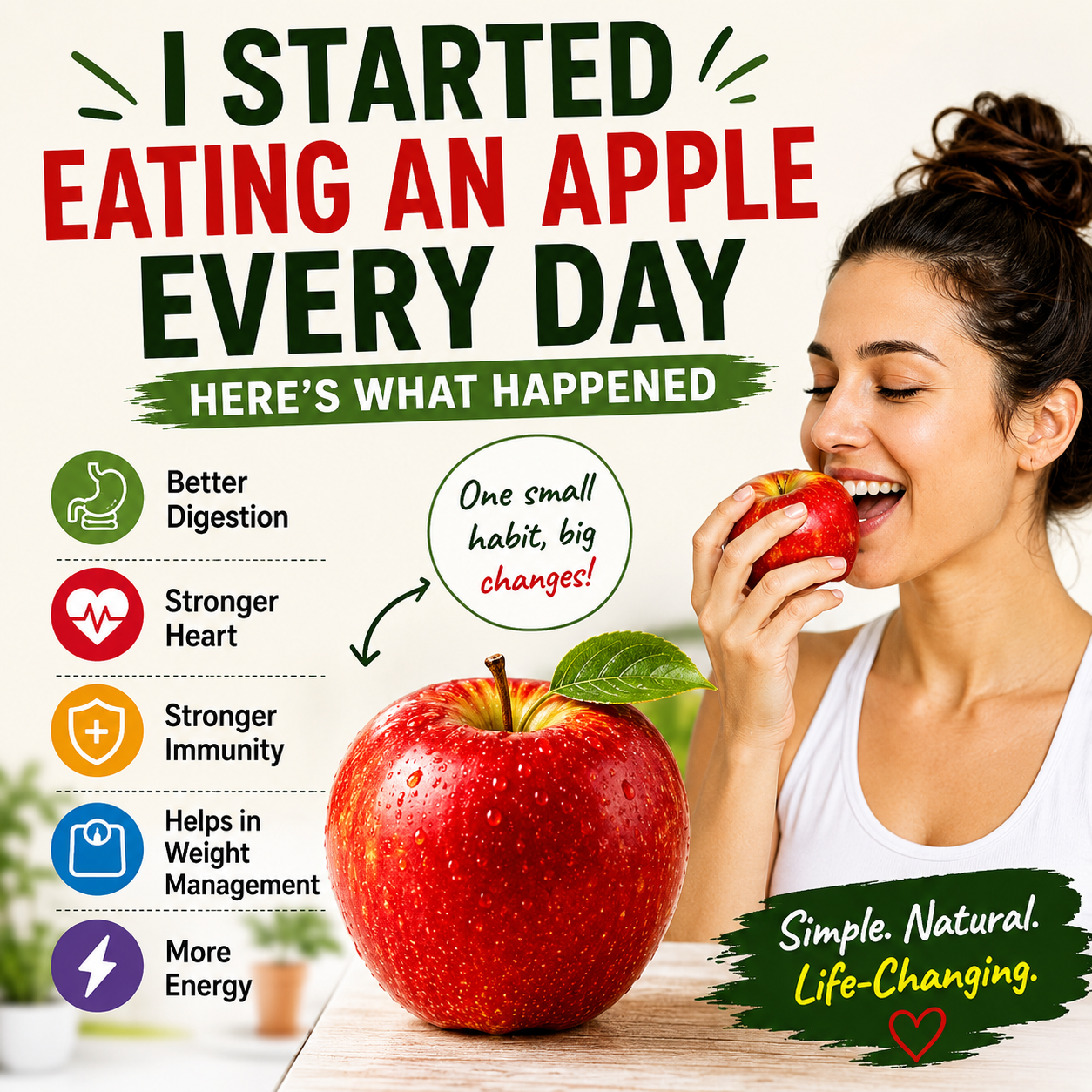
“I started eating an apple every day” sounds like a simple personal experiment, but the results can be surprisingly meaningful. Apples have long been associated with good health, earning the famous saying, “An apple a day keeps the doctor away.” While that phrase is more of a proverb than a scientific guarantee, modern research shows that apples are packed with nutrients, antioxidants, fiber, and plant compounds that support overall wellness.
Like many people, I wanted to make one small dietary change instead of completely overhauling my eating habits. Rather than following a restrictive diet or taking expensive supplements, I chose one affordable fruit that is available almost everywhere. After several weeks of consistently eating one apple each day, I began noticing subtle but positive changes in my digestion, energy levels, appetite, and overall well-being.
Of course, eating an apple alone isn’t a miracle cure. A healthy lifestyle still depends on balanced nutrition, regular exercise, adequate sleep, and stress management. However, adding one apple to a nutritious daily routine can contribute to better health in several ways.
In this article, we’ll explore exactly what happened to my body after eating an apple every day, explain the science behind these changes, discuss who benefits the most from this habit, and share practical tips for making apples part of your healthy lifestyle.
Why I Decided to Eat an Apple Every Day
Sometimes the smallest habits create the biggest long-term results. I wasn’t looking for a dramatic transformation or a quick fix. Instead, I wanted to find one healthy habit that was simple enough to maintain every single day. Apples stood out because they are inexpensive, widely available, easy to carry, and naturally rich in essential nutrients.
I had also read that apples contain dietary fiber, particularly pectin, which supports digestive health and promotes feelings of fullness. They also provide vitamin C and beneficial plant compounds known as polyphenols, which help protect the body from oxidative stress. Rather than relying on health claims alone, I wanted to experience the effects for myself.
Within the first few weeks, I noticed changes that encouraged me to continue the habit. While some improvements were subtle, together they made me feel healthier and more mindful of my overall diet.
What Makes Apples So Healthy?
Before discussing the changes I experienced, it’s important to understand why apples are considered one of the healthiest fruits available. Despite being low in calories, apples provide a combination of nutrients and bioactive compounds that support multiple body systems.
A medium-sized apple contains approximately 95 calories, around 4 grams of dietary fiber, vitamin C, potassium, and a variety of antioxidants. Much of the fiber and many beneficial compounds are concentrated in the peel, which is why eating apples with the skin on is generally recommended after washing them thoroughly.
The combination of soluble fiber, water, and natural fruit sugars helps provide steady energy while supporting digestive health. Apples also contain flavonoids such as quercetin, catechin, and chlorogenic acid, which have been studied for their potential role in supporting heart health and reducing inflammation.
Nutritional Profile of One Medium Apple
| Nutrient | Approximate Amount | Health Benefit |
| Calories | 95 | Low-calorie snack |
| Fiber | 4 grams | Supports digestion |
| Vitamin C | 14% Daily Value | Supports immunity |
| Potassium | 195 mg | Helps regulate blood pressure |
| Water | 86% | Supports hydration |
| Polyphenols | Naturally occurring | Antioxidant protection |
Week 1: My Digestion Started Improving
The first noticeable change was better digestion. Before starting this experiment, I occasionally experienced bloating after meals, especially when my diet lacked enough fruits and vegetables. Within the first week of eating one apple each day, my digestive system felt more regular.
This improvement is likely due to the soluble fiber called pectin, which acts as a prebiotic. Prebiotics feed the beneficial bacteria living in the gut, helping maintain a healthier digestive environment. A healthier gut microbiome is associated with improved digestion, better nutrient absorption, and stronger immune function.
I also found that eating an apple as a mid-morning snack reduced my tendency to reach for processed snacks. Because apples contain both fiber and water, they helped me stay satisfied until lunchtime.
How Apples Support Gut Health
Gut health influences far more than digestion. Scientists now understand that the gut microbiome plays an important role in immunity, metabolism, and even mental well-being. Feeding beneficial gut bacteria with fiber-rich foods can contribute to a healthier digestive system over time.
The pectin found in apples ferments in the large intestine, producing short-chain fatty acids that nourish the cells lining the colon. This process supports digestive health while encouraging the growth of beneficial bacteria. Regular consumption of fiber-rich fruits like apples may also help reduce occasional constipation and improve bowel regularity.
Although everyone’s digestive system responds differently, many people who increase their daily fiber intake notice similar improvements after gradually incorporating apples and other whole fruits into their diets.
Week 2: I Felt More Energized Throughout the Day
By the second week of eating an apple every day, I began noticing a steady improvement in my energy levels. This wasn’t the dramatic boost you might get from a cup of coffee, but rather a more consistent feeling of alertness throughout the day. I experienced fewer mid-afternoon energy crashes and found it easier to stay focused between meals.
One reason for this may be the combination of natural fruit sugars, fiber, and water found in apples. Unlike sugary snacks that can cause rapid spikes and drops in blood sugar, apples release energy more gradually because their fiber slows the digestion of carbohydrates. This steady release helps provide sustained fuel for the body and brain.
Another benefit was that replacing processed snacks with an apple reduced my intake of refined sugar and unhealthy fats. Over time, making healthier snack choices can contribute to more stable energy levels and improved overall nutrition.
Why Apples Help Maintain Stable Blood Sugar
Many people assume that all fruits cause blood sugar spikes because they contain natural sugar. However, whole apples behave differently from sugary drinks or processed sweets because they contain fiber, which slows the absorption of glucose into the bloodstream.
The soluble fiber in apples forms a gel-like substance during digestion, helping regulate how quickly carbohydrates are absorbed. This slower digestion may help reduce sudden increases in blood sugar after eating, making apples a satisfying snack for many people when consumed as part of a balanced diet.
Although individuals with diabetes should follow personalized dietary advice from their healthcare provider, research generally suggests that whole fruits like apples can be included in a healthy eating pattern. Pairing an apple with a source of protein, such as unsalted nuts or plain yogurt, may provide even greater blood sugar stability and longer-lasting fullness.
Week 3: My Cravings Became Easier to Control
One of the most unexpected benefits appeared during the third week. I realized I was craving fewer sugary snacks, especially in the evening. Instead of reaching for cookies or chips, I often felt satisfied after eating an apple or incorporating it into a balanced snack.
Fiber plays a major role in appetite regulation. Because apples are rich in soluble fiber and have a high water content, they increase feelings of fullness without adding many calories. Chewing a whole apple also takes longer than eating many processed snacks, giving the brain more time to recognize fullness signals.
This change didn’t eliminate cravings completely, but it made healthier choices feel easier. Over time, consistently replacing ultra-processed snacks with nutrient-dense foods can support better eating habits and reduce overall calorie intake.
Can Eating an Apple Every Day Help With Weight Management?
While no single food causes weight loss, apples can be a valuable addition to a weight-management plan. Their combination of fiber, water, and relatively low calorie content makes them filling without contributing excessive calories.
Eating an apple before a meal may help some people feel fuller, potentially leading to smaller portion sizes during the meal. Because apples satisfy hunger while providing vitamins, minerals, and antioxidants, they are often a healthier alternative to high-calorie snack foods.
However, successful weight management still depends on overall calorie balance, physical activity, sleep quality, and consistent healthy habits. Apples work best as part of a balanced diet rather than as a standalone solution.
How Apples May Support Healthy Weight Goals
- Naturally low in calories
- High in dietary fiber
- Rich in water for added fullness
- Helps reduce unhealthy snacking
- Satisfies sweet cravings naturally
- Easy to include in everyday meals
Week 4: My Heart Health Received an Extra Boost
After about a month, I appreciated another reason to keep eating apples every day: they contain nutrients associated with heart health. While I couldn’t directly measure changes in my cardiovascular system, learning about the science behind apples gave me confidence that this habit supports long-term wellness.
Apples contain soluble fiber, particularly pectin, which has been shown to help lower LDL (“bad”) cholesterol by reducing its absorption in the digestive tract. They also provide potassium, an essential mineral that supports healthy blood pressure by helping balance sodium levels in the body.
Additionally, apples are rich in polyphenols—natural plant compounds with antioxidant properties. These compounds may help reduce oxidative stress and inflammation, both of which are linked to cardiovascular disease. Although apples alone cannot prevent heart disease, regularly eating fruits as part of a heart-healthy diet is widely recommended.
Powerful Antioxidants Found in Apples
One reason apples are considered a nutritional powerhouse is their impressive antioxidant profile. Antioxidants help protect the body’s cells from damage caused by unstable molecules known as free radicals. Over time, excessive oxidative stress may contribute to aging and the development of chronic diseases.
Some of the most studied antioxidants in apples include:
| Antioxidant | Potential Benefit |
| Quercetin | Supports heart and brain health |
| Catechin | Helps combat oxidative stress |
| Chlorogenic Acid | May assist blood sugar regulation |
| Phloridzin | Supports healthy glucose metabolism |
| Vitamin C | Strengthens the immune system |
These compounds are especially concentrated in the apple peel, making it beneficial to eat apples unpeeled after washing them thoroughly.
My Immune System Felt More Supported
Although I can’t say an apple prevented every cold, I did feel generally healthier during the weeks I consistently included one in my diet. Apples contribute vitamin C, antioxidants, and phytonutrients that support the immune system’s normal function.
Vitamin C helps white blood cells perform effectively, while antioxidants protect immune cells from oxidative damage. Apples also contribute to gut health through their fiber content, and because a large portion of the immune system is closely connected to the gut, maintaining a healthy digestive system may indirectly support immune health.
Of course, immunity depends on many factors, including adequate sleep, hydration, physical activity, and a balanced diet. Eating an apple every day is one small but valuable habit that complements these other healthy lifestyle practices.
Unexpected Benefits I Didn’t Expect
Some improvements were subtle enough that I only recognized them after several weeks. While these changes may vary from person to person, they made the habit feel worthwhile.
Benefits I personally noticed included:
- Feeling full for longer between meals
- Reduced cravings for sugary snacks
- Better digestive regularity
- More consistent daily energy
- Greater awareness of healthier food choices
- Increased fruit intake without extra effort
- Improved hydration due to the apple’s high water content
Interestingly, eating one healthy food each day often encouraged other positive habits. I became more likely to drink water, prepare balanced meals, and choose nutritious snacks. Sometimes one small change creates a ripple effect that improves overall lifestyle habits.
Are There Any Downsides to Eating an Apple Every Day?
For most healthy people, eating one apple every day is considered safe and beneficial. However, there are a few considerations to keep in mind.
Some individuals with digestive conditions such as irritable bowel syndrome (IBS) may find that large amounts of apples cause bloating because they contain naturally occurring sugars known as FODMAPs. Others may need to moderate portion sizes if following specific medical nutrition plans.
It’s also important to remember that fruit juice does not provide the same benefits as a whole apple. Juicing removes much of the beneficial fiber while concentrating the natural sugars. Whenever possible, choose whole, fresh apples rather than sweetened apple products or juices.
Finally, because apples contain natural acids, frequent snacking without proper oral hygiene may contribute to tooth enamel wear over time. Rinsing your mouth with water and brushing our teeth later can help protect dental health.
What Is the Best Time to Eat an Apple Every Day?
There is no single “perfect” time to eat an apple, as its benefits can be enjoyed throughout the day. The best time depends on your health goals, daily routine, and eating habits. Since apples are rich in fiber, water, vitamins, and natural carbohydrates, they make an excellent snack or addition to meals.
Many people enjoy eating an apple in the morning because it provides natural energy after an overnight fast. Others prefer having one before lunch or dinner to increase fullness and potentially reduce overeating. Apples also work well as an afternoon snack when energy levels begin to dip.
Instead of focusing only on timing, consistency is more important. Eating one apple regularly as part of a balanced diet is likely to provide greater long-term benefits than worrying about the exact hour you consume it.
Best Times to Eat an Apple
| Time | Benefits |
| Morning | Natural energy and fiber to start the day |
| Mid-Morning Snack | Helps reduce hunger until lunch |
| Before Lunch | May increase fullness and reduce overeating |
| Afternoon | Healthy replacement for sugary snacks |
| After Exercise | Helps replenish carbohydrates alongside protein |
Which Type of Apple Is the Healthiest?
One question I often asked myself during this experiment was whether certain apple varieties are healthier than others. While different apples vary slightly in taste, texture, and antioxidant content, they all provide valuable nutrients.
Red apples such as Red Delicious are generally rich in antioxidants, while Granny Smith apples contain slightly less natural sugar and are often favored by people watching their carbohydrate intake. Fuji and Gala apples are naturally sweeter and make excellent healthy snacks for those trying to replace desserts.
Rather than focusing too much on the variety, the most important goal is eating apples regularly. Choosing a type you genuinely enjoy makes it much easier to build a long-lasting healthy habit.
Popular Apple Varieties Compared
| Apple Variety | Taste | Best For |
| Gala | Sweet | Everyday snacking |
| Fuji | Very Sweet | Healthy dessert substitute |
| Granny Smith | Tart | Salads and lower-sugar option |
| Honeycrisp | Crisp & Juicy | Fresh eating |
| Red Delicious | Mild & Sweet | Antioxidant-rich snack |
| Pink Lady | Sweet-Tart | Balanced flavor |
Tips for Making Apples Part of Your Daily Routine
Healthy habits are easier to maintain when they fit naturally into your lifestyle. During my experiment, I discovered several simple ways to ensure I ate an apple every day without feeling like it was a chore.
Keeping apples visible on the kitchen counter reminded me to reach for one instead of processed snacks. I also carried an apple in my bag whenever I knew I would be away from home for several hours. Pairing an apple with protein-rich foods like Greek yogurt, peanut butter (in moderation), or a handful of unsalted nuts made it an even more satisfying snack.
You can also add sliced apples to oatmeal, salads, smoothies, or whole-grain sandwiches for extra flavor, crunch, and nutrition. Washing several apples at once and storing them in the refrigerator can save time during busy weekdays.
Easy Ways to Eat More Apples
- Eat one with breakfast.
- Pack one for work or school.
- Add slices to oatmeal.
- Mix diced apples into salads.
- Pair with plain Greek yogurt.
- Enjoy with a handful of nuts.
- Blend into a smoothie.
- Bake with cinnamon for a healthy dessert.
Common Myths About Eating Apples Every Day
There are many misconceptions about apples, especially on social media. Separating fact from fiction helps you make informed dietary choices.
Myth 1: Apples Contain Too Much Sugar
Although apples contain natural sugars, they also provide fiber, which slows sugar absorption. Whole apples are very different from sugary drinks or candy.
Myth 2: Apple Juice Is Just as Healthy
Whole apples are generally healthier because they retain their fiber. Most juices contain significantly less fiber and may have concentrated sugars.
Myth 3: Apples Alone Cause Weight Loss
No single food can guarantee weight loss. Apples can support weight management by increasing fullness, but they should be part of an overall healthy lifestyle.
Myth 4: You Should Peel Apples
The peel contains a large amount of the apple’s fiber and antioxidants. Wash apples thoroughly and eat the skin unless advised otherwise by a healthcare professional.
Frequently Asked Questions (FAQs)
1. Is it healthy to eat an apple every day?
Yes. For most people, eating one apple daily is a healthy habit. Apples provide fiber, vitamin C, antioxidants, and beneficial plant compounds that support overall health.
2. Can eating apples help with weight loss?
Apples can support weight management because they are filling, low in calories, and high in fiber. However, successful weight loss depends on your overall diet and lifestyle
3. Should I eat apples with the skin on?
Yes. The skin contains much of the fiber and many antioxidants. Wash apples thoroughly before eating.
4. Are green apples healthier than red apples?
Both are nutritious. Green apples are slightly lower in natural sugar, while many red varieties contain higher levels of certain antioxidants.
5. Can diabetics eat apples?
Many people with diabetes can include apples in a balanced diet because of their fiber content. Individual needs vary, so it’s best to follow advice from a healthcare provider or registered dietitian.
6. Is eating apples at night bad?
No. There is no strong scientific evidence that eating apples at night is harmful. The best time to eat an apple is whenever it fits your healthy eating routine.
7. How many apples should I eat per day?
For most healthy adults, one medium apple per day is a reasonable and nutritious choice as part of a varied diet.
Key Takeaways
- Eating one apple every day is an easy, affordable way to increase fruit intake.
- Apples are rich in fiber, vitamin C, water, and antioxidants.
- Daily apple consumption may support digestive health and gut bacteria.
- Apples can help control hunger and reduce unhealthy snacking.
- Soluble fiber may contribute to healthy cholesterol levels.
- Apples provide steady energy without the rapid sugar spikes associated with many processed snacks.
- Eating the peel maximizes fiber and antioxidant intake.
- Apples work best as part of a balanced, nutrient-rich lifestyle.
Conclusion
After several weeks of eating an apple every day, I realized that meaningful health improvements often come from small, consistent habits rather than extreme diets or expensive supplements. While I didn’t experience a dramatic overnight transformation, I noticed better digestion, fewer cravings, steadier energy, and a greater appreciation for whole, nutrient-dense foods.
Science supports many of these observations. Apples provide dietary fiber, antioxidants, vitamins, and beneficial plant compounds that contribute to digestive health, cardiovascular wellness, immune support, and overall nutrition. They are portable, affordable, naturally sweet, and suitable for people of almost all ages.
It’s important to remember that no single food can prevent disease or replace a balanced lifestyle. The greatest benefits come when apples are combined with a diet rich in vegetables, whole grains, lean proteins, healthy fats, regular physical activity, quality sleep, and stress management.
If you’re looking for one simple change that is easy to maintain, adding an apple to your daily routine is a smart place to start. Small habits practiced consistently often produce the biggest long-term health rewards.
Read Our Latest Blog:DIY Coffee Body Scrub: The Secret to Silky Smooth, Glowing Skin at Home