Introduction
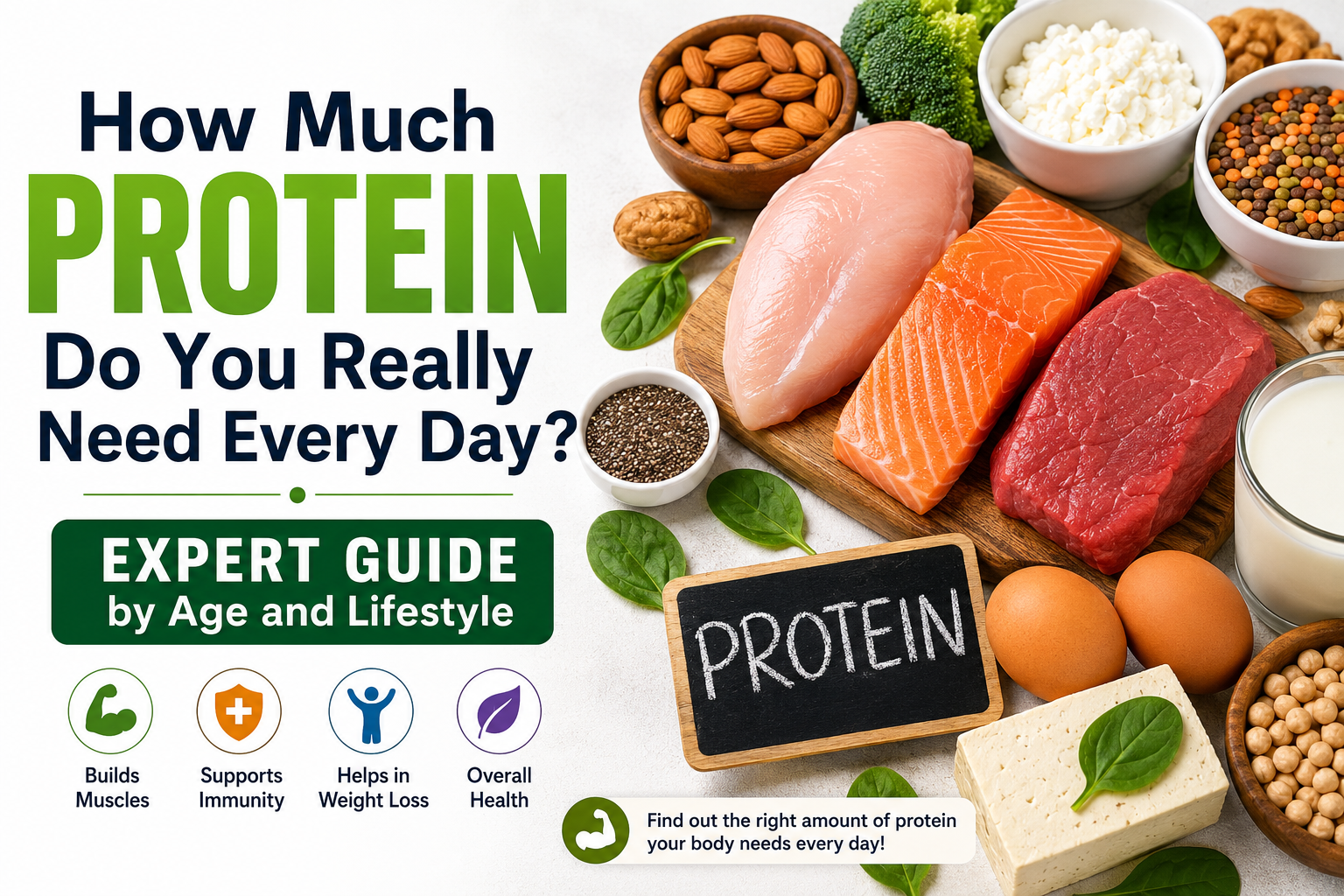
Protein is one of the most talked-about nutrients in modern nutrition, yet it is also one of the most misunderstood. From athletes and gym enthusiasts to busy professionals and older adults, everyone seems to ask the same question: How much protein do you need every day? While social media often promotes high-protein diets and supplements, the truth is that protein requirements vary based on several factors, including age, body weight, activity level, health goals, and overall lifestyle.
Protein plays a vital role in almost every function of the body. It helps build and repair muscles, supports the immune system, produces enzymes and hormones, maintains healthy skin and hair, and contributes to overall growth and recovery. However, consuming too little protein can lead to muscle loss, fatigue, and poor recovery, while consuming excessive amounts may not provide additional benefits for everyone.
In this comprehensive guide, you’ll learn the science behind daily protein intake, understand how protein requirements change throughout life, discover the best protein-rich foods, and find practical tips for meeting your daily needs. Whether you’re trying to build muscle, lose weight, maintain a healthy lifestyle, or support healthy aging, this article will help you make informed nutrition decisions based on evidence rather than myths.
What Is Protein and Why Does Your Body Need It?
Protein is one of the three essential macronutrients, along with carbohydrates and fats. It is made up of smaller building blocks called amino acids, which are necessary for growth, repair, and maintenance of body tissues. Some amino acids are produced naturally by the body, while others—known as essential amino acids—must come from food.
Unlike carbohydrates, which primarily provide energy, or fats, which store energy and support hormone production, protein performs a wide range of structural and functional roles. Every cell in your body contains protein, making it an essential part of daily nutrition.
Why Protein Is Important
Protein supports numerous vital functions, including:
- Building and repairing muscles
- Supporting healthy bones
- Producing enzymes and hormones
- Maintaining healthy skin, hair, and nails
- Strengthening the immune system
- Promoting tissue repair after illness or exercise
- Supporting healthy metabolism
- Helping maintain muscle mass during aging
Without sufficient protein, the body cannot function efficiently, making adequate intake essential for people of all ages.
How Much Protein Do You Need Every Day?
The short answer is that protein needs vary from person to person. There is no single amount that works for everyone because requirements depend on body weight, age, physical activity, muscle mass, and health goals.
For most healthy adults, nutrition experts recommend meeting at least the Recommended Dietary Allowance (RDA) for protein. However, individuals who exercise regularly, perform strength training, or are recovering from illness may benefit from higher protein intake.
Instead of focusing on popular trends, the best approach is to determine your protein needs based on your personal circumstances rather than following someone else’s diet.
Several factors influence daily protein intake, including:
- Age
- Body weight
- Physical activity level
- Fitness goals
- Pregnancy and breastfeeding
- Medical conditions
- Recovery from injury or surgery
Understanding these factors helps you build a balanced eating plan that supports long-term health.
Understanding the Recommended Dietary Allowance (RDA)
The Recommended Dietary Allowance (RDA) is the minimum amount of protein considered sufficient to meet the nutritional needs of most healthy adults. It is designed to prevent deficiency rather than maximize athletic performance or muscle growth.
For healthy adults, the general recommendation is:
0.8 grams of protein per kilogram of body weight per day.
Example Calculations
| Body Weight | Minimum Daily Protein (Approx.) |
| 50 kg | 40 g |
| 60 kg | 48 g |
| 70 kg | 56 g |
| 80 kg | 64 g |
| 90 kg | 72 g |
These values represent baseline recommendations. Individuals with higher activity levels or specific health goals often require more protein than the minimum RDA.
Factors That Affect Your Protein Requirements
Although body weight provides a starting point, protein needs are influenced by several lifestyle and health factors.
1. Age
Protein needs change throughout life. Children require protein for growth, while older adults often need relatively higher protein intake to help preserve muscle mass and support healthy aging.
As people age, the body becomes less efficient at using dietary protein for muscle maintenance. This is one reason why healthcare professionals often encourage older adults to include high-quality protein in every meal.
2. Physical Activity Level
Someone with a sedentary lifestyle has different protein needs than an athlete or someone who performs regular resistance training.
People who engage in:
- Strength training
- Running
- Cycling
- Swimming
- High-intensity workouts
generally require more protein to support muscle repair and recovery.
3. Weight Management Goals
Protein can be particularly helpful during weight loss because it promotes fullness and helps preserve lean muscle while reducing calorie intake.
A diet containing adequate protein may help:
- Reduce hunger
- Increase satiety
- Maintain muscle during weight loss
- Support healthy metabolism
However, protein alone is not a weight-loss solution. A balanced diet and regular physical activity remain essential.
4. Pregnancy and Breastfeeding
Protein requirements increase during pregnancy and breastfeeding because the body supports the growth and development of the baby while also maintaining maternal health.
Expectant and breastfeeding mothers should follow individualized nutrition advice provided by qualified healthcare professionals to ensure adequate nutrient intake.
5. Recovery From Illness or Injury
Following surgery, illness, or injury, the body often requires additional protein to repair damaged tissues and support recovery.
Healthcare providers may recommend increased protein intake for individuals recovering from:
- Major surgery
- Bone fractures
- Burns
- Serious infections
- Certain chronic medical conditions
Protein needs during recovery vary depending on the individual’s health status and should be discussed with a healthcare professional.
Why Protein Is Important for Muscle Growth
Protein is widely recognized for its role in building and maintaining muscle. During exercise—especially resistance or strength training—muscle fibers experience microscopic damage. Dietary protein provides the amino acids needed to repair these fibers, allowing muscles to recover and adapt over time.
This is why protein for muscle growth is such an important topic for athletes and gym-goers. However, muscle development depends on more than protein alone. Effective training, adequate calorie intake, sufficient sleep, and proper recovery all play essential roles.
Benefits of Adequate Protein for Muscle Health
Getting enough protein may help:
- Support muscle repair after exercise
- Maintain lean body mass
- Improve recovery between workouts
- Reduce age-related muscle loss
- Enhance strength-training results
While protein is essential, eating excessive amounts does not automatically lead to greater muscle growth. Balance and consistency remain the key to long-term fitness success.
Recommended Daily Protein Intake by Age
Protein needs change throughout different stages of life because the body’s growth, repair, and maintenance requirements evolve over time. While the Recommended Dietary Allowance (RDA) provides a minimum guideline, many experts believe that older adults, physically active individuals, and athletes may benefit from higher protein intake to support muscle health and overall well-being.
Instead of following one universal recommendation, it’s more practical to consider age, activity level, and health goals when planning your daily protein intake.
Protein Intake by Age
The table below provides general guidance for healthy individuals. Individual needs may vary depending on medical conditions, pregnancy, or athletic training.
| Age Group | General Protein Recommendation |
| Children | Higher protein needs to support growth and development (based on age and body weight) |
| Teenagers | Increased protein to support rapid growth and physical development |
| Healthy Adults | At least 0.8 g per kg of body weight per day |
| Adults Over 40 | Focus on adequate protein to support muscle maintenance |
| Adults Over 60 | Often benefit from spreading higher-quality protein evenly across meals to support healthy aging |
| Athletes & Active Individuals | May require more protein than sedentary adults depending on training intensity |
Rather than consuming most of your protein in one meal, experts generally recommend distributing protein intake throughout the day for better muscle protein synthesis.
How Protein Requirements Change Based on Lifestyle
Your daily routine has a major impact on protein requirements. Someone who spends most of the day sitting at a desk has different nutritional needs than someone who exercises regularly or performs physically demanding work.
Understanding how lifestyle affects protein intake helps you avoid both under-consuming and over-consuming this important nutrient.
Sedentary Adults
If your daily activity consists mostly of desk work, driving, or sitting for long periods, your protein needs are generally closer to the basic RDA.
However, adequate protein remains important because it supports:
- Muscle maintenance
- Healthy metabolism
- Immune function
- Tissue repair
Even if you don’t exercise regularly, including protein in each meal contributes to a balanced diet.
People Trying to Lose Weight
Protein plays an important role during weight loss because it helps preserve lean muscle while reducing body fat.
Higher-protein meals may help:
- Increase feelings of fullness
- Reduce unnecessary snacking
- Support healthy metabolism
- Maintain muscle during calorie restriction
For people following a calorie-controlled eating plan, choosing lean protein-rich foods instead of highly processed snacks can improve both nutrition and satiety.
Gym-Goers and Strength Trainers
People who regularly lift weights or perform resistance training generally require more protein than inactive adults.
Strength training creates small amounts of muscle damage that stimulate growth during recovery. Dietary protein provides the amino acids necessary for this repair process.
Good protein choices include:
- Chicken breast
- Fish
- Eggs
- Greek yogurt
- Cottage cheese
- Lentils
- Beans
- Tofu
Meeting daily protein needs consistently is usually more important than focusing on one specific “anabolic window” after exercise.
Older Adults
Maintaining muscle becomes increasingly challenging with age due to natural changes in muscle protein synthesis. Adequate protein intake, combined with regular resistance exercise, helps preserve strength and independence.
Older adults should aim to include high-quality protein with breakfast, lunch, and dinner rather than consuming most of it in one meal.
This approach may support:
- Muscle maintenance
- Bone health
- Better mobility
- Healthy aging
- Reduced risk of falls
Best Protein-Rich Foods
One of the easiest ways to meet your daily protein intake is by including a variety of protein-rich foods throughout the day. Both animal-based and plant-based foods can contribute to a healthy, balanced diet.
Choosing minimally processed protein sources also provides additional nutrients such as vitamins, minerals, and healthy fats.
Animal-Based Protein Sources
Animal proteins are considered complete proteins because they contain all nine essential amino acids required by the body.
Examples include:
| Food | Approximate Protein |
| Chicken breast (100 g) | 31 g |
| Fish (100 g) | 20–25 g |
| Eggs (1 large) | 6 g |
| Greek yogurt (200 g) | 18–20 g |
| Cottage cheese (100 g) | 11–13 g |
| Milk (1 cup) | 8 g |
These foods are excellent choices for muscle maintenance, recovery, and overall nutrition.
Plant-Based Protein Sources
Plant proteins are excellent options for vegetarians, vegans, and anyone looking to diversify their diet.
Some plant foods contain all essential amino acids, while others can be combined throughout the day to provide a complete amino acid profile.
Excellent plant protein sources include:
| Food | Approximate Protein |
| Lentils (1 cup cooked) | 18 g |
| Chickpeas (1 cup cooked) | 15 g |
| Kidney beans (1 cup cooked) | 15 g |
| Tofu (100 g) | 8–10 g |
| Soybeans (1 cup cooked) | 28 g |
| Quinoa (1 cup cooked) | 8 g |
| Peanuts (30 g) | 7 g |
| Almonds (30 g) | 6 g |
A varied plant-based diet can easily provide adequate protein when meals are planned thoughtfully.
Animal Protein vs. Plant-Based Protein
Both animal and plant proteins have valuable nutritional benefits. The best choice depends on individual preferences, dietary patterns, health conditions, and sustainability goals.
Animal Protein
Advantages
- Complete amino acid profile
- Highly digestible
- Rich in vitamin B12
- Excellent source of iron and zinc
- Supports muscle growth efficiently
Considerations
Some processed meats contain high levels of sodium and saturated fat. Choosing lean, minimally processed options is generally recommended.
Plant-Based Protein
Advantages
- Naturally high in fiber
- Rich in antioxidants
- Supports heart health
- Lower in saturated fat
- Environmentally sustainable
Considerations
Some plant proteins contain lower amounts of certain essential amino acids, but eating a variety of plant foods throughout the day easily addresses this concern.
Complete Protein vs. Incomplete Protein
Understanding the difference between complete and incomplete protein helps you make informed dietary choices.
Complete Protein
Complete proteins contain all nine essential amino acids in sufficient amounts.
Examples include:
- Eggs
- Fish
- Chicken
- Dairy products
- Soy foods
- Quinoa
These foods provide everything the body needs for muscle repair and growth.
Incomplete Protein
Incomplete proteins are lower in one or more essential amino acids.
Examples include:
- Lentils
- Beans
- Nuts
- Seeds
- Whole grains
Although individually incomplete, combining a variety of plant foods throughout the day provides all essential amino acids needed for good health.
High-Protein Diet: Benefits and Considerations
High-protein diets have become increasingly popular among people interested in fitness and weight management. While higher protein intake can offer benefits, it should still be part of a balanced eating pattern rather than replacing fruits, vegetables, and whole grains.
Potential Benefits
A well-planned high-protein diet may help:
- Increase satiety
- Support muscle growth
- Preserve lean body mass
- Improve workout recovery
- Support healthy aging
- Assist with weight management
Important Considerations
Very high protein intake is not necessary for everyone. Individual needs depend on overall health, physical activity, and medical history.
People with kidney disease or other chronic medical conditions should follow personalized dietary advice from qualified healthcare professionals before making significant changes to protein intake.
Signs You May Not Be Eating Enough Protein
Protein deficiency is uncommon in healthy adults who consume a varied diet, but inadequate protein intake can occur, particularly in older adults or individuals with restrictive eating patterns.
Possible signs include:
- Reduced muscle strength
- Slow recovery after exercise
- Persistent fatigue
- Hair thinning
- Brittle nails
- Frequent illness
- Increased hunger
- Difficulty maintaining muscle during weight loss
These symptoms can also have many other causes, so they should not be used alone to diagnose protein deficiency. Persistent concerns should be discussed with a healthcare professional.
Expert Tips to Meet Your Daily Protein Requirements
Meeting your daily protein intake doesn’t require expensive supplements or complicated meal plans.
Simple strategies include:
- Include protein with every meal.
- Start the day with a protein-rich breakfast.
- Choose whole-food protein sources whenever possible.
- Add beans or lentils to soups and salads.
- Snack on Greek yogurt or cottage cheese.
- Include nuts and seeds in oatmeal or smoothies.
- Plan balanced meals instead of relying only on protein shakes.
- Spread protein evenly throughout the day.
These habits make it easier to meet your nutritional needs while supporting long-term health.
Comparison Table: Common Protein Sources
| Food | Protein Quality | Approximate Protein | Best For |
| Chicken Breast | Complete | 31 g/100 g | Muscle growth |
| Eggs | Complete | 6 g each | Everyday nutrition |
| Fish | Complete | 20–25 g/100 g | Heart health |
| Greek Yogurt | Complete | 18–20 g/200 g | Breakfast & snacks |
| Lentils | Plant-Based | 18 g/cup | Vegetarian diets |
| Chickpeas | Plant-Based | 15 g/cup | Balanced meals |
| Tofu | Complete Plant Protein | 8–10 g/100 g | Vegan diets |
| Cottage Cheese | Complete | 11–13 g/100 g | Muscle maintenance |
Do You Need Protein Supplements?
Protein supplements have become increasingly popular among fitness enthusiasts, athletes, and people trying to increase their daily protein intake. However, a common misconception is that everyone needs protein powders or shakes to stay healthy. The truth is that most healthy adults can meet their protein requirements through a balanced diet that includes a variety of protein-rich foods.
Protein supplements are designed to complement your diet—not replace whole foods. If you consistently struggle to meet your protein needs because of a busy schedule, intense training, or specific dietary restrictions, supplements may be a convenient option. However, they are not essential for everyone.
When Protein Supplements May Be Helpful
Protein supplements can be useful for:
- Athletes with higher protein needs
- Individuals engaged in regular strength training
- Older adults who have difficulty eating enough protein
- Vegetarians and vegans with limited protein sources
- People recovering from illness or surgery (under medical guidance)
- Busy professionals who need a quick post-workout meal
Choosing a high-quality supplement with minimal added sugar and unnecessary ingredients is important if you decide to include one in your diet.
Whole Foods vs. Protein Supplements
Although protein shakes are convenient, whole foods should remain your primary source of nutrition because they provide much more than protein alone.
Whole-food protein sources also contain:
- Vitamins
- Minerals
- Fiber (plant sources)
- Healthy fats
- Antioxidants
- Natural bioactive compounds
Comparison Table
| Whole Foods | Protein Supplements |
| Rich in nutrients | Primarily provide protein |
| Naturally filling | Convenient and portable |
| Support balanced nutrition | Helpful when protein needs are difficult to meet |
| Usually more satisfying | Quick option after workouts |
| Better for long-term eating habits | Best used as a supplement, not a replacement |
Whenever possible, prioritize foods such as eggs, fish, dairy, lentils, beans, tofu, chicken, and Greek yogurt before relying on supplements.
Whey Protein vs. Plant-Based Protein Powder
If you choose to use a protein supplement, you’ll likely encounter two common options: whey protein and plant-based protein powders.
Whey Protein
Whey protein is derived from milk and contains all nine essential amino acids. It is quickly digested and is widely used after resistance training because it supports muscle recovery.
Benefits include:
- Complete protein
- Easily absorbed
- Rich in leucine, an amino acid important for muscle protein synthesis
- Convenient after exercise
However, whey protein may not be suitable for individuals with dairy allergies or lactose intolerance.
Plant-Based Protein Powders
Plant-based protein powders are typically made from ingredients such as:
- Pea protein
- Brown rice protein
- Soy protein
- Hemp protein
- Pumpkin seed protein
These products are suitable for vegetarians and vegans and can effectively contribute to daily protein intake when part of a balanced diet. Some blends combine multiple plant proteins to provide a more complete amino acid profile.
Can You Eat Too Much Protein?
Protein is essential for good health, but more is not always better. Consuming very large amounts of protein beyond your body’s needs does not automatically result in greater muscle growth or improved fitness.
Excess protein may simply be used for energy or stored if it contributes to an overall calorie surplus. Additionally, focusing excessively on protein while neglecting fruits, vegetables, whole grains, and healthy fats can reduce the overall quality of your diet.
Potential Concerns
For healthy individuals, moderate increases in protein intake are generally considered safe. However, very high-protein diets may not be appropriate for everyone, particularly those with certain kidney conditions or other medical concerns.
Instead of asking, “How much protein can I eat?” a better question is, “How much protein do I actually need based on my lifestyle and goals?”
A balanced eating pattern remains the healthiest approach.
Common Myths About Protein
Protein is surrounded by many myths that can make healthy eating more confusing than necessary. Let’s separate fact from fiction.
Myth 1: More Protein Always Builds More Muscle
Fact: Muscle growth depends on several factors, including strength training, total calorie intake, recovery, sleep, and genetics. Eating excessive protein without proper training does not automatically increase muscle mass.
Myth 2: Only Athletes Need High Protein
Fact: While athletes often require more protein, everyone needs adequate protein for muscle maintenance, tissue repair, immune function, and overall health. Protein is important for children, adults, and older individuals alike.
Myth 3: Vegetarians Cannot Get Enough Protein
Fact: A well-planned vegetarian or vegan diet can provide sufficient protein through foods such as lentils, beans, soy products, dairy (for vegetarians), nuts, seeds, and whole grains.
Myth 4: Protein Supplements Are Necessary
Fact: Most healthy adults can meet their protein needs through whole foods. Supplements are optional and are primarily useful when dietary intake is insufficient or convenience is needed.
Myth 5: Eating Protein Only After Exercise Matters
Fact: While post-workout protein supports recovery, total daily protein intake is generally more important than consuming protein at one specific time. Spreading protein evenly across meals may offer additional benefits.
Does Protein Timing Matter?
Many people worry about consuming protein immediately after exercise because of the so-called “anabolic window.” While post-workout nutrition is beneficial, current evidence suggests that overall daily protein intake plays a much larger role than precise timing.
Including protein throughout the day supports continuous muscle repair and maintenance.
Practical Tips
Aim to include a source of protein at:
- Breakfast
- Lunch
- Dinner
- Snacks (if needed)
- After workouts when convenient
This balanced approach is easier to maintain and supports steady protein intake.
How to Increase Your Daily Protein Intake Naturally
Increasing protein doesn’t require expensive supplements or complicated meal plans. Small dietary changes can make a significant difference over time.
Simple strategies include:
- Add eggs or Greek yogurt to breakfast.
- Replace refined snacks with nuts or roasted chickpeas.
- Include lentils or beans in soups and curries.
- Add tofu or paneer to vegetable dishes.
- Choose grilled chicken or fish instead of processed meats.
- Snack on cottage cheese with fruit.
- Add seeds to oatmeal, smoothies, or salads.
- Plan balanced meals that include a protein source.
These habits help improve overall nutrition while making it easier to reach your daily protein intake goals.
Sample One-Day High-Protein Meal Plan
The following example demonstrates how protein-rich foods can fit into a balanced daily eating pattern.
| Meal | Example |
| Breakfast | Vegetable omelet with whole-grain toast and Greek yogurt |
| Mid-Morning Snack | Apple with a handful of almonds |
| Lunch | Grilled chicken, brown rice, mixed vegetables, and salad |
| Evening Snack | Cottage cheese with berries |
| Dinner | Lentil curry, quinoa, sautéed vegetables, and tofu |
| Optional Snack | Glass of milk or unsweetened soy milk |
This meal plan combines both animal and plant-based protein sources while also including fiber, healthy fats, and whole grains.
Frequently Asked Questions (FAQ)
1. How much protein do I need every day?
Most healthy adults need at least 0.8 grams of protein per kilogram of body weight per day, based on the Recommended Dietary Allowance (RDA). However, your ideal intake depends on age, physical activity, body composition, and health goals. People who exercise regularly, older adults, and those recovering from illness may require more protein than the minimum recommendation.
2. What happens if I don’t eat enough protein?
Insufficient protein intake may contribute to muscle loss, slower recovery after exercise, fatigue, weakened immunity, brittle hair and nails, and difficulty maintaining muscle mass during weight loss. These symptoms are not specific to protein deficiency alone, so persistent concerns should be discussed with a qualified healthcare professional.
3. Can I get enough protein without eating meat?
Yes. Vegetarians and vegans can meet their daily protein needs through foods such as lentils, chickpeas, kidney beans, soy products, tofu, tempeh, quinoa, nuts, seeds, and dairy products (for vegetarians). Eating a variety of plant-based protein sources throughout the day provides all essential amino acids needed for good health.
4. Is protein good for weight loss?
Protein can support weight loss by increasing satiety, helping preserve lean muscle mass, and contributing to healthy metabolism. However, protein alone does not cause weight loss. The best results come from combining adequate protein intake with a balanced diet, portion control, and regular physical activity.
5. Should I take a protein shake every day?
Not necessarily. Most healthy adults can meet their protein needs through whole foods. Protein shakes are useful when dietary intake is insufficient, after intense training, or for convenience. They should complement a balanced diet rather than replace nutritious meals.
Key Takeaways
- Protein is essential for muscle repair, immune function, hormone production, and overall health.
- Most healthy adults need at least 0.8 g of protein per kilogram of body weight per day, though individual needs vary.
- Protein requirements depend on age, activity level, body weight, and health goals.
- Whole foods should be the primary source of protein whenever possible.
- Both animal-based and plant-based protein sources can support a healthy diet.
- Older adults may benefit from distributing protein evenly across meals to help maintain muscle mass.
- Protein supports weight management by increasing fullness and helping preserve lean muscle.
- Protein supplements can be helpful but are not necessary for most healthy people.
- Combining adequate protein intake with regular exercise, quality sleep, and balanced nutrition provides the best long-term results.
- Consistency in healthy eating habits is more important than following extreme high-protein diets.
Also Read: Do You Need 10,000 Steps a Day? Science Explained
Conclusion
Protein is one of the most important nutrients your body needs every day, but there is no one-size-fits-all answer to the question, “How much protein do you need every day?” Your ideal intake depends on several factors, including your age, body weight, physical activity, health status, and personal goals. While the Recommended Dietary Allowance (RDA) provides a helpful baseline, many people—such as older adults, physically active individuals, and those focused on muscle maintenance—may benefit from higher protein intake as part of a balanced diet.
Rather than relying on social media trends or consuming excessive amounts of protein, focus on meeting your needs through a variety of nutrient-rich whole foods such as eggs, fish, dairy products, lentils, beans, tofu, nuts, and seeds. If you struggle to reach your daily requirements through food alone, protein supplements can be a convenient addition but should not replace balanced meals.
The most effective nutrition plan is one that you can maintain consistently. Pairing adequate protein intake with regular physical activity, quality sleep, proper hydration, and a balanced diet will help support muscle health, weight management, healthy aging, and overall well-being. Small, sustainable changes often produce the greatest long-term health benefits.