The foods you eat every day can have a significant impact on your long-term health. While no single directly Cancer Causing Foods on its own, scientific research shows that certain dietary habits may increase the risk of developing different types of cancer over time. Highly processed foods, excessive sugar, processed meats, and foods containing harmful compounds have all been linked to higher cancer risks.
Modern lifestyles often make unhealthy foods convenient and tempting. Fast food, packaged snacks, sugary drinks, and heavily processed products have become staples in many households. Unfortunately, regularly consuming these foods may contribute to inflammation, obesity, and cellular damage, which are factors associated with cancer development.
Understanding which foods may increase cancer risk empowers you to make better dietary choices. Eliminating or limiting these foods does not guarantee cancer prevention, but adopting healthier eating habits can support overall wellness and reduce exposure to potentially harmful substances.
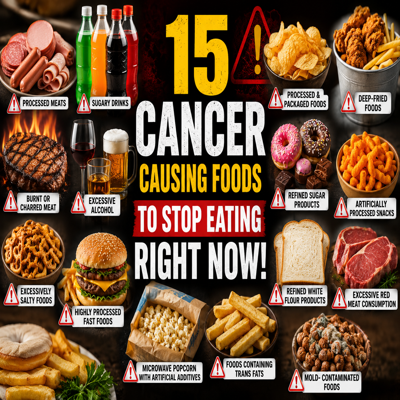
In this guide, you’ll discover 15 cancer causing foods to stop eating right now, why they may be harmful, and healthier alternatives that can help you build a more nutritious lifestyle.
1. Processed Meats
Processed meats are among the most widely discussed foods associated with cancer risk. These include bacon, sausages, hot dogs, ham, and deli meats that have been preserved through smoking, curing, salting, or chemical preservatives.
Research suggests that regular consumption of processed meat may increase the risk of colorectal cancer. These foods often contain nitrates and nitrites, which can form potentially harmful compounds during digestion.
Healthier Alternatives
- Fresh chicken
- Fish
- Beans and lentils
- Unprocessed turkey
- Plant-based proteins
2. Sugary Drinks
Sugary beverages such as soda, energy drinks, sweetened teas, and flavored juices contain large amounts of added sugar and calories. Excessive sugar consumption contributes to obesity, a major risk factor for several cancers.
Regular intake of sugary drinks can also promote chronic inflammation and metabolic dysfunction. While sugar itself does not directly cause cancer, long-term overconsumption can create conditions that increase disease risk.
Healthier Alternatives
- Water
- Sparkling water
- Unsweetened tea
- Fresh fruit-infused water
- Homemade smoothies
3. Processed and Packaged Foods
Many packaged foods are loaded with preservatives, artificial ingredients, excess sodium, and unhealthy fats. Examples include instant noodles, packaged snacks, and heavily processed frozen meals.
These products are often low in essential nutrients and high in calories. A diet dominated by ultra-processed foods may contribute to obesity, inflammation, and poor metabolic health.
Healthier Alternatives
- Fresh fruits
- Vegetables
- Homemade meals
- Whole grains
- Nuts and seeds
4. Deep-Fried Foods
French fries, fried chicken, potato chips, and similar foods are typically cooked at extremely high temperatures. This cooking process can produce compounds such as acrylamide, particularly in starchy foods.
Deep-fried foods also contain high amounts of unhealthy fats and calories that contribute to weight gain and chronic inflammation.
Healthier Alternatives
- Baked potatoes
- Air-fried foods
- Roasted vegetables
- Grilled proteins
5. Burnt or Charred Meat
Cooking meat over open flames or at very high temperatures can create potentially harmful compounds called heterocyclic amines and polycyclic aromatic hydrocarbons.
These compounds have been studied for their possible role in increasing cancer risk when consumed frequently over long periods.
Healthier Alternatives
- Bake meat at moderate temperatures
- Steam or poach foods
- Marinate meats before grilling
- Avoid excessive charring
6. Excessive Alcohol
Heavy alcohol consumption has been linked to several types of cancer, including cancers affecting the liver, mouth, throat, breast, and colon.
Alcohol can damage body tissues and increase inflammation while also interfering with nutrient absorption.
Healthier Alternatives
- Sparkling water
- Herbal tea
- Non-alcoholic beverages
- Fresh fruit drinks without added sugar
7. Refined Sugar Products
Cookies, candies, pastries, and desserts often contain excessive amounts of refined sugar and unhealthy fats.
Overconsumption can contribute to obesity and insulin resistance, both of which are associated with increased cancer risk.
Healthier Alternatives
- Fresh fruit
- Dark chocolate in moderation
- Homemade desserts
- Yogurt with berries
8. Artificially Processed Snacks
Packaged snack foods frequently contain artificial flavors, preservatives, refined carbohydrates, and unhealthy oils.
These foods are generally low in fiber and nutrients while being high in calories and sodium.
Healthier Alternatives
- Mixed nuts
- Fruit slices
- Hummus and vegetables
- Homemade popcorn
9. Excessively Salty Foods
Foods preserved with large amounts of salt, including pickled foods and heavily salted snacks, may increase the risk of stomach problems when consumed excessively.
High sodium intake can also contribute to elevated blood pressure and other health concerns.
Healthier Alternatives
- Fresh vegetables
- Lightly seasoned meals
- Herbs and spices
- Homemade soups
10. Highly Processed Fast Foods
Fast foods often contain refined ingredients, excess calories, unhealthy fats, and high levels of sodium.
Regular consumption may contribute to obesity and poor dietary patterns that negatively impact long-term health.
Healthier Alternatives
- Homemade sandwiches
- Grilled chicken wraps
- Salads
- Whole-grain meals
11. Microwave Popcorn with Artificial Additives
Certain flavored microwave popcorn products may contain artificial ingredients and excessive sodium.
While plain popcorn can be nutritious, heavily processed varieties may offer fewer health benefits.
Healthier Alternatives
- Air-popped popcorn
- Homemade popcorn with minimal seasoning
12. Foods Containing Trans Fats
Trans fats have historically been found in baked goods, packaged snacks, and some fried foods.
These fats contribute to inflammation and poor cardiovascular health, making them undesirable in a healthy diet.
Healthier Alternatives
- Olive oil
- Avocados
- Nuts
- Seeds
13. Refined White Flour Products
White bread, pastries, and refined baked goods have been stripped of much of their fiber and nutrients.
Frequent consumption can lead to blood sugar spikes and excessive calorie intake.
Healthier Alternatives
- Whole-grain bread
- Oats
- Brown rice
- Quinoa
14. Excessive Red Meat Consumption
Eating large amounts of red meat regularly may be associated with increased risk of certain cancers, particularly colorectal cancer.
Moderation and balanced dietary patterns are essential for maintaining overall health.
Healthier Alternatives
- Fish
- Poultry
- Beans
- Lentils
- Plant proteins
15. Mold-Contaminated Foods
Foods contaminated with mold may contain harmful substances known as mycotoxins. Improperly stored grains, nuts, and food products are most susceptible.
Discard foods that show signs of mold rather than attempting to remove only the affected portion.
Healthier Alternatives
- Properly stored grains
- Fresh nuts
- Fresh produce
- Proper food storage practices
Foods to Limit vs Healthier Choices
| Foods to Limit | Healthier Alternative |
| Processed meats | Fresh poultry and fish |
| Sugary drinks | Water and herbal tea |
| Deep-fried foods | Baked or roasted foods |
| Refined desserts | Fruit-based snacks |
| Fast foods | Homemade meals |
| White bread | Whole grains |
Tips to Reduce Cancer Risk Through Diet
Building a cancer-conscious diet is more about long-term habits than perfection. Small daily improvements can make a meaningful difference.
Follow these simple practices:
- Eat more fruits and vegetables.
- Choose whole grains over refined grains.
- Limit processed and ultra-processed foods.
- Maintain a healthy weight.
- Reduce alcohol intake.
- Avoid excessive consumption of processed meat.
- Prepare foods using healthier cooking methods.
Frequently Asked Questions
Can eating one unhealthy food cause cancer?
No. Cancer develops due to multiple factors, including genetics, lifestyle, environment, and long-term dietary patterns. Occasional consumption of these foods is unlikely to cause cancer on its own.
Should I completely avoid all processed foods?
Not necessarily. The goal is moderation. Prioritize whole foods and minimize frequent consumption of highly processed products.
Is sugar directly responsible for cancer?
Sugar does not directly cause cancer. However, excessive sugar intake can contribute to obesity and metabolic conditions associated with increased cancer risk.
Which diet is generally considered cancer-friendly?
A balanced diet rich in vegetables, fruits, whole grains, legumes, healthy fats, and lean proteins is widely recommended for overall health.
Key Takeaways
- No single food directly causes cancer by itself.
- Long-term dietary habits influence health risks.
- Processed meats and excessive alcohol have established links with certain cancers.
- Highly processed foods may contribute to obesity and chronic inflammation.
- Choosing whole, minimally processed foods supports overall wellness.
- Moderation and balanced eating patterns are essential.
Conclusion
Understanding the 15 cancer causing foods to stop eating right now can help you make more informed choices about your daily diet. While food is only one piece of the health puzzle, reducing consumption of highly processed foods, sugary drinks, excessive alcohol, and heavily processed meats may support long-term wellness.
The goal is not to create fear around eating but to encourage healthier habits that nourish your body. Small, consistent dietary improvements can contribute to better health outcomes and empower you to take greater control of your well-being.
Read Our Latest Blog:Do You Need 10,000 Steps a Day? Science Explained