
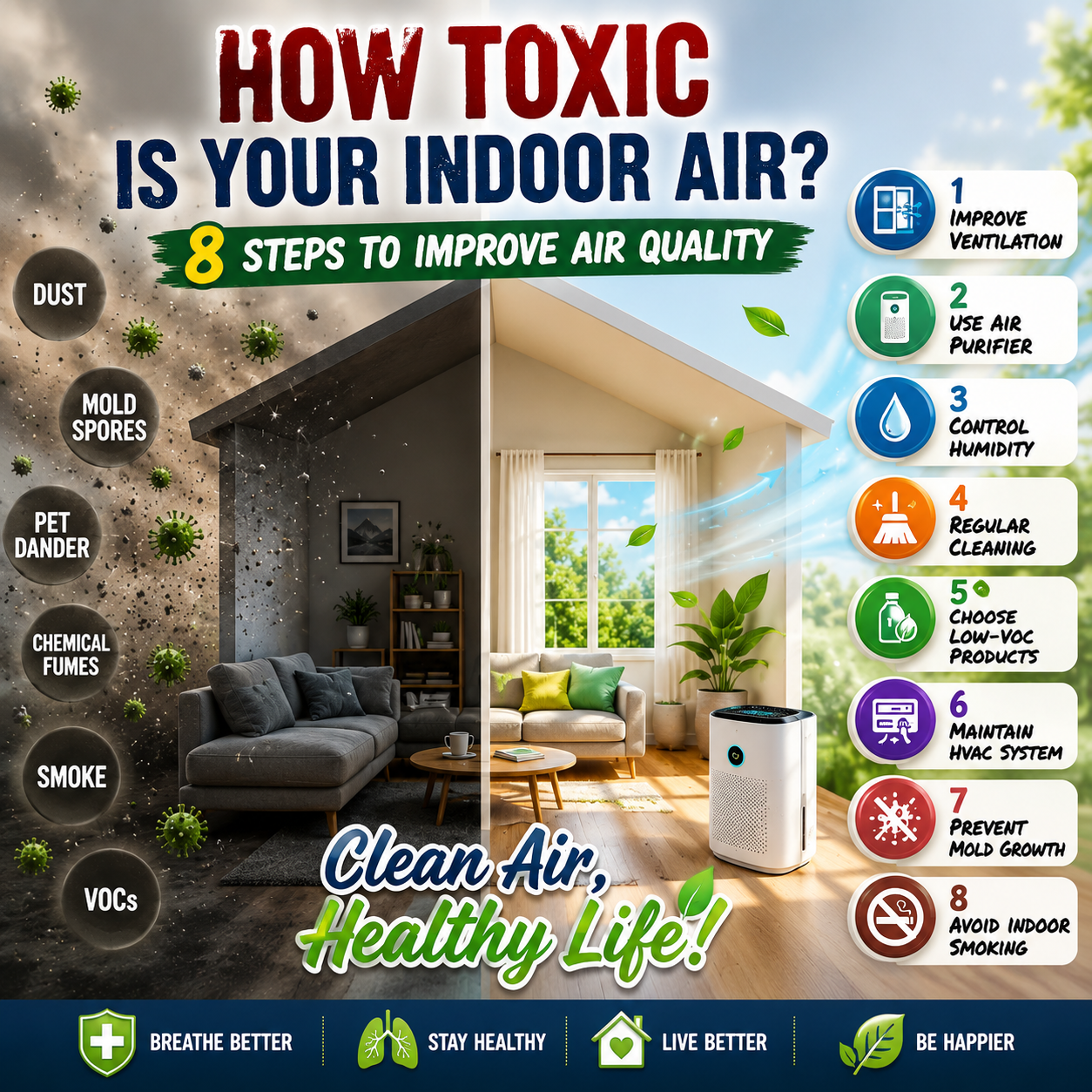
Most people assume that stepping indoors protects them from pollution. Surprisingly, research has shown that the air inside homes, offices, and apartments can sometimes be more polluted than the air outside. Because modern buildings are tightly sealed for energy efficiency, harmful contaminants often become trapped indoors, where they continue to circulate for hours or even days.
Improve Indoor Air Quality comes from many unexpected sources. Furniture, paints, cleaning chemicals, cooking smoke, pet dander, dust mites, mold, scented candles, tobacco smoke, and even everyday household products can release pollutants into the air. Over time, breathing contaminated indoor air may contribute to allergies, asthma flare-ups, headaches, fatigue, poor sleep quality, and long-term respiratory concerns.
Fortunately, improving indoor air quality doesn’t always require expensive equipment or major renovations. A combination of smart habits, proper ventilation, effective cleaning, and informed product choices can dramatically reduce indoor pollutants.
In this comprehensive guide, you’ll learn how to identify common indoor air contaminants, understand their health effects, and discover 8 practical, science-backed steps to improve indoor air quality for a cleaner, healthier, and more comfortable home.
What Is Indoor Air Pollution?
Indoor air pollution refers to harmful particles, gases, chemicals, and biological contaminants present inside buildings. Unlike outdoor pollution, indoor pollutants often accumulate because enclosed spaces have limited ventilation. These contaminants can remain suspended in the air for extended periods, exposing occupants continuously without them even realizing it.
Common indoor pollutants include volatile organic compounds (VOCs), mold spores, dust, pollen, smoke, pet dander, bacteria, viruses, carbon monoxide, radon gas, and microscopic particulate matter. The concentration of these pollutants depends on building materials, ventilation systems, household activities, climate conditions, and occupant behavior.
Although many people focus on outdoor pollution, maintaining clean indoor air is equally important because most individuals spend approximately 90% of their time indoors. Better indoor air quality supports healthier lungs, improved sleep, higher productivity, and overall well-being.
Why Indoor Air Quality Matters
Indoor air quality directly affects nearly every aspect of your health. Every breath introduces microscopic particles into your lungs, where they can either support healthy oxygen exchange or contribute to irritation and inflammation. Poor air quality may trigger immediate symptoms such as coughing, sneezing, watery eyes, headaches, fatigue, and difficulty concentrating.
Long-term exposure to polluted indoor air has been associated with chronic respiratory diseases, worsening asthma, increased allergy symptoms, cardiovascular complications, and other health concerns. Children, older adults, pregnant women, and individuals with weakened immune systems are especially vulnerable because their bodies are more sensitive to airborne pollutants.
Improving indoor air quality also enhances comfort and productivity. Cleaner air often leads to better sleep, fewer allergy flare-ups, improved concentration, reduced odors, and a healthier overall living environment.
Signs Your Indoor Air May Be Toxic
Poor indoor air quality isn’t always obvious because many pollutants are invisible and odorless. However, your home may provide subtle warning signs that shouldn’t be ignored. Recognizing these indicators early allows you to address air quality problems before they become more serious.
Some of the most common signs include:
- Frequent sneezing indoors
- Persistent coughing
- Watery or itchy eyes
- Constant nasal congestion
- Headaches without a clear cause
- Fatigue while at home
- Musty odors
- Visible mold growth
- Excessive dust buildup
- Worsening asthma symptoms
- Dry throat
- Poor sleep quality
- Stale indoor air
- High indoor humidity
- Condensation on windows
If these symptoms improve after leaving your home or workplace, indoor air pollution may be contributing to the problem.
Common Sources of Indoor Air Pollution
Understanding where pollutants originate is the first step toward improving your home’s air quality. Many common household items release contaminants daily, often without producing noticeable smells or visible smoke.
Major contributors include:
| Source | Common Pollutants | Potential Effects |
| Cleaning products | VOCs | Headaches, irritation |
| Cooking | Fine particles, smoke | Respiratory irritation |
| Tobacco smoke | Thousands of chemicals | Lung disease risk |
| Mold | Mold spores | Allergies, asthma |
| Pets | Dander | Allergic reactions |
| Furniture | Formaldehyde, VOCs | Eye and throat irritation |
| Candles | Soot | Airborne particles |
| Carpets | Dust mites | Allergy symptoms |
| Gas appliances | Carbon monoxide | Serious health risks |
| Paints | VOC emissions | Dizziness, headaches |
Knowing these sources makes it easier to reduce your exposure and choose healthier alternatives.
8 Steps to Improve Indoor Air Quality
1. Increase Natural Ventilation
Fresh outdoor air is one of the simplest and most effective ways to dilute indoor pollutants. Opening windows and doors for even 15 to 30 minutes each day allows trapped contaminants to escape while bringing in cleaner air. Cross-ventilation, where windows on opposite sides of the home are opened simultaneously, creates airflow that removes stale indoor air more efficiently.
Ventilation becomes especially important after cooking, painting, cleaning, or using products that release volatile organic compounds. Bathroom and kitchen exhaust fans should also be used consistently to remove moisture, smoke, odors, and airborne particles. Homes located in areas with high outdoor pollution should ventilate during times when outdoor air quality is at its best, such as early morning after checking local air quality conditions.
2. Use a High-Quality HEPA Air Purifier
A HEPA (High-Efficiency Particulate Air) purifier can significantly reduce airborne contaminants by capturing microscopic particles such as dust, pollen, pet dander, mold spores, and certain bacteria. These filters are designed to trap extremely small particles that ordinary household filters often miss, making them especially beneficial for allergy sufferers and families with pets.
When selecting an air purifier, choose a model appropriately sized for the room where it will be used. Place it in areas where people spend the most time, such as bedrooms or living rooms, and replace filters according to the manufacturer’s recommendations to maintain optimal performance.
3. Control Indoor Humidity Levels
Maintaining the right indoor humidity level is one of the most effective ways to improve indoor air quality and prevent biological contaminants from thriving. Experts generally recommend keeping indoor humidity between 30% and 50%. When humidity rises above this range, mold, mildew, dust mites, and bacteria can multiply rapidly. Conversely, air that is too dry may irritate the eyes, throat, and skin while increasing susceptibility to respiratory discomfort.
To maintain healthy humidity levels, use a hygrometer to monitor moisture in your home. If humidity is consistently high, consider using a dehumidifier, especially in basements, bathrooms, and laundry rooms. Repair plumbing leaks promptly, ensure bathrooms have functioning exhaust fans, and avoid leaving wet clothes indoors for extended periods. During dry winter months, a humidifier may help maintain comfort, but it should be cleaned regularly to prevent bacterial growth. Proper humidity control creates a healthier indoor environment while protecting furniture, flooring, and building materials from moisture damage.
4. Reduce Dust and Allergens Through Regular Cleaning
Dust may appear harmless, but it often contains pollen, pet dander, mold spores, dust mites, fabric fibers, and microscopic particles that can negatively affect indoor air quality. Allowing dust to accumulate increases the number of airborne allergens circulating throughout your home, potentially triggering allergies, asthma symptoms, and respiratory irritation.
A consistent cleaning routine is essential for reducing indoor pollutants. Vacuum carpets and upholstered furniture at least once or twice each week using a vacuum equipped with a HEPA filter. Microfiber cloths are particularly effective because they capture dust rather than simply moving it around. Wash bedding in hot water weekly to eliminate dust mites, clean curtains and rugs regularly, and avoid clutter that traps dust. Frequently replacing HVAC filters also helps reduce airborne particles. Regular cleaning not only keeps your home looking tidy but also contributes significantly to healthier indoor air.
5. Choose Low-VOC Products and Safer Household Materials
Many everyday household products release Volatile Organic Compounds (VOCs) into the air. These chemicals are commonly found in paints, varnishes, adhesives, air fresheners, furniture, flooring, cleaning products, and even some personal care items. Exposure to high concentrations of VOCs may cause headaches, dizziness, eye irritation, respiratory problems, and long-term health concerns in some individuals.
When purchasing home improvement products, choose paints, adhesives, sealants, and furnishings labeled as low-VOC or zero-VOC whenever possible. Opt for fragrance-free cleaning products and avoid excessive use of aerosol sprays. Store paints, solvents, gasoline, and chemicals in well-ventilated outdoor storage areas instead of inside living spaces. Allow newly purchased furniture or carpets to air out before bringing them into frequently occupied rooms. Making informed purchasing decisions significantly reduces chemical pollutants inside your home over time.
6. Maintain Your HVAC System and Replace Air Filters Regularly
Your heating, ventilation, and air conditioning (HVAC) system plays a major role in circulating indoor air throughout your home. If filters become clogged with dust and debris, the system may redistribute pollutants instead of removing them. Poorly maintained HVAC systems can also contribute to mold growth, unpleasant odors, and reduced energy efficiency.
Inspect air filters every month and replace them according to the manufacturer’s recommendations, typically every one to three months depending on usage and environmental conditions. Schedule professional HVAC maintenance annually to ensure ducts, coils, and ventilation components remain clean and operate efficiently. Keep air vents unobstructed by furniture and vacuum them periodically to remove accumulated dust. A well-maintained HVAC system supports cleaner indoor air while improving energy efficiency and extending equipment lifespan.
7. Prevent Mold Growth Before It Starts
Mold is one of the most common indoor air quality problems and can spread quickly when moisture is present. Mold spores become airborne and may trigger allergies, asthma attacks, coughing, wheezing, nasal congestion, and other respiratory symptoms. In severe cases, extensive mold contamination may require professional remediation.
Preventing mold begins with controlling moisture. Repair roof leaks, plumbing leaks, and water damage immediately. Dry wet areas within 24 to 48 hours after flooding or spills. Improve ventilation in bathrooms and kitchens by using exhaust fans during and after showers or cooking. Clean visible mold on non-porous surfaces using appropriate cleaning methods while wearing protective equipment. Regularly inspect areas prone to dampness, including basements, crawl spaces, and around windows, to detect mold early before it becomes a larger problem.
8. Avoid Indoor Smoking and Reduce Combustion Pollutants
Tobacco smoke is one of the most dangerous sources of indoor air pollution because it contains thousands of chemicals, including many known carcinogens. Even secondhand smoke significantly increases health risks for children, older adults, and individuals with asthma or heart disease. Smoke particles can linger on furniture, carpets, walls, and clothing long after smoking has stopped, contributing to what is known as thirdhand smoke exposure.
If possible, establish a completely smoke-free home. Use kitchen range hoods while cooking to remove smoke and grease particles, especially when frying or grilling food. Ensure gas stoves, fireplaces, wood-burning stoves, and fuel-burning appliances are properly vented and maintained. Install carbon monoxide detectors on every floor of your home and test them regularly. Reducing combustion-related pollutants dramatically improves indoor air quality and protects your family’s long-term health.
Additional Ways to Keep Your Indoor Air Clean
While the eight primary strategies provide the greatest impact, several additional habits can further enhance indoor air quality and create a healthier living environment.
Remove Shoes at the Door
Shoes often carry dirt, pesticides, bacteria, heavy metals, and other outdoor contaminants into the home. Creating a shoe-free policy helps reduce the amount of pollution tracked indoors, especially in homes with young children who spend time on the floor.
Keep Pets Well Groomed
Pet dander is a common indoor allergen. Regular grooming, brushing, and bathing pets—combined with frequent washing of pet bedding—helps reduce the amount of hair and dander circulating through your home.
Use Kitchen Exhaust Fans
Cooking releases grease particles, smoke, moisture, and fine particulate matter into the air. Running the kitchen exhaust fan during and after cooking helps remove these pollutants before they spread throughout the house.
Minimize Artificial Fragrances
Many scented candles, incense sticks, and air fresheners emit VOCs and fine particles. Whenever possible, improve odors by increasing ventilation and maintaining cleanliness rather than masking smells with heavily fragranced products.
Test for Radon
Radon is a naturally occurring radioactive gas that can enter homes through cracks in foundations. It is odorless, colorless, and one of the leading causes of lung cancer among non-smokers. Testing your home for radon is an important step, particularly if you live in an area where elevated radon levels are common.
Indoor Air Quality Improvement Checklist
| Task | Recommended Frequency |
| Open windows for ventilation | Daily |
| Vacuum with HEPA filter | 1–2 times per week |
| Dust surfaces | Weekly |
| Wash bedding | Weekly |
| Replace HVAC filters | Every 1–3 months |
| Clean exhaust fans | Every 3 months |
| Check humidity levels | Weekly |
| Inspect for mold | Monthly |
| Service HVAC system | Annually |
| Test carbon monoxide detectors | Monthly |
Benefits of Improving Indoor Air Quality
Making indoor air quality a priority offers benefits that extend beyond cleaner air. Small, consistent improvements can have a significant positive impact on your health, comfort, and overall quality of life.
Some of the most notable benefits include:
- Reduced allergy symptoms
- Better asthma control
- Improved respiratory health
- Enhanced sleep quality
- Increased energy levels
- Better concentration and productivity
- Fewer unpleasant indoor odors
- Lower risk of mold-related issues
- Greater comfort throughout the home
- Healthier environment for children, seniors, and pets
- Improved HVAC efficiency
- Potential energy savings
Frequently Asked Questions (FAQs)
1. What is indoor air quality?
Indoor air quality (IAQ) refers to the condition of the air inside homes, offices, schools, and other buildings. It measures the concentration of pollutants such as dust, allergens, mold spores, volatile organic compounds (VOCs), smoke, carbon monoxide, and other airborne contaminants. Good indoor air quality supports better health, comfort, and productivity, while poor indoor air quality can contribute to respiratory issues, allergies, headaches, and fatigue.
2. What are the main causes of indoor air pollution?
Indoor air pollution can come from a variety of sources, many of which are found in everyday households. Common contributors include:
- Tobacco smoke
- Cooking fumes
- Mold and mildew
- Dust mites
- Pet dander
- Household cleaning chemicals
- Paints and adhesives
- Furniture that emits VOCs
- Gas stoves and fireplaces
- Poor ventilation
- High humidity
- Outdoor pollutants entering the home
Understanding these sources is the first step toward improving indoor air quality.
3. How can I tell if my home’s air quality is poor?
Several warning signs may indicate poor indoor air quality. These include persistent coughing, sneezing, itchy eyes, headaches, fatigue, unpleasant odors, excessive dust buildup, visible mold, frequent allergy symptoms, or worsening asthma while indoors. If symptoms improve after leaving the building, your indoor air may be contributing to the problem. Using an indoor air quality monitor can also help detect pollutants that are invisible to the naked eye.
4. Do air purifiers really improve indoor air quality?
Yes. High-quality air purifiers equipped with HEPA filters can effectively remove many airborne particles, including dust, pollen, mold spores, pet dander, and fine particulate matter. However, an air purifier works best when combined with proper ventilation, humidity control, routine cleaning, and regular HVAC maintenance. It should be viewed as one part of a comprehensive indoor air quality strategy rather than a complete solution.
5. What humidity level is best for indoor air quality?
Experts generally recommend maintaining indoor humidity between 30% and 50%. Humidity levels above 50% encourage mold growth and dust mites, while levels below 30% may cause dry skin, irritated airways, and static electricity. Monitoring humidity with a hygrometer and using humidifiers or dehumidifiers when necessary helps maintain a healthy indoor environment.
6. Can houseplants improve indoor air quality?
Houseplants can contribute modestly to a pleasant indoor environment by adding greenery and slightly improving humidity. However, they should not be relied upon as the primary method of air purification. Proper ventilation, source control, filtration, and regular cleaning have a much greater impact on reducing indoor pollutants. If you keep houseplants, avoid overwatering them to prevent mold growth in the soil.
7. How often should HVAC filters be replaced?
Most residential HVAC filters should be replaced every 1–3 months, depending on the filter type, system usage, household size, pets, and local environmental conditions. Dirty filters reduce airflow, decrease system efficiency, and allow more pollutants to circulate throughout the home. Checking filters monthly ensures they are replaced when needed.
8. Is indoor air more polluted than outdoor air?
In many situations, yes. Because modern homes are designed to be energy efficient and tightly sealed, pollutants can accumulate indoors if ventilation is inadequate. Activities such as cooking, cleaning, painting, and using scented products may increase pollutant levels. Regular ventilation and air filtration are essential to maintaining healthier indoor air.
Key Takeaways
Improving indoor air quality doesn’t require a complete home renovation. By making small, consistent changes, you can significantly reduce indoor pollutants and create a healthier environment for everyone in your household.
Remember these essential tips:
- Increase natural ventilation whenever outdoor conditions allow.
- Invest in a HEPA air purifier for frequently used rooms.
- Maintain indoor humidity between 30% and 50%.
- Vacuum and dust regularly using HEPA-equipped cleaning tools.
- Choose low-VOC paints, furniture, and cleaning products.
- Replace HVAC filters every 1–3 months.
- Prevent mold by controlling moisture and fixing leaks promptly.
- Keep your home smoke-free and ensure fuel-burning appliances are properly vented.
- Monitor indoor air quality regularly if you have allergies or respiratory conditions.
- Adopt healthy daily habits that reduce dust, allergens, and chemical exposure.
Conclusion
Indoor air quality is often overlooked, yet it plays a vital role in protecting your health and improving your quality of life. Since most people spend the majority of their time indoors, even small improvements can have lasting benefits. Cleaner air supports better breathing, fewer allergies, improved sleep, enhanced concentration, and a more comfortable living environment.
The good news is that creating healthier indoor air doesn’t have to be expensive or complicated. Simple actions—such as improving ventilation, controlling humidity, cleaning regularly, using HEPA filtration, maintaining your HVAC system, and choosing low-VOC products—can dramatically reduce indoor pollutants over time.
Remember that there is no single solution to indoor air pollution. The best results come from combining multiple strategies and making them part of your everyday routine. By following the 8 practical steps outlined in this guide, you can create a cleaner, safer, and healthier home for yourself and your family.
Whether you’re dealing with seasonal allergies, asthma, pet dander, or simply want a fresher living space, investing in better indoor air quality is an investment in your long-term health and well-being.