
Healthy Lifestyle to Prevent Diseases
A healthy lifestyle is one of the most powerful ways to prevent many chronic diseases and improve overall well-being. Conditions such as heart disease, type 2 diabetes, obesity, high blood pressure, certain cancers, and stroke are often linked to lifestyle choices. While genetics and age play a role in health, adopting healthy daily habits can significantly reduce the risk of developing many preventable diseases.
Living a healthier life doesn’t require drastic changes. Small, consistent improvements in your daily routine can strengthen your immune system, increase energy levels, improve mental health, and help you enjoy a longer, healthier life.
Why a Healthy Lifestyle Matters
Your body functions best when it receives proper nutrition, regular physical activity, quality sleep, and effective stress management. These healthy habits work together to support every organ, strengthen your immune system, and lower inflammation, reducing the likelihood of chronic illness.
Healthy lifestyle choices also improve mental well-being, increase productivity, maintain a healthy weight, and enhance overall quality of life.
Common Diseases Linked to Poor Lifestyle Habits
Unhealthy habits can increase the risk of developing several serious medical conditions.
Cardiovascular Diseases
Poor diet, smoking, lack of exercise, and high blood pressure increase the risk of heart disease and stroke.
Type 2 Diabetes
Excess body weight, unhealthy eating habits, and physical inactivity contribute significantly to insulin resistance and diabetes.
Obesity
Regular consumption of processed foods and a sedentary lifestyle can lead to unhealthy weight gain and obesity-related complications.
Certain Types of Cancer
Smoking, excessive alcohol consumption, poor diet, and obesity may increase the risk of several types of cancer.
Healthy Lifestyle Habits to Prevent Diseases
1. Eat a Balanced and Nutritious Diet
A healthy diet provides the vitamins, minerals, antioxidants, protein, healthy fats, and fiber your body needs to function properly.
Include:
- Fresh fruits and vegetables
- Whole grains
- Lean proteins
- Fish
- Beans and legumes
- Nuts and seeds
- Low-fat dairy products
Limit processed foods, sugary drinks, excess salt, and foods high in saturated or trans fats.
2. Stay Physically Active
Regular exercise strengthens the heart, improves circulation, supports healthy weight management, and lowers the risk of many chronic diseases.
Adults should aim for at least 150 minutes of moderate-intensity exercise each week, while children should stay physically active every day.
3. Maintain a Healthy Weight
Maintaining a healthy body weight helps reduce the risk of diabetes, heart disease, high blood pressure, sleep apnea, and joint problems.
A combination of balanced nutrition and regular exercise is the most effective approach for long-term weight management.
4. Get Enough Quality Sleep
Sleep allows the body to repair tissues, regulate hormones, strengthen the immune system, and support brain function.
Most adults should aim for 7 to 9 hours of quality sleep each night. Poor sleep over time may increase the risk of obesity, diabetes, and heart disease.
5. Stay Hydrated
Water supports digestion, regulates body temperature, transports nutrients, and helps remove waste from the body.
Replace sugary beverages with water whenever possible and drink fluids regularly throughout the day to maintain proper hydration.
6. Avoid Smoking and Tobacco Products
Smoking is one of the leading causes of preventable diseases worldwide. It damages nearly every organ in the body and significantly increases the risk of heart disease, stroke, lung disease, and several types of cancer.
If you smoke, quitting is one of the most important steps you can take to improve your health. Avoiding secondhand smoke also helps protect your lungs and cardiovascular system.
7. Limit Alcohol Consumption
Excessive alcohol intake can contribute to liver disease, high blood pressure, certain cancers, and weight gain.
If you choose to drink alcohol, do so in moderation and follow the recommendations of your healthcare provider. Some individuals may be advised to avoid alcohol altogether due to their medical history or medications.
8. Manage Stress Effectively
Chronic stress can weaken the immune system and increase the risk of conditions such as high blood pressure, anxiety, depression, and heart disease.
Healthy ways to manage stress include:
- Meditation
- Deep breathing exercises
- Yoga
- Regular physical activity
- Spending time in nature
- Reading or listening to music
- Talking with family and friends
Making time for relaxation each day supports both mental and physical health.
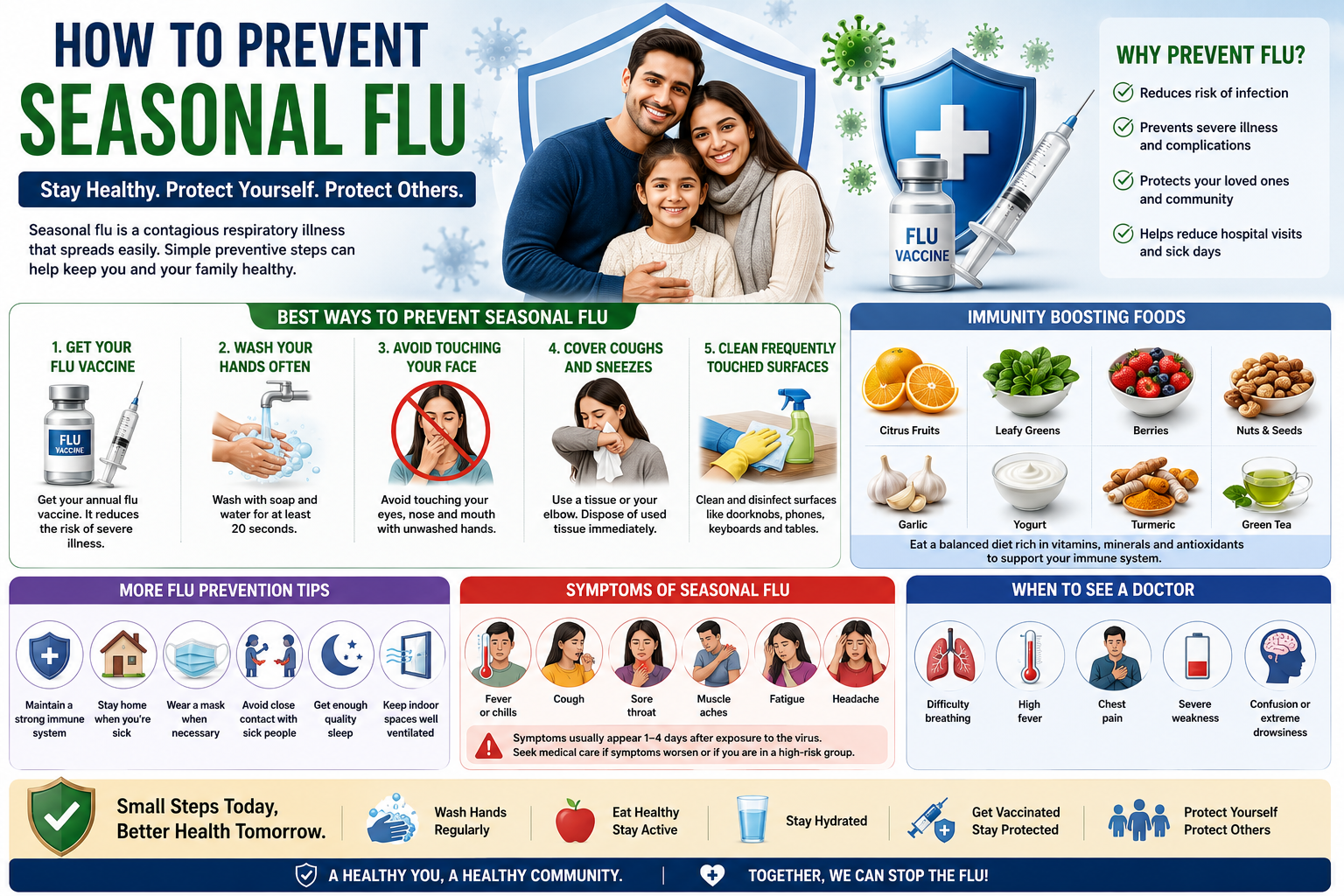
9. Practice Good Hygiene
Simple hygiene habits help prevent the spread of infections and protect both you and those around you.
Healthy hygiene practices include:
- Washing your hands regularly with soap and water
- Covering your mouth and nose when coughing or sneezing
- Keeping food preparation areas clean
- Brushing and flossing your teeth daily
- Maintaining personal cleanliness
Good hygiene is one of the easiest and most effective ways to reduce the risk of infectious diseases.
10. Schedule Regular Health Checkups
Routine medical checkups can identify health problems before symptoms appear.
Regular screenings may include:
- Blood pressure checks
- Blood sugar testing
- Cholesterol screening
- Cancer screenings when appropriate
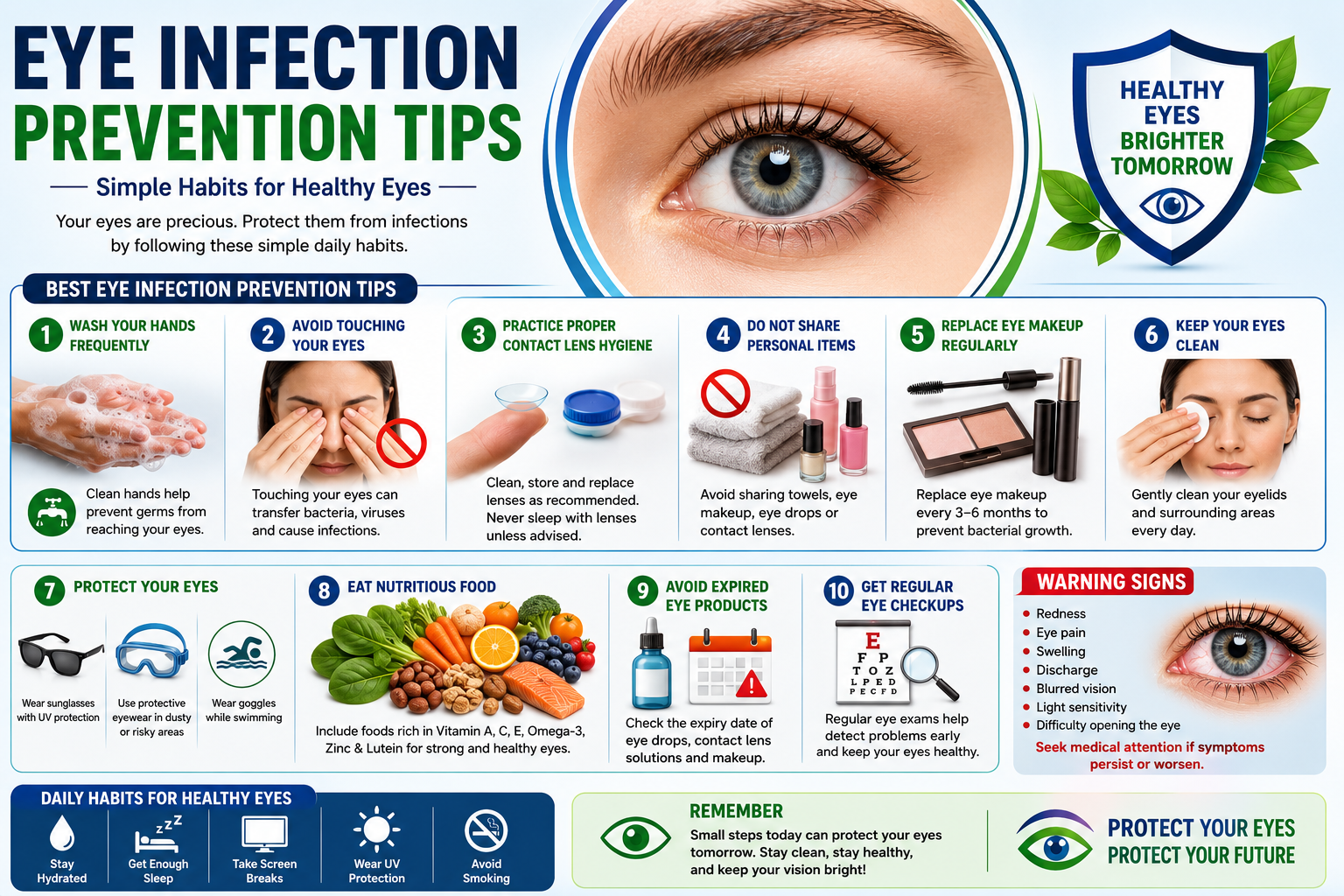
- Eye examinations
- Dental checkups
Early detection often leads to more effective treatment and better long-term health outcomes.
Daily Wellness Tips for Better Health
Small daily habits can make a significant difference over time.
Eat More Whole Foods
Choose fresh fruits, vegetables, whole grains, lean proteins, and healthy fats more often than processed foods.
Stay Active Throughout the Day
In addition to regular exercise, reduce long periods of sitting by taking short walks, stretching, or using the stairs whenever possible.
Protect Yourself from Sun Exposure
Use sunscreen, wear protective clothing, and avoid prolonged exposure to strong sunlight to reduce the risk of skin damage and skin cancer.
Build Healthy Relationships
Strong social connections support emotional well-being, reduce stress, and contribute to a healthier lifestyle.
Stay Consistent
Healthy living is not about perfection. Making small, consistent choices every day leads to long-term health benefits.
Frequently Asked Questions
Can a healthy lifestyle prevent all diseases?
No. Some diseases are influenced by genetics, age, or environmental factors. However, a healthy lifestyle can significantly reduce the risk of many chronic diseases and improve overall quality of life.
How much exercise is recommended each week?
Most adults should aim for at least 150 minutes of moderate-intensity physical activity each week along with muscle-strengthening activities on two or more days.
Which foods help prevent diseases?
A diet rich in fruits, vegetables, whole grains, legumes, lean proteins, fish, nuts, seeds, and healthy fats provides essential nutrients that support overall health and reduce disease risk.
Why are regular health checkups important?
Routine screenings help detect health conditions early, often before symptoms appear, allowing for timely treatment and better outcomes.
Is stress really harmful to physical health?
Yes. Long-term stress can affect the immune system, increase blood pressure, disrupt sleep, and contribute to several chronic health conditions if not managed effectively.
Key Takeaways
- A healthy lifestyle plays a major role in preventing many chronic diseases.
- Eat a balanced diet, exercise regularly, maintain a healthy weight, and stay hydrated.
- Avoid smoking, limit alcohol, manage stress, and practice good hygiene.
- Prioritize quality sleep and schedule regular medical checkups.
- Consistent healthy habits contribute to better physical, mental, and emotional well-being throughout life.
Also Read :-Diabetes Prevention Tips for Every Age: How to Reduce Your Risk Naturally
Conclusion
Living a healthy lifestyle is one of the most effective ways to protect your body from disease and improve your overall quality of life. Although no lifestyle can eliminate every health risk, healthy daily habits greatly reduce the likelihood of developing many preventable conditions, including heart disease, type 2 diabetes, stroke, obesity, and certain cancers.
The journey toward better health begins with simple choices—eating nutritious meals, staying active, getting enough sleep, managing stress, and attending regular health screenings. By making these habits part of your everyday routine, you can build a stronger body, support your immune system, and enjoy a healthier future for years to come.