
Foods That Boost Brain Health
Your brain is one of the most important organs in your body. It controls memory, learning, emotions, movement, concentration, and countless other functions. Like every other organ, your brain depends on proper nutrition to work efficiently.
Although no single food can dramatically improve intelligence or prevent all brain-related conditions, eating a balanced diet rich in essential nutrients can support normal brain function and overall health. Combined with regular exercise, quality sleep, stress management, and lifelong learning, healthy eating plays an important role in maintaining cognitive health.
Why Nutrition Matters for Brain Health
The brain requires a steady supply of nutrients to perform daily tasks.
Important nutrients help support:
- Memory
- Concentration
- Learning
- Mood
- Normal nerve function
- Healthy blood circulation
- Overall cognitive function
A varied diet is the best way to obtain these nutrients.
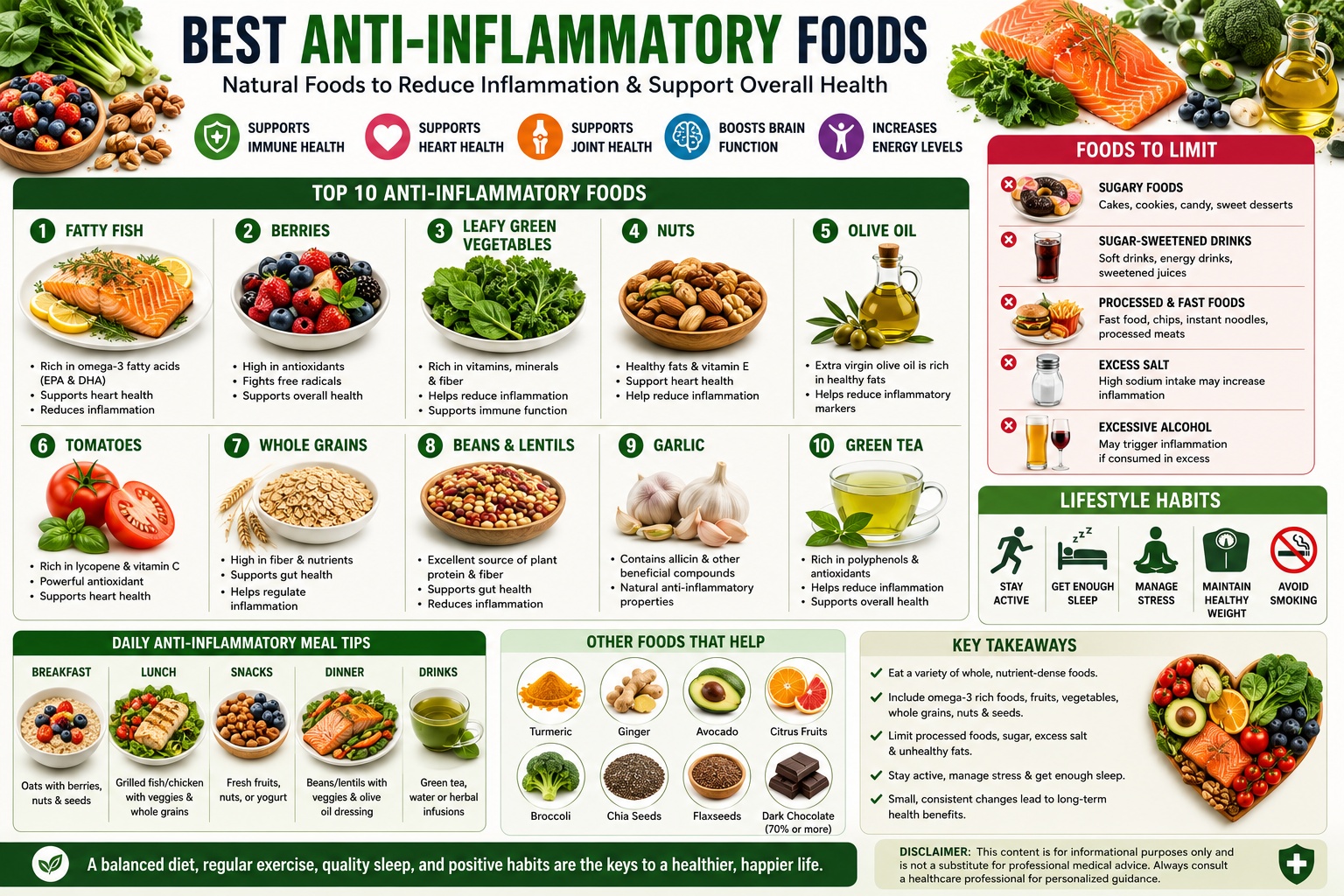
Best Foods That Support Brain Health
1. Fatty Fish
Fatty fish are among the richest dietary sources of omega-3 fatty acids.
Healthy Choices
- Salmon
- Sardines
- Mackerel
- Trout
Benefits
- Supports normal brain function
- Provides high-quality protein
- Contributes healthy fats to the diet
2. Blueberries
Blueberries contain antioxidants and dietary fiber.
Benefits
- Support overall health
- Provide natural plant compounds
- Make a healthy snack
Fresh or frozen blueberries are both nutritious options.
3. Walnuts
Walnuts provide:
- Healthy fats
- Vitamin E
- Plant protein
- Fiber
They make an easy and nutritious snack.
4. Eggs
Eggs contain several nutrients important for overall health, including:
- Protein
- Vitamin B12
- Choline
Choline plays a role in normal brain and nervous system function.
5. Leafy Green Vegetables
Examples include:
- Spinach
- Kale
- Broccoli
These vegetables provide:
- Folate
- Vitamin K
- Vitamin C
- Fiber
Include a variety of green vegetables throughout the week.
6. Whole Grains
Whole grains provide steady energy along with fiber and B vitamins.
Good Choices
- Oats
- Brown rice
- Whole wheat
- Quinoa
Replace refined grains with whole grains whenever possible.
7. Pumpkin Seeds
Pumpkin seeds provide:
- Magnesium
- Zinc
- Iron
- Healthy fats
Enjoy them as a snack or sprinkle them over salads and yogurt.
8. Dark Chocolate
Dark chocolate with a high cocoa content can be enjoyed occasionally in moderation.
Choose varieties with at least 70% cocoa and low added sugar.
9. Avocados
Avocados contain healthy monounsaturated fats and fiber.
They pair well with:
- Whole grain toast
- Salads
- Sandwiches
- Smoothies
10. Yogurt
Plain yogurt provides:
- Protein
- Calcium
- Beneficial live cultures (in products containing active cultures)
Choose unsweetened varieties whenever possible.
Other Brain-Healthy Foods
Include a variety of:
Fruits
- Oranges
- Apples
- Kiwi
- Strawberries
- Pomegranate
Vegetables
- Bell peppers
- Tomatoes
- Sweet potatoes
- Carrots
Healthy Protein Sources
- Chicken
- Fish
- Lentils
- Beans
- Tofu
Healthy Seeds
- Chia seeds
- Flaxseeds
- Sunflower seeds
These foods provide essential nutrients that support overall health and normal brain function.
Foods to Limit for Better Brain Health
A healthy brain benefits from an overall balanced eating pattern. Limiting certain foods may help support long-term health.
Sugary Foods
Eating large amounts of foods high in added sugar may contribute to poor overall nutrition.
Limit:
- Candy
- Cakes
- Cookies
- Sweet desserts
- Sugary breakfast cereals
Choose fresh fruit when you want something sweet.
Sugar-Sweetened Drinks
Reduce intake of:
- Soft drinks
- Energy drinks
- Sweetened fruit beverages
- Sweetened iced tea
Water is usually the healthiest beverage choice.
Highly Processed Foods
Examples include:
- Fast food
- Chips
- Instant noodles
- Processed meats
- Packaged snack foods
These foods are often high in sodium, unhealthy fats, and added sugars.
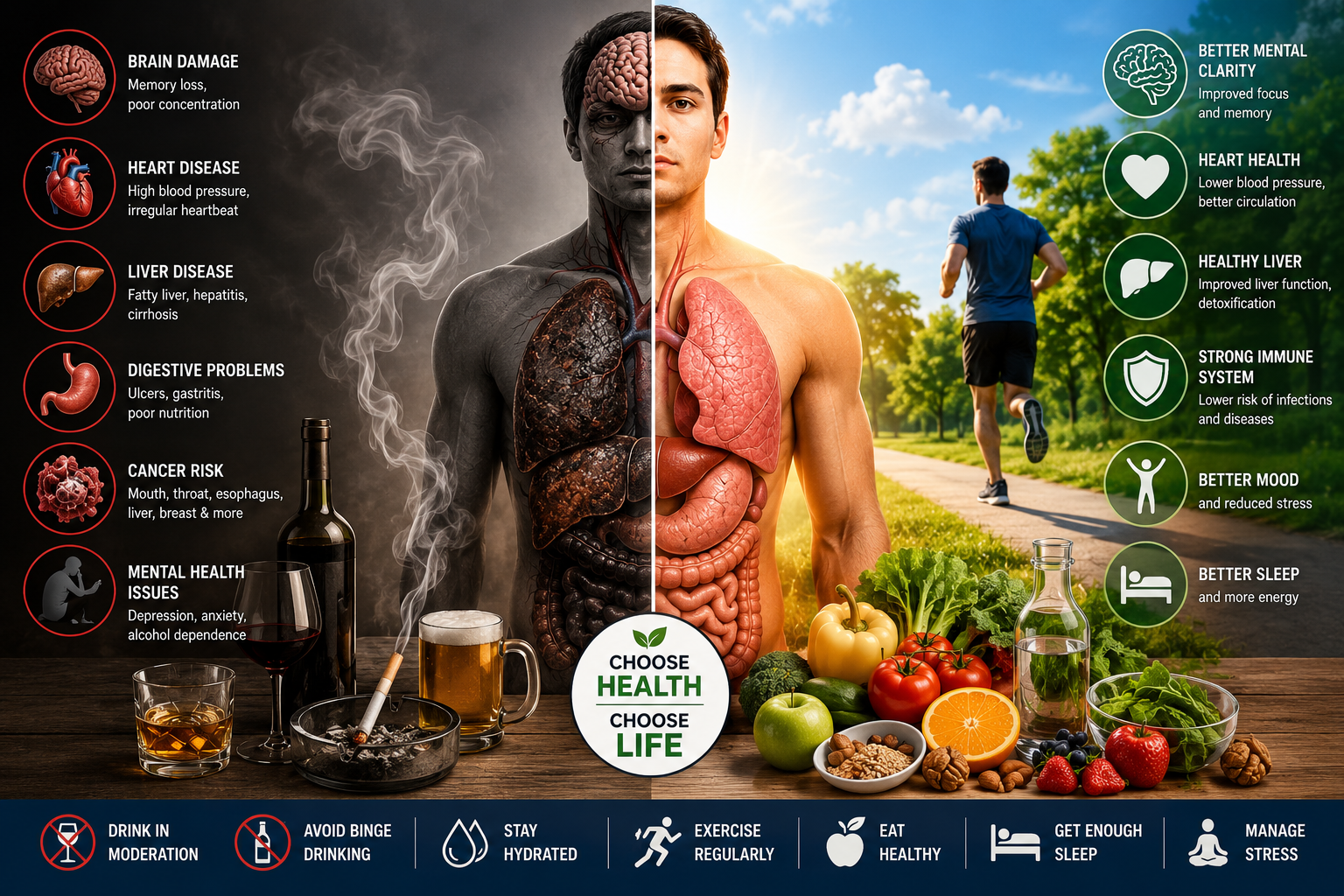
Excessive Alcohol
If you drink alcohol, do so in moderation according to your local health authority’s recommendations.
Excess Salt
Too much sodium may contribute to high blood pressure, which can affect heart and brain health.
Flavor meals with herbs, garlic, and spices instead of adding extra salt.
Daily Habits That Support Brain Health
Healthy eating works best when combined with other healthy lifestyle habits.
Stay Physically Active
Regular exercise supports healthy blood circulation, including blood flow to the brain.
Aim for:
- At least 150 minutes of moderate-intensity physical activity each week for adults.
- Muscle-strengthening exercises on two or more days per week.
Examples include:
- Walking
- Cycling
- Swimming
- Yoga
- Strength training
Get Enough Sleep
Sleep is essential for learning, memory, and concentration.
Recommended Sleep
- Adults: 7–9 hours
- Teenagers: 8–10 hours
- School-age children: 9–12 hours
Keep Your Mind Active
Challenge your brain with activities such as:
- Reading books
- Solving puzzles
- Learning a new language
- Playing strategy games
- Practicing a musical instrument
Manage Stress
Long-term stress may affect concentration and overall well-being.
Healthy stress management includes:
- Meditation
- Deep breathing exercises
- Yoga
- Spending time outdoors
- Talking with family and friends
Stay Hydrated
Even mild dehydration can affect concentration and mental performance.
Drink water regularly throughout the day.
Sample Brain-Healthy Meal Plan
Breakfast
- Oatmeal with blueberries and walnuts
- Low-fat milk or fortified plant-based milk
Mid-Morning Snack
- Apple
- Handful of almonds
Lunch
- Grilled salmon
- Brown rice
- Steamed broccoli
Evening Snack
- Plain Greek yogurt
- Mixed berries
Dinner
- Lentil soup
- Whole wheat chapati
- Spinach salad
Healthy Drinks
- Water
- Low-fat milk
- Unsweetened green tea
- Fresh fruit-infused water
Frequently Asked Questions
Which food is best for brain health?
There is no single “best” food. A balanced diet that includes fatty fish, berries, leafy green vegetables, whole grains, nuts, seeds, eggs, and legumes provides a wide range of nutrients that support overall brain health.
Do omega-3 fats support brain health?
Yes. Omega-3 fatty acids are important components of the brain and support normal brain function. Good dietary sources include salmon, sardines, trout, walnuts, chia seeds, and flaxseeds.
Can food improve memory?
Healthy eating supports normal brain function, but no single food can instantly improve memory. Good nutrition works best alongside adequate sleep, physical activity, stress management, and mental stimulation.
Is dark chocolate good for the brain?
Dark chocolate (at least 70% cocoa) contains natural plant compounds and can be enjoyed occasionally in moderation as part of a balanced diet.
Are supplements necessary for brain health?
Most healthy people can obtain the nutrients they need from a varied, balanced diet. Supplements should only be used if recommended by a qualified healthcare professional.
Key Takeaways
- Eat a variety of fruits, vegetables, whole grains, healthy fats, lean proteins, nuts, and seeds.
- Include omega-3-rich foods such as fatty fish, walnuts, chia seeds, and flaxseeds.
- Limit sugary foods, highly processed foods, and sugar-sweetened beverages.
- Stay physically active, get enough sleep, manage stress, and keep your mind engaged.
- Healthy eating patterns support normal brain function and overall well-being.
Conclusion
Supporting brain health begins with everyday healthy choices. A balanced diet rich in nutrient-dense foods—such as fatty fish, berries, leafy green vegetables, whole grains, nuts, seeds, and legumes—provides essential nutrients that help maintain normal brain function throughout life. While no single food can prevent memory problems or cognitive decline, consistently eating a wide variety of wholesome foods contributes to overall health.
In addition to healthy nutrition, regular exercise, quality sleep, stress management, staying mentally active, and maintaining good hydration all play important roles in supporting cognitive function. Small, sustainable lifestyle habits practiced consistently are far more beneficial than relying on any one “brain-boosting” food.