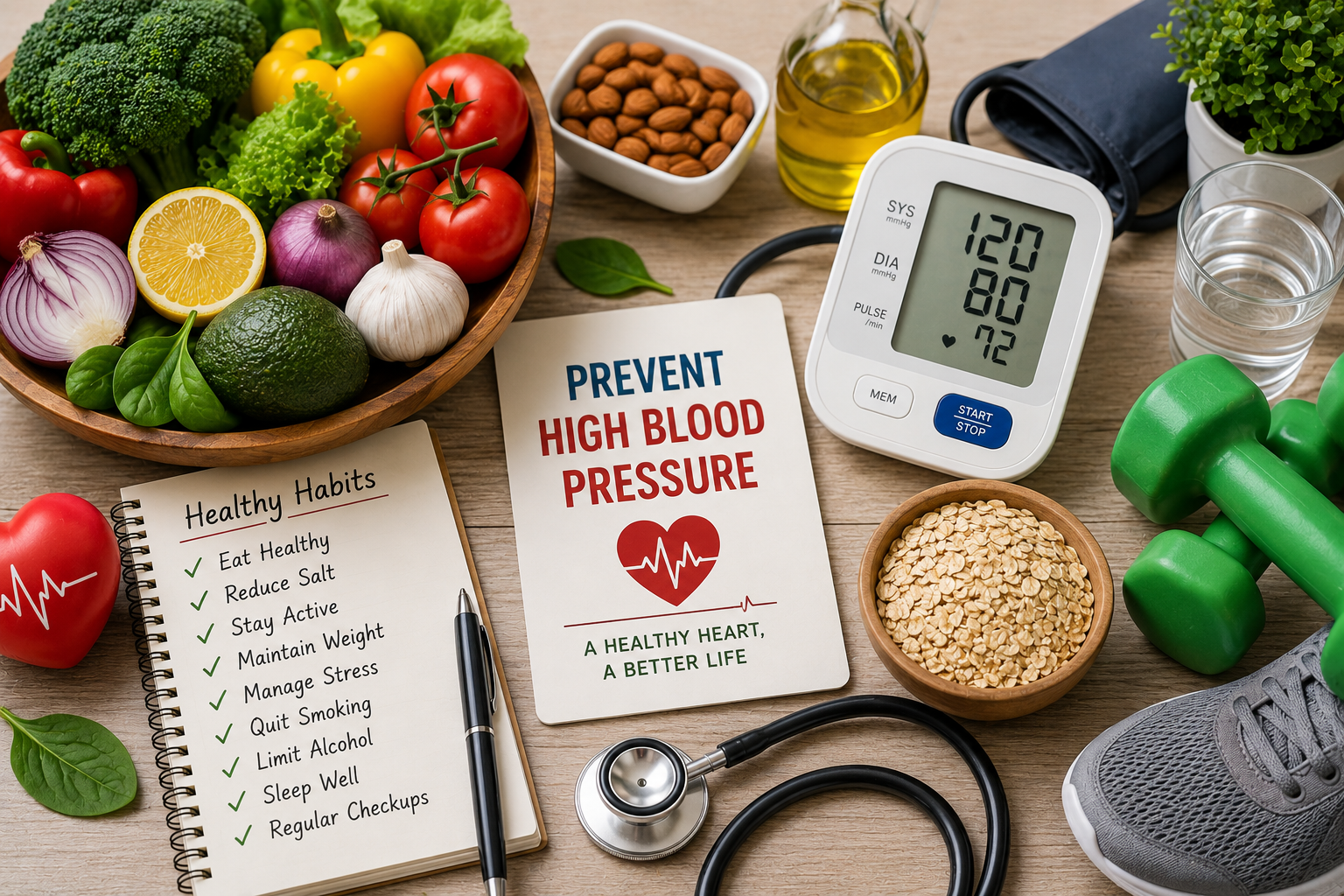
Tips to Prevent High Blood Pressure
High blood pressure, also known as hypertension, is a common health condition that often develops without noticeable symptoms. Over time, uncontrolled high blood pressure can increase the risk of heart disease, stroke, kidney disease, and other serious health complications. The good news is that many cases can be prevented or managed through healthy lifestyle choices.
Preventing high blood pressure naturally involves maintaining a balanced diet, staying physically active, managing stress, getting enough sleep, and attending regular health checkups. These habits support healthy blood circulation and overall cardiovascular wellness.
What Is High Blood Pressure?
Blood pressure is the force of blood pushing against the walls of your arteries as your heart pumps blood throughout the body.
When blood pressure remains consistently higher than normal over time, it is known as hypertension.
Regular blood pressure monitoring helps detect changes early, allowing timely lifestyle modifications or medical treatment if needed.
Why Preventing High Blood Pressure Is Important
Maintaining healthy blood pressure supports many important body functions.
Healthy blood pressure helps:
- Protect the heart
- Reduce the risk of stroke
- Support kidney health
- Maintain healthy blood vessels
- Improve brain function
- Reduce the risk of vision problems
- Promote overall long-term health
Preventive lifestyle habits benefit people of all ages.
Common Risk Factors for High Blood Pressure
Some risk factors cannot be changed, while others can be improved through healthy habits.
Non-Modifiable Risk Factors
- Increasing age
- Family history of hypertension
- Certain inherited conditions
Modifiable Risk Factors
- High sodium intake
- Overweight or obesity
- Physical inactivity
- Smoking
- Excess alcohol consumption
- Chronic stress
- Poor sleep habits
- Unhealthy diet
Managing these factors can significantly reduce the risk of developing hypertension.
Tips to Prevent High Blood Pressure Naturally
1. Eat a Heart-Healthy Diet
A nutritious eating pattern supports healthy blood pressure and cardiovascular health.
Include More of These Foods
- Fresh fruits
- Vegetables
- Whole grains
- Oats
- Brown rice
- Beans
- Lentils
- Low-fat dairy products
- Fish
- Lean chicken
- Nuts and seeds
A colorful variety of plant-based foods provides potassium, fiber, and antioxidants that support overall health.
2. Reduce Sodium Intake
Consuming too much sodium may contribute to elevated blood pressure in many individuals.
Simple Ways to Reduce Salt
- Cook with fresh herbs and spices.
- Limit packaged and processed foods.
- Read nutrition labels before purchasing foods.
- Avoid adding extra salt at the table.
Preparing meals at home makes it easier to control sodium intake.
3. Stay Physically Active
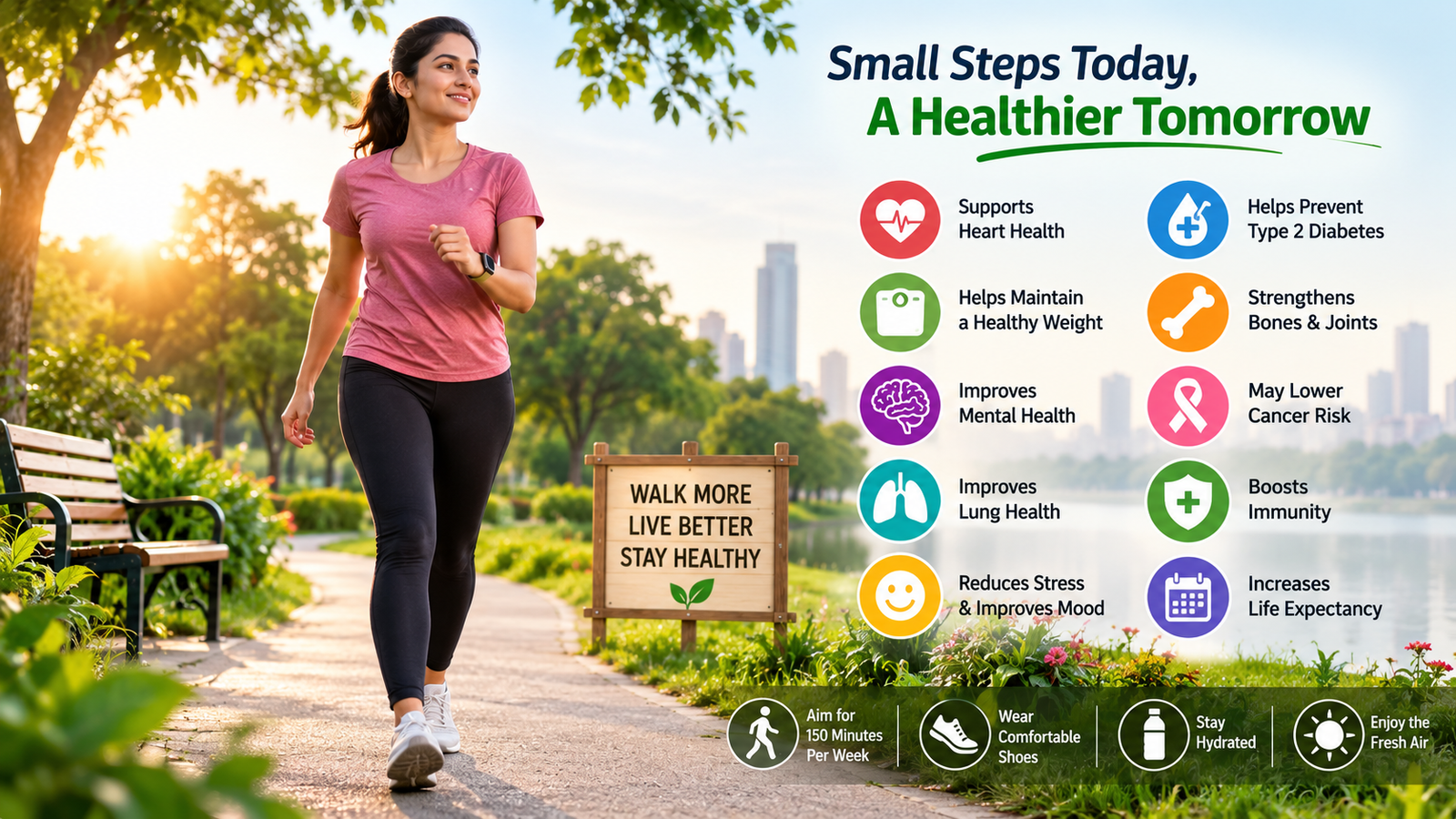
Regular physical activity strengthens the heart and helps support healthy blood pressure.
Recommended Activities
- Brisk walking
- Cycling
- Swimming
- Jogging
- Dancing
- Yoga
Adults should aim for at least 150 minutes of moderate-intensity physical activity each week, plus muscle-strengthening activities on two or more days.
4. Maintain a Healthy Weight
Maintaining a healthy weight can help lower the risk of developing hypertension.
Healthy Weight Management Tips
- Eat balanced meals
- Control portion sizes
- Stay physically active
- Avoid sugary beverages
- Limit highly processed foods
Small, sustainable lifestyle changes are often easier to maintain over time.
5. Eat More Potassium-Rich Foods
Potassium helps balance sodium levels and supports normal blood pressure regulation.
Potassium-Rich Foods
- Bananas
- Oranges
- Spinach
- Sweet potatoes
- Tomatoes
- Avocados
- Beans
- Yogurt
People with kidney disease or certain medical conditions should consult their healthcare provider before significantly increasing potassium intake.
6. Manage Stress Effectively
Long-term stress may contribute to temporary increases in blood pressure and encourage unhealthy lifestyle habits.
Healthy Ways to Reduce Stress
- Practice deep breathing exercises
- Try meditation or mindfulness
- Spend time outdoors
- Read a book
- Listen to calming music
- Practice yoga
- Spend time with family and friends
Making time for relaxation every day can support both heart health and emotional well-being.
7. Get Enough Quality Sleep
Good sleep is essential for maintaining healthy blood pressure and overall cardiovascular health.
Recommended Sleep Duration
- Adults: 7–9 hours per night
- Teenagers: 8–10 hours
- School-age children: 9–12 hours
Maintain a regular sleep schedule by going to bed and waking up at the same time each day.
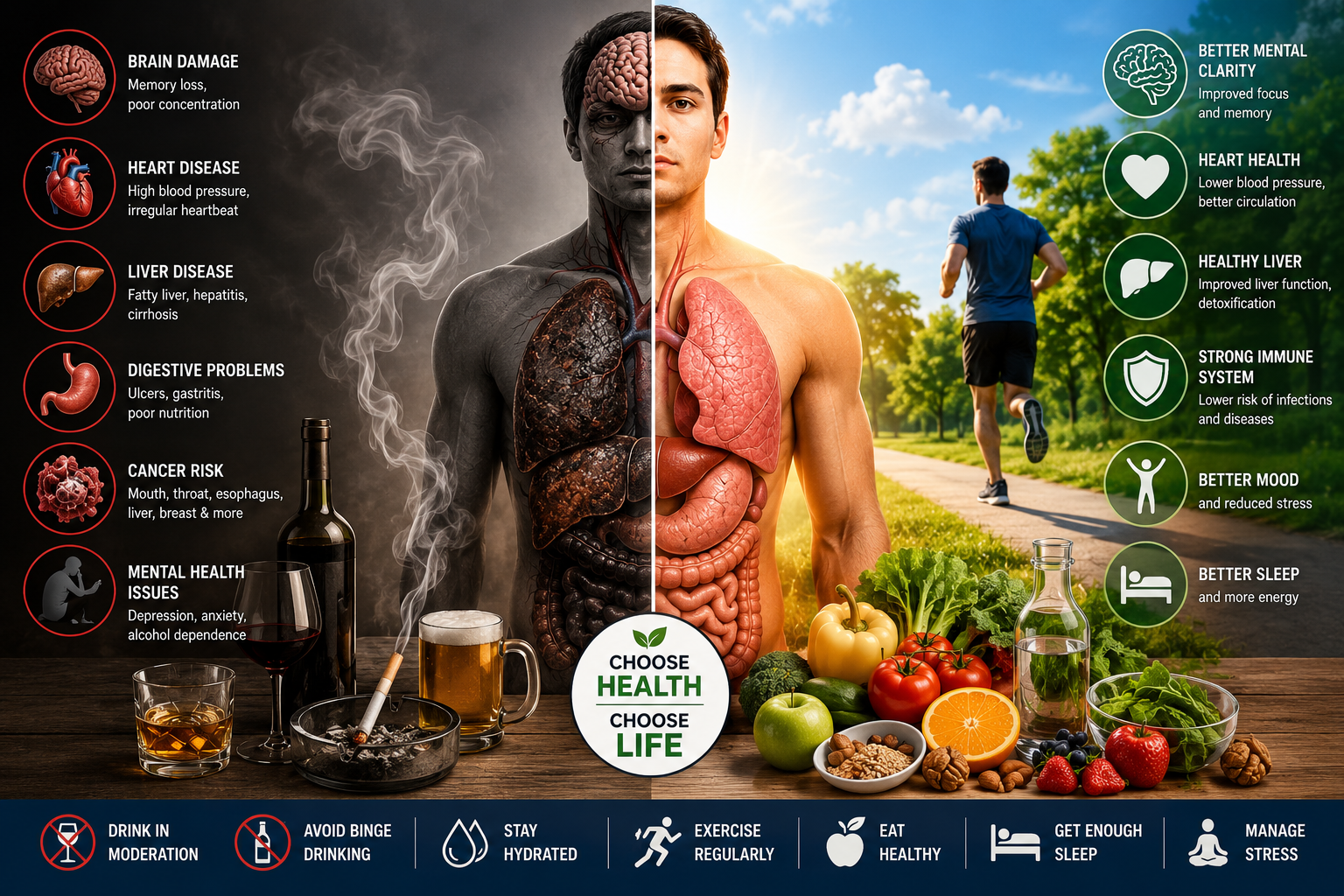
8. Avoid Smoking and Limit Alcohol
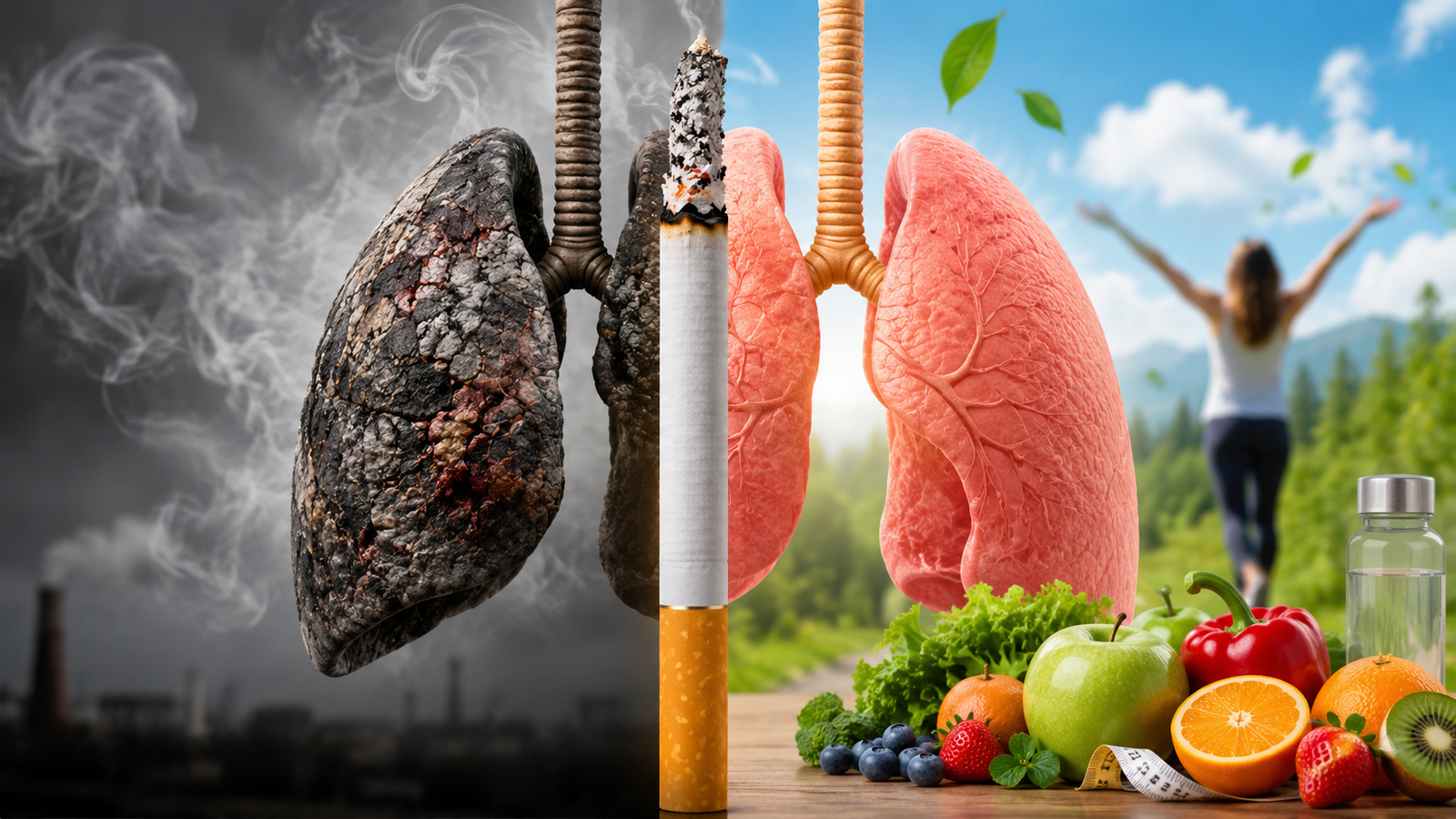
Smoking damages blood vessels and significantly increases the risk of heart disease and high blood pressure.
Healthy Choices
- Quit smoking if you currently smoke.
- Avoid exposure to secondhand smoke.
- If you drink alcohol, do so in moderation and follow your healthcare provider’s advice.
These lifestyle changes benefit both heart and blood vessel health.
9. Stay Hydrated
Proper hydration supports normal body functions and overall cardiovascular health.
Healthy Hydration Tips
- Drink water regularly throughout the day.
- Carry a reusable water bottle.
- Choose water instead of sugary beverages.
- Eat water-rich fruits and vegetables.
Hydration is an important part of a healthy lifestyle.
10. Monitor Your Blood Pressure Regularly
Regular monitoring helps detect changes early and allows timely medical advice if needed.
Regular Health Checks
- Blood pressure
- Cholesterol levels
- Blood sugar
- Body weight
- Waist circumference
Routine screenings become even more important if you have a family history of hypertension or other cardiovascular risk factors.
Foods to Limit
Reduce Intake of
- Packaged snacks
- Processed meats
- Deep-fried foods
- Sugary soft drinks
- Fast food
- Instant noodles
- High-sodium canned foods
- Pickles with excess salt
- Salty chips
Replacing processed foods with fresh, homemade meals can help reduce sodium intake.
Daily Habits That Support Healthy Blood Pressure
Exercise Every Day
Aim to stay active daily by:
- Walking
- Cycling
- Swimming
- Gardening
- Taking the stairs
- Stretching regularly
Even moderate daily activity supports heart health.
Eat Balanced Meals
Each meal should include:
- Vegetables
- Fruits
- Whole grains
- Lean protein
- Healthy fats
A balanced eating pattern helps support healthy blood pressure.
Maintain a Healthy Weight
Achieving and maintaining a healthy body weight reduces strain on the heart and blood vessels.
Limit Caffeine If Advised
Some individuals may experience temporary increases in blood pressure after consuming caffeine. If you have hypertension or are sensitive to caffeine, discuss appropriate intake with your healthcare provider.
Keep Medical Appointments
Follow your healthcare provider’s recommendations for routine health screenings and prescribed treatments if you have elevated blood pressure or other cardiovascular risk factors.
Warning Signs That Need Immediate Medical Attention
Seek emergency medical care immediately if you experience:
- Severe chest pain
- Sudden shortness of breath
- Severe headache with confusion
- Blurred or sudden loss of vision
- Difficulty speaking
- Weakness or numbness on one side of the body
- Fainting
- Severe dizziness
These symptoms may indicate a medical emergency such as a heart attack or stroke and require immediate evaluation.
Frequently Asked Questions
Can high blood pressure be prevented naturally?
Many cases of high blood pressure can be prevented or delayed through healthy lifestyle habits, including eating a balanced diet, exercising regularly, maintaining a healthy weight, reducing sodium intake, avoiding smoking, and managing stress.
Which foods help maintain healthy blood pressure?
Foods such as leafy green vegetables, fruits, whole grains, beans, low-fat dairy products, fish, nuts, and seeds can be part of a heart-healthy eating pattern that supports normal blood pressure.
Is walking good for blood pressure?
Yes. Regular brisk walking is a moderate-intensity exercise that supports cardiovascular fitness and may help maintain healthy blood pressure when combined with other healthy lifestyle habits.
How often should I check my blood pressure?
The recommended frequency depends on your age, health status, and individual risk factors. Your healthcare provider can advise you on an appropriate monitoring schedule.
Can stress increase blood pressure?
Stress may temporarily raise blood pressure and contribute to unhealthy habits such as overeating, smoking, or poor sleep. Managing stress is an important part of maintaining overall cardiovascular health.
Key Takeaways
- Healthy lifestyle habits play an important role in preventing high blood pressure.
- Eat a balanced diet rich in fruits, vegetables, whole grains, lean proteins, and low-fat dairy products.
- Reduce sodium intake by limiting processed and packaged foods.
- Exercise regularly for at least 150 minutes each week.
- Maintain a healthy weight, get enough sleep, stay hydrated, and manage stress.
- Avoid smoking and limit alcohol consumption.
- Monitor your blood pressure regularly and attend routine health checkups.
Conclusion
Preventing high blood pressure starts with simple daily habits that support long-term heart health. Eating nutritious foods, reducing sodium, staying physically active, maintaining a healthy weight, sleeping well, managing stress, and avoiding tobacco can significantly reduce the risk of hypertension and its complications. While some risk factors such as age and family history cannot be changed, healthy lifestyle choices can greatly improve overall cardiovascular health.
By making small, consistent improvements to your daily routine and keeping up with regular medical checkups, you can help maintain healthy blood pressure and lower your risk of heart disease, stroke, and kidney problems.