How to Prevent Diabetes Naturally
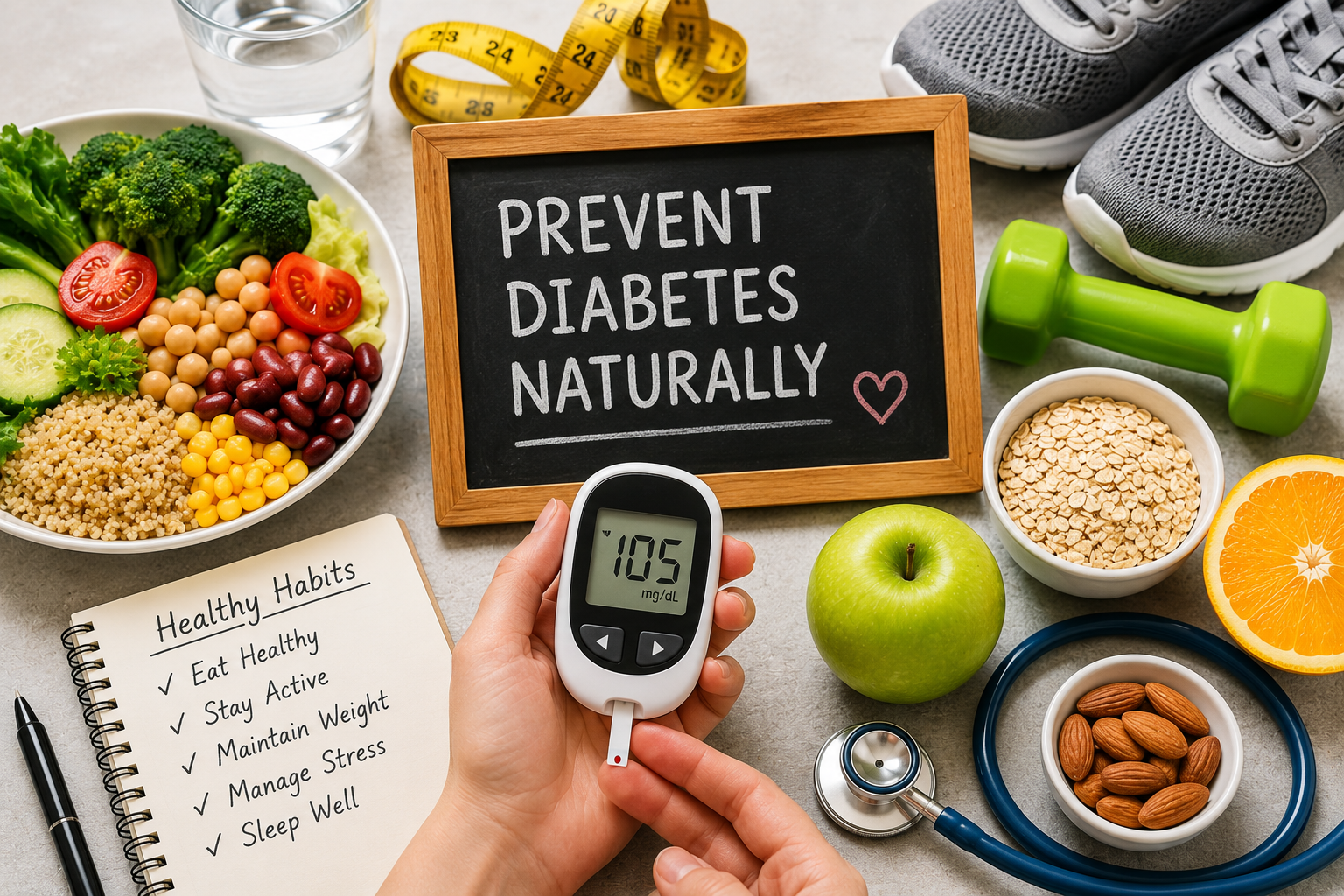
Diabetes is a long-term health condition that affects how your body regulates blood sugar (glucose). While some forms of diabetes cannot be prevented, many cases of type 2 diabetes can be delayed or prevented through healthy lifestyle habits. Eating a balanced diet, staying physically active, maintaining a healthy weight, getting enough sleep, and managing stress all play an important role in supporting healthy blood sugar levels.
Natural prevention focuses on building sustainable daily habits rather than relying on quick fixes. These healthy choices not only reduce the risk of diabetes but also improve heart health, energy levels, and overall well-being.
What Is Diabetes?
Diabetes is a condition in which the body has difficulty regulating blood glucose levels due to problems with insulin production, insulin action, or both.
Main Types of Diabetes
- Type 1 diabetes
- Type 2 diabetes
- Gestational diabetes
This article focuses on natural ways to help reduce the risk of type 2 diabetes.
Why Diabetes Prevention Is Important
Preventing diabetes can help reduce the risk of serious health complications.
Healthy blood sugar management supports:
- Heart health
- Kidney function
- Eye health
- Healthy nerves
- Brain function
- Energy levels
- Overall quality of life
Adopting healthy habits early can make a significant difference over time.
Common Risk Factors for Type 2 Diabetes
Some risk factors cannot be changed, while others can be improved through lifestyle changes.
Non-Modifiable Risk Factors
- Family history of diabetes
- Increasing age
- Certain ethnic backgrounds
- History of gestational diabetes
Modifiable Risk Factors
- Overweight or obesity
- Physical inactivity
- Unhealthy diet
- High blood pressure
- High cholesterol
- Smoking
- Poor sleep habits
Managing these factors may help reduce the risk of developing type 2 diabetes.
Natural Ways to Prevent Diabetes
1. Eat a Balanced and Nutritious Diet
Healthy eating is one of the most effective ways to support healthy blood sugar levels.
Include More of These Foods
- Fresh fruits
- Non-starchy vegetables
- Whole grains
- Brown rice
- Oats
- Lentils
- Beans
- Chickpeas
- Lean chicken
- Fish
- Eggs
- Low-fat dairy products
- Nuts and seeds
Eating a variety of nutrient-rich foods provides fiber, vitamins, minerals, and protein that support overall health.
2. Increase Your Fiber Intake
Fiber slows digestion and helps maintain steadier blood sugar levels after meals.
High-Fiber Foods
- Oats
- Apples
- Pears
- Berries
- Broccoli
- Carrots
- Lentils
- Beans
- Whole wheat bread
- Quinoa
Aim to include fiber-rich foods in every meal whenever possible.
3. Limit Added Sugar and Refined Carbohydrates
Foods high in added sugars and refined carbohydrates may contribute to blood sugar spikes.
Reduce Intake of
- Sugary soft drinks
- Candy
- Sweet desserts
- White bread
- Cakes
- Pastries
- Sugary breakfast cereals
- Sweetened fruit drinks
Replace these with whole foods whenever possible.
4. Stay Physically Active
Regular exercise helps improve insulin sensitivity and supports healthy weight management.
Recommended Activities
- Brisk walking
- Cycling
- Swimming
- Jogging
- Dancing
- Strength training
- Yoga
Adults should aim for at least 150 minutes of moderate-intensity physical activity each week, along with muscle-strengthening exercises on two or more days.
5. Maintain a Healthy Weight
Even modest weight loss may help reduce the risk of developing type 2 diabetes in people who are overweight.
Healthy Weight Management Tips
- Eat balanced meals
- Control portion sizes
- Exercise regularly
- Avoid sugary drinks
- Stay consistent with healthy habits
Maintaining a healthy weight supports better blood sugar control and overall health.
6. Get Enough Quality Sleep
Sleep plays an important role in maintaining healthy blood sugar levels and overall metabolic health.
Recommended Sleep Duration
- Adults: 7–9 hours per night
- Teenagers: 8–10 hours
- School-age children: 9–12 hours
Poor sleep may affect insulin sensitivity, appetite, and energy levels. Aim for a consistent sleep schedule by going to bed and waking up at the same time each day.
7. Manage Stress Effectively
Chronic stress may influence blood sugar levels and lead to unhealthy lifestyle habits.
Healthy Ways to Reduce Stress
- Practice deep breathing exercises
- Try meditation or mindfulness
- Spend time in nature
- Read a book
- Listen to calming music
- Spend time with family and friends
- Practice yoga or gentle stretching
Managing stress regularly supports both physical and mental health.
8. Stay Hydrated
Drinking enough water helps support normal body functions and may reduce the intake of sugary beverages.
Healthy Hydration Tips
- Drink water throughout the day.
- Carry a reusable water bottle.
- Choose water instead of sugary soft drinks.
- Include water-rich fruits and vegetables in your diet.
Proper hydration is an important part of a healthy lifestyle.
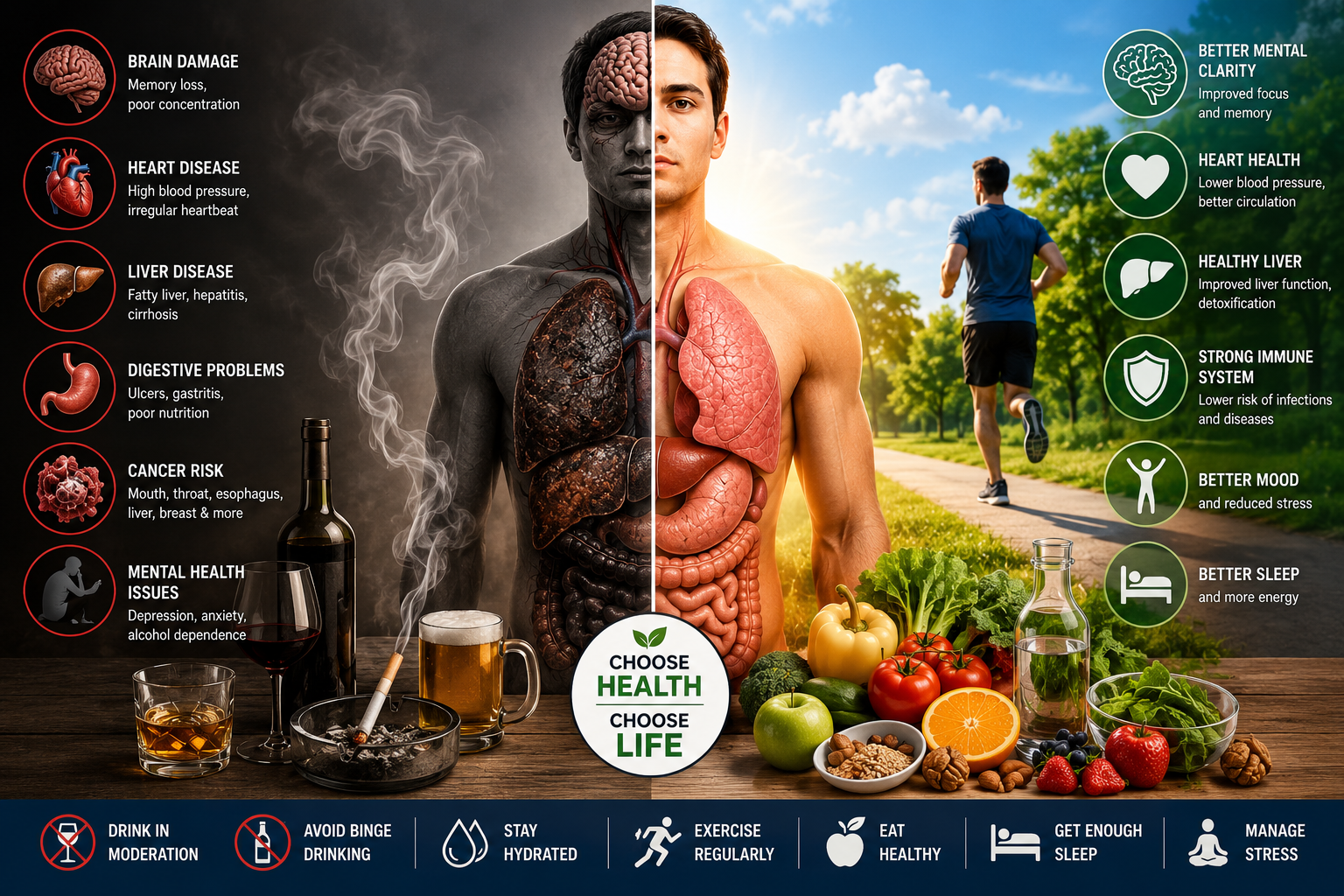
9. Avoid Smoking and Limit Alcohol
Smoking increases the risk of many chronic diseases, including cardiovascular disease, which is often associated with diabetes.
Healthy Choices
- Quit smoking if you currently smoke.
- Avoid exposure to secondhand smoke.
- If you drink alcohol, do so in moderation and follow your healthcare provider’s advice.
These habits contribute to better long-term health.
10. Schedule Regular Health Checkups
Routine health screenings can help detect changes in blood sugar before symptoms develop.
Important Health Checks
- Fasting blood glucose
- HbA1c (glycated hemoglobin)
- Blood pressure
- Cholesterol levels
- Body weight
- Waist circumference
Early detection allows healthcare professionals to recommend appropriate lifestyle changes or treatment when necessary.
Foods to Limit
Reduce Intake of
- Sugary soft drinks
- Candy and chocolates
- Cakes and pastries
- White bread
- White rice in large portions
- Deep-fried foods
- Packaged snacks
- Processed meats
- Highly processed fast food
Replacing these foods with whole, minimally processed options supports healthy blood sugar management.
Daily Habits That Help Maintain Healthy Blood Sugar
Eat Meals on a Regular Schedule
Skipping meals may lead to overeating later in the day. Aim for balanced meals at regular intervals.
Control Portion Sizes
Using appropriate portion sizes can help avoid excessive calorie intake and support healthy weight management.
Stay Active Throughout the Day
Simple activities such as walking after meals, taking the stairs, gardening, or stretching regularly help reduce prolonged sitting.
Choose Whole Foods
Fill your plate with:
- Fresh vegetables
- Fruits
- Whole grains
- Lean proteins
- Healthy fats
- Legumes
Whole foods provide fiber and nutrients that support overall health.
Monitor Your Health
If you have risk factors for diabetes, follow your healthcare provider’s recommendations for regular blood sugar testing and preventive care.
Warning Signs That Require Medical Attention
Consult a healthcare professional if you experience:
- Frequent urination
- Excessive thirst
- Increased hunger
- Unexplained weight loss
- Blurred vision
- Slow-healing cuts or wounds
- Frequent infections
- Persistent fatigue
- Tingling or numbness in the hands or feet
These symptoms do not always indicate diabetes, but they should be evaluated promptly.
Frequently Asked Questions
Can type 2 diabetes be prevented naturally?
Many cases of type 2 diabetes can be delayed or prevented by maintaining a healthy weight, eating a balanced diet, staying physically active, getting enough sleep, avoiding smoking, and attending regular health checkups.
Which foods help lower the risk of diabetes?
Whole grains, vegetables, fruits, legumes, lean proteins, nuts, seeds, and healthy fats can be part of a balanced eating pattern that supports healthy blood sugar levels.
Is walking good for diabetes prevention?
Yes. Regular brisk walking is a moderate-intensity physical activity that helps improve insulin sensitivity, supports weight management, and benefits overall health.
How often should blood sugar be checked?
The frequency depends on your age, risk factors, family history, and overall health. Your healthcare provider can recommend an appropriate screening schedule.
Can thin people develop diabetes?
Yes. Although excess body weight increases the risk of type 2 diabetes, people with a healthy weight can also develop diabetes due to genetics, age, medical conditions, or other risk factors.
Key Takeaways
- Many cases of type 2 diabetes can be delayed or prevented through healthy lifestyle choices.
- Eat a balanced diet rich in vegetables, fruits, whole grains, legumes, lean proteins, and healthy fats.
- Exercise regularly for at least 150 minutes each week.
- Maintain a healthy body weight and stay hydrated.
- Get adequate sleep and manage stress effectively.
- Avoid smoking and limit highly processed foods and sugary beverages.
- Schedule regular health screenings, especially if you have diabetes risk factors.
Conclusion
Preventing type 2 diabetes naturally begins with healthy daily habits that support stable blood sugar levels and overall wellness. Eating a nutritious, balanced diet, staying physically active, maintaining a healthy weight, sleeping well, and managing stress all contribute to reducing diabetes risk. While genetics and age cannot be changed, many lifestyle-related risk factors can be improved through consistent, long-term healthy choices.
Small changes—such as replacing sugary drinks with water, choosing whole grains over refined carbohydrates, and taking a daily walk—can make a meaningful difference over time. Combined with regular medical checkups and early screening, these habits help support lifelong health and reduce the likelihood of developing type 2 diabetes.