Knowing how long cooked food remains safe to eat is one of the most important aspects of food safety. Every year, millions of people suffer from foodborne illnesses caused by improperly stored leftovers or cooked meals that have exceeded their safe storage time. While refrigeration and freezing help preserve food, they do not keep cooked food safe forever.
This Cooked Food Expiration Guide: Storage Time You Need to Know explains exactly how long common cooked foods last in the refrigerator and freezer, how to recognize signs of spoilage, and the best practices for storing leftovers safely. You’ll also learn why proper cooling, airtight containers, and correct reheating temperatures matter just as much as storage time.
Whether you prepare weekly meal prep, cook family dinners, or simply want to reduce food waste, Cooked Food Expiration Guide based on food safety principles. By following these storage guidelines, you can protect your health, save money, and enjoy your meals with confidence.
What Is a Cooked Food Expiration Guide?
A cooked food expiration guide is a practical reference that explains how long cooked foods remain safe to eat when stored under proper conditions. Unlike packaged foods that display expiration or “best before” dates, homemade meals rely on correct refrigeration, freezing, and handling practices to stay safe.
Storage time depends on several factors, including the type of food, cooking method, storage temperature, and whether the food was cooled promptly after cooking. Most cooked foods stay fresh for only a few days in the refrigerator but can remain safe for several months in the freezer. Following recommended storage times helps reduce food waste while lowering the risk of foodborne illness caused by bacteria such as Salmonella, Listeria, and E. coli.
Why Safe Storage Times Matter
Safe storage times are essential because harmful bacteria can multiply rapidly when cooked food is left at unsafe temperatures. Even foods that look, smell, and taste normal may contain dangerous microorganisms capable of causing food poisoning.
Proper storage protects your family’s health while preserving food quality, flavor, and nutritional value. Understanding recommended storage times also helps you organize meal prep, avoid unnecessary waste, and save money by using leftovers before they spoil. Developing good food storage habits is one of the simplest ways to improve kitchen safety and maintain a healthier household.
Understanding the 2-Hour Rule
The two-hour rule is one of the most important food safety recommendations. After cooking, food should not remain at room temperature for more than two hours. If the surrounding temperature exceeds 90°F (32°C), such as during hot weather or outdoor gatherings, food should be refrigerated within one hour.
Between 40°F and 140°F (4°C–60°C), bacteria multiply rapidly in what food safety experts call the “danger zone.” Refrigerating leftovers promptly slows bacterial growth significantly. Divide large meals into shallow containers before refrigerating to help food cool quickly and evenly. This simple habit greatly reduces the risk of foodborne illness.
Refrigerator Storage Times for Cooked Foods
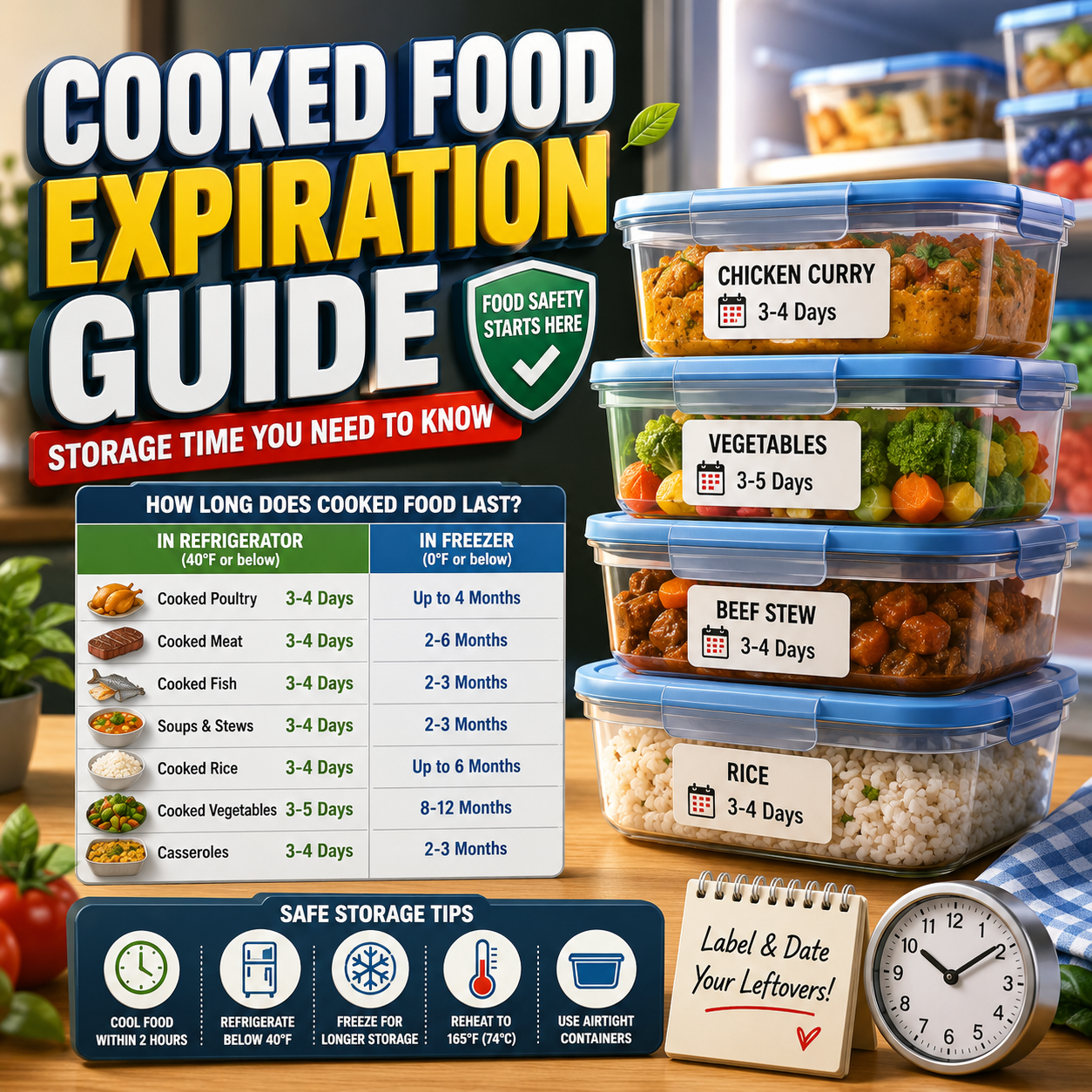
Proper refrigeration keeps cooked food safe for several days, but different foods have different storage limits. The table below provides general recommendations.
| Cooked Food | Refrigerator Storage Time |
| Cooked chicken | 3–4 days |
| Cooked turkey | 3–4 days |
| Cooked beef | 3–4 days |
| Cooked pork | 3–4 days |
| Cooked fish | 3–4 days |
| Cooked shrimp | 3–4 days |
| Soups | 3–4 days |
| Stews | 3–4 days |
| Pizza | 3–4 days |
| Cooked rice | 3–4 days |
| Cooked pasta | 3–5 days |
| Cooked vegetables | 3–5 days |
| Egg dishes | 3–4 days |
| Casseroles | 3–4 days |
| Cooked beans | 3–5 days |
These storage times assume the food has been refrigerated promptly at or below 40°F (4°C). If food has been left out too long or stored improperly, discard it regardless of its appearance.
How Long Does Cooked Chicken Last?
Cooked chicken remains one of the most commonly stored leftovers, making proper storage especially important. Refrigerated cooked chicken generally stays safe for three to four days when stored in airtight containers. For longer storage, freezing extends its shelf life to approximately four months while maintaining good quality.
Always cool chicken within two hours after cooking and refrigerate it promptly. When reheating, ensure the internal temperature reaches 165°F (74°C). If the chicken develops an unpleasant odor, slimy texture, or unusual color, discard it immediately rather than tasting it.
How Long Does Cooked Rice Last?
Cooked rice requires special attention because uncooked rice can contain spores of Bacillus cereus, a bacterium that survives cooking. If cooked rice remains at room temperature for too long, these spores may grow into bacteria capable of producing toxins that cause food poisoning.
Store cooked rice in shallow containers and refrigerate it within two hours of cooking. Properly refrigerated rice remains safe for three to four days. Frozen rice can maintain good quality for up to six months. Always reheat rice thoroughly until steaming hot throughout before serving.
How Long Do Soups and Stews Last?
Soups and stews are excellent leftovers because they freeze well and often taste even better the next day. However, they should still be cooled and stored correctly. Divide large pots into smaller containers before refrigeration so they cool more quickly.
Most homemade soups and stews stay safe for three to four days in the refrigerator and two to three months in the freezer. Cream-based soups may separate after freezing but generally remain safe to eat if handled properly. Reheat soups until they reach a full rolling boil or an internal temperature of 165°F (74°C).
Best Practices for Storing Cooked Food
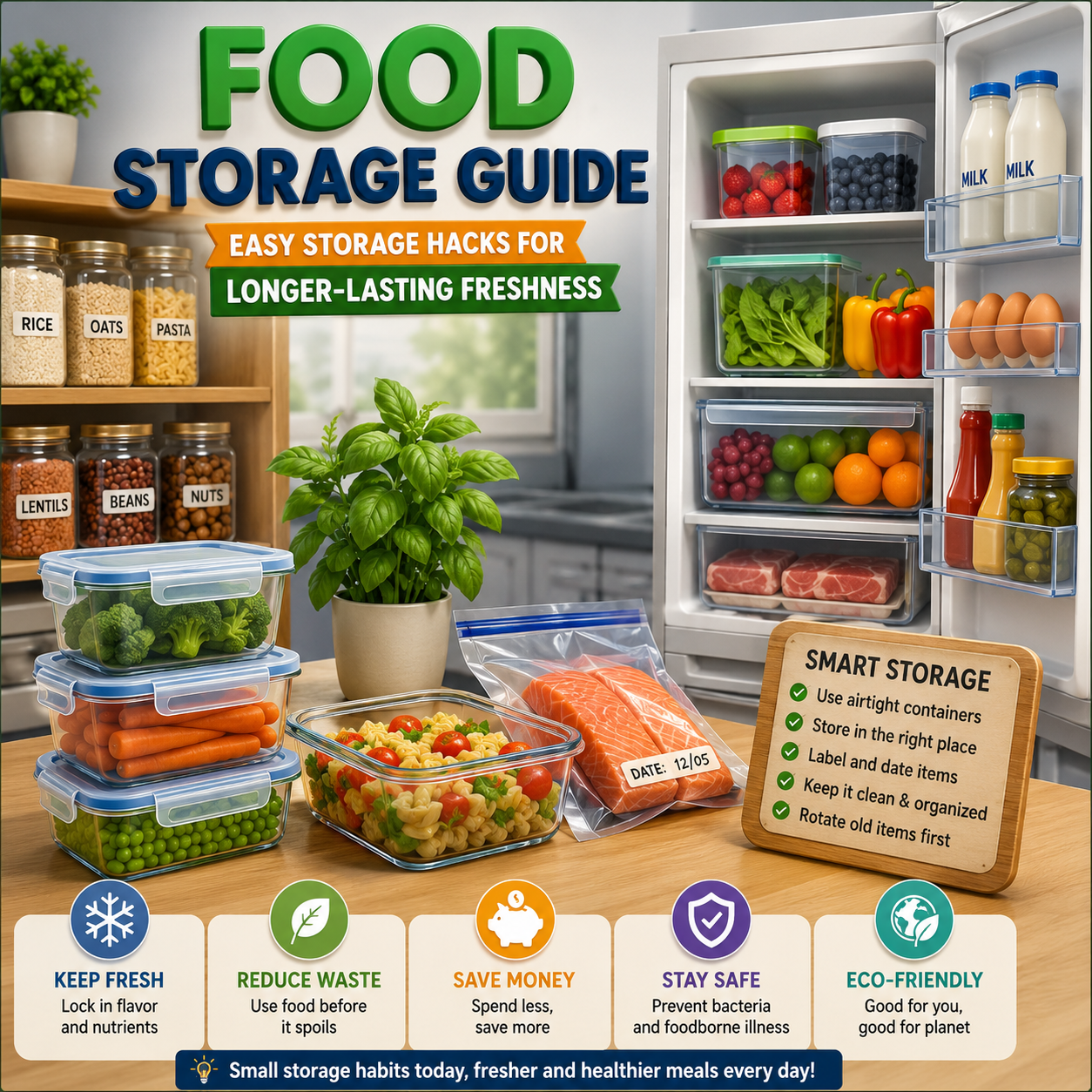
Proper storage involves more than placing leftovers in the refrigerator. Following a few simple practices helps maximize freshness and reduce food safety risks.
Recommended storage practices include:
- Refrigerate food within two hours of cooking.
- Use shallow containers for faster cooling.
- Label leftovers with the storage date.
- Keep refrigerator temperature below 40°F (4°C).
- Freeze foods you will not eat within four days.
- Store foods in airtight, food-grade containers.
- Avoid overfilling the refrigerator to maintain proper airflow.
- Separate raw foods from cooked foods to prevent cross-contamination.
These habits help preserve food quality while reducing the growth of harmful bacteria.
Freezer Storage Times for Cooked Foods
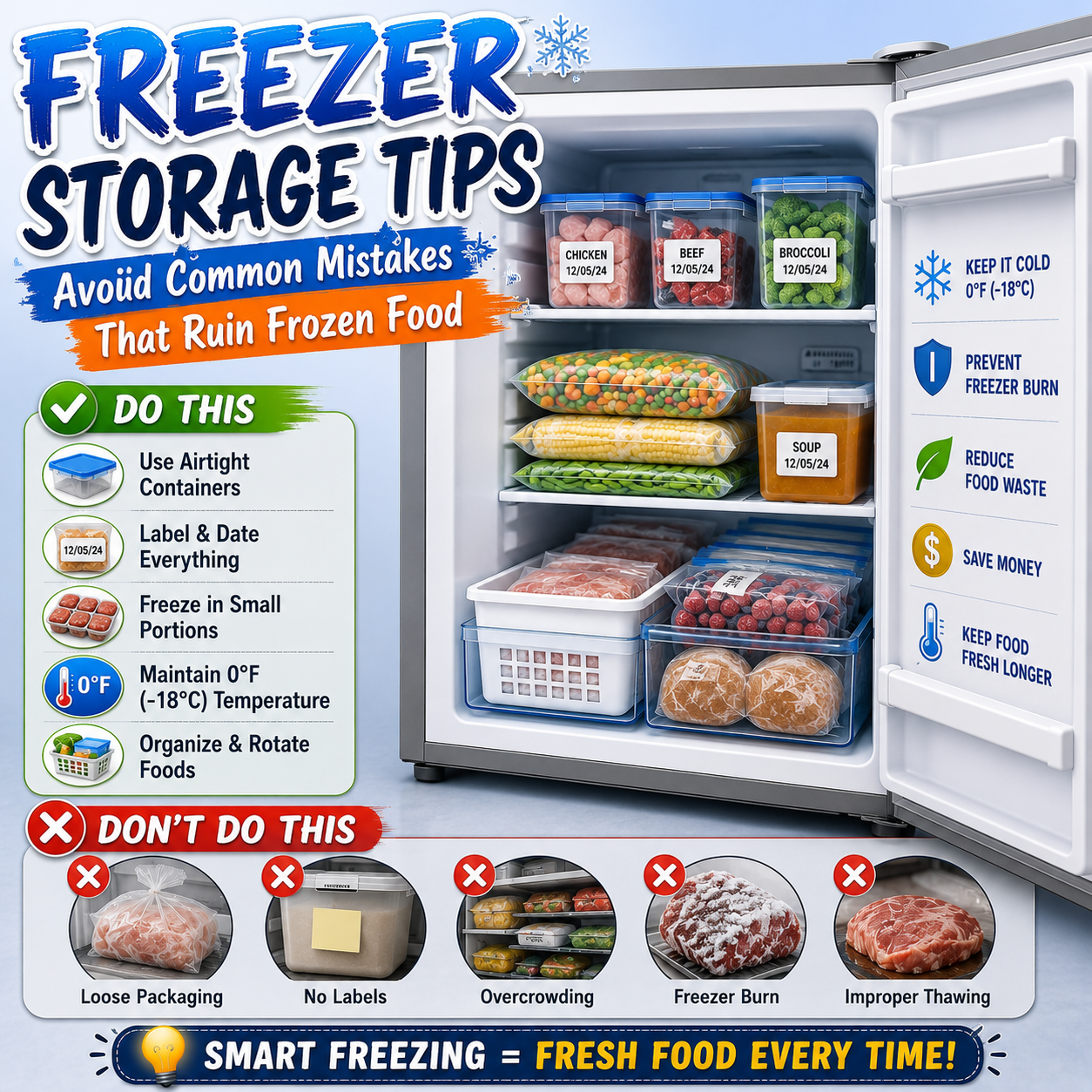
Freezing is one of the most effective ways to extend the shelf life of cooked food while maintaining safety. Although freezing stops the growth of bacteria, it does not kill all microorganisms. For the best taste and texture, consume frozen cooked foods within the recommended time frames. Always freeze food in airtight, freezer-safe containers or heavy-duty freezer bags to prevent freezer burn and moisture loss.
Before freezing, allow cooked food to cool in the refrigerator rather than placing large, hot dishes directly into the freezer. Label every container with the name of the food and the freezing date. This simple habit helps you rotate older items first and prevents forgotten leftovers from lingering in the freezer for too long.
Recommended Freezer Storage Times
| Cooked Food | Freezer Storage Time |
| Cooked chicken | Up to 4 months |
| Cooked turkey | Up to 4 months |
| Cooked beef | 2–6 months |
| Cooked pork | 2–3 months |
| Cooked fish | 2–3 months |
| Cooked shrimp | 2–3 months |
| Soups | 2–3 months |
| Stews | 2–3 months |
| Cooked rice | Up to 6 months |
| Cooked pasta | 2 months |
| Cooked vegetables | 8–12 months |
| Casseroles | 2–3 months |
| Pizza | 1–2 months |
| Cooked beans | 2–3 months |
Tip: Frozen food may remain safe beyond these timeframes if continuously kept at 0°F (-18°C) or below, but quality gradually declines.
Foods That Spoil the Fastest
Not all leftovers have the same shelf life. Some cooked foods naturally contain more moisture, protein, or dairy, making them more vulnerable to bacterial growth. Knowing which foods spoil quickly allows you to prioritize eating or freezing them first.
Foods that commonly spoil faster include:
- Seafood dishes
- Cream-based soups
- Dairy-rich casseroles
- Egg-based meals
- Cooked mushrooms
- Leafy green vegetables
- Soft cheeses
- Cooked shellfish
- Fresh sauces made with cream or milk
These foods should be refrigerated immediately after cooling and consumed within the recommended storage period. If you’re unsure how long they’ve been stored, it’s safest to discard them.
Signs Your Cooked Food Has Gone Bad
One of the biggest food safety mistakes is relying only on smell or appearance to determine whether food is safe. Harmful bacteria often grow without causing visible changes. However, certain signs strongly indicate that cooked food should be thrown away immediately.
Common warning signs include:
- Sour, unpleasant, or unusual odor
- Slimy or sticky surface
- Mold growth
- Discoloration or dark spots
- Bubbling in foods that should not ferment
- Leaking containers
- Swollen food packaging
- Unexpected texture changes
If you notice any of these signs, do not taste the food. Even a small amount of contaminated food can lead to foodborne illness.
Can You Trust the “Smell Test”?
Many people believe that if cooked food smells fine, it is safe to eat. Unfortunately, this is one of the most common food safety myths. Dangerous bacteria such as Listeria monocytogenes or Salmonella may not produce noticeable odors, colors, or flavors.
Instead of depending on your senses alone, follow these safer guidelines:
- Track the storage date.
- Follow recommended refrigerator and freezer timelines.
- Store food at safe temperatures.
- Discard leftovers when in doubt.
Remember the simple rule:
When in doubt, throw it out.
Discarding questionable leftovers is far less costly than dealing with food poisoning.
Common Food Storage Mistakes
Many cases of food spoilage happen because of small storage mistakes rather than poor cooking. Avoiding these errors can significantly improve food safety and reduce unnecessary waste.
Leaving Food Out Too Long
Cooked meals left at room temperature for several hours enter the temperature danger zone where bacteria multiply rapidly. Refrigerate leftovers within two hours of cooking.
Storing Hot Food in Deep Containers
Large containers trap heat, causing food to cool slowly. Divide leftovers into shallow containers so they cool quickly and evenly.
Overcrowding the Refrigerator
An overfilled refrigerator blocks cold air circulation, creating warm spots that shorten food shelf life. Keep enough space between containers for proper airflow.
Forgetting to Label Leftovers
Without labels, it’s easy to lose track of when food was prepared. Mark every container with the cooking or storage date to make timely decisions.
Reheating Food Multiple Times
Repeated reheating increases the risk of bacterial contamination and reduces food quality. Reheat only the portion you plan to eat.
Mixing Fresh and Old Leftovers
Combining newly cooked food with older leftovers can shorten the freshness of the entire batch. Store them separately whenever possible.
How to Cool Cooked Food Safely
Cooling food correctly is just as important as cooking it thoroughly. Large portions retain heat for a long time, allowing bacteria to multiply if not cooled efficiently.
To cool food safely:
- Divide large dishes into smaller portions.
- Use shallow storage containers.
- Leave small gaps between containers in the refrigerator.
- Avoid stacking hot containers.
- Refrigerate within two hours.
- Stir soups or stews occasionally while cooling to release heat more evenly.
These practices help food reach safe refrigeration temperatures more quickly.
Safe Reheating Guidelines
Reheating leftovers properly destroys most bacteria that may have multiplied during storage. However, reheating cannot destroy all toxins produced by certain bacteria if food has been stored improperly. Safe storage must always come before safe reheating.
Recommended Reheating Temperature
All cooked leftovers should reach an internal temperature of 165°F (74°C) before serving. Use a food thermometer for accuracy, especially with meat, casseroles, and thick dishes.
Microwave Reheating Tips
Microwaves often heat unevenly, leaving cold spots where bacteria can survive. To improve safety:
- Stir food halfway through heating.
- Cover dishes with a microwave-safe lid or vented cover.
- Allow standing time after heating.
- Check that the center is piping hot.
Reheating on the Stove
Soups, sauces, and stews should be brought to a rolling boil or heated until they reach 165°F (74°C). Stir frequently to distribute heat evenly.
Oven Reheating
Cover casseroles, baked pasta, and roasted meats with foil to retain moisture while reheating. Verify the internal temperature before serving.
Should You Refreeze Cooked Food?
Cooked food that has been thawed safely in the refrigerator can usually be refrozen if it has not been left at room temperature for more than two hours. However, each freeze-and-thaw cycle reduces texture, flavor, and overall quality.
Avoid refreezing food that has:
- Been thawed on the kitchen counter
- Been left in the danger zone
- Been reheated multiple times
- Shown signs of spoilage
For the best quality, freeze leftovers only once and portion them into meal-sized servings before freezing.
Meal Prep Storage Tips
Meal preparation can save time and support healthy eating, but it requires careful storage practices to keep meals safe throughout the week.
Follow these meal prep tips:
- Prepare food in clean, sanitized containers.
- Refrigerate meals promptly.
- Store sauces separately when possible.
- Keep portions small for faster cooling.
- Eat refrigerated meal-prep dishes within 3–4 days.
- Freeze meals you won’t eat within that timeframe.
- Rotate meals using the “first in, first out” method.
Good meal prep habits reduce food waste and make healthy eating more convenient.
Frequently Asked Questions (FAQs)
1. How long can cooked chicken stay in the refrigerator?
Cooked chicken should be refrigerated within two hours of cooking and consumed within 3–4 days. Store it in an airtight container at or below 40°F (4°C). If you don’t plan to eat it within that time, freeze it for up to four months to maintain the best quality.
2. Can I freeze leftover pasta?
Yes. Cooked pasta freezes well for approximately two months. Cool it completely before freezing, use freezer-safe containers, and label each package with the date. Reheat thoroughly before serving.
3. Is it safe to eat leftovers cold?
Some foods are safe to eat cold if they have been stored properly and kept continuously refrigerated. However, foods such as meat dishes, casseroles, soups, and rice are generally safest when reheated to 165°F (74°C) before eating.
4. What temperature should my refrigerator be?
Your refrigerator should be maintained at 40°F (4°C) or below. A refrigerator thermometer is the easiest way to monitor temperature and ensure food remains safely chilled.
5. How should I store soups?
Allow soups to cool slightly, divide them into shallow containers, refrigerate within two hours, and consume within 3–4 days. Freeze portions you won’t use within that period.
6. Why should leftovers be labeled?
Labeling leftovers with the preparation date helps you monitor storage times, rotate older food first, and avoid accidentally eating food that has exceeded recommended safety guidelines.
7. What containers are best for storing leftovers?
Glass or BPA-free plastic airtight containers are ideal because they reduce moisture loss, minimize contamination, and help preserve freshness. Freezer-safe containers are recommended for long-term storage.
8. Can I refrigerate hot food?
Yes, but divide large quantities into shallow containers first. This allows food to cool faster and helps your refrigerator maintain a safe internal temperature.
9. Does reheating make spoiled food safe?
No. While reheating kills many bacteria, it cannot destroy all toxins produced by certain microorganisms. If food has spoiled or has been stored improperly, discard it rather than reheating it.
10. What’s the safest rule for leftovers?
The safest rule is simple: refrigerate leftovers within two hours, eat them within 3–4 days, freeze extras promptly, and when in doubt, throw them out.
Key Takeaways
- Refrigerate cooked food within 2 hours of cooking.
- Store leftovers at 40°F (4°C) or below.
- Most cooked foods stay safe for 3–4 days in the refrigerator.
- Freeze leftovers you won’t eat within four days.
- Reheat food to an internal temperature of 165°F (74°C).
- Use airtight containers to maintain freshness.
- Label leftovers with preparation dates.
- Never rely solely on smell or appearance to judge food safety.
- Follow the “When in doubt, throw it out” rule.
- Proper food storage reduces waste and prevents foodborne illness.
Conclusion
Proper food storage is one of the simplest yet most effective ways to protect your health, reduce food waste, and save money. Understanding how long cooked foods remain safe in the refrigerator and freezer helps you make informed decisions about leftovers and meal preparation. By following the two-hour rule, storing food at safe temperatures, using airtight containers, and reheating meals to 165°F (74°C), you significantly reduce the risk of foodborne illness.
Remember that every type of cooked food has its own recommended storage time, and appearance or smell alone should never determine whether food is safe to eat. Developing safe storage habits today can prevent unnecessary waste and protect your family from avoidable health risks.
Read Our Latest Blog:25 Best Foods for Weight Loss That Burn Fat Naturally & Keep You Full Longer