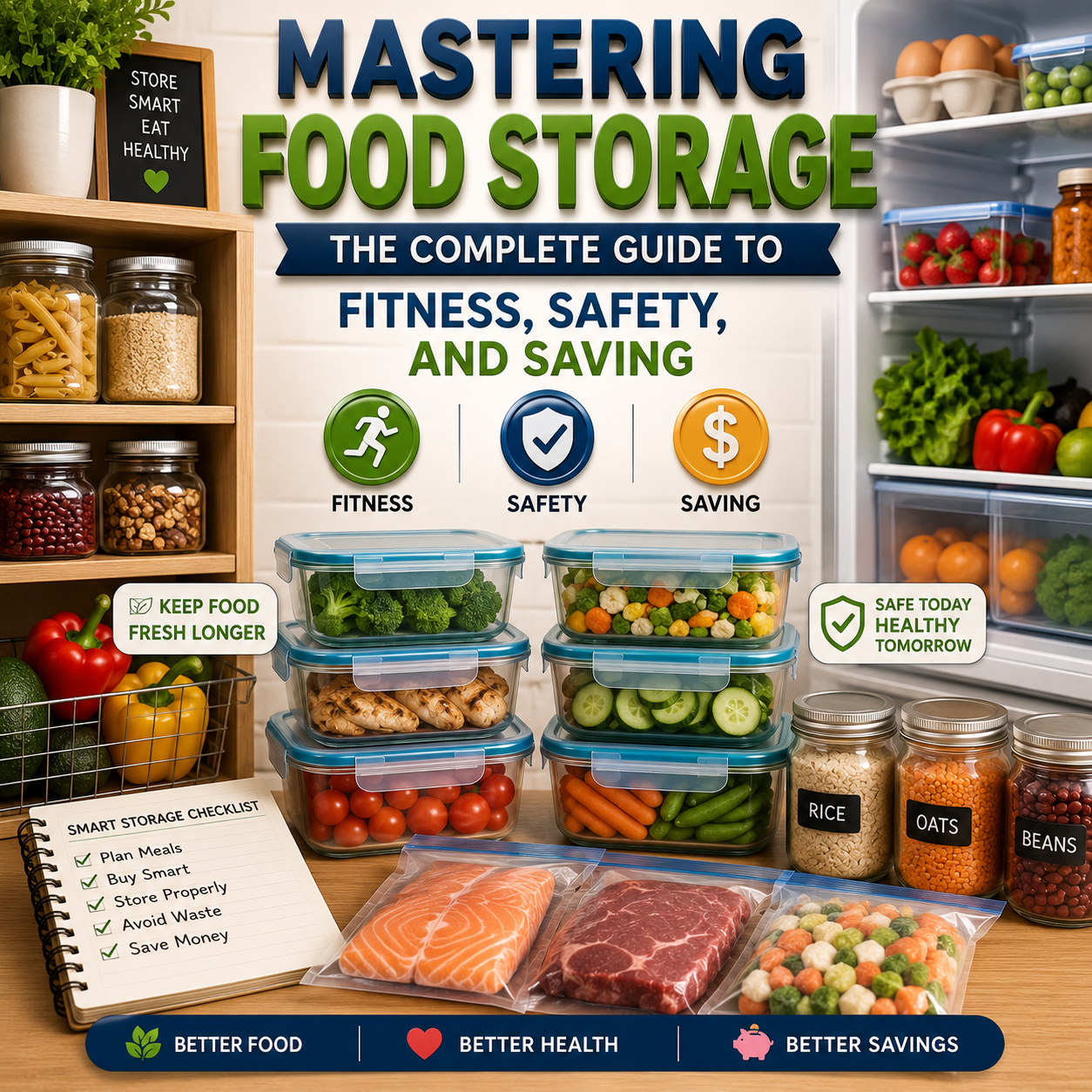
Mastering Food Storage is more than simply putting groceries into the refrigerator or pantry. It is one of the most important habits for maintaining good health, preventing foodborne illness, reducing household waste, and saving money. Every year, millions of people throw away perfectly edible food because it spoils too quickly or is stored incorrectly. Improper storage also increases the risk of bacterial contamination, nutritional loss, and unnecessary grocery expenses.
Mastering food storage helps you enjoy fresher meals, extend the shelf life of fruits, vegetables, dairy products, meat, and leftovers, and support a healthier lifestyle. Whether you’re meal prepping for fitness goals, feeding a family, or simply trying to cut costs, proper food storage makes a noticeable difference.
In this complete guide, you’ll learn the science behind food storage, practical storage techniques, refrigerator and freezer organization strategies, pantry best practices, common mistakes to avoid, and expert recommendations for keeping food safe and nutritious. By the end of this article, you’ll have the knowledge to build smarter kitchen habits that benefit your health, your budget, and the environment.
What Is Food Storage?
Food storage is the process of keeping food in suitable conditions that maintain its freshness, nutritional quality, flavor, and safety until it is consumed. Proper storage involves controlling temperature, humidity, light exposure, and air circulation while using appropriate containers and storage techniques for different food types.
Food storage is not a one-size-fits-all practice. Fresh produce, dairy products, cooked meals, grains, frozen foods, and canned goods all require different storage methods to maximize their shelf life. By understanding these requirements, you can reduce spoilage, improve food quality, and minimize waste.
Good food storage also protects food from contamination by bacteria, mold, insects, and moisture. Whether you use a refrigerator, freezer, pantry, or airtight container, the goal is to preserve food safely while retaining as much nutritional value as possible.
Why Mastering Food Storage Is Important
Proper food storage is one of the easiest ways to improve your overall health while saving both time and money. Incorrect storage often causes food to spoil long before its expected shelf life, leading to unnecessary waste and increased grocery bills. In contrast, storing food correctly keeps ingredients fresh, flavorful, and ready to use whenever you need them.
Food storage is also a key component of food safety. Harmful bacteria such as Salmonella, Listeria, and E. coli can multiply rapidly when food is stored at unsafe temperatures. Following safe storage practices significantly reduces the risk of foodborne illness.
Beyond health and safety, effective food storage supports sustainability. Reducing food waste lowers your environmental impact by conserving the resources used to produce, transport, and package food. It also helps households make better use of every grocery purchase.
The Science Behind Food Storage
Food naturally begins to deteriorate after it is harvested, processed, or cooked. Several factors contribute to this process, including bacterial growth, enzymatic activity, oxidation, moisture loss, and exposure to light or oxygen. Proper storage slows these processes and helps preserve food quality for longer periods.
Temperature is one of the most important factors affecting food preservation. Refrigeration slows the growth of harmful microorganisms, while freezing nearly stops bacterial activity altogether. Airtight containers reduce oxygen exposure, helping prevent oxidation that can cause foods to become stale or rancid.
Humidity also plays a significant role. Some fruits and vegetables require higher humidity to stay crisp, while others benefit from lower humidity to prevent mold growth. Understanding these scientific principles allows you to store different foods in the most effective way.
Benefits of Proper Food Storage
Learning the correct food storage methods provides numerous advantages that go beyond simply keeping food fresh. It contributes to healthier eating habits, lowers household expenses, and reduces the likelihood of food-related illnesses.
Some of the major benefits include:
- Keeps food fresh for longer.
- Preserves vitamins and minerals.
- Reduces food waste.
- Saves money on groceries.
- Prevents foodborne illnesses.
- Makes meal preparation easier.
- Supports healthy eating goals.
- Improves kitchen organization.
- Extends the shelf life of leftovers.
- Promotes environmental sustainability.
These benefits make food storage an essential skill for anyone who cooks at home or wants to maintain a healthier lifestyle.
Understanding Food Safety Basics
Safe food storage begins with understanding how contamination occurs. Food can become unsafe through improper handling, cross-contamination, inadequate refrigeration, or prolonged exposure to room temperature. Harmful microorganisms are invisible, making preventive practices essential.
Basic food safety principles include washing hands before handling food, keeping raw and cooked foods separate, storing perishable items promptly, and cleaning storage containers regularly. It is also important to check expiration dates and inspect food for signs of spoilage before consumption.
Maintaining cleanliness throughout your kitchen and following recommended storage guidelines helps protect your household from foodborne illnesses while preserving the quality of your meals.
The Temperature Danger Zone
One of the most important concepts in food safety is the Temperature Danger Zone, which ranges from 40°F to 140°F (4°C to 60°C). Within this range, bacteria can multiply rapidly, increasing the risk of foodborne illness.
To minimize this risk:
| Temperature | Recommendation |
| Below 40°F (4°C) | Safe refrigeration |
| 0°F (-18°C) or below | Safe freezing |
| Above 140°F (60°C) | Safe hot holding |
| 40°F–140°F | Bacterial growth danger zone |
Perishable foods should never remain in the danger zone for more than two hours, or one hour if the surrounding temperature exceeds 90°F (32°C). Prompt refrigeration after cooking or shopping is one of the simplest ways to keep food safe.
Refrigerator Storage Best Practices
The refrigerator is one of the most valuable tools for preserving fresh food, but its effectiveness depends on proper organization and temperature control. Set your refrigerator to 40°F (4°C) or below and avoid overloading it, as overcrowding restricts air circulation and reduces cooling efficiency.
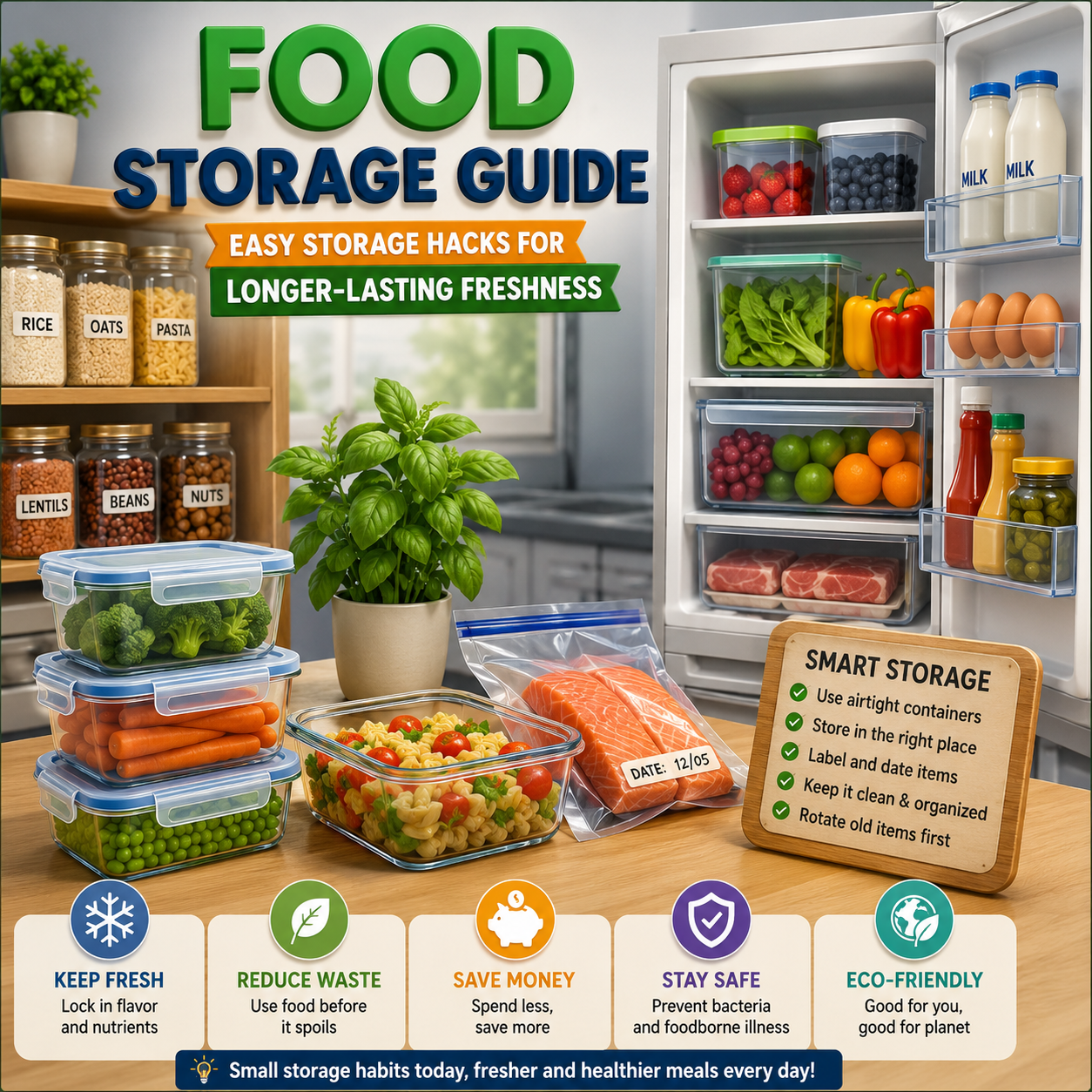
Store raw meat, poultry, and seafood on the lowest shelf in sealed containers to prevent juices from dripping onto ready-to-eat foods. Keep dairy products in the coldest section rather than the refrigerator door, where temperatures fluctuate more often. Fruits and vegetables should be placed in separate crisper drawers with appropriate humidity settings to maintain freshness.
Label leftovers with the storage date and consume them within recommended time frames. Regularly cleaning refrigerator shelves and discarding expired items also helps maintain a safe and organized storage environment.
Freezer Storage Guidelines
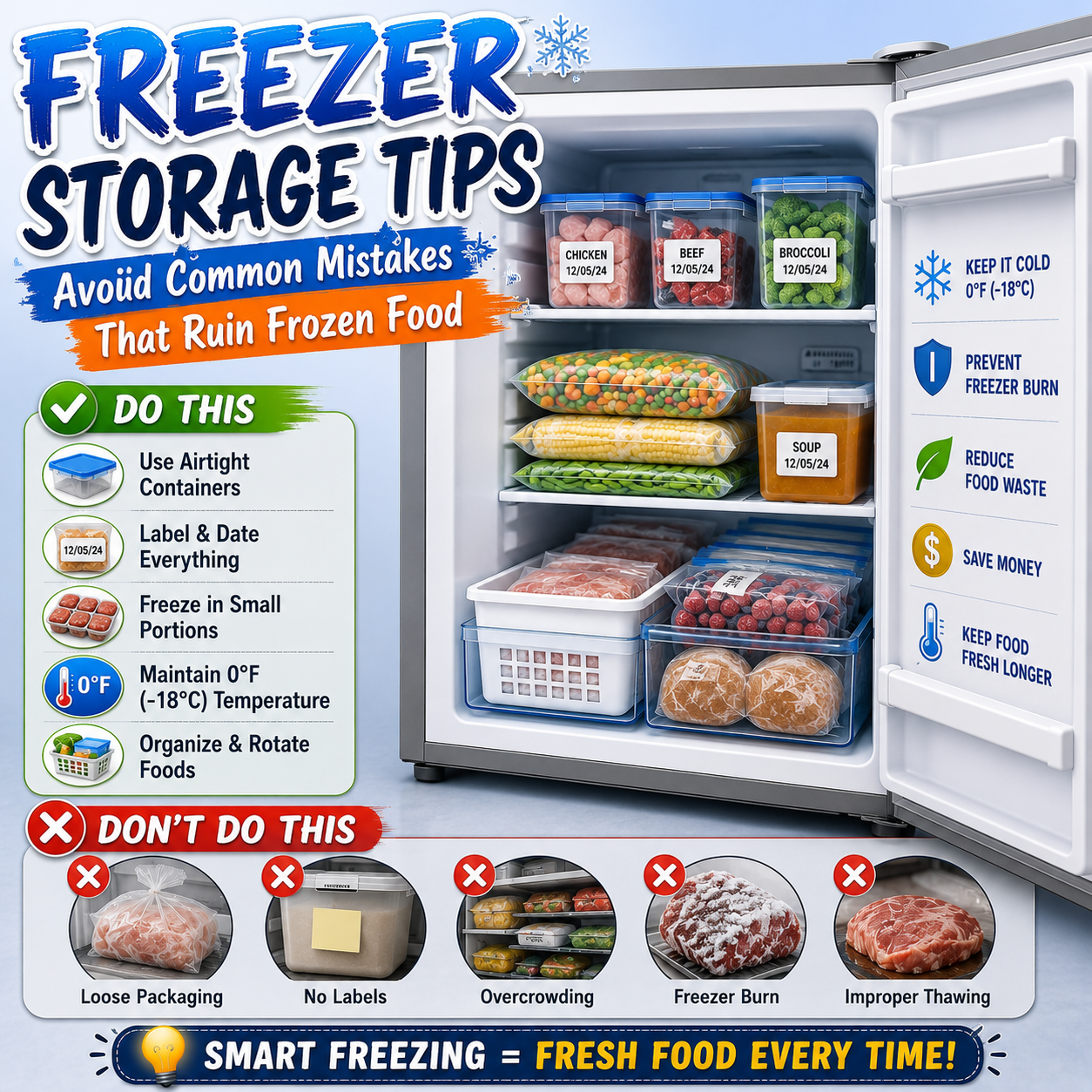
Freezing is one of the most effective methods for preserving food because it dramatically slows bacterial growth and enzyme activity that cause spoilage. Although freezing keeps food safe for extended periods, quality gradually declines over time. Using proper packaging, labeling, and organization ensures frozen foods maintain their taste, texture, and nutritional value.
Always cool cooked food before freezing, but do not leave it at room temperature for more than two hours. Divide large meals into smaller portions so they freeze quickly and thaw evenly. Remove excess air from freezer bags or use vacuum-sealed packaging to prevent freezer burn. Label every package with the food name and freezing date to make inventory management easier.
Best Practices for Freezing Food
- Freeze food as fresh as possible.
- Use freezer-safe containers or heavy-duty freezer bags.
- Leave a small amount of space in containers for liquid expansion.
- Freeze food in meal-sized portions.
- Rotate older foods to the front using the First In, First Out (FIFO) method.
- Avoid refreezing thawed raw meat unless it has been cooked first.
Pantry Storage Essentials
A well-organized pantry extends the shelf life of dry goods while making meal preparation faster and more efficient. Pantry foods should be stored in a cool, dry, and dark location away from direct sunlight, heat sources, and moisture. Excess heat and humidity accelerate spoilage and encourage insects or mold growth.
Transfer grains, cereals, pasta, flour, sugar, nuts, and snacks into airtight containers to protect them from pests and moisture. Keep frequently used items at eye level and organize foods by category. Regularly inspect expiration dates and rotate older products to the front so they are used before newer purchases.
Foods Best Stored in the Pantry
| Food | Ideal Storage Method |
| Rice | Airtight container |
| Pasta | Dry container |
| Flour | Sealed container |
| Sugar | Moisture-proof container |
| Canned foods | Cool, dry shelf |
| Cooking oil | Dark cabinet |
| Beans | Airtight container |
| Oats | Sealed container |
| Spices | Away from heat and light |
| Nuts (short term) | Airtight container |
Best Food Storage Containers
The right storage container can significantly improve food freshness and reduce waste. Different materials offer unique advantages depending on the type of food being stored. Choosing durable, food-grade containers also helps reduce reliance on disposable plastic packaging.
Glass containers are excellent for leftovers because they resist stains, odors, and temperature changes. BPA-free plastic containers are lightweight and convenient for packed lunches, while stainless steel containers are durable and ideal for travel. Silicone storage bags are reusable and flexible, making them an eco-friendly alternative to disposable bags.
Comparison of Food Storage Containers
| Container Type | Advantages | Best For |
| Glass | Non-toxic, odor-resistant | Leftovers, meal prep |
| BPA-Free Plastic | Lightweight, affordable | Daily storage |
| Stainless Steel | Durable, long-lasting | Travel meals |
| Silicone Bags | Reusable, flexible | Snacks, freezer storage |
| Vacuum Containers | Extends freshness | Meat, cheese, produce |
Meal Prep Storage Tips
Meal prepping saves time, supports healthy eating habits, and reduces the temptation to order unhealthy takeout. However, safe storage is essential to maintain food quality and prevent bacterial growth. Preparing meals in advance without proper storage can lead to spoilage and food waste.
Allow cooked foods to cool slightly before refrigerating them in shallow containers. Divide meals into individual servings so they cool faster and are easier to reheat. Label containers with preparation dates and consume refrigerated meals within three to four days. If meals will not be eaten within that time, freeze them immediately.
Meal Prep Checklist
- Cook food thoroughly.
- Cool food promptly.
- Store in airtight containers.
- Label preparation dates.
- Refrigerate within two hours.
- Freeze extra portions.
- Reheat thoroughly before eating.
- Clean containers after every use.
Recommended Storage Times
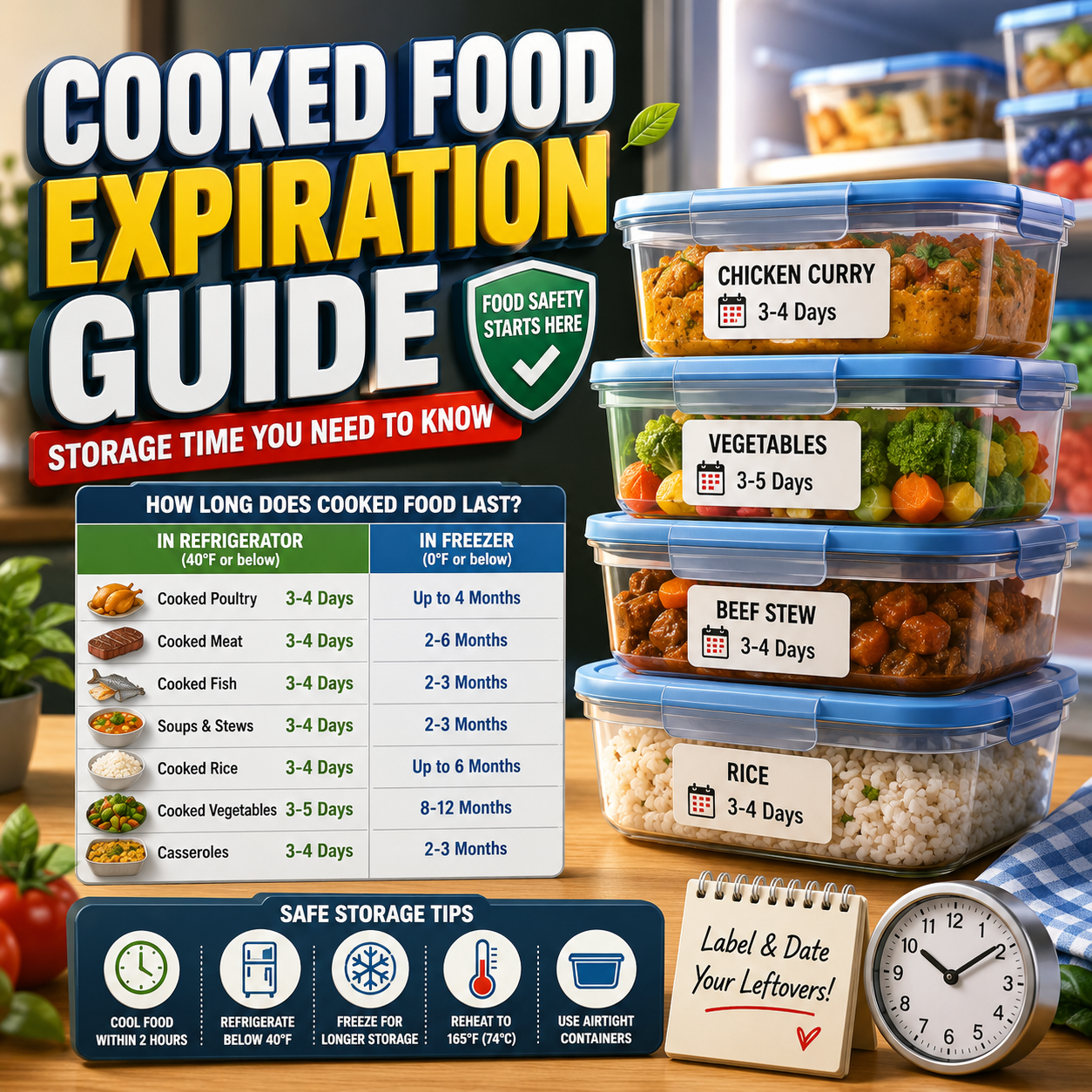
Knowing how long foods remain safe helps prevent unnecessary waste while reducing the risk of foodborne illness. Although freezing extends shelf life, refrigerated foods should always be consumed within recommended timeframes.
| Food | Refrigerator | Freezer |
| Cooked chicken | 3–4 days | 4 months |
| Cooked beef | 3–4 days | 3 months |
| Fish | 1–2 days | 3 months |
| Eggs | 3–5 weeks | Not recommended in shell |
| Milk | 5–7 days after opening | 3 months |
| Cheese | 2–4 weeks | 6 months |
| Cooked rice | 3–4 days | 2 months |
| Soups | 3–4 days | 3 months |
| Bread | 5–7 days | 3 months |
| Vegetables (cooked) | 3–4 days | 8–12 months |
Refrigerator Organization Tips
Organizing your refrigerator correctly improves cooling efficiency and reduces the risk of cross-contamination. Every shelf has a slightly different temperature, making proper placement important for food safety.
Recommended Refrigerator Layout
| Area | Store |
| Top Shelf | Leftovers, drinks, ready-to-eat foods |
| Middle Shelf | Dairy products, yogurt, eggs (if recommended locally) |
| Bottom Shelf | Raw meat, poultry, seafood (sealed) |
| Crisper Drawer | Fruits and vegetables |
| Door Shelves | Condiments, sauces, beverages |
Keeping raw meat on the bottom shelf prevents juices from dripping onto other foods, while storing produce in dedicated drawers helps maintain optimal humidity.
Common Food Storage Mistakes
Even with the best intentions, small storage mistakes can shorten food shelf life and increase the risk of illness. Recognizing these errors can help you improve your daily kitchen routine.
Common Mistakes to Avoid
- Overfilling the refrigerator, restricting air circulation.
- Storing hot food directly in the refrigerator without allowing slight cooling.
- Forgetting to label leftovers with preparation dates.
- Mixing raw and cooked foods.
- Ignoring expiration or “use-by” dates.
- Using damaged or non-food-safe containers.
- Leaving groceries in a warm car for extended periods.
- Frequently opening the refrigerator door unnecessarily.
- Refreezing thawed foods without proper handling.
- Keeping pantry foods in humid environments.
Avoiding these habits helps maintain food quality, improves safety, and reduces unnecessary waste.
Expert Tips for Keeping Food Fresh Longer
Food storage experts recommend combining safe storage practices with thoughtful meal planning to maximize freshness and minimize waste. Purchasing only what you need, storing foods correctly from the moment you return home, and rotating inventory regularly are simple habits that produce long-term benefits.
Professional Tips
- Use transparent containers so food is easy to identify.
- Label every container with storage dates.
- Freeze seasonal fruits and vegetables.
- Store herbs in water like fresh flowers.
- Keep apples away from leafy greens because they release ethylene gas.
- Use separate cutting boards for raw meat and produce.
- Maintain refrigerator temperature at or below 40°F (4°C).
- Check your pantry and refrigerator weekly.
- Plan meals around foods nearing expiration.
- Follow the FIFO (First In, First Out) storage method.
Frequently Asked Questions (FAQs)
1. What is the safest way to store food at home?
The safest way to store food is by keeping perishable items refrigerated at or below 40°F (4°C), freezing food at 0°F (-18°C) for long-term storage, using airtight containers, separating raw and cooked foods, and labeling leftovers with storage dates. Following these practices helps prevent bacterial growth, preserves food quality, and reduces the risk of foodborne illness.
2. How long can leftovers stay in the refrigerator?
Most cooked leftovers remain safe for three to four days when stored in sealed containers and refrigerated promptly. If you cannot consume them within that period, freezing is recommended. Always reheat leftovers thoroughly before eating and discard any food with unusual odors, discoloration, or mold.
3. What foods should not be refrigerated?
Some foods lose quality or flavor when refrigerated. Whole tomatoes, potatoes, onions, garlic, bananas, bread, and honey are generally better stored at room temperature in a cool, dry place. Always follow storage recommendations specific to each food to maximize freshness.
4. Why is labeling stored food important?
Labeling containers with the preparation or freezing date helps you monitor freshness and use food before it spoils. This simple habit supports the First In, First Out (FIFO) method, reduces food waste, and minimizes the risk of accidentally consuming expired food.
5. Can I freeze cooked meals?
Yes. Most cooked meals freeze very well when cooled properly and stored in freezer-safe containers. Divide meals into individual portions for quicker freezing and easier reheating. Label each container with the date and consume within the recommended storage period for the best quality.
6. What is freezer burn, and is the food still safe?
Freezer burn occurs when frozen food is exposed to air, causing dehydration and surface discoloration. Although freezer-burned food is generally safe if kept continuously frozen, its texture, flavor, and appearance may decline. Proper packaging and airtight storage help prevent freezer burn.
7. How can I reduce food waste through better storage?
Plan meals before shopping, buy only what you need, organize your refrigerator and pantry, rotate older products to the front, freeze extra portions, and regularly check expiration dates. These practices help households reduce waste, save money, and make better use of groceries.
8. Are airtight containers worth buying?
Yes. Airtight containers reduce exposure to air and moisture, slowing spoilage and helping maintain food freshness. They also improve kitchen organization, prevent pest infestations in pantry items, and make it easier to stack and store foods efficiently.
9. How often should I clean my refrigerator?
A quick check should be done every week to remove expired foods and wipe up spills. A more thorough cleaning every month helps prevent odors, mold, and bacterial contamination while keeping your refrigerator organized and operating efficiently.
10. Does proper food storage help with healthy eating?
Absolutely. Proper storage keeps healthy ingredients fresh for longer, making fruits, vegetables, lean proteins, and meal-prepped dishes more convenient to use. This encourages nutritious eating habits, reduces reliance on processed foods, and supports long-term fitness and wellness goals.
Key Takeaways
- Store perishable foods at or below 40°F (4°C).
- Freeze foods at 0°F (-18°C) for long-term preservation.
- Use airtight containers to maintain freshness and prevent contamination.
- Separate raw and cooked foods to reduce cross-contamination.
- Label all stored foods with preparation or freezing dates.
- Follow recommended storage times for refrigerated and frozen foods.
- Organize your refrigerator and pantry using the FIFO method.
- Clean storage areas regularly to maintain food safety.
- Plan meals to reduce food waste and save money.
- Proper food storage supports better nutrition, food safety, and environmental sustainability.
Conclusion
Mastering food storage is one of the simplest yet most effective ways to improve your health, protect your family, and reduce unnecessary household expenses. By understanding the principles of safe storage, maintaining proper refrigerator and freezer temperatures, organizing your pantry, and using suitable storage containers, you can significantly extend the freshness and quality of your food.
Good food storage habits also play an important role in preventing foodborne illnesses, preserving nutrients, and minimizing food waste. Whether you are preparing meals for fitness goals, managing a busy household, or simply looking to make smarter grocery purchases, these practical strategies can make a lasting difference.
Remember that food safety begins the moment you bring groceries home. Small daily habits—such as labeling leftovers, rotating older items, and storing foods correctly—can have a big impact over time.
Read Our Latest Blog:Food Storage Guide: Easy Storage Hacks for Longer-Lasting Freshness