Rising food prices have made grocery shopping more challenging than ever. Whether you’re feeding a family, living alone, or trying to build healthier eating habits, keeping your grocery bill under control can feel difficult. The good news is that saving money doesn’t have to mean sacrificing nutrition, quality, or variety.
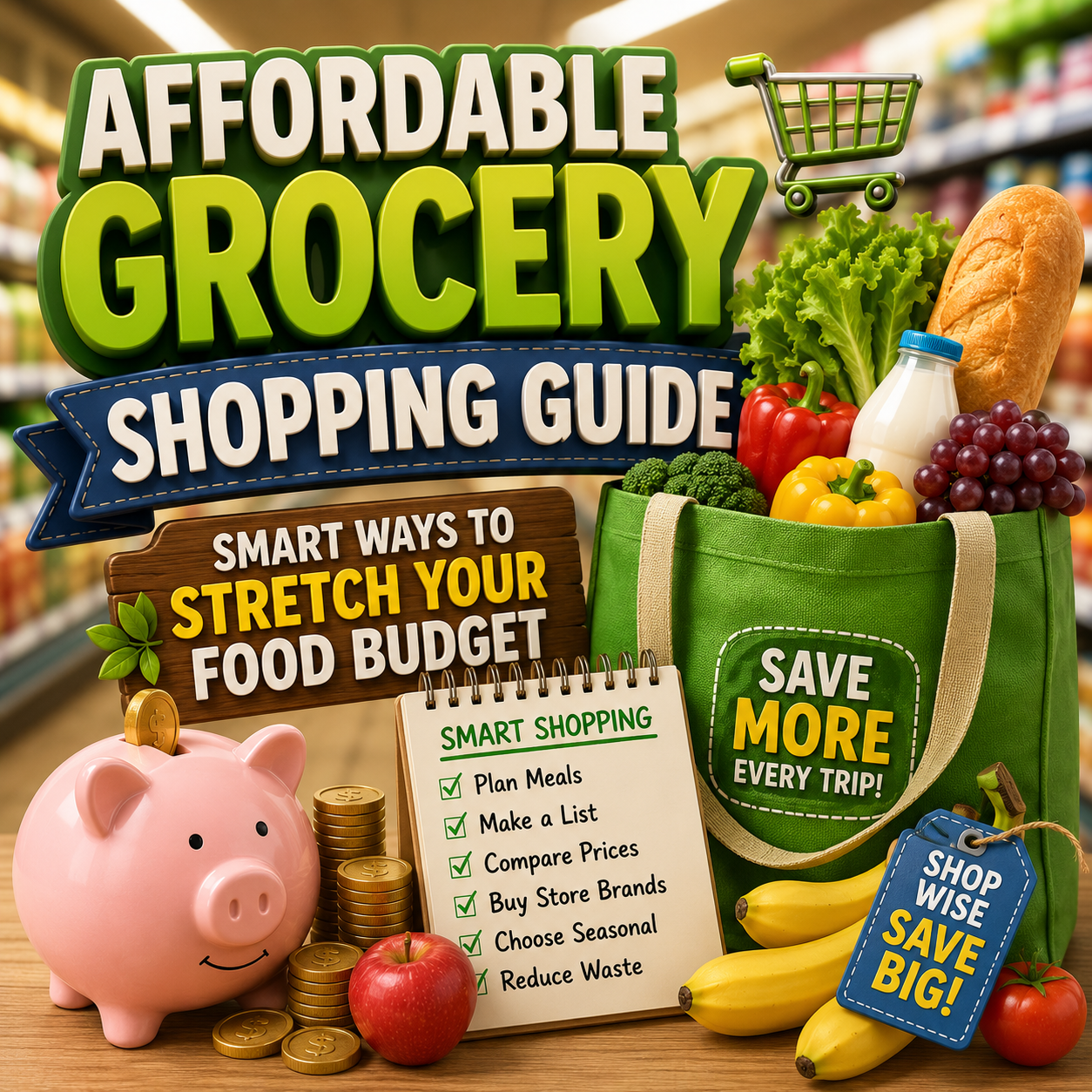
This Affordable Grocery Shopping Guide provides practical, realistic, and proven ways to stretch your food budget while still enjoying balanced, nutritious meals. From planning your shopping trips to choosing budget-friendly foods, avoiding costly mistakes, and reducing food waste, every strategy is designed to help you spend less while getting more value from every purchase.
You’ll also learn how meal planning, smart storage, buying seasonal produce, comparing unit prices, and using grocery store rewards can significantly lower your monthly grocery expenses. Whether you’re shopping for one person or a large household, these money-saving tips can help you build long-term financial habits while maintaining a healthy diet.
Why Affordable Grocery Shopping Matters
Affordable grocery shopping is about making informed purchasing decisions that maximize nutrition while minimizing unnecessary expenses. It doesn’t require extreme couponing or buying the cheapest products available. Instead, it focuses on understanding value, planning purchases carefully, and selecting foods that provide the best nutrition per dollar.
Food prices continue to fluctuate because of inflation, transportation costs, weather conditions, and supply chain challenges. These changes affect household budgets worldwide. Learning how to shop strategically allows families to stay financially stable without compromising the quality of their meals.
A thoughtful grocery shopping approach also helps reduce stress. When you know exactly what to buy and how much to spend, shopping becomes faster, more organized, and less likely to result in impulse purchases. Over time, these small improvements can lead to substantial annual savings.
Benefits of Shopping Smart Instead of Spending More
Making smarter grocery choices offers benefits that extend well beyond saving money. It improves financial stability, reduces waste, encourages healthier eating habits, and helps households become more organized.
Some of the biggest advantages include:
- Lower monthly grocery expenses
- Better meal planning
- Reduced food waste
- Healthier food choices
- Less impulse buying
- More balanced nutrition
- Better household budgeting
- Reduced financial stress
Smart shoppers often discover they spend less while actually eating higher-quality meals because they prioritize nutritious staples over expensive convenience foods.
How to Create a Grocery Budget
Creating a grocery budget begins with understanding your current spending habits. Review your grocery receipts from the past two or three months to determine your average monthly food expenses. Once you know where your money is going, you can identify categories where savings are possible without making drastic lifestyle changes.
A practical grocery budget should account for household size, dietary preferences, cooking frequency, and local food prices. Divide your monthly budget into weekly spending limits to make it easier to stay on track during each shopping trip.
Simple Grocery Budget Formula
| Category | Percentage of Budget |
| Fruits & Vegetables | 30% |
| Protein Foods | 25% |
| Grains | 20% |
| Dairy | 10% |
| Pantry Items | 10% |
| Treats & Snacks | 5% |
Tracking expenses regularly helps you adjust your budget as food prices change throughout the year.
Plan Meals Before Shopping
Meal planning is one of the most effective ways to reduce grocery costs because it eliminates guesswork. Instead of buying random ingredients, you’ll purchase only what you need for planned breakfasts, lunches, dinners, and snacks.
Start by checking what you already have in your refrigerator, freezer, and pantry. Building meals around existing ingredients prevents duplicate purchases and reduces food waste. Planning meals also helps ensure you use perishable items before they spoil.
A weekly meal plan can include simple recipes that share common ingredients. For example, a roasted chicken can be used for dinner, sandwiches the next day, and homemade soup later in the week. This approach stretches both your food and your budget.
Weekly Meal Planning Checklist
- Check pantry inventory
- Review refrigerator contents
- Plan seven days of meals
- Use leftovers creatively
- Add only needed ingredients to your shopping list
- Schedule one “leftover night” each week
Make a Smart Grocery List
Shopping without a list often leads to overspending because impulse purchases quickly add up. A detailed grocery list helps you stay focused, prevents forgotten essentials, and reduces unnecessary browsing through store aisles.
Organize your list by store sections such as produce, dairy, meat, frozen foods, pantry items, and household essentials. This saves time and reduces the temptation to purchase products you didn’t intend to buy.
Before leaving home, review store flyers or digital coupons and adjust your list to take advantage of worthwhile discounts. However, only purchase discounted items if they fit your meal plan and budget.
Essential Grocery List Categories
- Fresh produce
- Lean proteins
- Whole grains
- Dairy products
- Frozen vegetables
- Pantry staples
- Healthy snacks
- Household necessities
Compare Prices Like a Pro
Many shoppers focus only on the shelf price, but experienced budget shoppers compare the unit price, which shows the cost per ounce, pound, liter, or kilogram. This makes it easier to determine which package offers the best value regardless of its size.
Larger packages are not always cheaper per unit, so checking the unit price prevents paying more for convenience-sized products. Grocery store shelf labels often display this information beneath the product price.
Using grocery store apps can also help compare prices between nearby stores before shopping. Spending just a few extra minutes researching prices can save a surprising amount over time.
Price Comparison Tips
- Compare unit prices instead of total prices.
- Check weekly sales before shopping.
- Use cashback and loyalty rewards.
- Buy only genuine bargains.
- Avoid marketing tricks like “limited-time offers” unless they fit your plan.
Buy Store Brands Instead of Premium Brands
Many store-brand products are manufactured by the same companies that produce national brands, yet they often cost significantly less. Staples such as rice, pasta, canned vegetables, flour, oats, peanut butter, frozen vegetables, and dairy products frequently offer comparable quality at a lower price.
Switching to store brands doesn’t mean sacrificing taste or nutrition. In many blind taste tests, consumers find little difference between generic and branded products. Reading nutrition labels and ingredient lists helps ensure you’re getting similar quality while paying less.
Choosing store brands consistently across multiple grocery categories can reduce annual grocery spending by hundreds of dollars without requiring major lifestyle changes.
- Shop Seasonal Produce
- Buy in Bulk the Smart Way
- Reduce Food Waste
- Healthy Budget-Friendly Foods
- Grocery Shopping Mistakes to Avoid
- Expert Money-Saving Tips
- Comparison Tables
- Practical Shopping Checklists
Shop Seasonal Produce for Maximum Savings
Buying fruits and vegetables when they are in season is one of the easiest ways to lower your grocery bill while enjoying fresher, tastier produce. Seasonal crops are typically more abundant, which means stores can offer them at lower prices. In contrast, out-of-season produce often travels long distances or is grown in controlled environments, increasing transportation and production costs that are passed on to consumers.
Seasonal produce also tends to have better flavor and higher nutritional value because it is harvested closer to its peak ripeness. Shopping seasonally not only benefits your budget but also supports local farmers and reduces the environmental impact associated with long-distance food transportation.
Benefits of Buying Seasonal Produce
- Lower prices due to higher supply
- Fresher taste and better texture
- Higher nutritional quality
- Supports local farmers
- Reduces environmental impact
- Greater variety throughout the year
Examples of Seasonal Produce
| Season | Fruits | Vegetables |
| Spring | Strawberries, Apricots | Asparagus, Spinach, Peas |
| Summer | Watermelon, Peaches, Berries | Tomatoes, Cucumbers, Zucchini |
| Autumn | Apples, Pears, Grapes | Pumpkin, Sweet Potatoes, Carrots |
| Winter | Citrus Fruits, Kiwi | Cabbage, Broccoli, Cauliflower |
Expert Tip: Purchase seasonal produce in larger quantities when prices are lowest, then freeze or preserve extras for future meals.
Buy Staple Foods in Bulk—But Shop Smart
Bulk buying is a proven strategy for reducing grocery costs, but it works best when applied to foods with a long shelf life or items your household uses regularly. Purchasing pantry staples in larger quantities often lowers the price per unit, resulting in noticeable long-term savings.
However, buying in bulk only saves money if the food is consumed before it expires. Oversized packages of rarely used products can lead to waste, offsetting any initial savings. Always compare unit prices and estimate how quickly your family will use the item before making a bulk purchase.
Best Foods to Buy in Bulk
- Rice
- Oats
- Flour
- Pasta
- Lentils
- Dry beans
- Whole spices
- Frozen vegetables
- Cooking oil
- Peanut butter
- Nuts and seeds (when stored properly)
Foods Usually Not Worth Buying in Bulk
- Fresh leafy greens
- Soft berries
- Fresh herbs
- Milk (unless your family consumes it quickly)
- Bread (unless you freeze it)
- Ready-to-eat salads
Reduce Food Waste to Save Hundreds Every Year
One of the biggest hidden expenses in any household is food waste. Many families throw away perfectly edible food simply because they bought too much, forgot what they already had, or stored it incorrectly. Reducing waste is one of the fastest ways to stretch your grocery budget without changing what you eat.
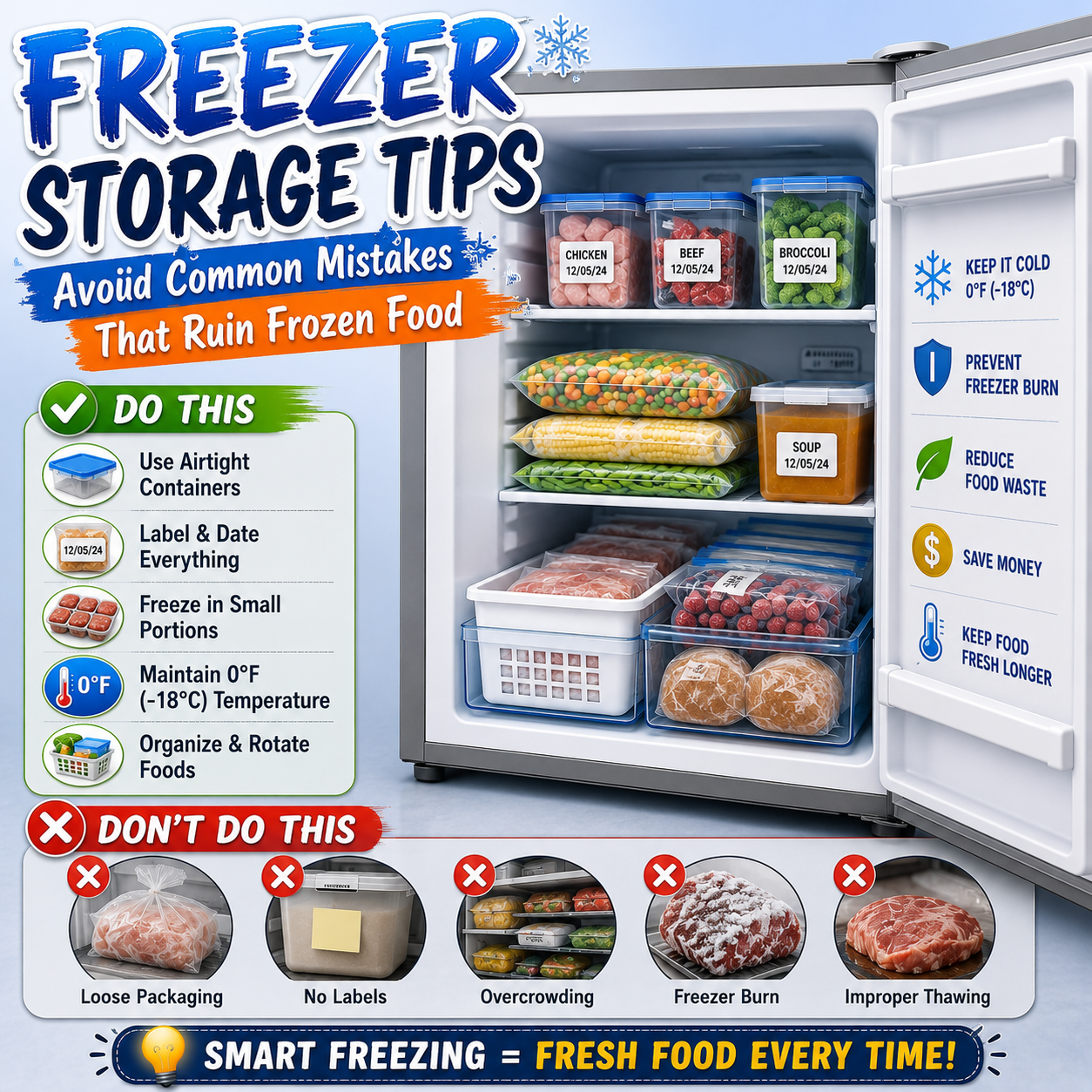
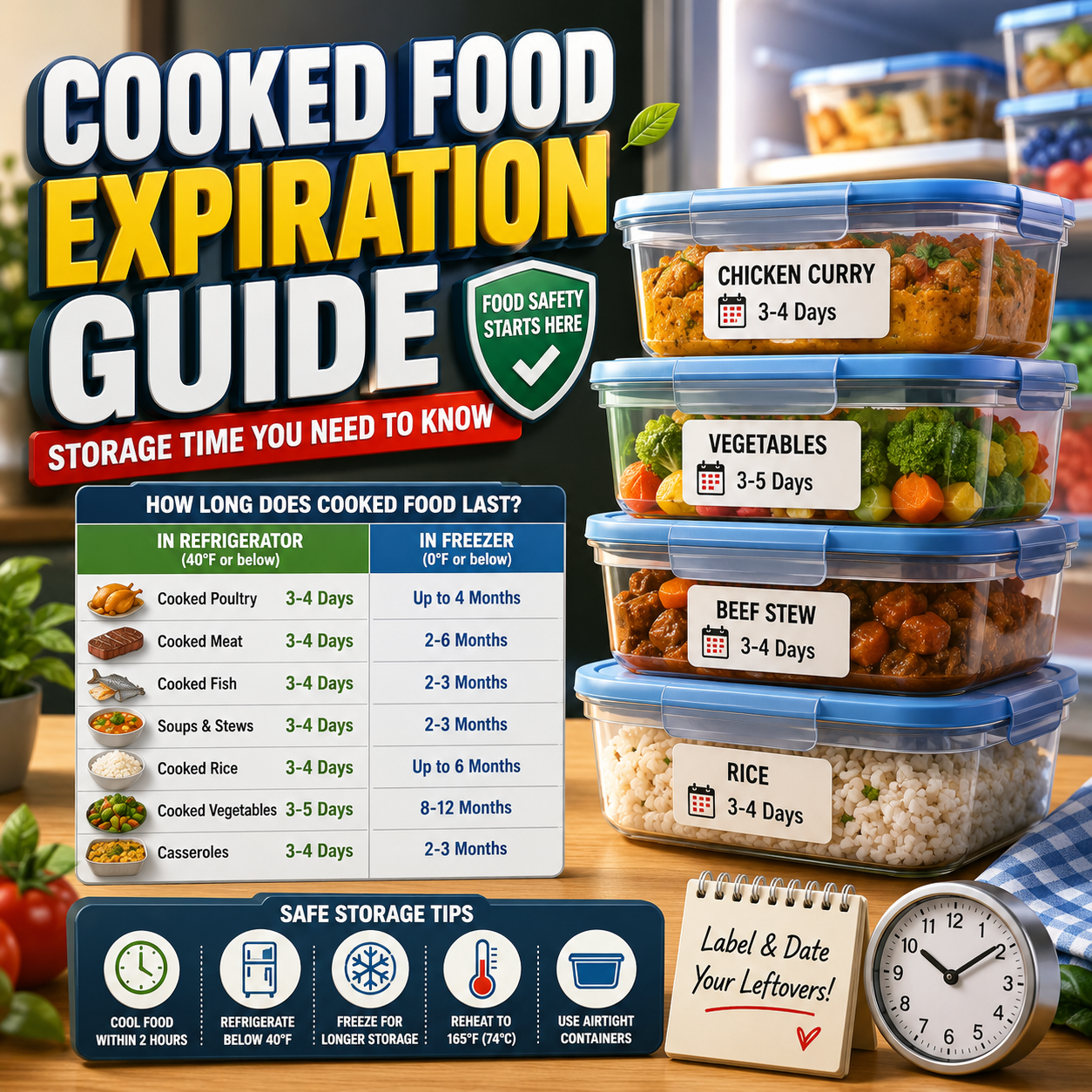
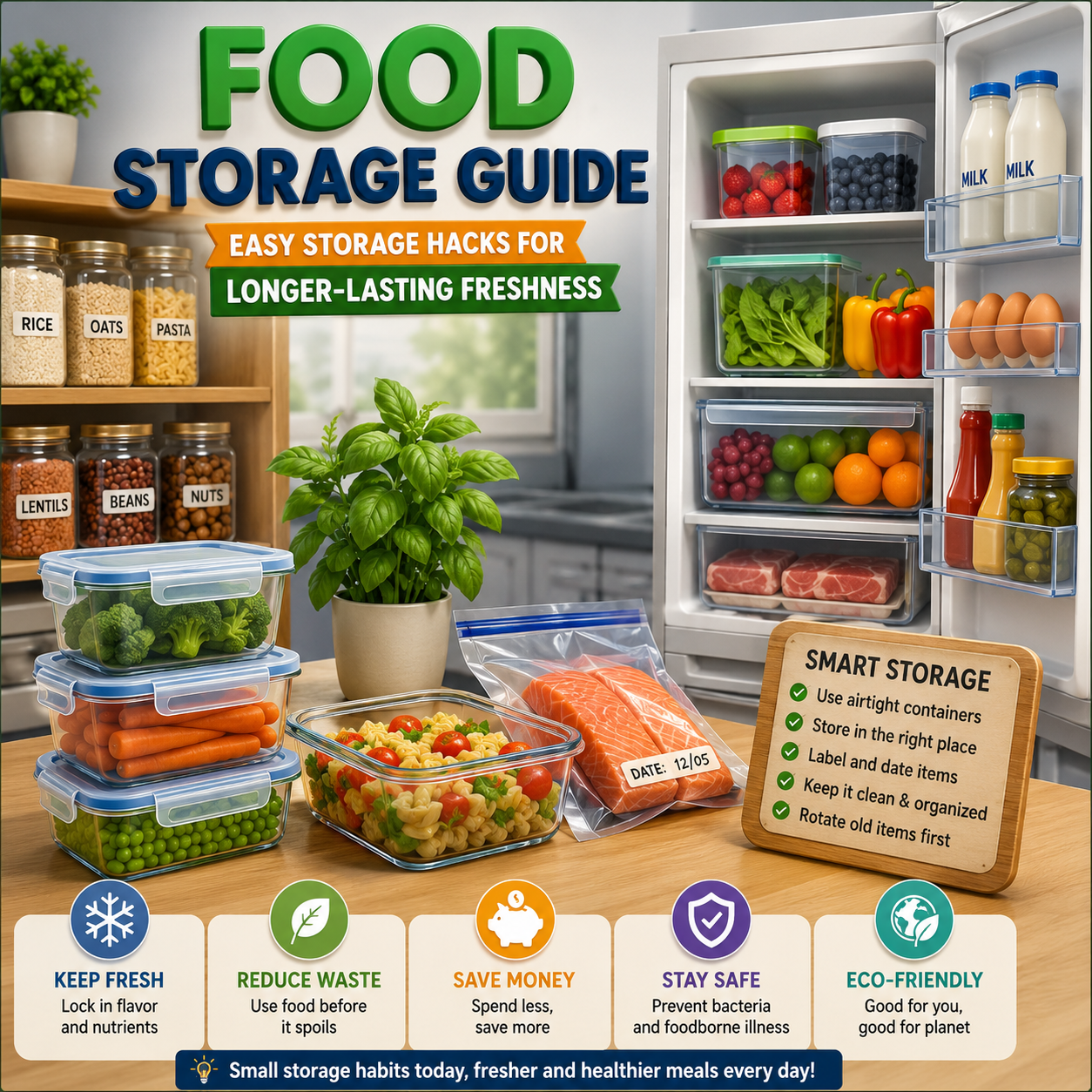
Start by organizing your refrigerator so older items are placed at the front where they are easily visible. Label leftovers with dates and plan one or two meals each week specifically to use them. Freezing surplus food before it spoils is another excellent strategy that prevents unnecessary waste.
Simple Ways to Reduce Food Waste
- Shop only after checking your pantry.
- Freeze leftovers in meal-sized portions.
- Store fruits and vegetables correctly.
- Rotate older foods to the front.
- Plan “leftover dinners.”
- Use vegetable scraps for homemade stock.
- Repurpose stale bread into breadcrumbs or croutons.
- Blend overripe fruit into smoothies.
Foods That Freeze Well
| Food | Freezer Life |
| Cooked Chicken | 3–4 Months |
| Ground Meat | 3–4 Months |
| Vegetables | 8–12 Months |
| Bread | 3 Months |
| Cooked Rice | 1 Month |
| Soup | 2–3 Months |
Healthy Budget-Friendly Foods to Always Keep at Home
Eating healthy does not require buying expensive superfoods or specialty products. Many of the world’s most nutritious foods are also among the most affordable. Building meals around these ingredients allows you to maximize nutrition while keeping grocery costs under control.
Whole grains, legumes, eggs, frozen vegetables, seasonal fruits, and canned fish provide excellent nutritional value at relatively low prices. These staples are versatile, filling, and easy to incorporate into a wide variety of recipes.
Top Affordable Healthy Foods
| Food | Main Benefits |
| Oats | High in fiber, affordable breakfast option |
| Brown Rice | Filling whole grain with long shelf life |
| Lentils | Rich in protein and fiber |
| Beans | Budget-friendly plant protein |
| Eggs | High-quality protein and versatile |
| Frozen Vegetables | Nutritious and long-lasting |
| Bananas | Affordable source of potassium |
| Sweet Potatoes | Rich in vitamins and fiber |
| Canned Tuna | Convenient lean protein |
| Greek Yogurt | High in protein and calcium |
Grocery Shopping Mistakes That Cost You Money
Many shoppers unknowingly increase their grocery expenses through small habits that seem harmless. Avoiding these common mistakes can significantly reduce your monthly food bill without requiring major sacrifices.
Shopping while hungry often leads to impulse purchases, especially of snacks and convenience foods. Similarly, buying products simply because they are on sale can backfire if they do not fit your meal plan or expire before use.
Another costly mistake is ignoring unit prices. A larger package is not always the better deal, so comparing the cost per ounce or kilogram is essential.
Common Grocery Shopping Mistakes
- Shopping without a list
- Shopping when hungry
- Ignoring unit prices
- Buying too many convenience foods
- Purchasing more than you can consume
- Throwing away leftovers
- Forgetting digital coupons
- Choosing branded products automatically
- Not comparing stores
- Buying individually packaged snacks
Smart Money-Saving Grocery Shopping Tips
Stretching your grocery budget is about building consistent habits rather than searching for one-time tricks. The following strategies can help you save money every week while maintaining a healthy and balanced diet.
1. Never Shop Hungry
Hunger makes impulse buying far more likely. Eat a small meal or snack before shopping so you can stick to your list and avoid unnecessary purchases.
2. Set a Weekly Spending Limit
Decide on your grocery budget before entering the store. Keeping a running total while shopping helps you avoid overspending and prioritize essential items.
3. Use Grocery Store Loyalty Programs
Many supermarkets offer free loyalty memberships that provide exclusive discounts, personalized coupons, cashback rewards, and fuel savings.
4. Compare Unit Prices
Always compare the price per ounce, kilogram, or liter rather than the shelf price. This ensures you’re getting the best overall value.
5. Buy Frozen Produce
Frozen fruits and vegetables are often less expensive than fresh options, especially when items are out of season. They also last much longer and reduce waste.
6. Limit Processed Foods
Pre-cut vegetables, ready-made meals, and individually packaged snacks are convenient but usually cost much more than preparing meals from scratch.
7. Choose Multi-Purpose Ingredients
Ingredients that can be used in multiple meals reduce waste and increase value. For example:
- Chicken can become stir-fries, sandwiches, soups, and salads.
- Rice pairs with countless meals.
- Beans work in soups, burritos, salads, and casseroles.
Store Brands vs. Name Brands
| Feature | Store Brand | Name Brand |
| Price | Lower | Higher |
| Nutrition | Usually Similar | Similar |
| Ingredients | Often Comparable | Comparable |
| Packaging | Simple | Premium |
| Value | Excellent | Moderate |
Bottom Line: For most staple foods, store brands provide nearly identical quality at a noticeably lower cost.
Budget Grocery Shopping: Do’s and Don’ts
| Do | Don’t |
| Plan meals ahead | Shop without a plan |
| Buy seasonal produce | Purchase out-of-season items unnecessarily |
| Compare unit prices | Focus only on shelf prices |
| Buy store brands | Assume premium brands are always better |
| Freeze leftovers | Throw away edible food |
| Use loyalty rewards | Ignore available discounts |
| Stick to your list | Make impulse purchases |
| Buy pantry staples in bulk | Bulk buy perishables you won’t finish |
Frequently Asked Questions (FAQs)
1. How much can meal planning reduce grocery costs?
Meal planning can help many households reduce grocery expenses by minimizing impulse purchases, preventing duplicate buying, and reducing food waste. While savings vary based on shopping habits and household size, planning meals around ingredients already available at home often leads to meaningful monthly savings while making daily cooking more organized and efficient.
2. Are frozen fruits and vegetables healthy?
Yes. Frozen produce is typically processed soon after harvest, helping retain vitamins and minerals. It often offers nutrition comparable to fresh produce, especially when fresh options have been transported over long distances. Frozen fruits and vegetables are convenient, budget-friendly, and reduce food waste because they last much longer.
3. How do I create a realistic grocery budget?
Begin by reviewing your grocery spending over the last few months. Set a monthly budget based on your income and divide it into weekly limits. Prioritize essential foods, monitor your receipts, and adjust your budget as prices change. Tracking spending consistently helps you identify unnecessary expenses and improve your shopping habits.
4. Is buying generic food worth it?
Yes. Store-brand products usually provide similar nutrition and quality as national brands while costing less. Comparing labels can help you make informed choices. Selecting generic products for everyday pantry staples is an effective way to reduce grocery expenses without compromising on taste or nutritional value.
5. What are the best pantry staples for saving money?
Affordable pantry staples include rice, oats, pasta, dried beans, lentils, canned tomatoes, peanut butter, flour, spices, and cooking oil. These ingredients have long shelf lives and can be used in numerous recipes, making them excellent choices for budget-conscious households.
6. Why is seasonal produce cheaper?
Seasonal produce is harvested during its natural growing season when supply is abundant. Higher availability generally lowers prices, and shorter transportation distances reduce distribution costs. Buying fruits and vegetables in season also improves freshness, flavor, and nutritional quality while helping support local agriculture.
7. How can I reduce food waste at home?
Reduce food waste by planning meals, checking your pantry before shopping, storing food properly, freezing leftovers, using older ingredients first, and creatively repurposing leftovers into new dishes. Small changes in food management can save money and reduce the amount of edible food that ends up in the trash.
8. Should I always buy in bulk?
Bulk buying works best for non-perishable foods or items your household uses regularly. Always compare the unit price and consider available storage space. Purchasing more than you can use before expiration can result in food waste, eliminating any savings.
9. How often should I go grocery shopping?
Most households benefit from shopping once each week. Weekly shopping supports meal planning, reduces impulse buying, and minimizes food waste. If you frequently purchase fresh produce, a small midweek trip may help maintain freshness while keeping spending under control.
10. What is the biggest grocery shopping mistake?
One of the biggest mistakes is shopping without a plan. Entering the store without a grocery list or meal plan often leads to impulse purchases, duplicate items, and forgotten essentials. Preparing ahead of time helps you stay focused and maximize the value of every shopping trip.
Key Takeaways
- Plan meals before shopping to reduce unnecessary purchases.
- Create a grocery list and stick to it.
- Compare unit prices rather than shelf prices.
- Buy seasonal fruits and vegetables whenever possible.
- Choose store-brand products for everyday staples.
- Purchase non-perishable foods in bulk when cost-effective.
- Store food properly to minimize waste.
- Use loyalty programs, coupons, and cashback offers wisely.
- Cook more meals at home instead of buying convenience foods.
- Track your grocery spending to identify additional savings opportunities.
Conclusion
Stretching your food budget doesn’t require extreme couponing or sacrificing healthy meals. Instead, it comes down to building smart shopping habits that you can maintain over time. By planning meals, creating organized shopping lists, comparing unit prices, buying seasonal produce, choosing store brands, and reducing food waste, you can make every grocery dollar work harder.
Affordable grocery shopping is about making informed decisions rather than simply buying the cheapest products. A balanced approach allows you to enjoy nutritious meals while staying within your budget and reducing financial stress. Even small changes—such as checking your pantry before shopping or freezing leftovers—can add up to significant savings over the course of a year.
Remember that consistency is more important than perfection. Start by implementing one or two strategies, then gradually add more as they become habits. Over time, you’ll notice lower grocery bills, less food waste, and a more organized kitchen.
Read Our Latest Blog:Healthy School Lunch Ideas | Easy, Balanced & Kid-Friendly Lunch Box Recipes