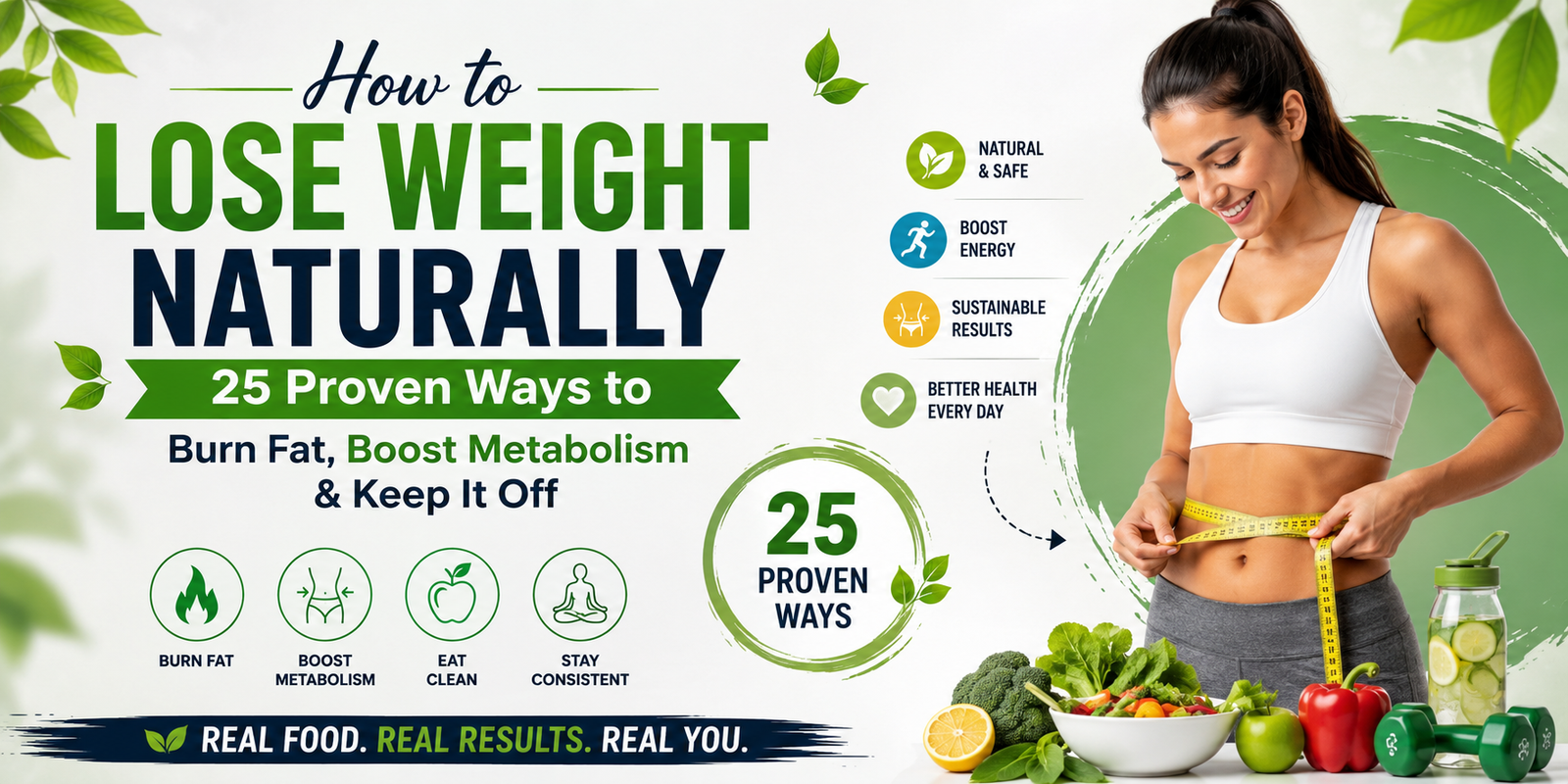
How to Lose Weight Naturally: 25 Proven Ways to Burn Fat, Boost Metabolism & Keep It Off
Losing weight doesn’t have to involve extreme diets, expensive supplements, or exhausting workout routines. In fact, the healthiest and most effective approach is often the simplest—making consistent lifestyle changes that support your body’s natural ability to burn fat and maintain a healthy weight. If you’ve been searching for how to lose weight naturally, you’re not alone. Millions of people want safe, sustainable methods that improve overall health rather than offering only temporary results.
Natural weight loss focuses on creating healthy habits instead of chasing quick fixes. Eating nutrient-dense foods, staying physically active, managing stress, sleeping well, and making mindful daily choices all contribute to long-term success. Unlike crash diets that often lead to weight regain, these habits help improve metabolism, preserve muscle mass, and support overall well-being.
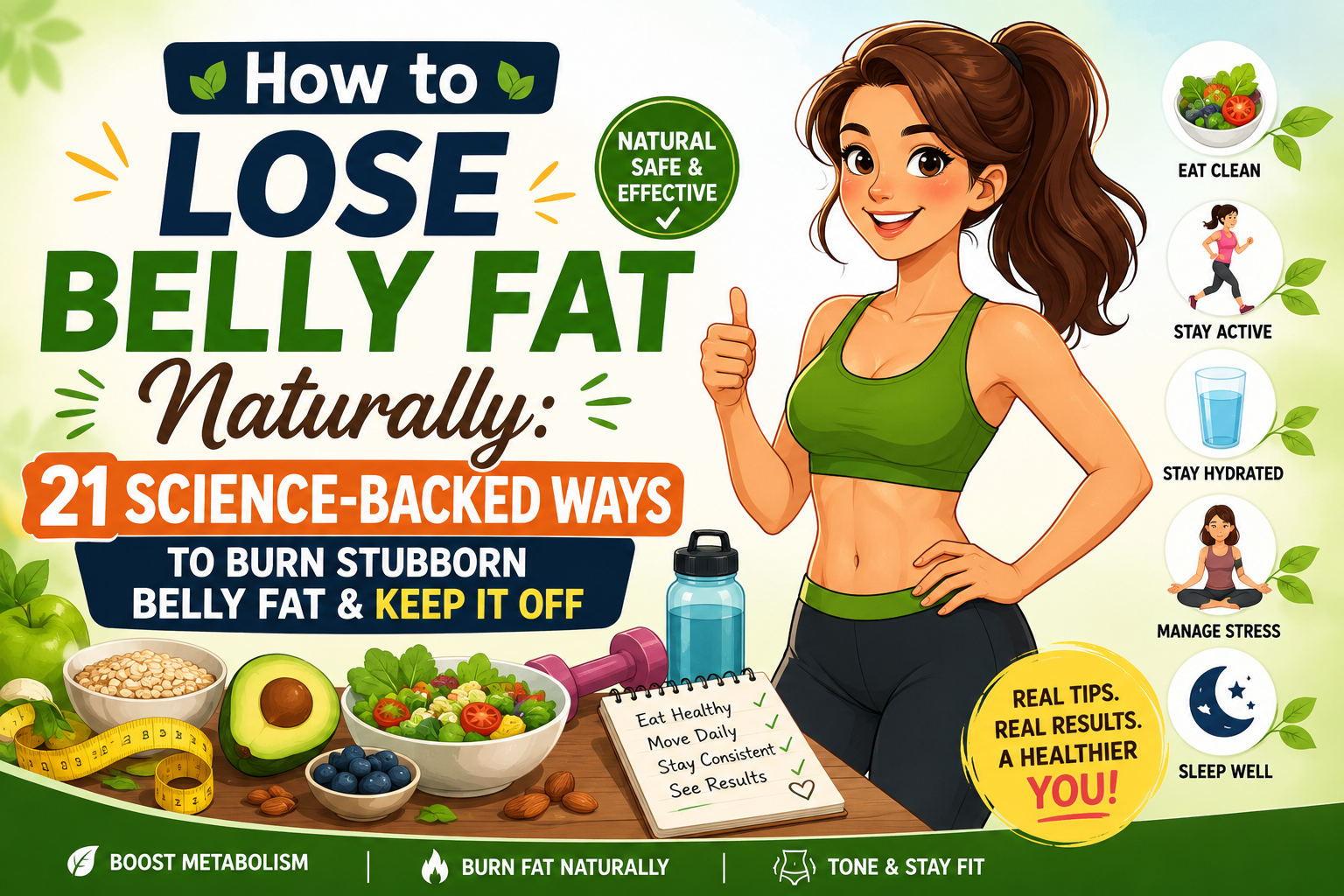
In this comprehensive guide from PureWellLife, you’ll discover 25 science-backed strategies to help you burn body fat, increase energy levels, improve metabolic health, and achieve sustainable weight loss. Whether you’re just beginning your wellness journey or looking to break through a plateau, these practical tips can help you build healthy habits that last a lifetime.
What Does It Mean to Lose Weight Naturally?
Natural weight loss means reducing excess body fat through healthy eating, regular physical activity, quality sleep, stress management, and consistent lifestyle improvements without relying on crash diets, unproven supplements, or unsafe shortcuts. The goal is to support your body’s natural processes while maintaining good nutrition and preserving muscle mass.
Healthy weight loss typically occurs gradually. Small, consistent changes often produce better long-term results than drastic restrictions. By focusing on overall health instead of only the number on the scale, you improve your chances of keeping the weight off permanently while reducing the risk of chronic diseases.
Why Sustainable Weight Loss Matters
Many people lose weight quickly only to regain it within months. This cycle, often called “yo-yo dieting,” can negatively affect metabolism, muscle mass, and motivation. Sustainable weight loss emphasizes habits you can realistically maintain for years rather than weeks.
Building healthier routines supports heart health, blood sugar control, digestive function, mental well-being, and energy levels. Sustainable habits also make it easier to maintain your target weight without feeling deprived. Instead of temporary restrictions, the focus shifts toward lifelong healthy choices that become part of your daily routine.
25 Proven Ways to Lose Weight Naturally
1. Eat More Protein at Every Meal
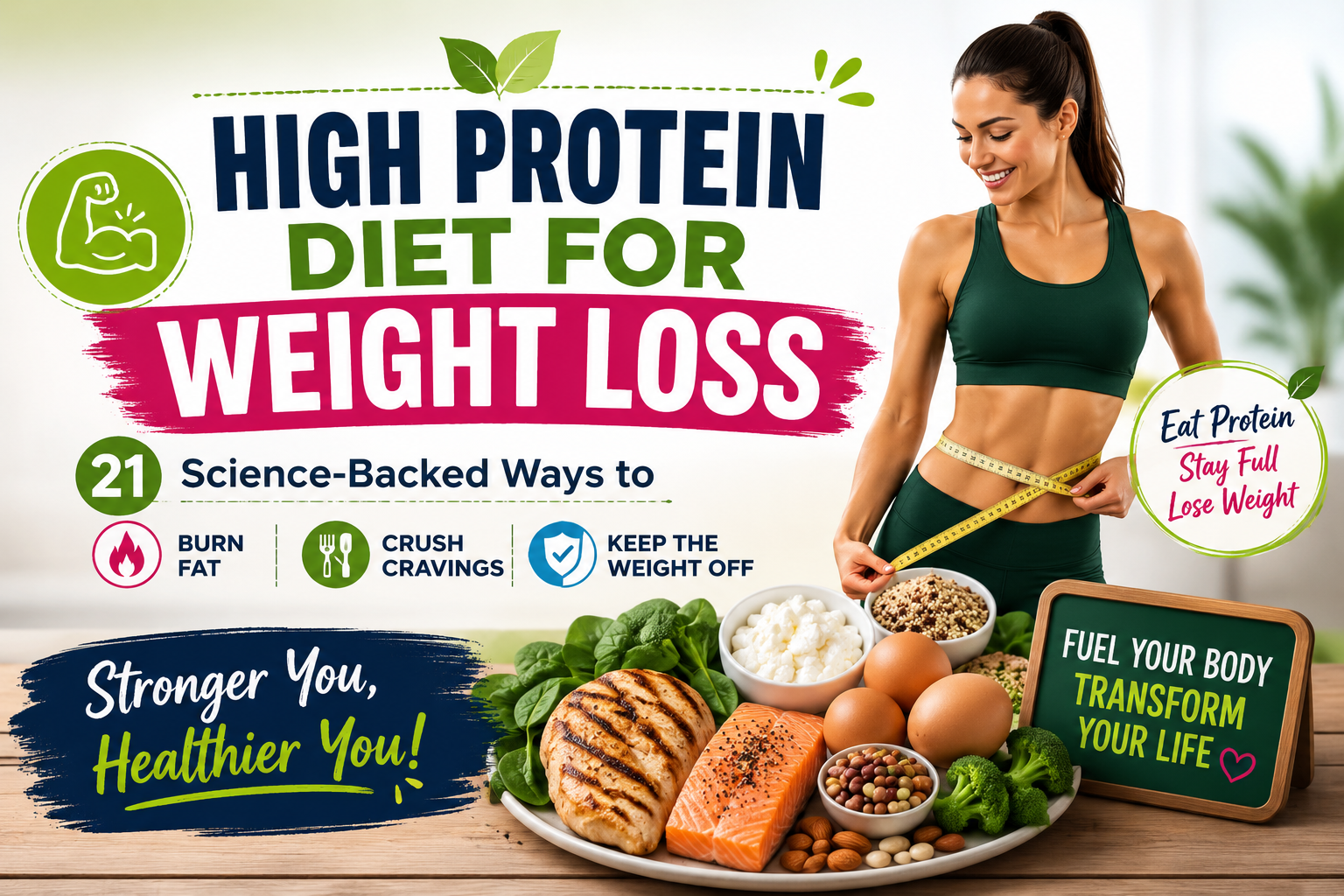
Protein is one of the most effective nutrients for natural weight loss because it helps you stay full longer, supports muscle maintenance, and slightly increases the number of calories your body burns during digestion. Including protein with every meal can reduce cravings and prevent unnecessary snacking between meals.
Good protein sources include:
- Eggs
- Fish
- Chicken
- Greek yogurt
- Cottage cheese
- Lentils
- Beans
- Tofu
- Lean beef
- Chickpeas
Aim to include a quality protein source at breakfast, lunch, and dinner to support healthy fat loss.
2. Choose Whole Foods More Often
Whole foods are generally higher in nutrients and fiber while being lower in added sugars and highly processed ingredients. Building meals around fruits, vegetables, legumes, whole grains, nuts, seeds, and lean proteins naturally reduces calorie intake without making you feel deprived.
Whole foods also contain vitamins, minerals, antioxidants, and phytonutrients that support metabolism, immune health, and overall wellness.
3. Increase Your Fiber Intake
Fiber slows digestion and helps you feel satisfied for longer periods, making it easier to avoid overeating. High-fiber foods also improve digestive health and support healthy blood sugar levels.
Excellent fiber-rich foods include:
- Oats
- Apples
- Berries
- Broccoli
- Beans
- Lentils
- Chia seeds
- Flaxseeds
- Whole grains
- Pears
Adults should aim for approximately 25–38 grams of fiber daily depending on age and sex.
4. Drink More Water
Many people confuse thirst with hunger, leading to unnecessary calorie consumption. Drinking water before meals may help reduce appetite and encourage smaller portion sizes. Staying hydrated also supports digestion, circulation, and normal metabolic function.
Practical hydration tips include:
- Start the morning with one glass of water.
- Drink before meals.
- Carry a reusable water bottle.
- Replace sugary drinks with water or unsweetened tea.
- Increase water intake during exercise or hot weather.
5. Reduce Added Sugar
Excess added sugar contributes empty calories without providing significant nutrition. Sugary beverages, desserts, sweetened cereals, flavored coffee drinks, and many packaged foods can quickly increase daily calorie intake.
Instead, satisfy sweet cravings naturally by eating fruit, plain yogurt with berries, or small portions of dark chocolate. Reading food labels can also help identify hidden sugars.
6. Practice Mindful Eating
Mindful eating encourages paying attention to hunger signals, eating slowly, and appreciating each bite without distractions. This practice helps many people recognize fullness before overeating.
Simple mindful eating habits include:
- Eat without screens.
- Chew thoroughly.
- Slow down between bites.
- Stop when comfortably satisfied.
- Focus on the taste and texture of food.
These small adjustments often reduce calorie intake naturally without strict dieting.
7. Exercise Regularly
Physical activity supports how to burn body fat while improving cardiovascular health, muscle strength, mood, and energy. A combination of aerobic exercise and resistance training provides the greatest overall benefits.
Effective options include:
- Walking
- Cycling
- Swimming
- Running
- Dancing
- Weight lifting
- Bodyweight exercises
- Yoga
Aim for at least 150 minutes of moderate-intensity exercise each week, combined with muscle-strengthening activities twice weekly.
8. Prioritize Strength Training
Many people believe cardio alone is enough for weight loss, but strength training plays an equally important role. Building muscle increases resting energy expenditure because muscle tissue requires more energy than fat tissue, even while you’re resting.
Strength training also improves posture, bone health, balance, and long-term weight maintenance. Beginners can start with bodyweight exercises before progressing to resistance bands or free weights.
9. Walk More Throughout the Day
Walking is one of the easiest and most accessible forms of exercise. Increasing your daily step count helps burn additional calories while improving heart health and reducing sedentary time.
Simple ways to walk more include:
- Take walking breaks during work.
- Use stairs instead of elevators.
- Park farther away.
- Walk after meals.
- Take phone calls while walking.
Even small increases in daily movement can significantly contribute to sustainable weight loss over time.
10. Improve Sleep Quality
Sleep affects hormones that regulate hunger, appetite, and metabolism. Poor sleep may increase cravings for high-calorie foods while reducing energy levels needed for physical activity.
Healthy sleep habits include:
- Going to bed at the same time.
- Limiting screens before bedtime.
- Keeping the bedroom cool and dark.
- Avoiding caffeine late in the day.
- Creating a relaxing nighttime routine.
Most adults benefit from seven to nine hours of quality sleep each night.
11. Manage Stress Effectively
Chronic stress can make losing weight more difficult by increasing cortisol, a hormone linked to appetite, cravings, and fat storage—particularly around the abdomen. While stress itself doesn’t directly cause weight gain in everyone, it can influence eating habits, sleep quality, and motivation to exercise.
Healthy ways to reduce stress include:
- Practice deep breathing exercises.
- Meditate for 10–15 minutes daily.
- Spend time outdoors.
- Listen to relaxing music.
- Keep a gratitude journal.
- Connect with family and friends.
- Make time for hobbies you enjoy.
Managing stress consistently supports better overall health and makes sustainable weight loss easier to achieve.
12. Avoid Sugary Drinks
Liquid calories are easy to consume without making you feel full. Soft drinks, sweetened coffee beverages, energy drinks, fruit-flavored drinks, and many bottled teas contain significant amounts of added sugar that can increase daily calorie intake.
Better beverage choices include:
- Water
- Sparkling water
- Unsweetened green tea
- Black coffee (in moderation)
- Herbal teas
- Lemon-infused water
Replacing sugary drinks with healthier options is one of the simplest best ways to lose weight naturally.
13. Eat Slowly
Your brain needs time to recognize fullness. Eating too quickly often leads to consuming more calories before your body signals that you’ve had enough.
Try these habits:
- Put your fork down between bites.
- Chew food thoroughly.
- Take small bites.
- Enjoy conversations during meals.
- Avoid rushing through breakfast or lunch.
Eating slowly improves digestion and naturally supports portion control.
14. Don’t Skip Breakfast (If It Works for You)
Breakfast isn’t mandatory for everyone, but many people find that eating a balanced morning meal helps reduce hunger and unhealthy snacking later in the day.
A nutritious breakfast should include:
- Protein
- Healthy fats
- Whole grains
- Fiber-rich fruits or vegetables
Examples include oatmeal with berries, Greek yogurt with nuts, or eggs with whole-grain toast and avocado.
15. Control Portion Sizes
Even healthy foods can contribute to excess calorie intake when portions become too large. Learning appropriate serving sizes helps maintain a calorie balance without eliminating favorite foods.
Helpful portion strategies include:
- Use smaller plates.
- Measure servings occasionally.
- Fill half your plate with vegetables.
- Eat until comfortably satisfied.
- Save leftovers before sitting down.
Portion awareness encourages healthy eating without unnecessary restriction.
16. Plan Meals Ahead
Meal planning reduces impulsive food choices and helps ensure nutritious meals are readily available during busy days.
Benefits include:
- Better nutrition
- Lower grocery costs
- Reduced food waste
- Less reliance on fast food
- Easier calorie management
Preparing meals in advance also supports long-term consistency, which is essential for sustainable weight loss.
17. Eat Healthy Snacks
Snacking isn’t inherently unhealthy. Choosing nutrient-dense snacks can prevent excessive hunger between meals and reduce overeating later.
Healthy snack ideas include:
- Apple slices with peanut butter
- Mixed nuts
- Cottage cheese
- Fresh fruit
- Greek yogurt
- Carrot sticks with hummus
- Hard-boiled eggs
- Roasted chickpeas
Balanced snacks containing protein and fiber help maintain energy levels throughout the day.
18. Increase Daily Movement (NEAT)
Non-Exercise Activity Thermogenesis (NEAT) refers to the calories burned through everyday movement outside of structured exercise.
Examples include:
- Cleaning the house
- Gardening
- Standing while working
- Walking around the office
- Carrying groceries
- Playing with children
- Household chores
Increasing daily movement can significantly boost calorie expenditure over time.
19. Limit Highly Processed Foods
Highly processed foods often contain excess calories, unhealthy fats, refined carbohydrates, sodium, and added sugars while providing fewer nutrients.
Instead, focus on meals built from whole ingredients like:
- Fresh vegetables
- Fruits
- Lean proteins
- Whole grains
- Beans
- Healthy fats
Making this shift naturally supports fat loss and better overall nutrition.
20. Eat Healthy Fats
Healthy fats improve satiety and support hormone production, brain function, and heart health. They should be consumed in moderation as part of a balanced diet.
Excellent healthy fat sources include:
- Avocados
- Olive oil
- Almonds
- Walnuts
- Chia seeds
- Flaxseeds
- Fatty fish
- Pumpkin seeds
Replacing trans fats and excessive saturated fats with unsaturated fats promotes long-term health.
21. Build Muscle Consistently
Muscle tissue burns more energy than fat tissue at rest. While the difference is modest, preserving and building muscle through resistance training supports metabolic health and improves body composition during weight loss.
Combine strength training with adequate protein intake and recovery for the best results.
22. Be Consistent, Not Perfect
One unhealthy meal won’t ruin your progress, just as one healthy meal won’t transform your health overnight. Long-term success comes from consistency rather than perfection.
Focus on making healthy choices most of the time instead of striving for unrealistic standards. This mindset helps reduce guilt, improves motivation, and supports lifelong healthy habits.
23. Track Your Progress Wisely
The scale is only one measure of success. Weight can fluctuate daily due to hydration, hormones, and other factors.
Consider tracking:
- Waist circumference
- Progress photos
- Clothing fit
- Energy levels
- Fitness improvements
- Strength gains
- Healthy habits completed
Looking at multiple indicators provides a more complete picture of your progress.
24. Be Patient with Results
Healthy weight loss usually occurs gradually. Rapid weight loss often results from water loss rather than body fat reduction and may be difficult to maintain.
Small, steady improvements are more likely to become permanent lifestyle habits. Celebrate non-scale victories such as improved sleep, increased stamina, and healthier eating patterns.
25. Make Healthy Living Your Lifestyle
The ultimate goal isn’t simply losing weight—it’s building habits you can maintain for years. Sustainable weight management comes from consistent nutrition, regular movement, stress management, quality sleep, and mindful choices.
When healthy habits become part of your daily routine, maintaining your weight becomes far easier than repeatedly starting restrictive diets.
Foods That Naturally Support a Healthy Metabolism
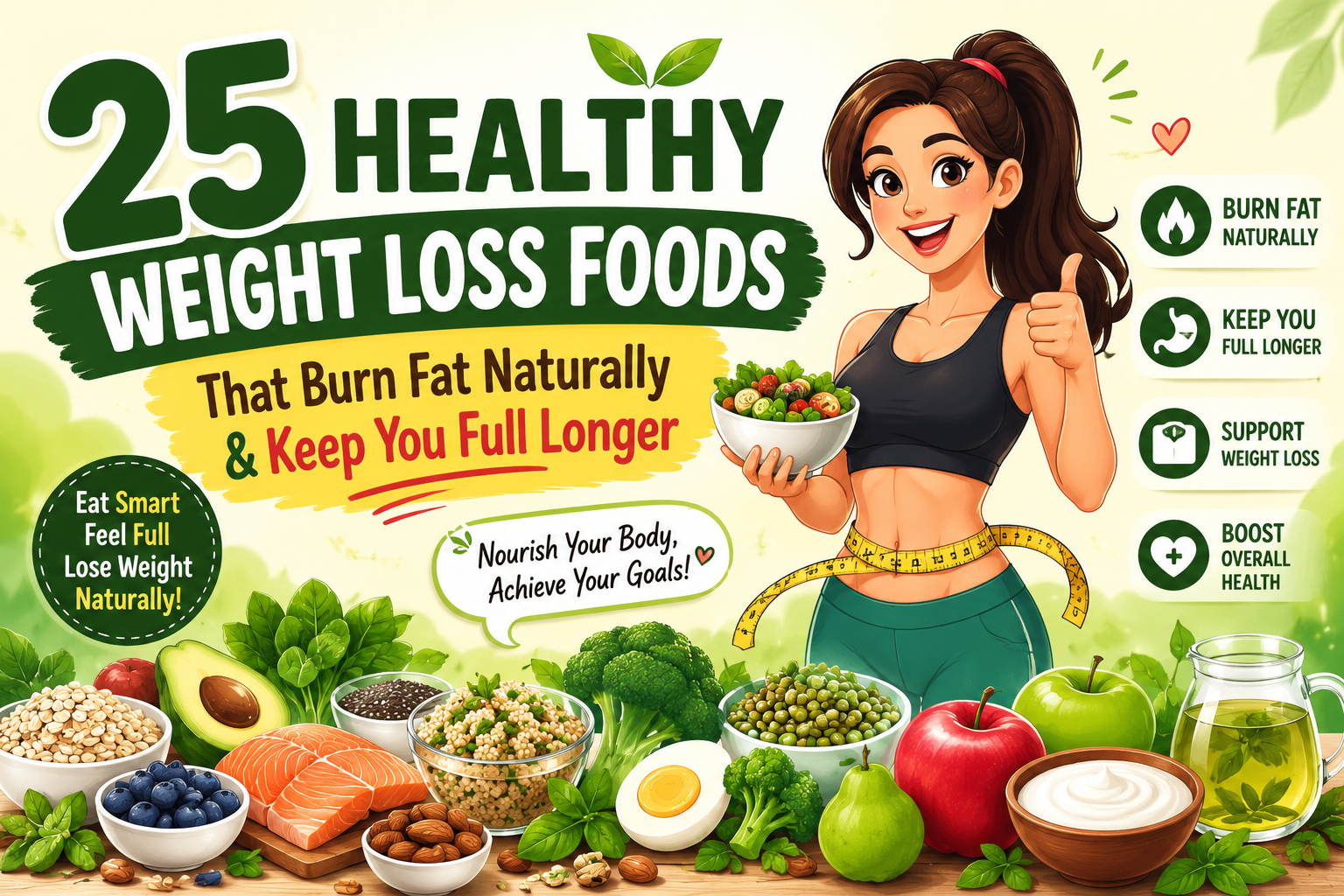
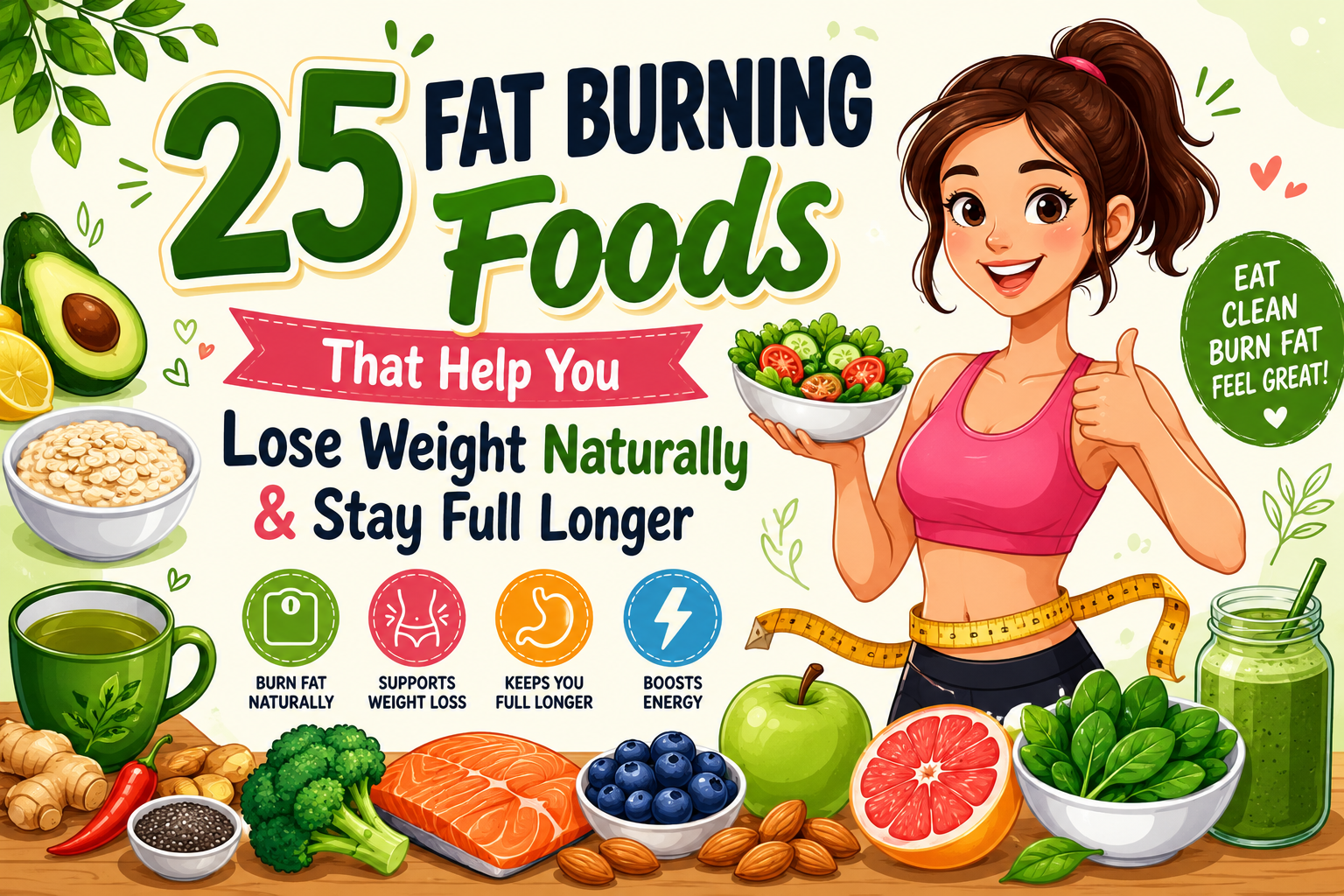
While no single food can dramatically “speed up” your metabolism, certain nutrient-rich foods can support normal metabolic function as part of a balanced diet. Including these metabolism boosting foods alongside regular exercise and healthy lifestyle habits can help optimize energy use and overall wellness.
| Food | Why It Helps |
| Eggs | Rich in high-quality protein that promotes fullness and supports muscle maintenance. |
| Greek Yogurt | Provides protein and probiotics that support digestive health. |
| Salmon | Contains protein and omega-3 fatty acids for overall health. |
| Chili Peppers | Contain capsaicin, which may slightly increase calorie burning for a short time. |
| Green Tea | Contains catechins and caffeine that may modestly support metabolism. |
| Coffee | Caffeine can temporarily increase alertness and energy expenditure. |
| Lentils | High in protein, fiber, and iron. |
| Beans | Support fullness while providing fiber and plant protein. |
| Spinach | Rich in nutrients that support overall health. |
| Broccoli | High in fiber and vitamins with relatively few calories. |
| Apples | Promote fullness due to fiber and water content. |
| Berries | Rich in antioxidants and naturally sweet with fewer calories. |
| Chia Seeds | Provide fiber, healthy fats, and plant protein. |
| Oats | A whole grain that offers slow-digesting carbohydrates and fiber. |
| Almonds | Healthy fats, protein, and fiber make them a satisfying snack in moderation. |
Common Mistakes That Slow Fat Loss
Many people unknowingly adopt habits that make natural weight loss more difficult. Recognizing and correcting these mistakes can improve your progress without resorting to extreme diets.
Common mistakes include:
- Skipping meals and becoming overly hungry.
- Drinking calories from sugary beverages.
- Eating too little protein.
- Not getting enough sleep.
- Ignoring strength training.
- Sitting for long periods.
- Following fad diets.
- Expecting overnight results.
- Eating while distracted.
- Neglecting stress management.
- Relying solely on the bathroom scale.
- Eliminating entire food groups without medical advice.
Avoiding these pitfalls helps create a healthier and more sustainable approach to weight management.
Natural Weight Loss Myths
Misinformation about weight loss is widespread. Understanding the facts can help you make informed decisions and avoid ineffective or potentially harmful practices.
| Myth | Reality |
| Carbs always cause weight gain. | Whole grains, fruits, and legumes can be part of a healthy weight-loss plan. |
| You must skip meals to lose weight. | Skipping meals may increase hunger and lead to overeating later. |
| Fat-burning supplements are necessary. | Most supplements have limited evidence and cannot replace healthy habits. |
| Sweating means you’re burning more fat. | Sweat reflects fluid loss, not fat loss. |
| Eating late at night always causes weight gain. | Overall calorie intake and food quality matter more than the clock. |
| You need hours of exercise daily. | Consistent moderate activity and strength training are highly effective. |
| Healthy foods can be eaten without limits. | Portion size still matters. |
| Crash diets provide lasting results. | Gradual lifestyle changes are more sustainable and easier to maintain. |
Daily Healthy Weight Loss Checklist
Building consistent habits is more important than chasing perfection. Use this simple checklist to stay on track each day:
A. Eat a protein-rich breakfast (if it fits your routine).
B. Include vegetables with lunch and dinner.
C. Drink enough water throughout the day.
D. Walk or stay physically active.
E. Complete a strength-training or mobility session when scheduled.
F. Eat slowly and mindfully.
G.Choose whole foods most of the time.
H.Get 7–9 hours of quality sleep.
I. Manage stress with a healthy coping strategy.
J. Celebrate small wins and stay consistent.
Frequently Asked Questions (FAQs)
1. Can I lose weight naturally without dieting?
Yes. Many people successfully lose weight by improving food quality rather than following restrictive diets. Eating more whole foods, increasing protein and fiber intake, staying active, getting enough sleep, and practicing mindful eating can support gradual, sustainable weight loss without eliminating entire food groups or counting every calorie.
2. What is the best breakfast for natural weight loss?
A balanced breakfast that includes protein, fiber, and healthy fats can help keep you full for longer. Examples include eggs with whole-grain toast, Greek yogurt with berries and nuts, or oatmeal topped with seeds and fruit. The best breakfast is one that fits your preferences and supports your overall eating pattern.
3. How much exercise do I need to lose weight naturally?
Most adults benefit from at least 150 minutes of moderate-intensity physical activity per week, along with muscle-strengthening exercises on two or more days each week. Even small increases in daily movement, such as walking more often or taking the stairs, can contribute to overall calorie expenditure and improved health.
4. Are cheat meals okay during weight loss?
Occasional indulgent meals can fit into a balanced lifestyle if they don’t become frequent overeating episodes. Instead of labeling foods as “good” or “bad,” focus on moderation and consistency. Enjoying favorite foods occasionally can make healthy eating more sustainable over the long term.
5. Does metabolism slow down with age?
Metabolism can gradually change with age, partly due to reduced muscle mass and lower activity levels. However, regular strength training, adequate protein intake, and staying physically active can help support metabolic health and preserve lean muscle as you get older.
Key Takeaways
- Eat more protein and fiber to improve fullness and support healthy eating.
- Choose whole, minimally processed foods most of the time.
- Drink water regularly and limit sugary beverages.
- Strength training helps preserve muscle during weight loss.
- Walking and everyday movement contribute meaningfully to calorie expenditure.
- Prioritize 7–9 hours of quality sleep each night.
- Manage stress to support healthy habits and overall well-being.
- Avoid crash diets and focus on sustainable lifestyle changes.
- Progress takes time—consistency matters more than perfection.
- Long-term healthy habits are the foundation of lasting weight management.
Conclusion
Learning how to lose weight naturally is about much more than following a temporary diet or chasing quick results. Lasting success comes from building healthy habits that fit your lifestyle and can be maintained over the long term. By focusing on balanced nutrition, regular physical activity, adequate sleep, stress management, and mindful eating, you can support your body’s natural ability to manage weight while improving your overall health.
Remember that there is no single food, exercise, or shortcut that guarantees rapid fat loss. Instead, small, consistent improvements made every day often produce the most meaningful and sustainable outcomes. Celebrate progress beyond the scale, such as increased energy, improved fitness, better sleep, and healthier daily routines.
At PureWellLife, we believe that wellness is a lifelong journey, not a destination. Continue exploring our evidence-based health resources, nutrition guides, and healthy lifestyle articles at PureWellLife.com to discover practical tips that empower you to make informed choices. Start with one healthy habit today, stay consistent, and let every positive step move you closer to a healthier, happier future.