Tuberculosis (TB) Prevention
Tuberculosis (TB) is a contagious infectious disease caused by the bacterium Mycobacterium tuberculosis. It primarily affects the lungs, but it can also spread to other parts of the body, including the kidneys, spine, and brain. Although tuberculosis remains a global public health concern, it is both preventable and treatable with early diagnosis, proper medical care, and healthy lifestyle practices.
Understanding how TB spreads and following recommended prevention measures can help protect individuals, families, and communities from infection.
What Is Tuberculosis (TB)?
Tuberculosis is a bacterial infection that most commonly attacks the lungs (pulmonary TB). In some cases, it affects other organs, which is known as extrapulmonary TB.
Not everyone infected with TB bacteria becomes sick. Some people have latent TB infection, where the bacteria remain inactive in the body without causing symptoms. However, latent TB can develop into active TB disease if left untreated, especially in people with weakened immune systems.
How Does Tuberculosis Spread?
TB spreads through the air when a person with active pulmonary TB coughs, sneezes, speaks, laughs, or sings.
A person may inhale tiny droplets containing TB bacteria, particularly after prolonged close contact with someone who has untreated active TB.
TB does not usually spread by:
- Shaking hands
- Sharing food
- Sharing utensils
- Touching surfaces
- Hugging someone
Who Is at Higher Risk?
Some people are more likely to develop active TB disease after exposure.
Higher-risk groups include:
- People living with HIV
- Individuals with weakened immune systems
- People with diabetes
- Smokers
- Older adults
- Young children
- People with poor nutrition
- Healthcare workers
- Individuals living in crowded or poorly ventilated environments
- Close contacts of someone with active TB
Common Symptoms of Active Tuberculosis
Symptoms may develop gradually and include:
- Persistent cough lasting more than 2–3 weeks
- Chest pain
- Coughing up blood or mucus
- Fever
- Night sweats
- Fatigue
- Loss of appetite
- Unexplained weight loss
- Chills
Anyone experiencing these symptoms should seek medical evaluation promptly.
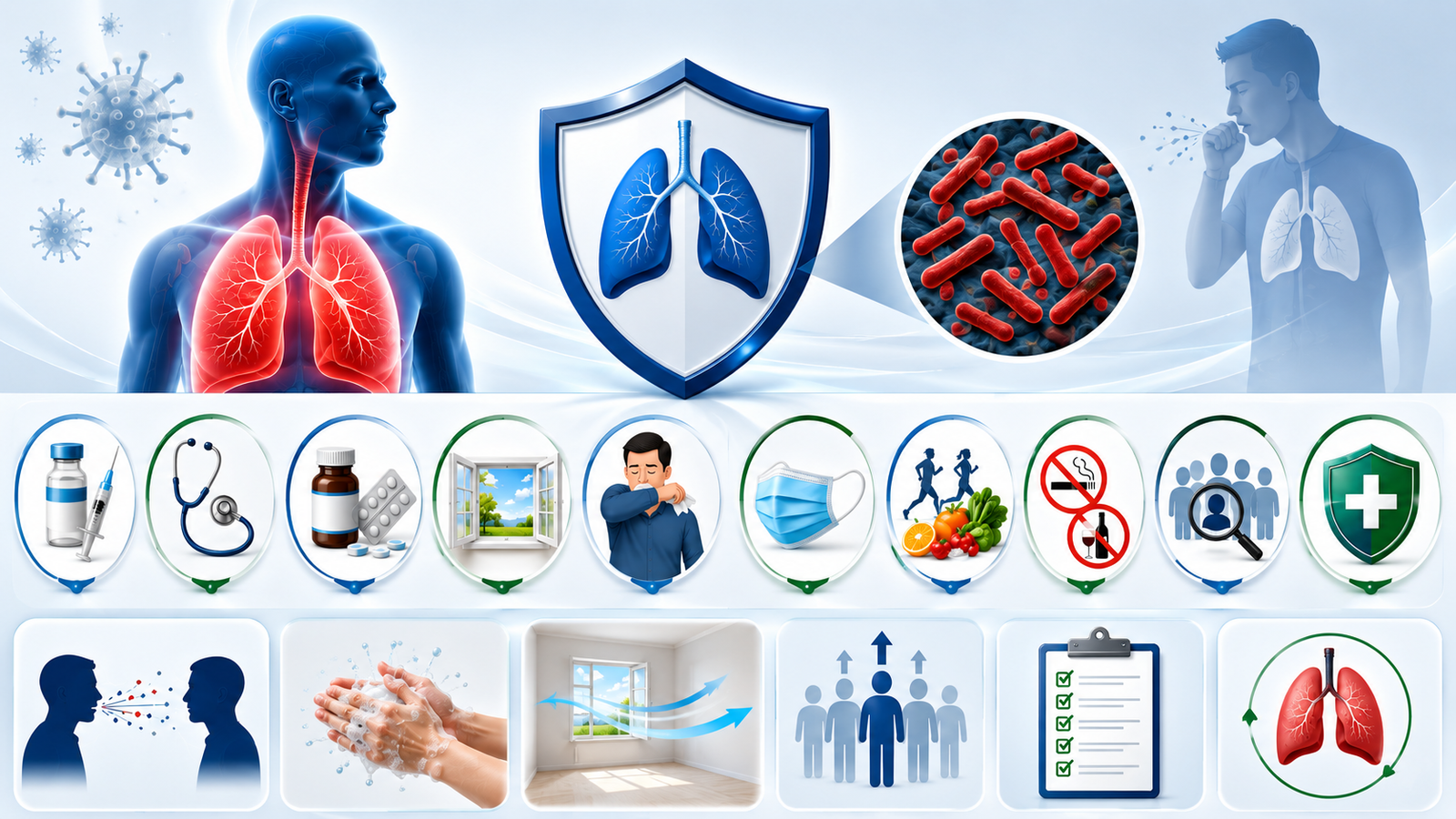
Best Tuberculosis (TB) Prevention Tips
1. Get Vaccinated Where Recommended
The BCG (Bacillus Calmette-Guérin) vaccine helps protect young children against severe forms of tuberculosis in countries where TB is common.
Vaccination policies vary by country. Follow your local public health recommendations.
2. Seek Early Medical Care
Early diagnosis and treatment of active TB are among the most effective ways to prevent the spread of infection.
If you develop symptoms such as a persistent cough, fever, or unexplained weight loss, consult a healthcare professional without delay.
3. Complete TB Treatment
People diagnosed with tuberculosis should complete the entire prescribed treatment, even if they begin to feel better.
Stopping treatment early may lead to:
- Drug-resistant TB
- Treatment failure
- Continued spread of infection
Always follow your healthcare provider’s instructions carefully.
4. Improve Indoor Ventilation
TB bacteria spread more easily in enclosed, poorly ventilated spaces.
Improve airflow by:
- Opening windows
- Using exhaust fans
- Increasing natural ventilation
- Spending time outdoors when appropriate
Good ventilation helps reduce the concentration of airborne bacteria.
5. Practice Good Respiratory Hygiene
People with respiratory symptoms should:
- Cover their mouth and nose when coughing or sneezing.
- Use tissues or cough into their elbow.
- Dispose of used tissues properly.
- Wash their hands regularly after coughing or sneezing.
These simple habits help reduce the spread of respiratory infections, including TB.
6. Wear a Mask When Necessary
If someone has suspected or confirmed active pulmonary tuberculosis, wearing a well-fitting mask can help reduce the spread of infectious droplets, especially in healthcare settings or crowded indoor spaces.
People caring for individuals with active TB should also follow the guidance provided by healthcare professionals regarding personal protective equipment (PPE).
7. Maintain a Strong Immune System
A healthy immune system helps the body fight infections more effectively.
Support your immunity by:
- Eating a balanced diet
- Exercising regularly
- Sleeping 7–9 hours every night
- Managing stress
- Staying hydrated
- Avoiding smoking and excessive alcohol
These healthy lifestyle habits contribute to overall well-being and may reduce the risk of developing active TB disease.
8. Avoid Smoking
Smoking damages the lungs and weakens their natural defense mechanisms, increasing the risk of respiratory infections, including tuberculosis.
Quitting smoking improves lung function and supports better overall health.
9. Screen Close Contacts
If someone in your household or workplace is diagnosed with active tuberculosis, healthcare providers may recommend TB screening for people who have had close contact with that individual.
Early screening helps identify latent or active TB and allows treatment to begin promptly if needed.
10. Follow Public Health Guidelines
Always follow local public health recommendations regarding:
- TB screening
- Vaccination programs
- Infection control measures
- Treatment guidelines
- Follow-up appointments
Community awareness and cooperation play an important role in controlling the spread of tuberculosis.
Foods That Support a Healthy Immune System
Although no specific food can prevent or cure tuberculosis, a nutritious diet supports the immune system and overall health.
Protein-Rich Foods
Protein helps repair body tissues and supports immune function.
Examples include:
- Eggs
- Fish
- Chicken
- Lentils
- Beans
- Chickpeas
- Tofu
- Low-fat dairy products
Fruits Rich in Vitamin C
Vitamin C supports normal immune function.
Include:
- Oranges
- Kiwi
- Guava
- Strawberries
- Papaya
- Lemons
Green Leafy Vegetables
These provide vitamins, minerals, and antioxidants.
Examples include:
- Spinach
- Kale
- Broccoli
- Cabbage
- Fenugreek leaves
Whole Grains
Whole grains provide fiber and essential nutrients.
Choose:
- Brown rice
- Oats
- Whole wheat
- Quinoa
- Barley
Healthy Fats
Healthy fats help support overall health.
Good choices include:
- Walnuts
- Almonds
- Chia seeds
- Flaxseeds
- Olive oil
- Avocados
How Is Tuberculosis Diagnosed?
Healthcare professionals may use one or more tests to diagnose TB.
Medical History and Physical Examination
Your doctor will ask about:
- Symptoms
- Medical history
- Recent travel
- Exposure to someone with TB
Chest X-ray
A chest X-ray helps identify changes in the lungs that may suggest tuberculosis.
Sputum Test
A sputum sample may be examined to detect Mycobacterium tuberculosis bacteria.
TB Skin Test (Mantoux Test)
This test helps identify exposure to TB bacteria.
Blood Tests
Certain blood tests, such as Interferon-Gamma Release Assays (IGRAs), can help detect TB infection in some individuals.
When Should You See a Doctor?
Seek medical attention if you experience:
- A cough lasting longer than 2–3 weeks
- Coughing up blood
- Persistent fever
- Night sweats
- Chest pain
- Difficulty breathing
- Unexplained weight loss
- Severe fatigue
Early diagnosis and treatment improve outcomes and help prevent transmission to others.
Frequently Asked Questions
Can tuberculosis be prevented?
Yes. Tuberculosis can often be prevented through early diagnosis and treatment of active cases, vaccination where recommended, good ventilation, respiratory hygiene, and healthy lifestyle practices.
Is tuberculosis contagious?
Active pulmonary TB can spread through the air when an infected person coughs, sneezes, speaks, or sings. It is not typically spread by sharing food, shaking hands, or touching surfaces.
Can latent TB become active?
Yes. People with latent TB infection do not have symptoms and cannot spread the disease, but the infection can become active later, especially if the immune system becomes weakened.
Is tuberculosis curable?
Yes. Most cases of drug-sensitive tuberculosis can be successfully treated with the appropriate combination of medications when taken exactly as prescribed for the full treatment duration.
Who should get tested for TB?
People with TB symptoms, close contacts of someone with active TB, healthcare workers, and individuals at higher risk due to medical conditions or exposure should consult a healthcare provider about TB testing.
Key Takeaways
- Tuberculosis (TB) is a contagious bacterial infection that mainly affects the lungs.
- TB spreads through airborne droplets from a person with active pulmonary TB.
- Early diagnosis and completing the full course of treatment are essential to prevent transmission and complications.
- Good ventilation, respiratory hygiene, vaccination where recommended, and regular health screening help reduce the risk of TB.
- A healthy lifestyle—including a balanced diet, regular exercise, adequate sleep, and avoiding smoking—supports immune function and overall health.
- Seek medical evaluation promptly if you develop a persistent cough, fever, night sweats, or unexplained weight loss.
Conclusion
Tuberculosis remains a significant global health challenge, but it is both preventable and treatable with timely medical care and appropriate public health measures. Understanding how TB spreads, recognizing its symptoms, and following recommended prevention strategies can greatly reduce the risk of infection.
Maintaining a healthy immune system, ensuring good ventilation in indoor spaces, practicing respiratory hygiene, and completing prescribed TB treatment are essential steps in protecting yourself and those around you. Regular health checkups and early medical attention for persistent respiratory symptoms play a key role in controlling the spread of tuberculosis and improving long-term health outcomes.