Food safety begins long before a meal reaches your plate. Every time you prepare ingredients, handle raw foods, cook meals, or store leftovers, you make decisions that affect your family’s health. Even small mistakes—such as using the same cutting board for raw chicken and vegetables or leaving cooked food at room temperature for too long—can increase the risk of foodborne illnesses.
Fortunately, practicing kitchen food safety doesn’t require expensive equipment or professional culinary training. Simple habits like washing your hands properly, keeping foods at safe temperatures, cleaning kitchen surfaces, and storing leftovers correctly can dramatically reduce the chances of harmful bacteria contaminating your meals.
This comprehensive guide explains kitchen food safety made easy through practical, everyday tips that anyone can follow. Whether you’re a beginner learning to cook, a busy parent preparing family dinners, or someone looking to improve kitchen hygiene, you’ll discover expert-backed advice, easy checklists, common mistakes to avoid, and simple routines that make food preparation safer and more efficient.
By the end of this guide, you’ll understand not only what to do but also why each food safety practice matters, helping you build healthy cooking habits that last a lifetime.
What Is Kitchen Food Safety?
Kitchen food safety refers to the practices that keep food free from harmful bacteria, viruses, parasites, and contaminants throughout preparation, cooking, serving, and storage. It includes maintaining proper hygiene, preventing cross-contamination, cooking food thoroughly, storing ingredients at safe temperatures, and cleaning kitchen equipment regularly. Following these practices helps reduce the risk of foodborne illnesses while improving the overall quality and freshness of meals. Good food safety habits protect everyone in the household, especially children, older adults, pregnant women, and individuals with weakened immune systems.
Why Is Kitchen Food Safety Important?
Millions of people experience foodborne illnesses each year due to unsafe food handling practices. Many cases originate in home kitchens rather than restaurants. Proper food safety protects your family from harmful microorganisms such as Salmonella, E. coli, Listeria, and Campylobacter. Beyond preventing illness, good kitchen hygiene reduces food waste, extends food freshness, improves meal quality, and builds confidence in everyday cooking. Developing these habits early makes safe cooking second nature and significantly lowers health risks over time.
Why Food Safety Matters Every Day
Food safety is not something to think about only during holidays or when preparing large meals. Every breakfast, lunch, dinner, and snack presents opportunities for contamination if proper practices are ignored. Raw meat juices can spread bacteria to fresh vegetables, leftovers can spoil if not refrigerated promptly, and improperly cooked foods may still contain harmful pathogens.
Practicing food safety every day creates a healthier home environment. It reduces unnecessary doctor visits, minimizes food waste, saves money by preserving food quality, and ensures that meals remain nutritious and safe. Consistent habits are far more effective than occasional deep cleaning or one-time safety checks because bacteria can multiply quickly under the right conditions.
The Four Core Principles of Kitchen Food Safety
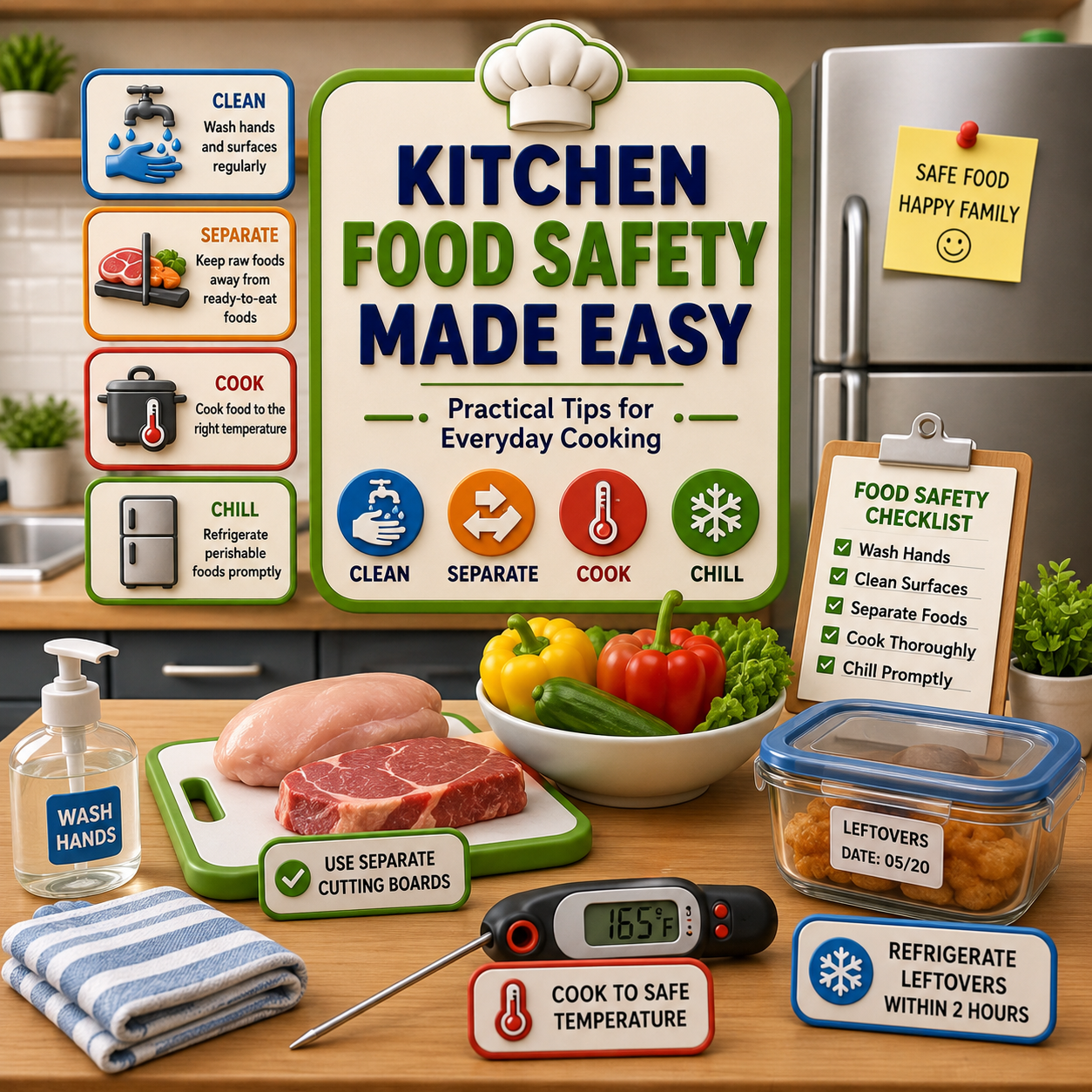
The foundation of every food safety guideline can be summarized into four simple principles: Clean, Separate, Cook, and Chill. These principles are recommended by leading public health organizations because they address the most common causes of foodborne illness. Understanding and applying them consistently creates a strong defense against contamination in any kitchen.
Clean: Keep Hands and Surfaces Hygienic
Cleanliness is the first line of defense against foodborne illnesses. Wash your hands with soap and warm water for at least 20 seconds before and after handling food, especially raw meat, poultry, seafood, or eggs. Clean countertops, cutting boards, knives, utensils, and kitchen towels regularly using hot, soapy water. Replace worn sponges frequently because they can harbor bacteria even after rinsing.
Best cleaning practices include:
- Wash hands before cooking.
- Wash produce under running water.
- Clean cutting boards after each use.
- Replace dirty kitchen cloths regularly.
- Sanitize frequently touched surfaces.
- Empty kitchen trash daily.
Separate: Prevent Cross-Contamination
Cross-contamination occurs when harmful bacteria move from one food or surface to another. This commonly happens when raw meat comes into contact with ready-to-eat foods such as salads, fruits, or cooked meals. Using separate cutting boards and utensils for raw proteins and fresh produce greatly reduces this risk.
Simple organization also helps. Store raw meat on the lowest refrigerator shelf in sealed containers to prevent juices from dripping onto other foods. Keep reusable grocery bags clean, and avoid placing cooked food back on plates that previously held raw meat.
Cook: Reach Safe Internal Temperatures
Cooking food to the correct internal temperature destroys most harmful bacteria. Color alone is not a reliable indicator of doneness. Using a digital food thermometer provides accurate confirmation that food has reached a safe temperature.
Recommended Safe Cooking Temperatures
| Food | Safe Internal Temperature |
| Chicken & Turkey | 74°C (165°F) |
| Ground Meat | 71°C (160°F) |
| Beef, Lamb & Pork Steaks | 63°C (145°F) + Rest Time |
| Fish | 63°C (145°F) |
| Egg Dishes | 71°C (160°F) |
| Leftovers | 74°C (165°F) |
Cooking foods thoroughly not only improves safety but also preserves flavor and texture when done correctly.
Chill: Refrigerate Foods Promptly
Temperature control is essential because bacteria multiply rapidly between 4°C and 60°C (40°F–140°F), commonly known as the “danger zone.” Refrigerate perishable foods within two hours of cooking, or within one hour if the room temperature exceeds 32°C (90°F).
Organize your refrigerator to maintain airflow, avoid overloading shelves, and check appliance temperatures regularly. Freeze foods that will not be consumed within a few days to preserve quality and prevent spoilage.
Personal Hygiene in the Kitchen
Personal hygiene plays a major role in kitchen food safety because people are one of the most common sources of contamination. Washing hands correctly before food preparation, after touching raw meat, after using the restroom, after handling pets, and after coughing or sneezing significantly reduces the spread of harmful microorganisms.
Good kitchen hygiene also includes wearing clean clothing, tying back long hair, covering cuts with waterproof bandages, and avoiding food preparation when sick with vomiting, diarrhea, or fever. Keeping fingernails short and removing jewelry while cooking helps prevent bacteria from hiding in hard-to-clean areas. These simple habits require little effort but provide substantial protection against foodborne illness.
Cleaning and Sanitizing Kitchen Surfaces
Cleaning removes visible dirt and food particles, while sanitizing reduces bacteria to safer levels. Both steps are necessary for maintaining a hygienic kitchen. Countertops, sinks, cutting boards, refrigerator handles, cabinet knobs, and appliance controls are frequently touched surfaces that require regular attention.
A daily cleaning routine should include washing surfaces with hot, soapy water followed by an appropriate food-safe sanitizer where needed. Wooden cutting boards should be dried completely before storage to prevent bacterial growth, while plastic cutting boards should be replaced once deep grooves develop. Regular maintenance of dishcloths, sponges, and kitchen brushes also prevents them from becoming hidden sources of contamination.
Preventing Cross-Contamination
Cross-contamination is one of the leading causes of foodborne illness in home kitchens. It happens when harmful bacteria or other microorganisms are transferred from one food, surface, utensil, or person to another. Raw meat, poultry, seafood, eggs, and unwashed produce are common sources of contamination. Fortunately, preventing cross-contamination is straightforward when you establish safe kitchen habits and remain consistent with them.
One of the easiest ways to prevent cross-contamination is to create separate preparation areas for raw and ready-to-eat foods. Keep raw meats away from fruits, vegetables, cooked foods, dairy products, and baked goods. Clean and sanitize work surfaces immediately after handling raw proteins, and always wash your hands before touching other ingredients.
Use Separate Kitchen Equipment
Using dedicated utensils and equipment minimizes the spread of bacteria throughout your kitchen.
Recommended practices include:
- Use one cutting board for raw meat.
- Use another cutting board for fruits and vegetables.
- Keep separate knives for raw and cooked foods whenever possible.
- Never reuse marinades unless they have been boiled.
- Replace disposable gloves after handling raw foods.
- Wash reusable kitchen tools thoroughly between tasks.
Color-coded cutting boards are especially helpful because they reduce confusion during meal preparation.
Safe Food Storage Guidelines
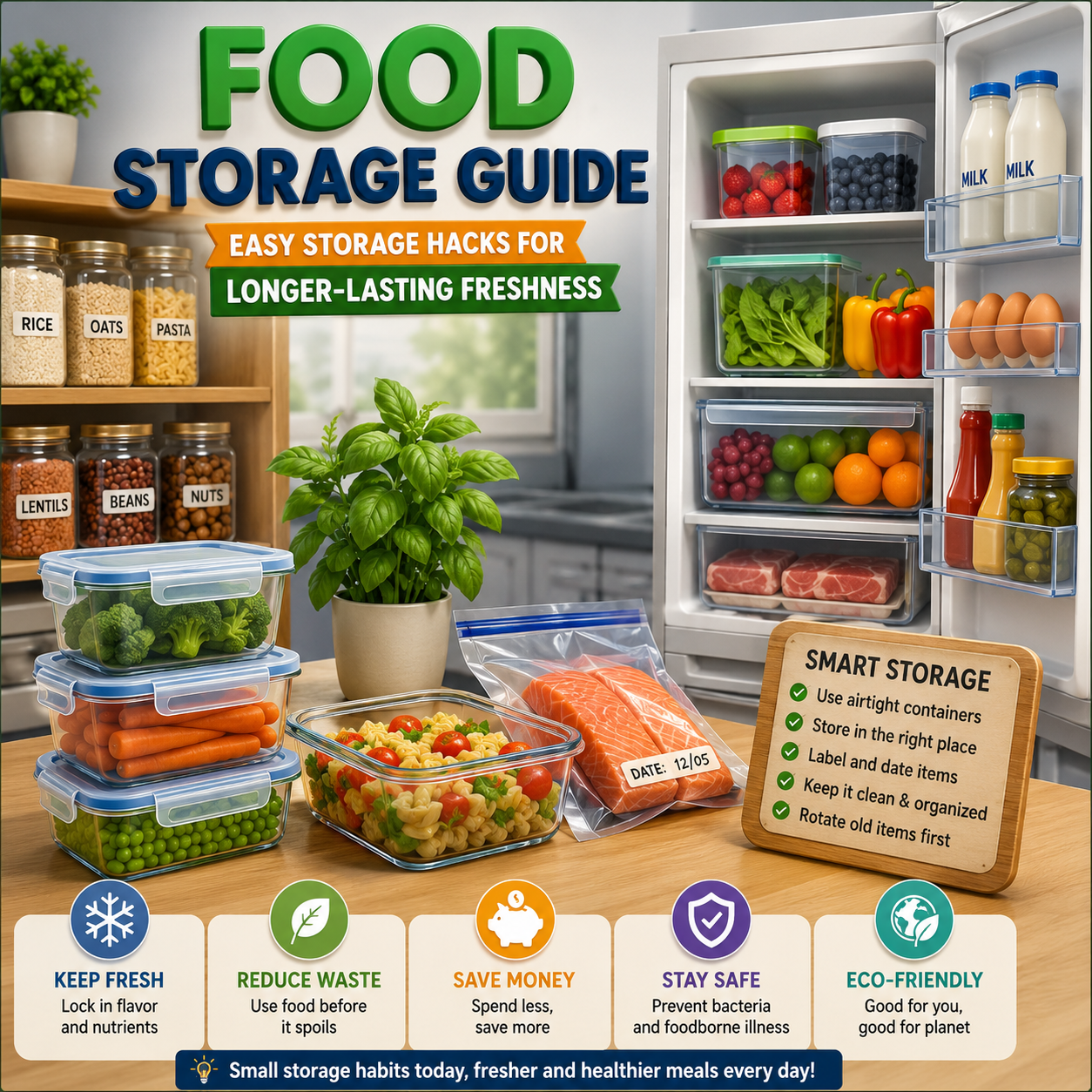
Proper food storage helps maintain freshness while preventing harmful bacteria from multiplying. Every refrigerator and pantry should be organized with food safety in mind. Storing foods correctly extends shelf life, reduces waste, and lowers the risk of contamination.
Raw meat should always be stored in leak-proof containers on the lowest shelf of the refrigerator. Ready-to-eat foods should remain above raw products to prevent dripping juices from contaminating them. Dry goods should be kept in airtight containers away from heat, moisture, and direct sunlight.
Refrigerator Organization
A well-organized refrigerator supports both food safety and convenience.
| Refrigerator Area | Best Foods to Store |
| Top Shelf | Leftovers, drinks, ready-to-eat foods |
| Middle Shelf | Dairy products, yogurt, cheese |
| Bottom Shelf | Raw meat in sealed containers |
| Drawers | Fruits and vegetables (separate drawers if possible) |
| Door | Condiments and beverages |
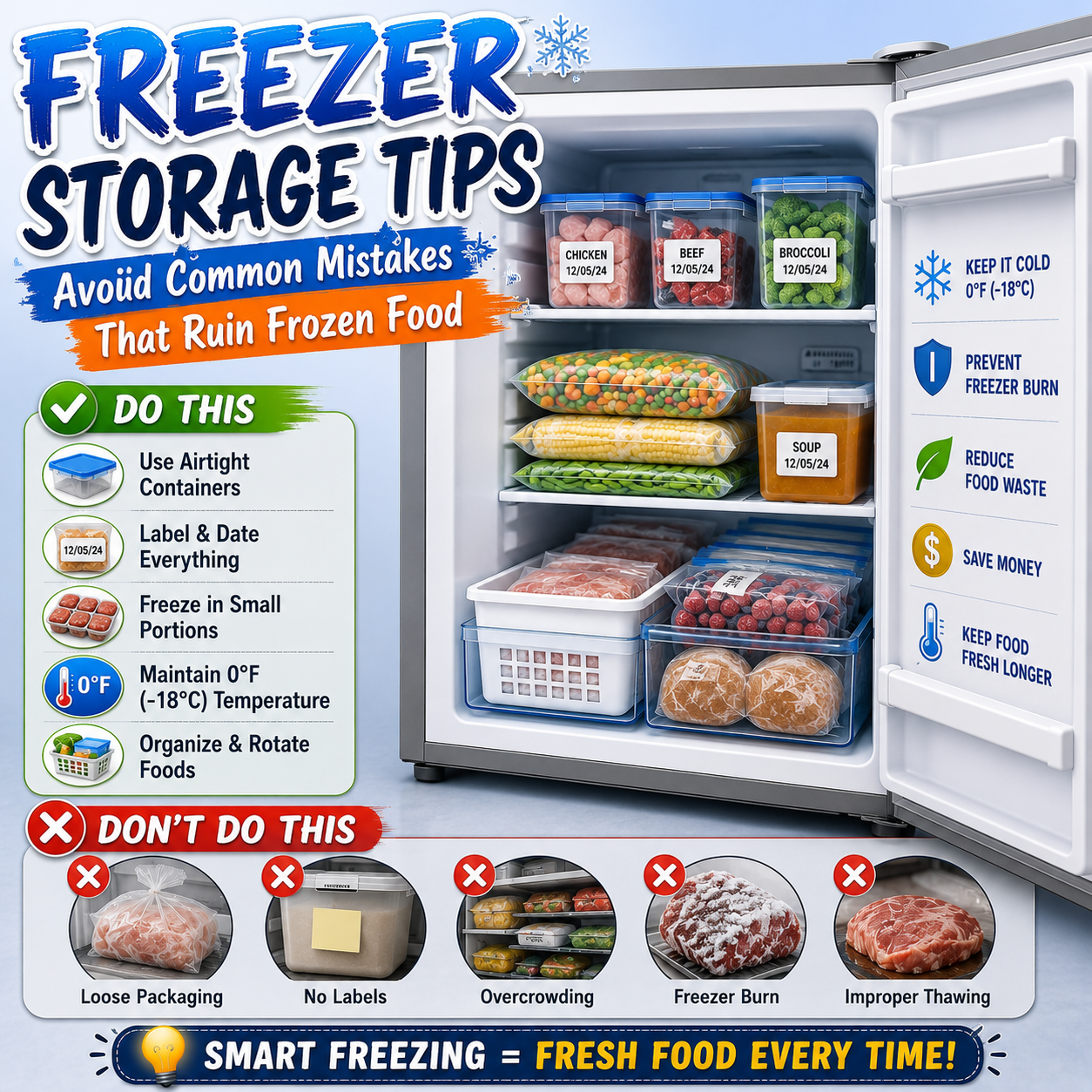
Maintaining refrigerator temperatures below 4°C (40°F) and freezer temperatures at -18°C (0°F) keeps food safer for longer.
How Long Can Food Be Stored Safely?
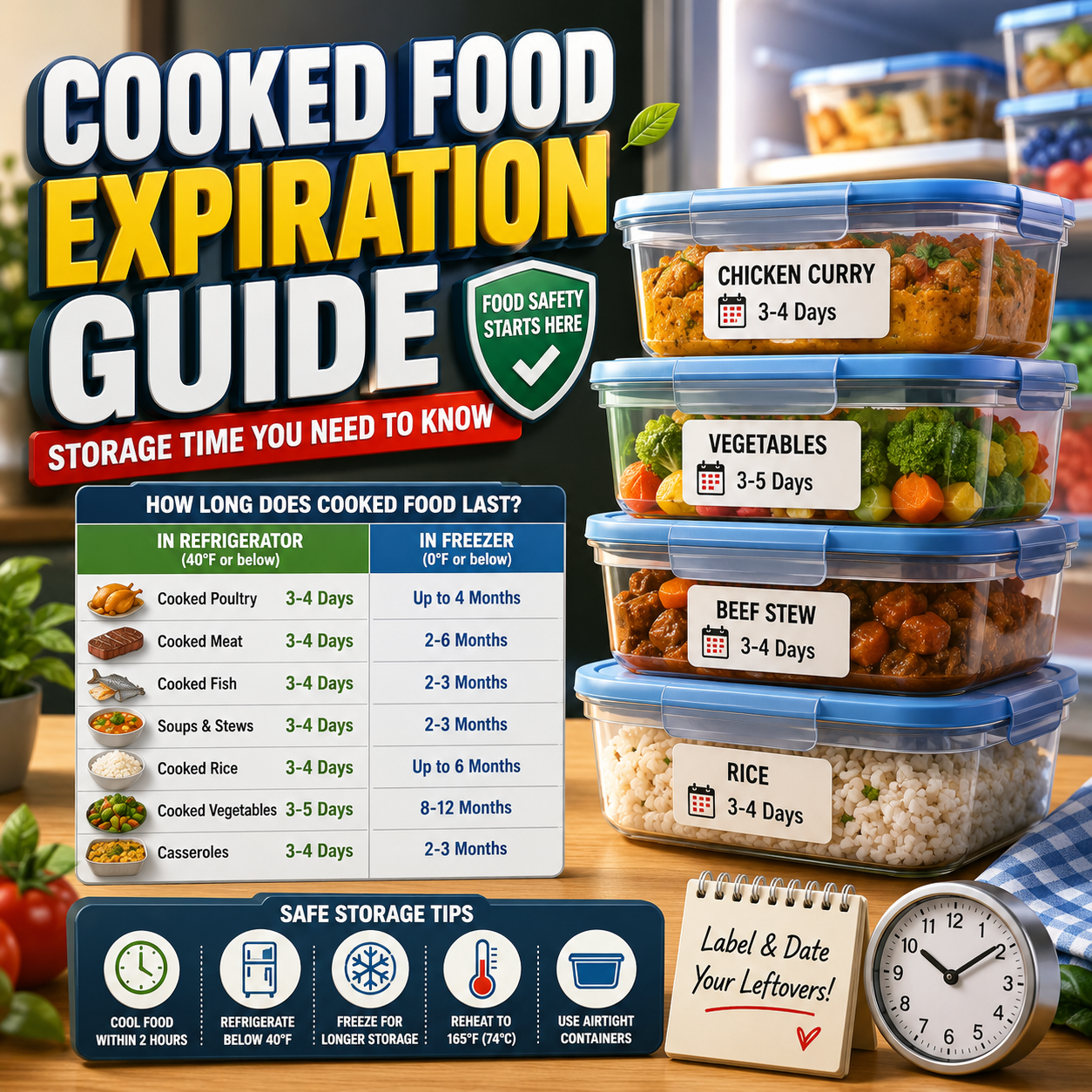
Food doesn’t remain safe forever, even under refrigeration. Knowing recommended storage times helps prevent accidental consumption of spoiled food.
| Food Item | Refrigerator | Freezer |
| Cooked Chicken | 3–4 Days | 2–6 Months |
| Ground Meat | 1–2 Days | 3–4 Months |
| Fresh Fish | 1–2 Days | 2–3 Months |
| Cooked Rice | 3–4 Days | 1 Month |
| Soups | 3–4 Days | 2–3 Months |
| Eggs | 3–5 Weeks | Not Recommended in Shell |
Always label leftovers with the preparation date. When in doubt, throw it out.
Safe Cooking Temperatures Explained
Cooking food thoroughly destroys bacteria that may cause illness. Different foods require different internal temperatures because bacteria survive differently depending on the food type and density.
A food thermometer is one of the most valuable kitchen tools because appearance alone cannot determine whether food is fully cooked. For example, chicken may appear done on the outside while remaining undercooked inside.
Safe Internal Temperature Chart
| Food | Temperature |
| Poultry | 74°C (165°F) |
| Ground Beef | 71°C (160°F) |
| Pork | 63°C (145°F) |
| Fish | 63°C (145°F) |
| Egg Dishes | 71°C (160°F) |
| Leftovers | 74°C (165°F) |
Insert the thermometer into the thickest part of the food while avoiding bones.
Safe Thawing Methods
Improper thawing allows bacteria to multiply rapidly before cooking begins. Leaving frozen meat on the kitchen counter for several hours is one of the most common food safety mistakes.
Instead, use one of these approved thawing methods:
1. Refrigerator Thawing
This is the safest method because food remains at a consistently safe temperature throughout the thawing process. Although slower, it preserves food quality and minimizes bacterial growth.
2. Cold Water Thawing
Seal food in a leak-proof plastic bag and submerge it in cold water. Change the water every 30 minutes. Cook immediately after thawing.
3. Microwave Thawing
Microwave thawing is convenient for small portions but should be followed by immediate cooking because parts of the food may begin warming into the danger zone.
Never thaw food on the countertop at room temperature.
Grocery Shopping Food Safety Tips
Food safety begins before you even arrive home. Smart grocery shopping helps reduce contamination and ensures perishable items remain at safe temperatures.
Plan your shopping trip so refrigerated and frozen foods are selected last. Use insulated bags during hot weather and head home promptly after purchasing perishables.
Smart Grocery Shopping Checklist
- Inspect expiration dates.
- Choose refrigerated products last.
- Keep raw meat separate from produce.
- Avoid dented or damaged cans.
- Purchase eggs with clean, uncracked shells.
- Select cold dairy products.
- Use insulated bags in warm climates.
- Refrigerate groceries immediately after arriving home.
Proper shopping habits are the first step in maintaining the cold chain and preserving food quality.
Food Safety During Meal Preparation
Meal prepping saves time during busy weeks, but it requires careful planning to keep prepared foods safe. Large batches of food should be cooled quickly before refrigeration, and individual portions should be stored in clean, airtight containers.
Avoid preparing meals too far in advance unless they will be frozen. Label containers with preparation dates and consume refrigerated meal-prep items within three to four days.
Meal Prep Best Practices
- Wash produce before cutting.
- Prepare raw meat separately.
- Cool cooked food before sealing.
- Divide meals into smaller containers.
- Label containers with dates.
- Rotate older meals first.
- Reheat thoroughly before eating.
Good meal preparation habits improve convenience without compromising safety.
Common Kitchen Food Safety Mistakes
Even experienced home cooks sometimes develop habits that increase the risk of foodborne illness. Identifying these mistakes is the first step toward preventing them.
Frequently Seen Mistakes
- Not washing hands before cooking.
- Using the same cutting board for raw meat and vegetables.
- Leaving cooked food out for too long.
- Guessing doneness without a thermometer.
- Overloading the refrigerator.
- Ignoring expiration dates.
- Reheating leftovers multiple times.
- Using dirty kitchen towels repeatedly.
- Washing raw chicken, which can spread bacteria through water splashes.
- Tasting food that appears spoiled.
Replacing these habits with safer alternatives significantly improves kitchen hygiene.
Practical Kitchen Food Safety Checklist
Creating a daily routine helps make food safety automatic. Following a checklist before, during, and after cooking ensures nothing important is overlooked.
Before Cooking
- Wash hands thoroughly.
- Clean countertops.
- Gather clean utensils.
- Check ingredient freshness.
- Separate raw and ready-to-eat foods.
During Cooking
- Use clean utensils.
- Avoid cross-contamination.
- Cook to safe temperatures.
- Wash hands after touching raw meat.
- Keep hot foods hot.
After Cooking
- Refrigerate leftovers within two hours.
- Clean and sanitize surfaces.
- Wash dishes with hot, soapy water.
- Store leftovers in labeled containers.
- Empty kitchen trash if necessary.
Following this checklist daily builds lasting food safety habits and reduces the risk of foodborne illness.
Frequently Asked Questions
1. How can I make my kitchen safer every day?
Start by washing your hands before handling food, cleaning work surfaces, separating raw and cooked foods, using a food thermometer, and refrigerating leftovers promptly. Making these habits part of your daily routine greatly reduces the risk of foodborne illness and creates a healthier cooking environment.
2. What foods spoil the fastest?
Fresh meat, poultry, seafood, dairy products, cooked rice, eggs, and prepared meals spoil more quickly than dry pantry items. Store these foods at proper refrigerator temperatures and consume them within the recommended time frame to maintain safety and quality.
3. Should fruits and vegetables always be washed?
Yes. Fresh fruits and vegetables should be rinsed under clean running water before eating or cooking, even if you plan to peel them. Washing removes dirt, pesticide residues, and some microorganisms that may be present on the surface.
4. Can leftovers be reheated more than once?
It is safest to reheat only the portion you plan to eat. Repeated reheating and cooling can increase bacterial growth and reduce food quality. Heat leftovers to 74°C (165°F) before serving.
5. Why shouldn’t hot food go directly into the refrigerator?
Large quantities of very hot food can temporarily raise the refrigerator’s internal temperature. Divide food into shallow containers and allow it to cool slightly before refrigerating. This helps food cool more quickly while maintaining safe refrigerator temperatures.
6. How often should kitchen sponges be replaced?
Kitchen sponges should be sanitized frequently and replaced every one to two weeks, depending on use. Because they retain moisture, sponges can quickly become breeding grounds for bacteria if not cleaned or replaced regularly.
7. Is freezing food enough to kill bacteria?
No. Freezing slows bacterial growth but does not kill all harmful microorganisms. Safe handling, proper thawing, and thorough cooking are still necessary before consuming frozen foods.
8. Why is labeling leftovers important?
Labeling containers with preparation dates helps you track storage times, reduce food waste, and avoid eating spoiled food. It also supports better meal planning and refrigerator organization.
9. Can I rely on smell to determine if food is safe?
No. Harmful bacteria often do not affect the smell, taste, or appearance of food. If you are unsure how long food has been stored or suspect improper handling, it is safest to discard it.
10. What’s the easiest food safety habit to start today?
Begin with proper handwashing. Washing your hands with soap and water for at least 20 seconds before and during food preparation is one of the simplest and most effective ways to prevent foodborne illness.
Key Takeaways
- Practice the four food safety principles: Clean, Separate, Cook, and Chill.
- Wash hands thoroughly before and after handling food.
- Prevent cross-contamination with separate cutting boards and utensils.
- Cook foods to recommended internal temperatures.
- Refrigerate perishable foods within two hours.
- Store raw meat on the lowest refrigerator shelf.
- Label leftovers with preparation dates.
- Clean and sanitize kitchen surfaces regularly.
- Use a food thermometer instead of relying on appearance.
- Consistent food safety habits protect your family and reduce food waste.
Conclusion
Kitchen food safety is one of the simplest yet most effective ways to protect yourself and your family from foodborne illnesses. By following practical habits such as washing your hands, preventing cross-contamination, cooking foods thoroughly, storing ingredients correctly, and maintaining a clean kitchen, you can significantly reduce health risks while improving the quality of your meals.
Remember that food safety is not a one-time task—it is a daily habit. Small actions, when practiced consistently, create a safer kitchen and greater confidence in cooking. Whether you’re preparing a quick weekday dinner or a festive family feast, applying these guidelines ensures every meal is both delicious and safe.
Read Our Latest Blog:Cheap High-Protein Healthy Meals for Budget-Conscious Families