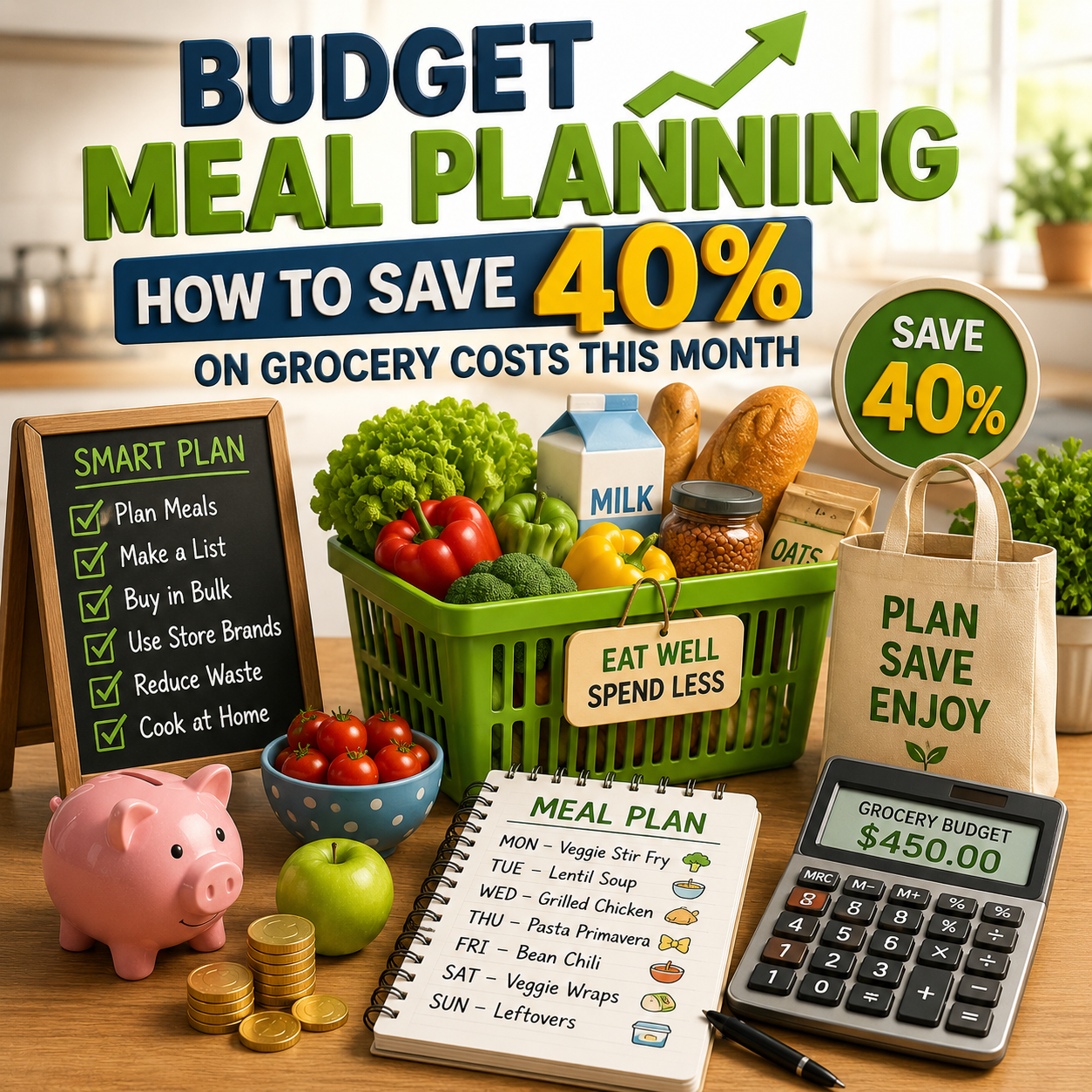
Food prices continue to rise, making grocery shopping one of the biggest monthly expenses for many households. Whether you’re feeding a family, living alone, or trying to stretch your paycheck, learning Budget meal planning can dramatically reduce your grocery bill without sacrificing nutrition or flavor. The good news is that saving money doesn’t require extreme couponing or giving up your favorite meals. Instead, it comes down to planning smarter, shopping strategically, and reducing food waste.
Many people spend hundreds of dollars each month on groceries simply because they shop without a plan, buy items they never use, or order takeout when they run out of meal ideas. Budget meal planning helps you avoid these costly habits by creating intentional shopping lists, using affordable ingredients, and preparing meals that maximize every purchase.
In this comprehensive guide, you’ll learn how to save up to 40% on grocery costs this month using practical, realistic strategies. We’ll cover meal planning basics, grocery budgeting techniques, pantry organization, shopping hacks, food storage tips, and affordable recipes. Whether your goal is to reduce expenses, eliminate food waste, or build healthier eating habits, this guide provides actionable advice that you can start using immediately.
What Is Budget Meal Planning?
Budget meal planning is the process of organizing meals in advance while keeping grocery spending under control. Instead of deciding what to eat at the last minute or shopping without direction, you create a weekly or monthly plan based on your available budget, nutritional needs, and existing pantry supplies. This simple habit helps you purchase only what you need, reducing impulse spending and minimizing food waste.
Successful budget meal planning also focuses on maximizing ingredients across multiple meals. For example, a roasted chicken can become sandwiches, soup, and pasta over several days. Rice, beans, frozen vegetables, eggs, oats, and seasonal produce become versatile building blocks for affordable, nutritious meals. By planning ahead, households gain better control over expenses while enjoying balanced diets and less daily stress.
Why Grocery Bills Keep Increasing
Several factors contribute to rising grocery costs, including inflation, supply chain disruptions, transportation expenses, labor costs, and seasonal availability. Additionally, consumers often spend more than necessary because of impulse purchases, convenience foods, and food waste. Buying groceries without a plan frequently leads to duplicate purchases or forgotten ingredients that eventually spoil.
Another overlooked factor is the growing reliance on processed and ready-made meals. Although convenient, these products typically cost significantly more than preparing similar dishes from basic ingredients. Understanding why grocery bills increase helps consumers identify areas where smarter shopping habits can produce immediate savings. With thoughtful planning, most households can reduce unnecessary expenses while maintaining food quality and variety.
Benefits of Budget Meal Planning
Budget meal planning provides benefits that extend far beyond saving money. It improves nutrition by encouraging balanced meals, reduces stress by eliminating daily meal decisions, and minimizes food waste through intentional ingredient use. Families also spend less time shopping because they visit the grocery store with a clear plan instead of making multiple trips throughout the week.
Additional advantages include improved portion control, fewer restaurant visits, better inventory management, and increased confidence in cooking at home. Budget meal planning also supports financial goals by making grocery expenses more predictable each month. Rather than feeling overwhelmed by rising food prices, households can proactively manage their spending while still enjoying satisfying, homemade meals.
How to Save 40% on Grocery Costs This Month
Saving up to 40% on grocery expenses is achievable when multiple money-saving strategies work together. Instead of searching for one dramatic solution, focus on consistent habits that reduce spending over time. Planning meals before shopping, purchasing seasonal produce, comparing unit prices, avoiding impulse buys, and cooking larger batches all contribute to meaningful savings.
A realistic savings plan may include limiting shopping trips to once per week, using store loyalty programs, choosing private-label products, buying staple foods in bulk when practical, and freezing leftovers before they spoil. These simple adjustments can significantly reduce monthly grocery bills while maintaining a healthy and varied diet. The key is consistency rather than perfection.
Build a Weekly Meal Plan
Creating a weekly meal plan is one of the most effective ways to reduce grocery spending. Begin by checking what foods you already have in your refrigerator, freezer, and pantry. Planning meals around existing ingredients prevents unnecessary purchases and helps use food before it expires. Then, review grocery store sales and seasonal produce to build meals around discounted items.
An effective weekly meal plan balances affordability, nutrition, and convenience. Include breakfasts, lunches, dinners, snacks, and leftover nights to minimize waste. Flexible meals such as stir-fries, soups, casseroles, tacos, and pasta dishes allow you to substitute ingredients based on sales or what you already have available. Planning only seven days at a time keeps the process manageable and adaptable.
Create a Smart Grocery List
A well-organized grocery list serves as your financial roadmap while shopping. Instead of wandering through every aisle, divide your list into categories such as produce, dairy, grains, proteins, frozen foods, and pantry staples. This approach saves time and reduces the temptation to purchase unnecessary items.
Before adding anything to your list, ask yourself three simple questions:
- Do I already have this at home?
- Will I realistically use it this week?
- Is there a less expensive alternative?
Following a detailed shopping list also makes online grocery ordering more efficient, helping you avoid impulse purchases while staying within your monthly food budget.
Shop Your Pantry First
One of the easiest ways to lower grocery expenses is to “shop your pantry” before visiting the supermarket. Many households already have unopened pasta, rice, canned beans, oats, spices, frozen vegetables, or sauces that can form the foundation of several meals. Taking inventory prevents duplicate purchases and encourages creative meal preparation.
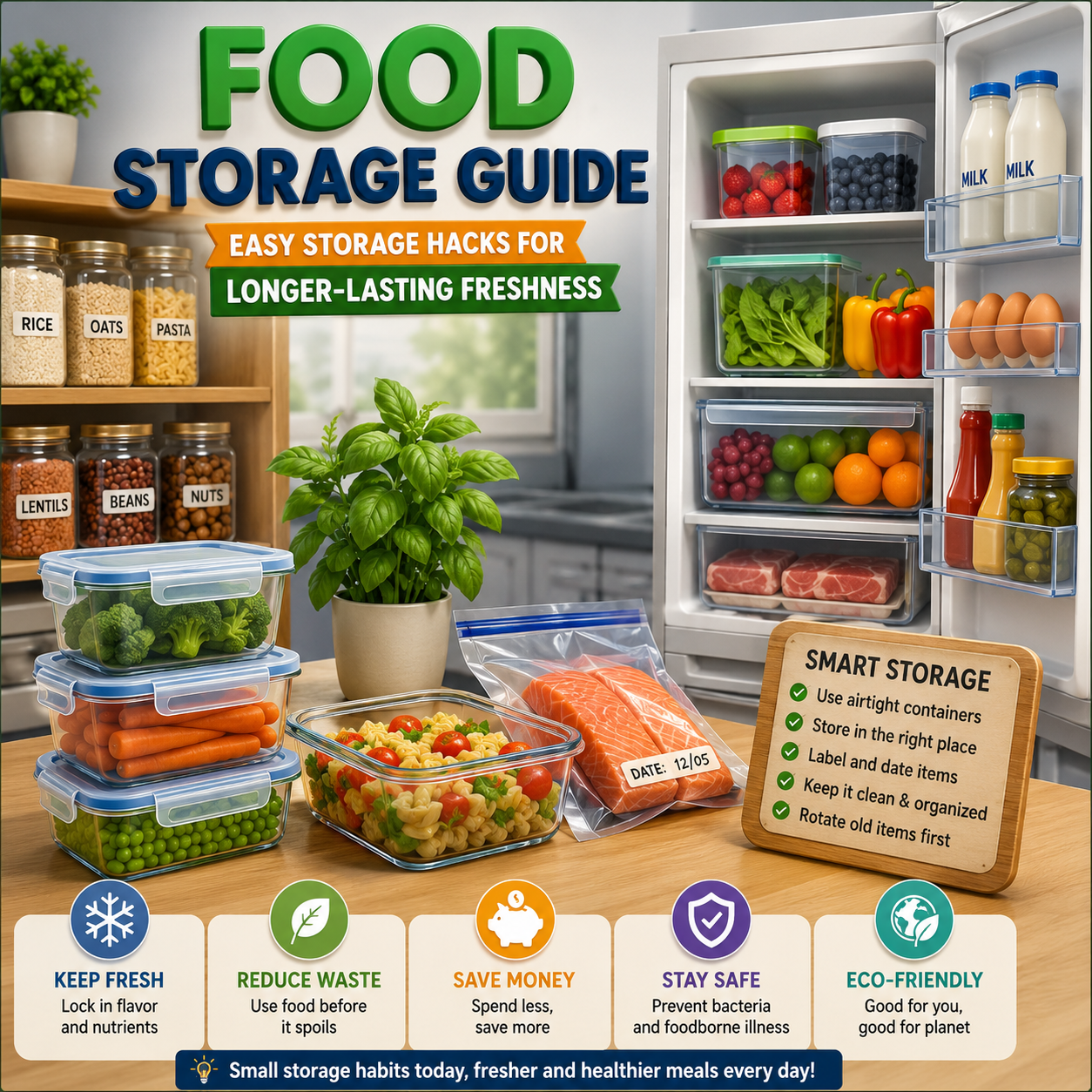
Create a simple pantry checklist and rotate older products to the front so they are used before newer purchases. Combining pantry staples with a few fresh ingredients often results in nutritious, inexpensive meals. This habit not only saves money but also reduces food waste and keeps kitchen storage organized.
Buy Seasonal Produce to Cut Grocery Costs
Buying fruits and vegetables that are naturally in season is one of the easiest ways to lower your grocery bill while improving the quality of your meals. Seasonal produce is usually harvested locally or in greater quantities, making it more affordable than out-of-season items that require long-distance transportation or greenhouse production. In addition to saving money, seasonal foods often taste better and contain more nutrients because they are picked closer to peak ripeness.
Plan your weekly meals around produce that is on sale or in season. If you find exceptional deals, purchase extra and freeze, dry, or preserve the surplus for later use. Seasonal shopping supports local farmers and helps diversify your diet throughout the year.
Examples of Budget-Friendly Seasonal Produce
| Season | Affordable Fruits | Affordable Vegetables |
| Spring | Strawberries, oranges | Spinach, lettuce, peas |
| Summer | Watermelon, peaches | Tomatoes, zucchini, cucumbers |
| Autumn | Apples, pears | Pumpkin, carrots, sweet potatoes |
| Winter | Citrus fruits | Cabbage, broccoli, cauliflower |
Choose Affordable Protein Sources
Protein is often the most expensive part of a grocery budget, but eating well doesn’t require buying premium cuts of meat. There are many nutritious and affordable protein options that provide excellent value while supporting a balanced diet. By rotating protein sources throughout the week, you can reduce grocery costs without compromising nutrition.
Beans, lentils, eggs, canned fish, peanut butter, yogurt, tofu, and chicken thighs generally cost less than steak or specialty meats. Combining plant-based proteins with whole grains also creates complete, satisfying meals that are both economical and filling.
Budget-Friendly Protein Comparison
| Protein | Average Cost | Best Uses |
| Eggs | Low | Breakfasts, baking, sandwiches |
| Dried Beans | Very Low | Soups, chili, tacos |
| Lentils | Very Low | Curries, salads, soups |
| Chicken Thighs | Moderate | Roasting, grilling, casseroles |
| Canned Tuna | Moderate | Sandwiches, pasta, salads |
| Tofu | Low | Stir-fries, curries, bowls |
| Peanut Butter | Low | Snacks, smoothies, toast |
Reduce Food Waste to Save More Money
Food waste quietly drains grocery budgets every month. Many households throw away leftovers, spoiled produce, expired dairy products, and forgotten pantry items without realizing how much money is being lost. Reducing waste is one of the fastest ways to increase grocery savings because every ingredient you use completely provides greater value from each shopping trip.
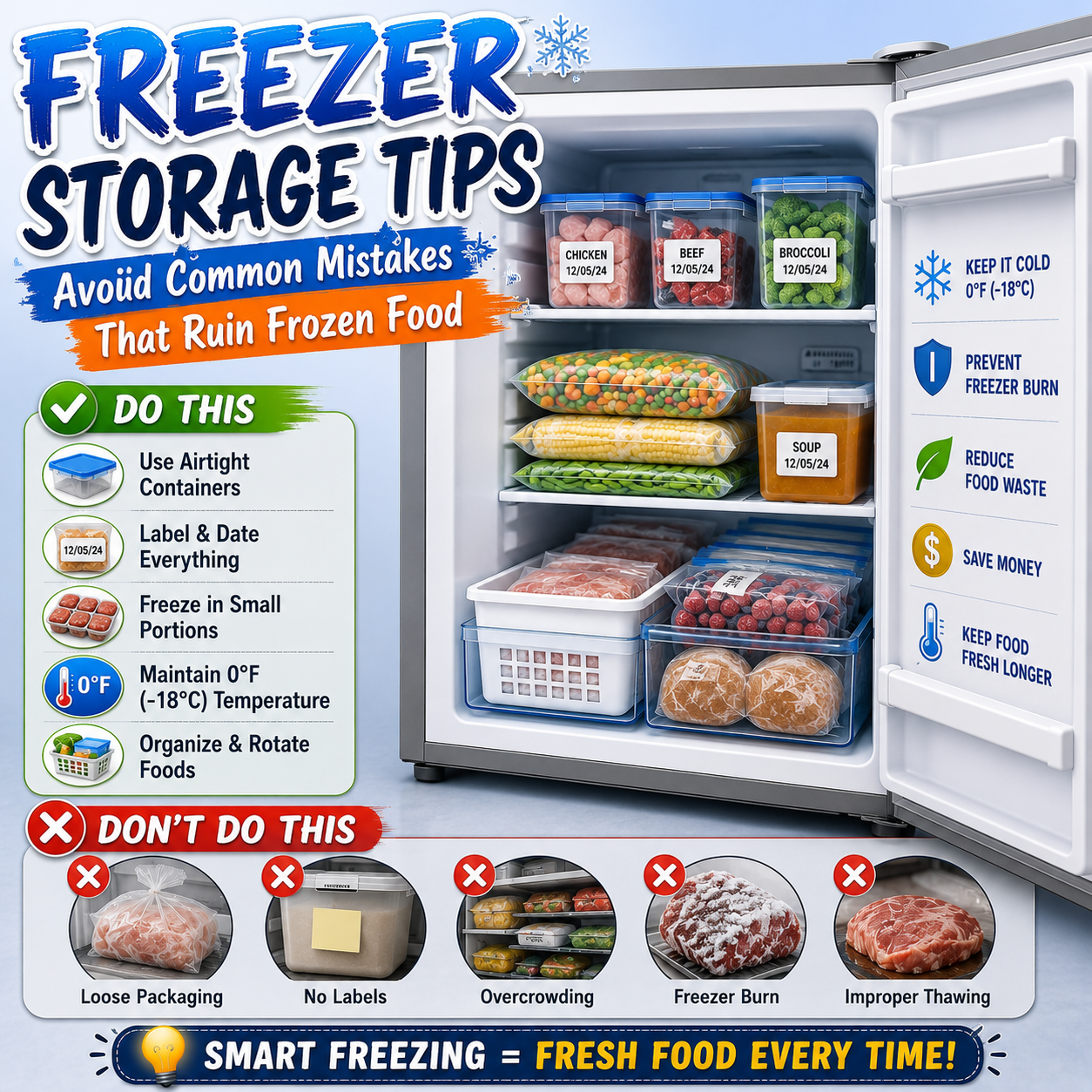
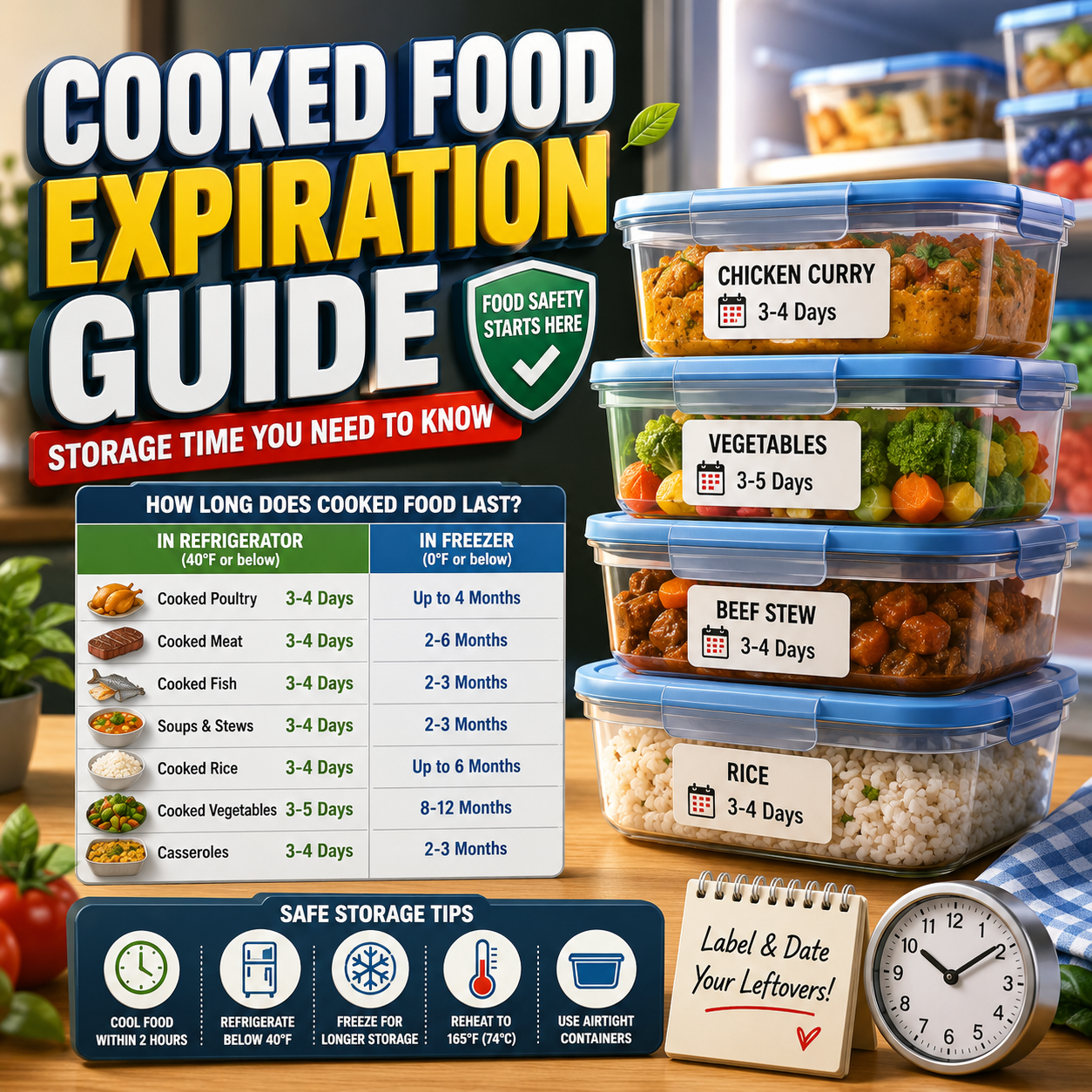
Simple habits such as storing food correctly, labeling leftovers with dates, freezing excess portions, and planning meals around ingredients that need to be used first can dramatically reduce waste. Even vegetable scraps can be transformed into homemade broth, while stale bread becomes croutons or breadcrumbs.
Practical Food Waste Reduction Tips
- Store fruits and vegetables properly.
- Freeze leftovers within two days.
- Cook smaller portions if needed.
- Rotate older pantry items first.
- Use leftovers for lunches.
- Repurpose cooked vegetables into soups or casseroles.
- Freeze herbs in olive oil.
- Plan one “leftover dinner” each week.
Shop Store Brands Instead of Name Brands
Store-brand products have improved significantly in quality over the past decade and are often produced by the same manufacturers as national brands. The main difference is usually the packaging and marketing costs rather than the ingredients themselves.
Switching to private-label products for pantry staples such as pasta, rice, canned vegetables, flour, sugar, cereal, dairy products, and frozen foods can reduce grocery expenses substantially over the course of a year. Compare ingredient lists rather than relying solely on brand recognition, and you’ll often discover that store brands offer nearly identical quality at a lower price.
Buy in Bulk—But Only When It Makes Sense
Buying in bulk can save money, but only when you purchase foods that you will actually use before they spoil. Shelf-stable items such as rice, oats, flour, pasta, dried beans, and spices are excellent bulk purchases because they have long storage lives.
Avoid buying large quantities of perishable foods unless you have a plan to freeze or preserve them. Bulk buying becomes expensive rather than economical when food ends up in the trash.
Good Bulk Purchases
- Rice
- Pasta
- Oats
- Dried beans
- Lentils
- Flour
- Sugar
- Frozen vegetables
- Peanut butter
- Canned tomatoes
Batch Cooking and Meal Prepping
Batch cooking allows you to prepare several meals during one cooking session, reducing both food waste and the temptation to order takeout. Cooking larger portions also improves ingredient efficiency because you’re using the same oven, cookware, and preparation time for multiple meals.
Meal prepping doesn’t have to mean eating the exact same meal every day. Instead, prepare versatile ingredients like grilled chicken, cooked rice, roasted vegetables, and beans that can be mixed into different recipes throughout the week.
Foods That Freeze Well
- Chili
- Vegetable soup
- Chicken curry
- Pasta sauce
- Cooked rice
- Burritos
- Meatballs
- Lasagna
- Stews
- Cooked beans
Essential Pantry Staples That Save Money
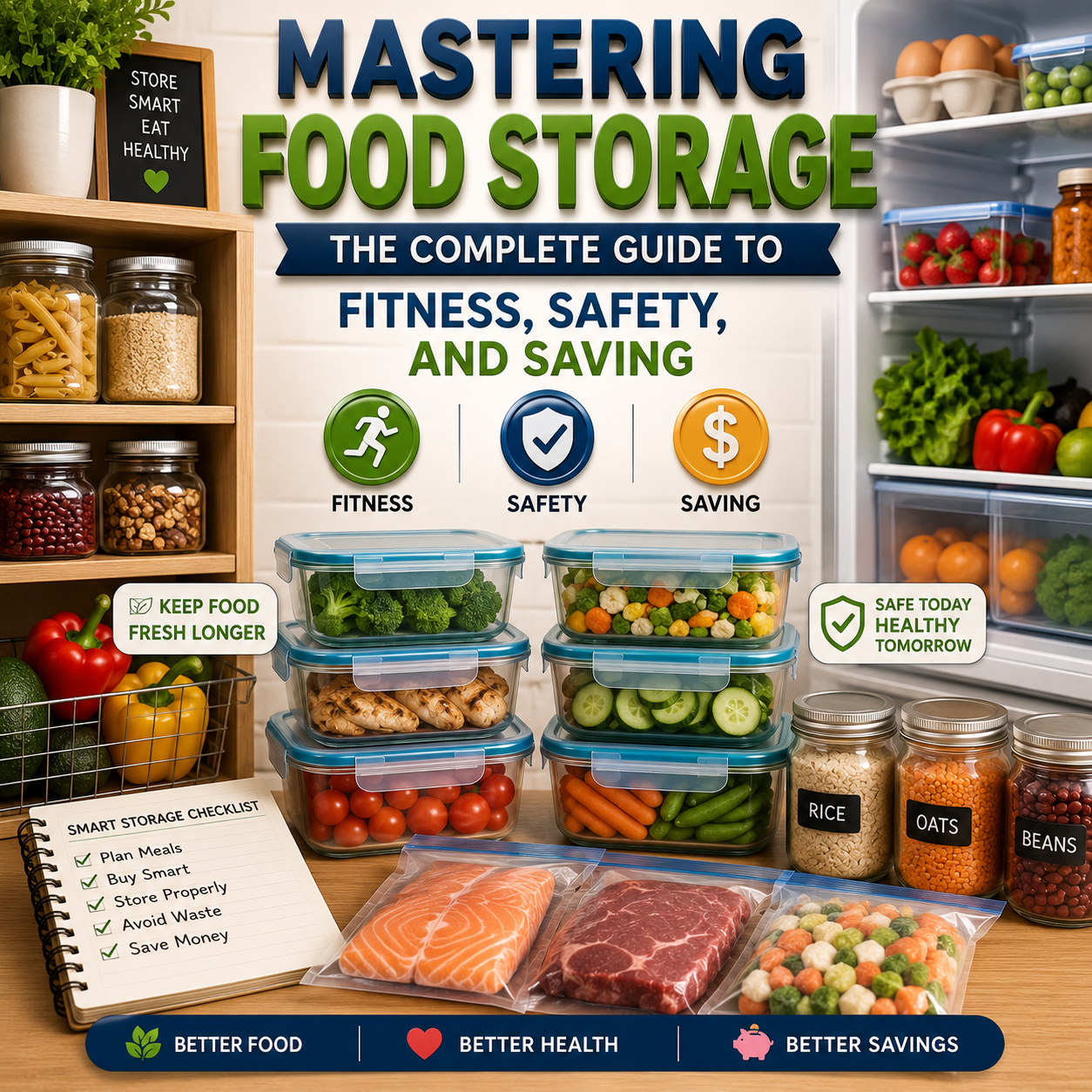
Keeping a well-stocked pantry reduces emergency grocery trips and makes it easier to prepare affordable meals from ingredients you already own. These staple foods are inexpensive, versatile, and have long shelf lives.
Pantry Checklist
Grains
- Rice
- Pasta
- Oats
- Flour
- Bread crumbs
Protein
- Lentils
- Beans
- Peanut butter
- Canned tuna
- Chickpeas
Vegetables
- Frozen mixed vegetables
- Canned tomatoes
- Corn
- Green beans
Flavor Boosters
- Garlic
- Onion
- Herbs
- Spices
- Soy sauce
- Vinegar
- Olive oil
Budget-Friendly Meal Ideas
Eating on a budget doesn’t mean sacrificing taste or nutrition. Many inexpensive meals are rich in fiber, protein, vitamins, and minerals while using affordable ingredients that stretch across multiple servings.
Seven-Day Budget Meal Plan Example
| Day | Breakfast | Lunch | Dinner |
| Monday | Oatmeal with banana | Lentil soup | Chicken stir-fry |
| Tuesday | Eggs on toast | Rice and beans | Vegetable pasta |
| Wednesday | Yogurt with oats | Tuna sandwich | Bean chili |
| Thursday | Smoothie | Leftover chili | Chicken curry |
| Friday | Peanut butter toast | Vegetable soup | Homemade pizza |
| Saturday | Scrambled eggs | Pasta salad | Baked potatoes with beans |
| Sunday | Overnight oats | Leftovers | Vegetable fried rice |
Common Budget Meal Planning Mistakes
Many people give up on meal planning because they unknowingly make mistakes that increase costs rather than reduce them. Recognizing these common pitfalls can help you stay consistent and maximize your grocery savings over time.
Some of the most frequent mistakes include:
- Shopping while hungry.
- Buying groceries without a list.
- Ignoring pantry inventory.
- Purchasing too much fresh produce.
- Choosing convenience foods regularly.
- Throwing away leftovers.
- Failing to compare unit prices.
- Buying bulk items that expire before use.
- Ordering takeout because meals weren’t planned.
- Forgetting to freeze excess food.
Avoiding these habits makes budget meal planning more sustainable and effective, helping you consistently reduce grocery expenses while maintaining healthy eating habits.
Frequently Asked Questions (FAQs)
1. How do beginners start meal planning?
Start with a simple seven-day meal plan. Check what ingredients you already have, choose a few easy recipes, create a grocery list, and cook meals that share common ingredients. Keeping the process simple makes meal planning easier to maintain over time.
2. Can meal planning help reduce food waste?
Yes. Meal planning encourages buying only what you need and using ingredients before they spoil. It also helps organize leftovers and reduces duplicate purchases, making your kitchen more efficient and your grocery budget more manageable.
3. How much money can a family save through meal planning?
Savings vary by household size and shopping habits, but many families reduce grocery costs by 20–40% through consistent meal planning, smarter shopping, and minimizing food waste. Long-term savings can add up to hundreds or even thousands of dollars annually.
4. Is cooking at home always cheaper than eating out?
In most cases, yes. Home-cooked meals generally cost much less per serving than restaurant meals or takeout. Cooking at home also gives you control over ingredients, portion sizes, and nutritional quality.
5. Should I use coupons?
Coupons can be helpful when they apply to products you already plan to buy. Avoid purchasing unnecessary items simply because they are discounted. Combining coupons with store sales provides the greatest savings.
6. Are generic brands healthy?
Many generic or store-brand products have nutritional values similar to name brands. Reading nutrition labels and ingredient lists helps you choose healthy options while saving money.
7. How can I avoid impulse purchases?
Always shop with a list, eat before going to the grocery store, set a spending limit, and avoid browsing aisles that don’t contain items on your list. These habits reduce unnecessary spending.
8. Which meals are best for tight budgets?
Meals like vegetable soup, lentil curry, bean chili, pasta with tomato sauce, rice and beans, stir-fries, and baked potatoes are inexpensive, filling, and nutritious. They also use affordable pantry staples.
9. Is freezing food a good money-saving strategy?
Yes. Freezing leftovers, meat, vegetables, and prepared meals extends their shelf life and reduces food waste. Properly frozen food retains quality and helps prevent expensive last-minute food purchases.
10. Why is a grocery budget important?
A grocery budget helps control monthly spending, reduces financial stress, minimizes food waste, and supports healthier eating habits. It also makes household finances more predictable and encourages smarter shopping decisions.
Key Takeaways
- Budget meal planning helps reduce grocery expenses by up to 40%.
- Always plan meals before shopping.
- Shop your pantry before buying new ingredients.
- Purchase seasonal fruits and vegetables.
- Choose affordable protein sources.
- Reduce food waste through proper storage.
- Buy store brands whenever possible.
- Batch cook and freeze leftovers.
- Stick to a grocery list and avoid impulse purchases.
- Consistency is the key to long-term savings.
Conclusion
Budget meal planning is one of the most effective ways to take control of your grocery spending while maintaining a healthy and enjoyable diet. By planning meals ahead of time, creating organized shopping lists, choosing affordable ingredients, reducing food waste, and preparing meals at home, you can significantly lower your monthly food expenses without sacrificing quality or nutrition.
The goal isn’t to eliminate every luxury item or follow an overly restrictive budget. Instead, it’s about making intentional decisions that maximize the value of every grocery purchase. Even small changes—such as shopping with a list, buying seasonal produce, or using leftovers creatively—can lead to meaningful savings over time.
Start with one or two strategies this week and gradually build them into your routine. As these habits become second nature, you’ll likely notice lower grocery bills, less wasted food, and greater confidence in managing your household budget.
Read Our Latest Blog:10 Calcium-Rich Foods for Strong Bones: A Complete Nutrition Guide