Food poisoning affects millions of people worldwide every year, yet many cases can be prevented by following simple food safety practices. Harmful bacteria, viruses, parasites, and toxins can contaminate food during shopping, preparation, cooking, or storage. Even healthy-looking food can carry dangerous microorganisms if it is not handled properly. The good news is that following a reliable Food Poisoning Prevention Checklist can significantly reduce the risk of foodborne illnesses for you and your family.
Whether you’re preparing meals at home, packing lunches, or storing leftovers, understanding proper food safety is essential. Safe food handling starts long before cooking and continues until food is served and stored correctly. From washing hands and preventing cross-contamination to cooking food at safe internal temperatures and refrigerating leftovers promptly, every step plays a vital role in keeping meals safe.
This comprehensive guide explains everything you need to know about Food Poisoning Prevention Checklist: safe handling, cooking, and storage of food. You’ll learn practical tips, expert recommendations, common mistakes to avoid, and a complete checklist that makes food safety easy to follow every day. By adopting these habits, you can enjoy delicious meals while protecting yourself and your loved ones from preventable foodborne illnesses.
What Is Food Poisoning?
Food poisoning, also known as foodborne illness, occurs when a person consumes food or drinks contaminated with harmful bacteria, viruses, parasites, fungi, or toxins. Common disease-causing microorganisms include Salmonella, Escherichia coli (E. coli), Listeria monocytogenes, Campylobacter, and Norovirus. Contamination can happen at any stage of the food supply chain, from farming and processing to transportation, storage, and meal preparation in the home.
Symptoms often develop within a few hours to several days after eating contaminated food and may include nausea, vomiting, diarrhea, stomach cramps, fever, headache, dehydration, and fatigue. While many healthy adults recover without medical treatment, food poisoning can become severe for young children, older adults, pregnant women, and people with weakened immune systems.
Preventing food poisoning starts with practicing good kitchen hygiene and following proven food safety guidelines. A structured food poisoning prevention checklist helps ensure that food is handled, cooked, and stored correctly every time.
Why Food Safety Matters
Food safety is more than just keeping a kitchen clean—it is about protecting health and preventing illnesses that can range from mild discomfort to life-threatening infections. Harmful microorganisms multiply rapidly when food is left in unsafe conditions, particularly within the temperature danger zone of 5°C to 60°C (41°F to 140°F). Understanding how bacteria grow and spread allows home cooks to reduce the risk of contamination.
Following proper food safety practices offers several important benefits:
- Reduces the risk of foodborne illnesses.
- Protects children, elderly adults, and vulnerable individuals.
- Prevents cross-contamination between raw and cooked foods.
- Maintains food quality, taste, and nutritional value.
- Reduces unnecessary food waste.
- Saves money by preserving food safely.
- Builds confidence in meal preparation.
- Promotes healthier eating habits.
Making food safety part of your daily cooking routine helps create a safer home environment and ensures that every meal you prepare is both nutritious and safe to eat.
Common Causes of Food Poisoning
Understanding the most common causes of food poisoning makes it easier to prevent them. Foodborne illnesses are often the result of small mistakes that allow harmful microorganisms to grow or spread during food preparation. Identifying these risks helps you take preventive action before contamination occurs.
The most common causes include:
- Poor hand hygiene before handling food.
- Cross-contamination between raw meat and ready-to-eat foods.
- Undercooking meat, poultry, seafood, or eggs.
- Improper refrigerator temperatures.
- Leaving cooked food at room temperature for too long.
- Consuming expired or spoiled food.
- Using contaminated kitchen utensils or cutting boards.
- Washing produce inadequately.
- Unsafe thawing methods.
- Drinking contaminated water.
Although these mistakes are common, they are also preventable. Following a consistent food safety routine greatly lowers the likelihood of foodborne illness.
The Four Core Principles of Food Safety
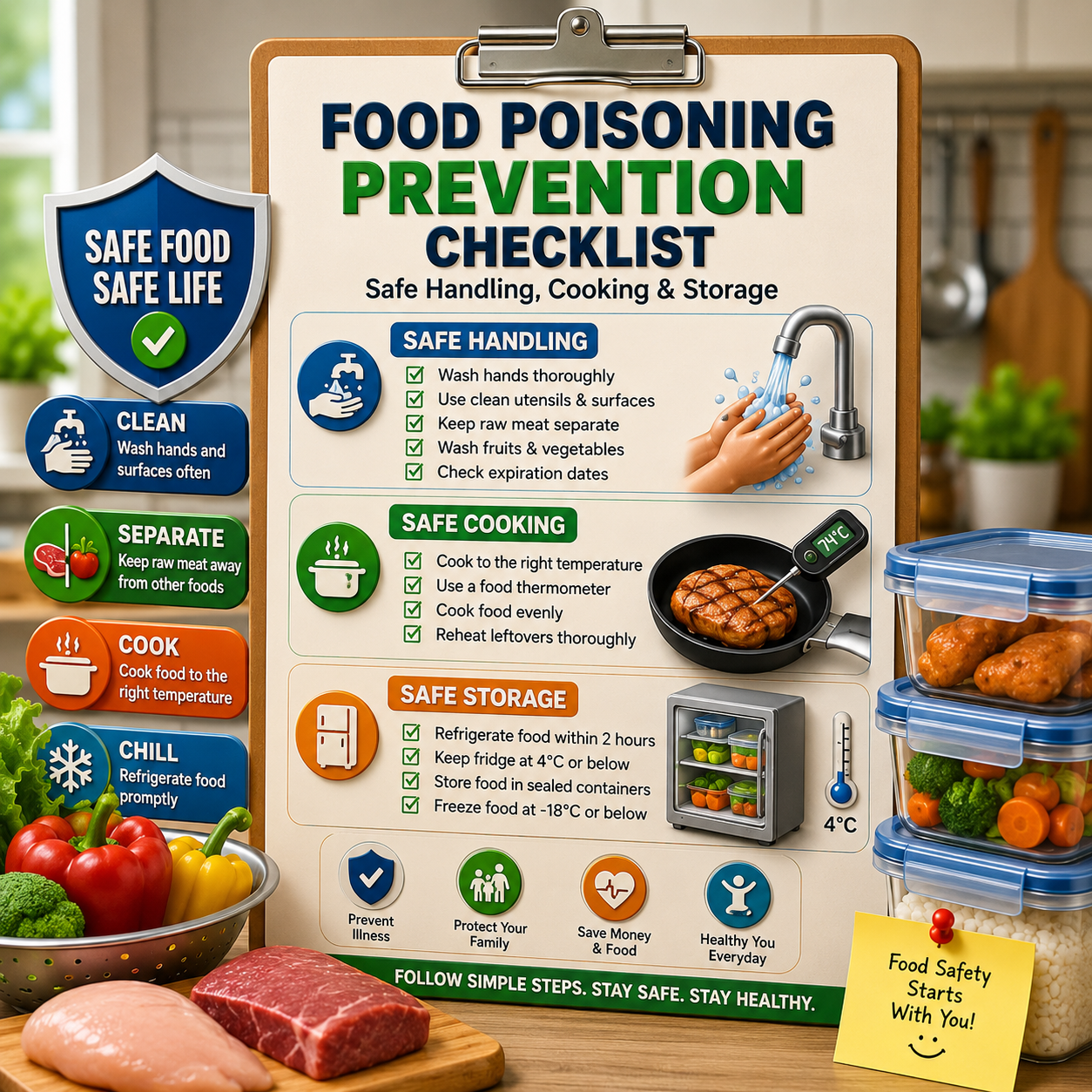
Food safety experts around the world recommend four simple but highly effective principles: Clean, Separate, Cook, and Chill. These steps form the foundation of every food poisoning prevention checklist and are easy to incorporate into daily meal preparation.
1. Clean
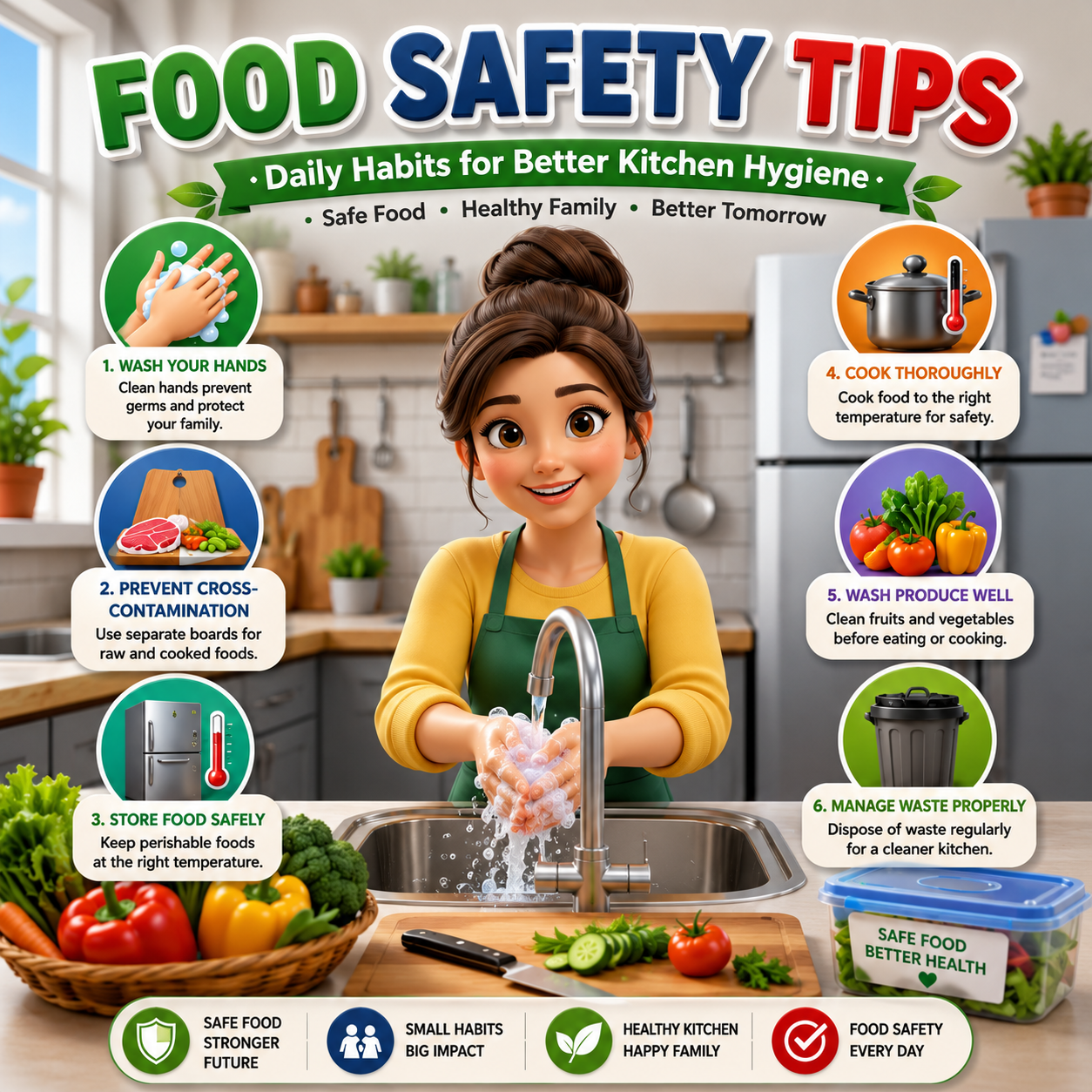
Cleanliness is the first line of defense against harmful bacteria. Wash your hands thoroughly with soap and running water for at least 20 seconds before preparing food, after handling raw meat, after using the restroom, and after touching pets or garbage. Regularly clean countertops, cutting boards, knives, utensils, and kitchen towels to prevent germs from spreading. Fresh fruits and vegetables should also be rinsed under clean running water before use, even if you plan to peel them.
2. Separate
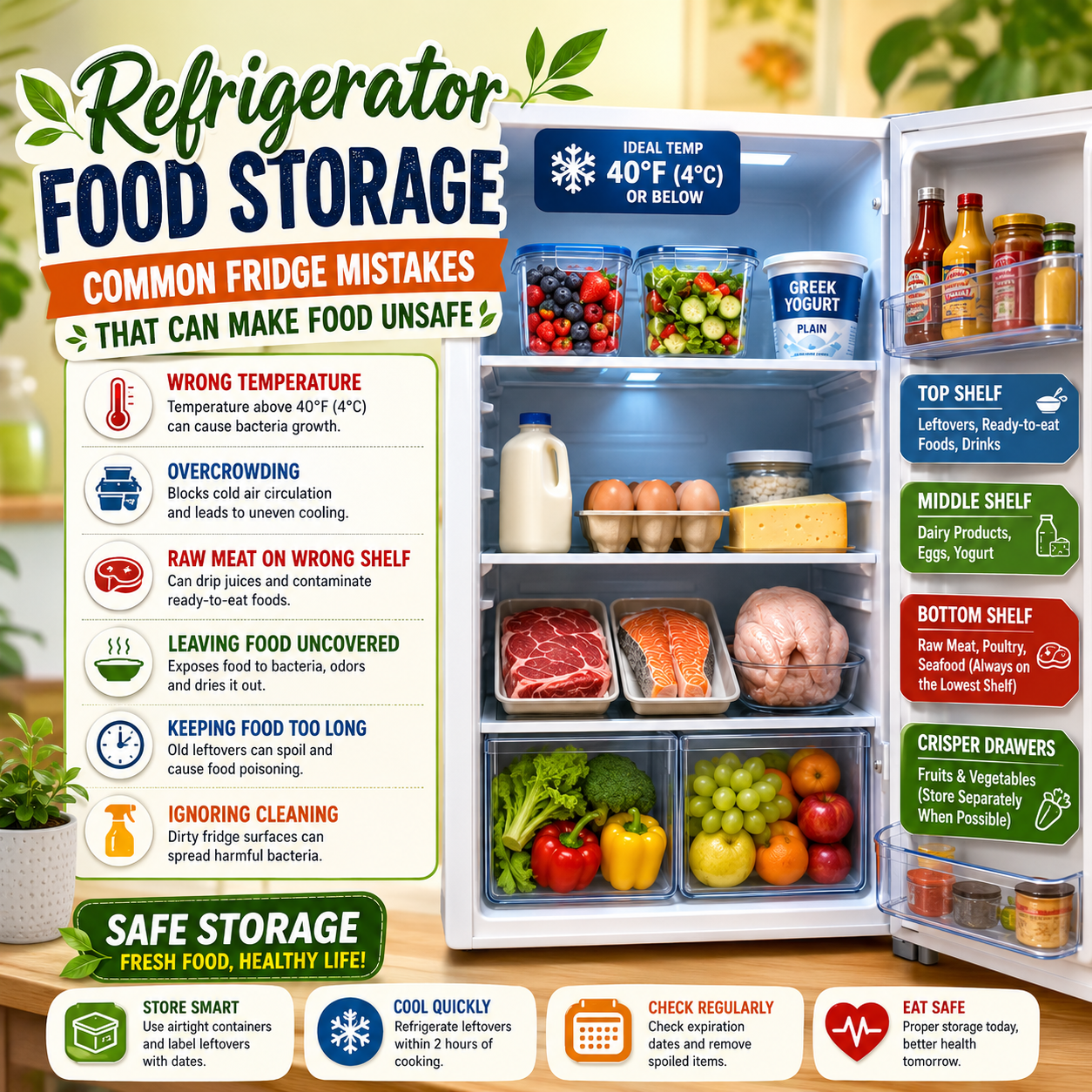
Keeping raw foods separate from cooked and ready-to-eat foods helps prevent cross-contamination. Raw meat, poultry, seafood, and eggs can carry bacteria that spread easily to salads, fruits, bread, or cooked meals. Use separate cutting boards, knives, and storage containers whenever possible. Store raw meat on the lowest refrigerator shelf in leak-proof containers so juices cannot drip onto other foods.
3. Cook
Cooking food to the correct internal temperature destroys most harmful bacteria and significantly reduces the risk of foodborne illness. Because appearance alone is not a reliable indicator of doneness, using a food thermometer is the safest way to verify that meat, poultry, seafood, and leftovers have reached safe temperatures. Proper cooking is especially important for chicken, ground meat, eggs, and seafood.
4. Chill
Refrigerating food promptly slows bacterial growth and helps preserve food quality. Refrigerate perishable foods within two hours of cooking, or within one hour if the surrounding temperature is above 32°C (90°F). Keep your refrigerator at or below 4°C (40°F) and your freezer at −18°C (0°F). Divide large portions into shallow containers so they cool more quickly before refrigeration.
Safe Food Handling Checklist
Safe food handling begins before cooking and continues until the meal is served. Every step—from grocery shopping to washing produce and preparing ingredients—can affect food safety. Harmful microorganisms are invisible, meaning food may appear fresh while still carrying bacteria that can cause illness. Following a consistent food handling routine greatly reduces the risk of contamination and helps keep your kitchen hygienic.
Below is a practical checklist you can use every day.
Before Preparing Food
Always start with good personal hygiene and a clean workspace. Germs can spread easily from your hands, kitchen surfaces, utensils, or even reusable shopping bags.
Safe Food Handling Checklist
✅ Wash hands with soap and warm water for at least 20 seconds.
✅ Tie back long hair before cooking.
✅ Cover cuts or wounds with waterproof bandages.
✅ Wear clean clothing or an apron.
✅ Clean and sanitize countertops before food preparation.
✅ Wash knives, cutting boards, and utensils thoroughly.
✅ Use separate cutting boards for raw meat and vegetables.
✅ Wash fresh fruits and vegetables under running water.
✅ Never wash raw chicken or raw meat, as this can spread bacteria through water splashes.
✅ Check expiration dates before using ingredients.
Grocery Shopping Safety Tips
Food safety begins at the supermarket. Improper shopping habits can allow bacteria to multiply before food even reaches your home. Choosing fresh products and transporting them safely helps maintain food quality and reduces the chance of foodborne illness.
Smart Grocery Shopping Checklist
- Buy refrigerated and frozen foods last.
- Keep raw meat separate from fresh produce.
- Check packaging for damage or leaks.
- Avoid dented or swollen canned foods.
- Select eggs without cracks.
- Choose dairy products stored at proper temperatures.
- Bring insulated cooler bags for long trips.
- Refrigerate groceries immediately after arriving home.
Preventing Cross-Contamination
Cross-contamination occurs when harmful bacteria transfer from one food or surface to another. It is one of the leading causes of food poisoning in home kitchens. Fortunately, preventing cross-contamination is simple when safe food preparation habits become part of your daily routine.
Common Sources of Cross-Contamination
| Source | Safe Practice |
| Raw chicken | Store separately in sealed containers |
| Raw meat juices | Prevent dripping onto other foods |
| Cutting boards | Use separate boards for meat and vegetables |
| Kitchen towels | Replace frequently with clean towels |
| Knives | Wash thoroughly between different foods |
| Hands | Wash after touching raw meat, eggs, or seafood |
Following these simple precautions helps keep harmful bacteria away from ready-to-eat foods.
Safe Cooking Checklist
Cooking food thoroughly is one of the most effective ways to destroy harmful bacteria. However, relying on appearance alone can be misleading. Meat may look cooked on the outside while remaining undercooked inside. Using a food thermometer ensures food reaches a safe internal temperature.
Safe Cooking Practices
✔ Cook poultry completely.
✔ Avoid partially cooking meat.
✔ Stir soups and sauces evenly while heating.
✔ Reheat leftovers thoroughly.
✔ Use clean utensils for cooked foods.
✔ Never place cooked meat back on the same plate that held raw meat.
✔ Avoid tasting food before it has finished cooking.
✔ Cook eggs until both yolk and white are firm.
Safe Internal Cooking Temperatures
Cooking foods to their recommended internal temperatures helps destroy harmful microorganisms and ensures meals are safe to eat.
| Food | Safe Internal Temperature |
| Chicken and Turkey | 74°C (165°F) |
| Ground Meat | 71°C (160°F) |
| Beef, Lamb, Pork (Steaks/Roasts) | 63°C (145°F) with a 3-minute rest |
| Fish | 63°C (145°F) |
| Egg Dishes | 71°C (160°F) |
| Leftovers | 74°C (165°F) |
A digital food thermometer is one of the best tools for maintaining food safety.
Safe Food Storage Checklist
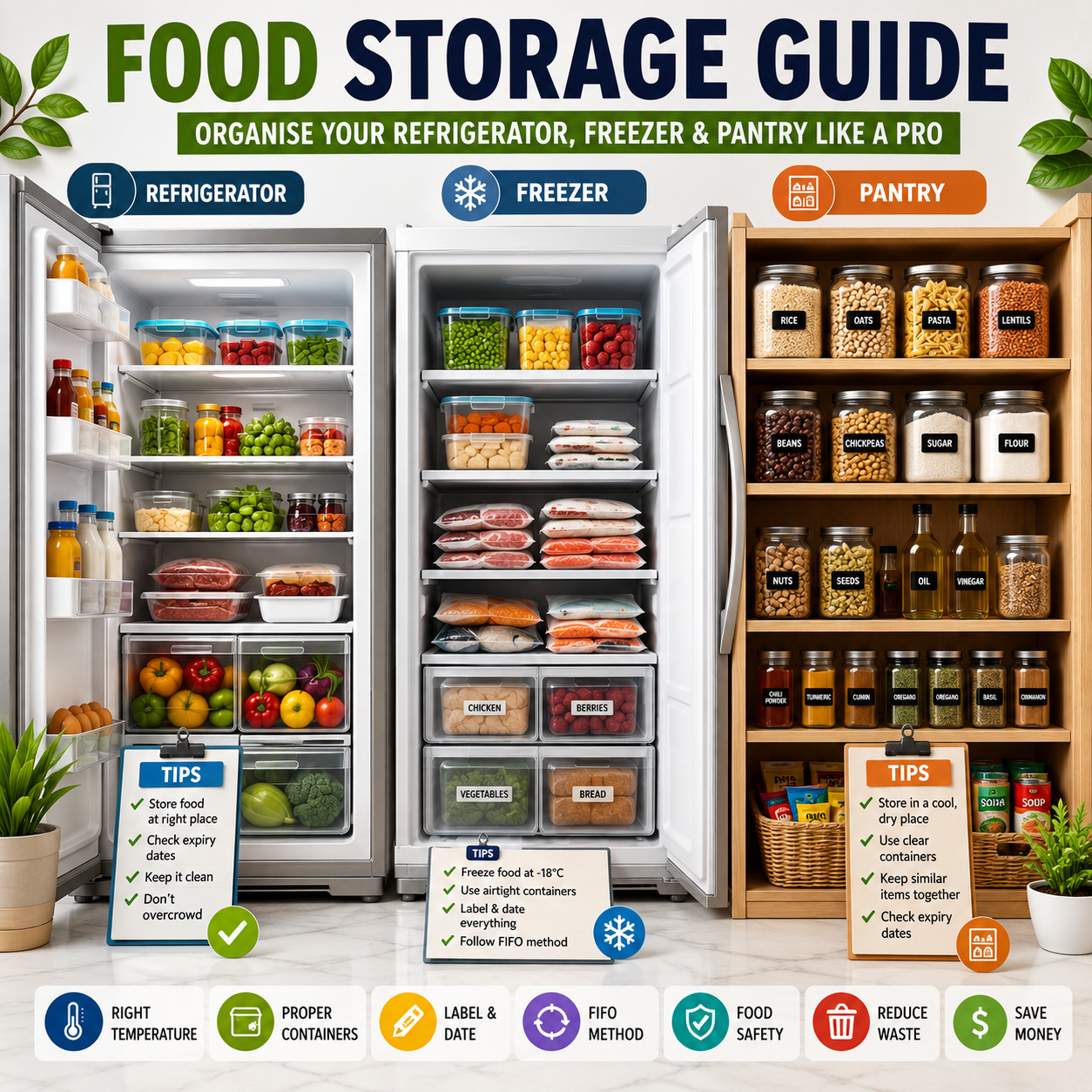
Proper storage slows bacterial growth and keeps food fresh for longer. Even perfectly cooked meals can become unsafe if left at room temperature for too long. Organizing your refrigerator correctly also helps prevent cross-contamination.
Food Storage Checklist
✅ Refrigerate leftovers within two hours.
✅ Use airtight containers.
✅ Label leftovers with preparation dates.
✅ Keep refrigerator temperature below 4°C (40°F).
✅ Keep freezer temperature at −18°C (0°F).
✅ Store raw meat on the lowest shelf.
✅ Keep dairy refrigerated.
✅ Do not overload the refrigerator.
✅ Rotate older foods to the front (First In, First Out).
✅ Throw away spoiled food immediately.
Refrigerator Storage Guide
Knowing how long foods remain safe in the refrigerator helps reduce waste and prevents accidental consumption of spoiled items.
| Food | Refrigerator Storage Time |
| Cooked chicken | 3–4 days |
| Cooked beef | 3–4 days |
| Cooked rice | 3–4 days |
| Fresh fish | 1–2 days |
| Ground meat | 1–2 days |
| Milk | Check expiration date |
| Eggs | 3–5 weeks |
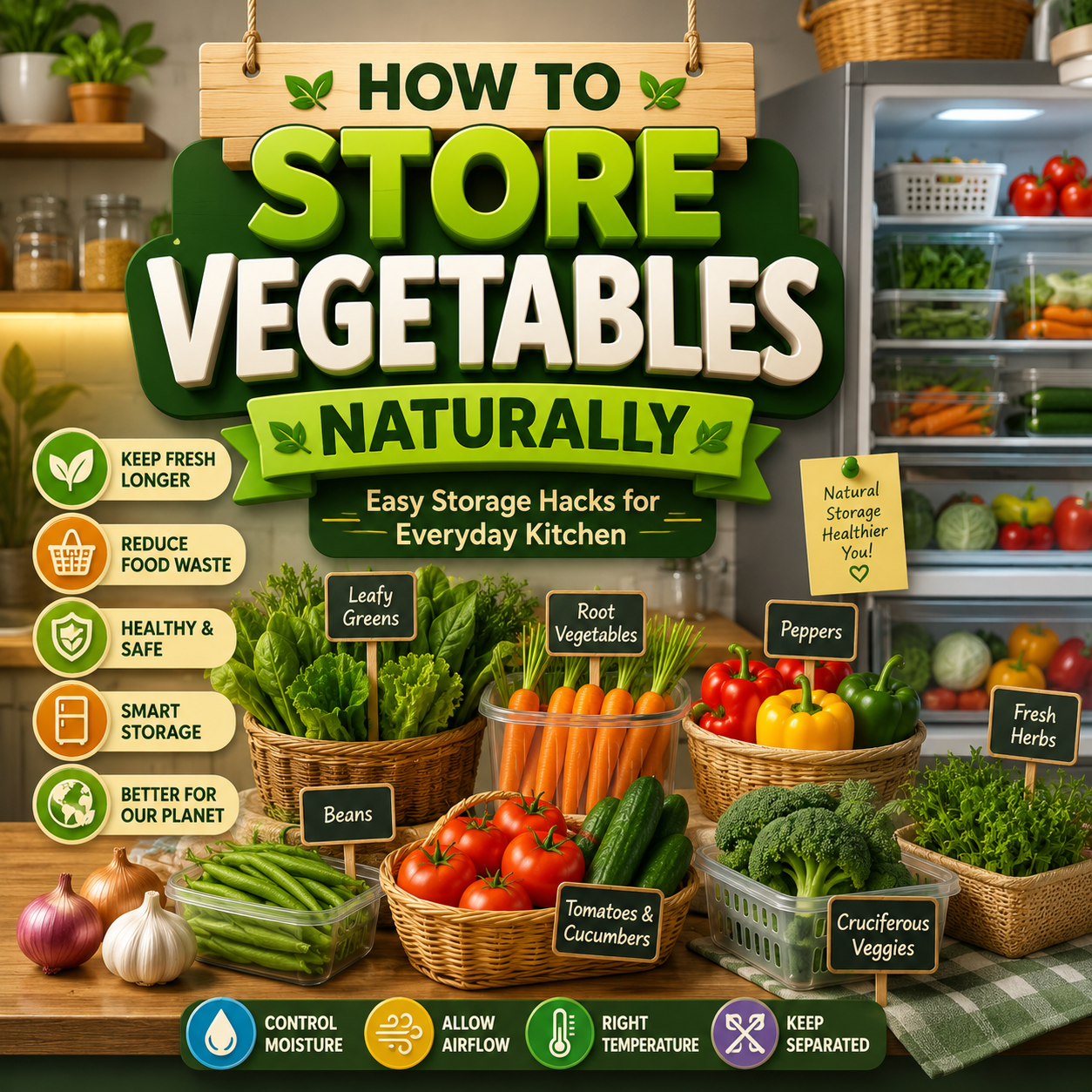
| Fresh vegetables | 3–7 days (varies by type) |
Always discard food if it has an unusual smell, texture, or visible mold.
Safe Freezing Tips
Freezing prevents bacterial growth but does not kill all bacteria. Proper freezing techniques help preserve food quality and make thawing safer.
Best Practices
- Freeze food before its expiration date.
- Use freezer-safe bags or containers.
- Remove excess air from packaging.
- Label food with freezing dates.
- Freeze meals in portion sizes.
- Avoid refreezing thawed raw meat unless it has been cooked first.
Safe Thawing Methods
Thawing food incorrectly allows bacteria to multiply quickly on the outer layers while the inside remains frozen. Safe thawing protects both food quality and health.
Approved Thawing Methods
- Inside the refrigerator.
- In cold water, changing the water every 30 minutes.
- Using the microwave if cooking immediately afterward.
Never Thaw Food
- On the kitchen counter.
- In hot water.
- Outdoors.
- In direct sunlight.
Common Food Safety Mistakes to Avoid
Many cases of food poisoning result from everyday kitchen habits that seem harmless but can increase the risk of contamination. Recognizing these mistakes is an important step toward safer food preparation.
Avoid These Common Errors
- Forgetting to wash hands before cooking.
- Using the same cutting board for meat and vegetables.
- Leaving leftovers out overnight.
- Guessing whether meat is fully cooked.
- Ignoring refrigerator temperature.
- Overfilling the refrigerator.
- Tasting food that smells questionable.
- Eating expired food.
- Reheating leftovers multiple times.
- Refreezing thawed foods improperly.
Printable Food Poisoning Prevention Checklist
Keep this simple checklist in your kitchen as a daily reminder.
✔ CLEAN
- Wash hands before handling food.
- Clean countertops and utensils.
- Wash fruits and vegetables.
- Use clean kitchen towels.
✔ SEPARATE
- Keep raw meat away from ready-to-eat foods.
- Use separate cutting boards.
- Store raw meat on the bottom shelf.
- Wash utensils after handling raw foods.
✔ COOK
- Use a food thermometer.
- Cook poultry to 74°C (165°F).
- Reheat leftovers to 74°C (165°F).
- Cook eggs completely.
✔ CHILL
- Refrigerate within two hours.
- Store leftovers in airtight containers.
- Keep refrigerator below 4°C (40°F).
- Freeze foods at −18°C (0°F).
Frequently Asked Questions (FAQs)
1. What are the four basic food safety rules?
The four basic food safety rules are Clean, Separate, Cook, and Chill. These principles help prevent contamination by encouraging proper handwashing, separating raw and cooked foods, cooking foods to safe temperatures, and refrigerating perishable items promptly. Following these simple steps significantly reduces the risk of foodborne illness.
2. How often should I clean my refrigerator?
Your refrigerator should be cleaned immediately after spills occur and thoroughly cleaned at least once every month. Regular cleaning removes food residues, prevents unpleasant odors, and reduces bacterial growth. Check expiration dates weekly and discard spoiled foods to maintain a hygienic storage environment.
3. Is it safe to eat food left out overnight?
No. Perishable food left at room temperature for more than two hours should generally be discarded because harmful bacteria can multiply rapidly. In hot environments above 32°C (90°F), food should not remain unrefrigerated for more than one hour.
4. Why shouldn’t raw meat touch other foods?
Raw meat may contain harmful bacteria that can contaminate ready-to-eat foods through direct contact or shared utensils. This process, known as cross-contamination, increases the risk of food poisoning. Store raw meat separately and always use dedicated cutting boards and knives.
5. How long can leftovers stay in the refrigerator?
Most cooked leftovers remain safe for three to four days when refrigerated properly in airtight containers. Label containers with preparation dates to avoid confusion. If leftovers develop an unusual smell, texture, or mold, discard them immediately.
6. Can reheating food kill bacteria?
Proper reheating kills many harmful bacteria if food reaches an internal temperature of 74°C (165°F). However, reheating may not destroy all toxins produced by certain bacteria. Safe storage before reheating is just as important as the reheating process itself.
7. What is the temperature danger zone?
The temperature danger zone ranges from 5°C to 60°C (41°F to 140°F). Within this range, bacteria multiply rapidly. Keeping hot foods above this range and cold foods below it helps minimize bacterial growth and maintain food safety.
8. Should fruits and vegetables always be washed?
Yes. Fresh fruits and vegetables should be rinsed under clean running water before eating, peeling, or cooking. Washing removes dirt, pesticide residues, and some microorganisms. Avoid using soap or detergents, as they are not intended for food and may leave harmful residues.
9. Is freezing food enough to kill bacteria?
No. Freezing stops bacterial growth but does not kill all bacteria. Once frozen food is thawed, surviving bacteria can become active again if the food is kept at unsafe temperatures. Always thaw foods safely and cook them thoroughly.
10. What should I do if I suspect food poisoning?
If you suspect food poisoning, drink plenty of fluids to prevent dehydration and rest. Mild cases often improve within a few days. Seek medical care immediately if symptoms are severe, include persistent vomiting, bloody diarrhea, high fever, or signs of dehydration, especially in children, older adults, pregnant women, or people with weakened immune systems.
Key Takeaways
- Always wash your hands before handling food.
- Keep raw meat separate from ready-to-eat foods.
- Cook foods to safe internal temperatures.
- Use a food thermometer instead of guessing.
- Refrigerate leftovers within two hours.
- Maintain refrigerator and freezer at safe temperatures.
- Prevent cross-contamination with clean utensils and separate cutting boards.
- Follow safe thawing methods.
- Check expiration dates regularly.
- Make food safety a daily habit to protect your family’s health.
Conclusion
Food poisoning is largely preventable when safe food handling, proper cooking, and correct food storage become part of your daily routine. Small actions—such as washing your hands, separating raw and cooked foods, cooking meals to safe temperatures, and refrigerating leftovers promptly—can greatly reduce the risk of foodborne illness.
Using a Food Poisoning Prevention Checklist helps ensure that every stage of food preparation is carried out safely, from grocery shopping to serving meals. These habits not only protect your family from harmful bacteria but also preserve food quality, reduce waste, and promote healthier cooking practices.
Remember that food safety is an everyday responsibility, not an occasional task. By consistently following the Clean, Separate, Cook, and Chill principles, you can prepare delicious meals with confidence and create a safer kitchen for everyone.
Read Our Latest Blog:16 Everyday Foods Secretly Raising Your Diabetes Risk (And What to Eat Instead)