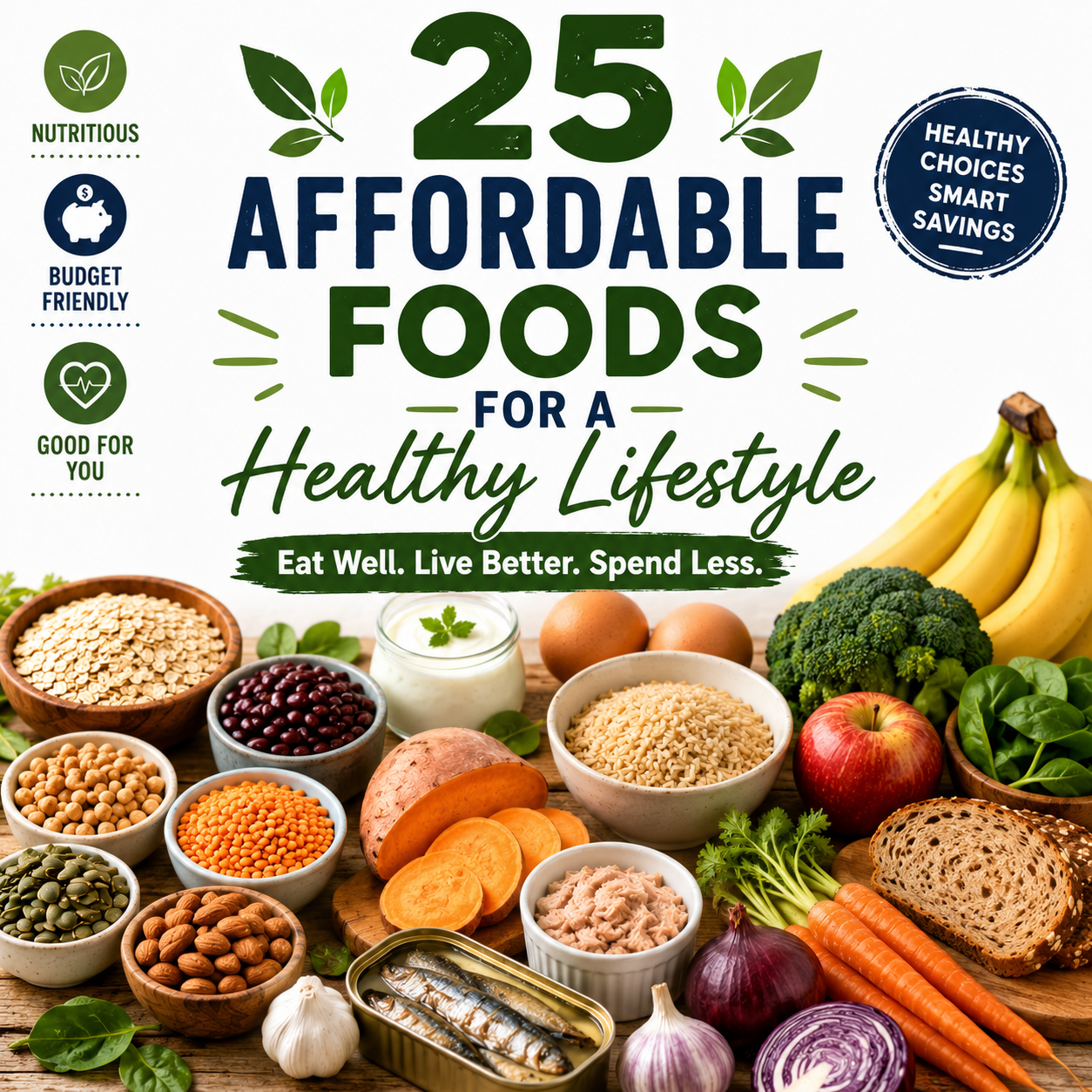
Affordable Healthy Foods Many people assume that nutritious foods always come with a high price tag, but that’s far from the truth. In reality, some of the healthiest foods available are also among the most affordable. By choosing nutrient-rich ingredients and planning meals wisely, you can improve your overall health without stretching your budget.
Whether you’re a student, a busy professional, a parent feeding a family, or simply looking to save money while eating better, affordable healthy foods can help you maintain a balanced diet. These foods provide essential vitamins, minerals, fiber, protein, and healthy fats that support energy, immunity, digestion, heart health, and overall well-being.
In this guide, you’ll discover 25 affordable foods for a healthy lifestyle, along with their nutritional benefits, simple ways to include them in your meals, and tips for making smart grocery choices. By the end of this article, you’ll have plenty of budget-friendly ideas to build healthier eating habits that are sustainable in the long run.
Why Affordable Healthy Eating Matters
Healthy eating is about consistently choosing nutrient-dense foods rather than spending more money on premium products. Many inexpensive staples offer excellent nutritional value and can form the foundation of a balanced diet. Foods like beans, oats, eggs, seasonal vegetables, and brown rice provide high-quality nutrients at a low cost, making them ideal for anyone looking to eat well without overspending.
A budget-friendly diet also helps reduce reliance on highly processed convenience foods, which are often high in added sugar, unhealthy fats, and sodium. By cooking simple meals at home using affordable ingredients, you can improve your health while saving money over time. The key is focusing on whole foods that provide lasting nourishment instead of empty calories.
How to Build a Healthy Diet on a Budget
Building a nutritious diet on a limited budget starts with smart planning rather than expensive shopping. Focus on whole grains, lean proteins, legumes, fruits, vegetables, and healthy fats. Buying seasonal produce, frozen vegetables, dried beans, and store-brand products often provides the same nutritional quality at a lower price. Planning meals ahead of time also reduces food waste and helps you stick to your grocery budget.
Another effective strategy is preparing meals in batches. Cooking soups, stews, rice dishes, and bean-based recipes allows you to save both time and money while ensuring healthy meals are always available. Combining affordable ingredients into balanced meals helps maximize nutrition without sacrificing flavor.
1. Oats
Oats are one of the most affordable superfoods available. Rich in soluble fiber, particularly beta-glucan, they support heart health, improve digestion, stabilize blood sugar levels, and keep you feeling full for longer periods. Their versatility makes them an excellent breakfast option as well as a useful ingredient in smoothies, baking, and homemade snacks.
Health Benefits
- High in fiber
- Supports heart health
- Improves digestion
- Helps manage cholesterol
- Keeps you full longer
Budget Tip
Buy large bags of plain rolled oats instead of individually flavored packets.
2. Brown Rice
Brown rice is an inexpensive whole grain packed with fiber, B vitamins, and essential minerals. It provides long-lasting energy and pairs well with vegetables, beans, eggs, chicken, and fish, making it an excellent staple for budget-friendly meals. Because it stores well, purchasing larger quantities often saves even more money.
Health Benefits
- Rich in fiber
- Supports digestive health
- Provides steady energy
- Contains important minerals
Budget Tip
Purchase bulk packages for greater savings.
3. Eggs
Eggs remain one of the most cost-effective sources of complete protein. They contain all nine essential amino acids along with vitamin D, choline, selenium, and healthy fats. Eggs are incredibly versatile and can be used in breakfasts, lunches, dinners, or healthy snacks.
Health Benefits
- Excellent protein source
- Supports muscle growth
- Promotes brain health
- Rich in vitamins and minerals
Budget Tip
Hard-boil eggs for quick, affordable snacks throughout the week.
4. Lentils
Lentils are nutrient-dense legumes that provide protein, fiber, iron, folate, and potassium at a remarkably low cost. They cook relatively quickly and work well in soups, curries, salads, and rice dishes. Their high fiber content also promotes fullness, making them ideal for weight management.
Health Benefits
- High in plant protein
- Excellent source of fiber
- Supports heart health
- Helps regulate blood sugar
Budget Tip
Buy dried lentils instead of canned versions to reduce costs.
5. Chickpeas
Chickpeas are affordable, filling, and highly nutritious. They contain protein, fiber, iron, magnesium, and several important vitamins that contribute to overall health. Chickpeas can be roasted as snacks, blended into hummus, added to salads, or used in curries and soups.
Health Benefits
- Supports digestive health
- Keeps you satisfied
- Rich in protein
- Helps maintain healthy blood sugar
Budget Tip
Cook dried chickpeas in large batches and freeze portions for later use.
6. Black Beans
Black beans are another inexpensive powerhouse packed with plant protein, antioxidants, and dietary fiber. Regular consumption supports heart health, digestive function, and healthy cholesterol levels while providing sustained energy.
Health Benefits
- Rich in antioxidants
- High in fiber
- Supports heart health
- Excellent protein source
Budget Tip
Bulk dried beans offer the best value for money.
7. Sweet Potatoes
Sweet potatoes are affordable root vegetables loaded with vitamin A, vitamin C, potassium, and antioxidants. Their natural sweetness makes them enjoyable while their complex carbohydrates provide lasting energy.
Health Benefits
- High in vitamin A
- Supports eye health
- Rich in antioxidants
- Promotes healthy digestion
Budget Tip
Bake several sweet potatoes at once for easy meal preparation.
8. Potatoes
Regular potatoes often receive unfair criticism, but they are highly nutritious when prepared without excessive oil or butter. They provide vitamin C, potassium, fiber, and complex carbohydrates that fuel the body efficiently.
Health Benefits
- Excellent energy source
- Rich in potassium
- Supports muscle function
- Naturally fat-free
Budget Tip
Store potatoes properly to extend their shelf life and reduce waste.
9. Bananas
Bananas are among the least expensive fruits available year-round. They provide potassium, vitamin B6, vitamin C, and natural carbohydrates that make them an excellent snack before or after exercise.
Health Benefits
- Supports heart health
- Provides quick energy
- Rich in potassium
- Promotes healthy digestion
Budget Tip
Freeze ripe bananas for smoothies instead of throwing them away.
10. Apples
Apples are affordable, portable, and rich in fiber and antioxidants. Eating apples regularly may support digestive health, heart health, and weight management thanks to their filling fiber content.
Health Benefits
- High in fiber
- Supports gut health
- Rich in antioxidants
- Convenient healthy snack
Budget Tip
Purchase seasonal apples for the best prices.
11. Cabbage
Cabbage is one of the most affordable vegetables you can buy, yet it is packed with nutrients. It contains vitamin C, vitamin K, fiber, and antioxidants that support immune function, bone health, and digestion. Because a single head of cabbage yields many servings, it offers exceptional value for families and individuals alike. It can be eaten raw in salads, cooked in stir-fries, added to soups, or fermented into sauerkraut for gut-friendly probiotics.
Health Benefits
- Rich in vitamin C and vitamin K
- Supports immune health
- High in dietary fiber
- Contains powerful antioxidants
- Low in calories and filling
Budget Tip: Whole cabbage lasts longer than pre-shredded varieties and is usually much cheaper.
12. Carrots
Carrots are inexpensive, versatile, and loaded with beta-carotene, which the body converts into vitamin A. They also provide fiber, potassium, and antioxidants that promote healthy vision and immune function. Carrots are easy to include in salads, soups, roasted vegetable dishes, or as a crunchy snack with hummus.
Health Benefits
- Excellent source of vitamin A
- Supports healthy eyesight
- Promotes skin health
- Rich in antioxidants
- Improves digestion
Budget Tip: Buy whole carrots instead of baby carrots to save money.
13. Frozen Mixed Vegetables
Frozen vegetables are often just as nutritious as fresh produce because they are frozen shortly after harvesting. They are convenient, affordable, and reduce food waste since you only use what you need. Mixed vegetables can quickly enhance soups, rice dishes, pasta, casseroles, and stir-fries.
Health Benefits
- High in vitamins and minerals
- Convenient year-round
- Reduces food waste
- Supports balanced meals
- Excellent source of fiber
Budget Tip: Store-brand frozen vegetables usually offer the best value.
14. Spinach
Spinach is a nutrient powerhouse rich in iron, folate, vitamin K, vitamin A, and antioxidants. Whether fresh or frozen, spinach is an affordable way to increase the nutritional quality of your meals. It can be added to smoothies, omelets, soups, curries, sandwiches, and pasta dishes without significantly increasing your grocery bill.
Health Benefits
- Rich in iron and folate
- Supports healthy blood cells
- Strengthens bones
- High in antioxidants
- Low in calories
Budget Tip: Frozen spinach is often cheaper than fresh and lasts much longer.
15. Plain Yogurt
Plain yogurt is an affordable dairy product that provides protein, calcium, and probiotics. Choosing unsweetened yogurt helps reduce added sugar intake while supporting gut health. It can be eaten alone, mixed with fruit, used in smoothies, or substituted for sour cream in many recipes.
Health Benefits
- Supports digestive health
- Rich in calcium
- Excellent protein source
- Strengthens bones
- Contains beneficial probiotics
Budget Tip: Purchase larger tubs instead of individual cups for significant savings.
16. Cottage Cheese
Cottage cheese is a budget-friendly source of high-quality protein and calcium. It is filling, low in carbohydrates, and suitable for breakfast, snacks, or light meals. Pair it with fruit, vegetables, or whole-grain toast for a balanced meal.
Health Benefits
- High in protein
- Supports muscle maintenance
- Rich in calcium
- Helps keep you full
- Low in calories
Budget Tip: Store-brand cottage cheese often costs less while offering the same nutritional value.
17. Peanut Butter
Natural peanut butter provides healthy fats, plant protein, vitamin E, magnesium, and niacin. It is an affordable pantry staple that can be spread on whole-grain bread, added to oatmeal, blended into smoothies, or used in homemade sauces.
Health Benefits
- Healthy unsaturated fats
- Good protein source
- Supports heart health
- Provides long-lasting energy
- Rich in essential minerals
Budget Tip: Choose peanut butter with minimal added sugar and oils.
18. Canned Tuna
Canned tuna is one of the most affordable seafood options available. It offers lean protein and omega-3 fatty acids, which support heart and brain health. Tuna is convenient for sandwiches, salads, pasta dishes, and wraps, making it ideal for quick meals.
Health Benefits
- High-quality protein
- Rich in omega-3 fatty acids
- Supports heart health
- Promotes brain function
- Low in saturated fat
Budget Tip: Buy multipacks when they are on sale to reduce the cost per can.
19. Whole Wheat Bread
Whole wheat bread is an inexpensive source of complex carbohydrates and dietary fiber. Compared to refined white bread, it provides more nutrients and helps keep you full longer. It serves as a healthy base for sandwiches, toast, and quick breakfasts.
Health Benefits
- High in fiber
- Supports digestion
- Provides sustained energy
- Rich in B vitamins
- Helps regulate blood sugar
Budget Tip: Freeze extra loaves to prevent spoilage.
20. Popcorn (Air-Popped)
Plain popcorn kernels are surprisingly nutritious and very inexpensive. When air-popped without excessive butter or salt, popcorn is a whole grain rich in fiber and antioxidants. It makes an excellent healthy snack that satisfies cravings without adding many calories.
Health Benefits
- Whole-grain snack
- High in fiber
- Low in calories
- Supports digestive health
- Rich in antioxidants
Budget Tip: Buy plain kernels instead of microwave popcorn to save money and avoid unnecessary additives.
Budget Grocery Shopping Tips
Buying healthy foods on a budget is easier when you plan ahead. Start by creating a shopping list based on your weekly meals and stick to it to avoid impulse purchases. Compare unit prices instead of package prices, as larger quantities often provide better value. Choosing seasonal fruits and vegetables can significantly reduce your grocery costs while ensuring fresh, flavorful produce.
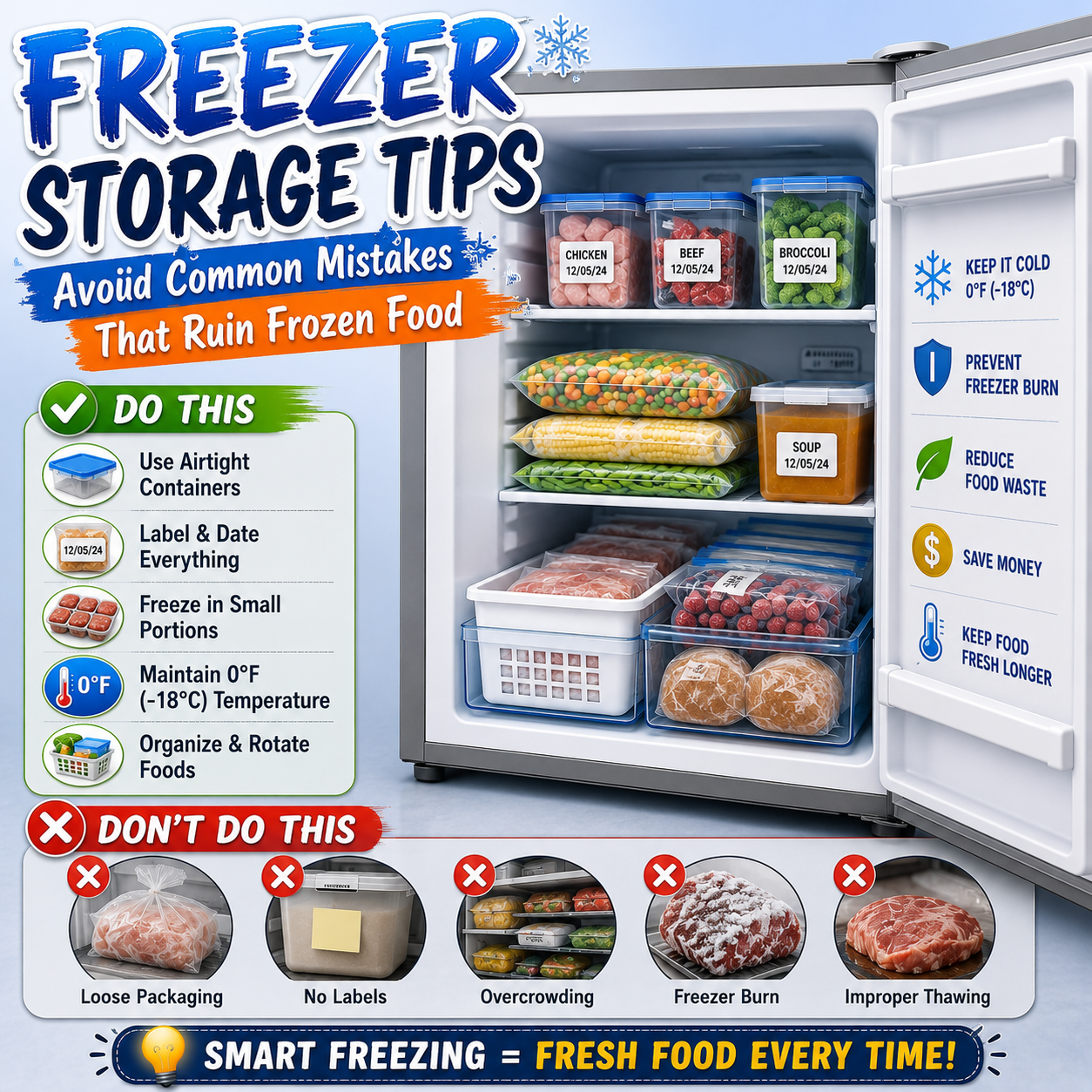
Another effective strategy is to cook at home more often. Preparing meals from scratch with affordable staples like rice, beans, oats, eggs, and vegetables is usually much cheaper than buying ready-made meals or eating out. Freezing leftovers and batch cooking also help minimize food waste and save both time and money throughout the week.
Affordable Meal Planning Ideas
A healthy meal plan doesn’t need expensive ingredients. Mix and match affordable foods to create balanced meals throughout the day. For breakfast, enjoy oatmeal topped with sliced bananas and a spoonful of peanut butter. Lunch could include brown rice with lentils and steamed vegetables, while dinner might feature baked sweet potatoes, cabbage salad, and boiled eggs. Healthy snacks such as apples, yogurt, popcorn, or carrots with hummus help maintain energy between meals.
Planning meals around sales and using ingredients in multiple recipes throughout the week can stretch your grocery budget even further. Simple meal preparation ensures you always have nutritious options available, making it easier to stick to healthy eating habits.
21. Brown Pasta
Brown or whole wheat pasta is an affordable pantry staple that offers more fiber and nutrients than traditional refined pasta. It provides complex carbohydrates that release energy slowly, helping you stay full and energized for longer periods. Whole wheat pasta pairs well with vegetables, lean proteins, tomato-based sauces, and legumes, making it an excellent choice for healthy, budget-friendly meals.
Health Benefits
- High in dietary fiber
- Provides sustained energy
- Supports digestive health
- Rich in B vitamins
- Helps maintain healthy blood sugar levels
Budget Tip: Purchase store-brand whole wheat pasta in bulk during sales to save money.
22. Onions
Onions are one of the most economical vegetables available and are used in countless healthy recipes. They contain antioxidants, vitamin C, and plant compounds that support heart health and immunity. Because onions add flavor naturally, they reduce the need for expensive sauces and seasonings while enhancing soups, curries, stir-fries, and roasted dishes.
Health Benefits
- Rich in antioxidants
- Supports heart health
- Contains vitamin C
- Promotes immune function
- Adds flavor without extra calories
Budget Tip: Buy onions in larger bags, as they typically cost less per pound than individual onions.
23. Seasonal Fruits
Seasonal fruits are often the most affordable and freshest options available. Because they are harvested during their natural growing season, transportation and storage costs are lower, making them more budget-friendly for consumers. Seasonal fruits provide essential vitamins, minerals, fiber, and antioxidants that support overall health while adding variety and flavor to your diet.
Examples include oranges in winter, watermelon in summer, apples in autumn, and berries during their peak growing season. Eating a variety of seasonal fruits helps ensure you receive a broad range of nutrients throughout the year while keeping grocery costs under control.
Health Benefits
- Rich in vitamins and minerals
- Supports immune health
- Provides natural antioxidants
- Promotes healthy digestion
- Helps maintain hydration
Budget Tip: Buy seasonal produce from local markets where prices are often lower than imported fruits.
24. Sunflower Seeds
Sunflower seeds are a surprisingly affordable source of healthy fats, protein, fiber, vitamin E, and magnesium. These nutrient-dense seeds can be sprinkled on salads, oatmeal, yogurt, or eaten as a snack. Because a small serving provides substantial nutrition, sunflower seeds offer excellent value for money.
Adding seeds to your meals is an easy way to increase nutrient intake without significantly increasing food expenses. They also contribute to satiety, helping reduce unnecessary snacking on less nutritious foods.
Health Benefits
- Rich in healthy fats
- Excellent source of vitamin E
- Supports heart health
- Provides plant-based protein
- Contains important minerals
Budget Tip: Purchase unsalted sunflower seeds in bulk for the best savings.
25. Sardines
Sardines are one of the most affordable and nutrient-rich seafood choices available. They provide high-quality protein, omega-3 fatty acids, calcium, vitamin D, and several essential minerals. Unlike many expensive fish options, sardines deliver impressive nutritional value at a fraction of the cost.
Because sardines are canned and shelf-stable, they are convenient to store and use in sandwiches, salads, rice bowls, and pasta dishes. They offer a simple way to increase healthy fat intake without exceeding your grocery budget.
Health Benefits
- High in omega-3 fatty acids
- Rich in protein
- Supports heart health
- Provides calcium and vitamin D
- Promotes brain function
Budget Tip: Keep canned sardines stocked in your pantry for affordable, nutritious meals.
Comparison Table: Affordable Healthy Foods and Their Key Benefits
| Food | Main Nutrient | Primary Health Benefit |
| Oats | Fiber | Heart Health |
| Brown Rice | Complex Carbs | Sustained Energy |
| Eggs | Protein | Muscle Support |
| Lentils | Protein & Fiber | Digestive Health |
| Chickpeas | Protein | Blood Sugar Control |
| Black Beans | Fiber | Heart Health |
| Sweet Potatoes | Vitamin A | Eye Health |
| Potatoes | Potassium | Energy Production |
| Bananas | Potassium | Heart Function |
| Apples | Fiber | Gut Health |
| Cabbage | Vitamin C | Immune Support |
| Carrots | Beta-Carotene | Vision Health |
| Frozen Vegetables | Vitamins | Balanced Nutrition |
| Spinach | Iron | Healthy Blood Cells |
| Yogurt | Probiotics | Gut Health |
| Cottage Cheese | Protein | Muscle Maintenance |
| Peanut Butter | Healthy Fats | Satiety |
| Tuna | Omega-3s | Heart Health |
| Whole Wheat Bread | Fiber | Digestive Support |
| Popcorn | Whole Grains | Healthy Snacking |
| Whole Wheat Pasta | Fiber | Sustained Energy |
| Onions | Antioxidants | Immune Health |
| Seasonal Fruits | Vitamins | Overall Wellness |
| Sunflower Seeds | Vitamin E | Heart Health |
| Sardines | Omega-3s | Brain and Heart Health |
Frequently Asked Questions (FAQs)
What are the cheapest healthy foods to buy regularly?
Some of the most affordable healthy foods include oats, rice, eggs, lentils, beans, potatoes, bananas, cabbage, carrots, and frozen vegetables. These foods provide excellent nutrition while remaining budget-friendly for most households.
Can I eat healthy on a tight budget?
Yes. Healthy eating is possible on nearly any budget when you focus on whole foods, meal planning, bulk purchases, seasonal produce, and home-cooked meals. Many nutrient-dense foods cost less than heavily processed convenience products.
Are frozen vegetables as healthy as fresh vegetables?
In many cases, frozen vegetables are just as nutritious as fresh vegetables because they are frozen shortly after harvesting. They can even retain nutrients better than fresh produce that has been transported and stored for extended periods.
What is the best affordable protein source?
Eggs, lentils, beans, chickpeas, canned tuna, sardines, peanut butter, and cottage cheese are among the most affordable and nutritious protein sources available.
How can I reduce grocery costs without sacrificing nutrition?
You can reduce costs by planning meals, shopping with a list, buying in bulk, choosing store brands, purchasing seasonal produce, cooking at home, and minimizing food waste through proper storage and meal preparation.
Key Takeaways
- Healthy eating does not require expensive ingredients.
- Whole foods often provide the best nutrition for the lowest cost.
- Oats, eggs, lentils, beans, and rice are among the best budget-friendly staples.
- Seasonal fruits and vegetables help maximize nutrition while minimizing expenses.
- Frozen vegetables offer convenience and excellent nutritional value.
- Affordable protein sources include eggs, legumes, tuna, sardines, and yogurt.
- Meal planning and bulk purchasing can significantly lower food costs.
- Consistency matters more than buying premium or trendy health foods.
Conclusion
Maintaining a healthy lifestyle does not mean spending a fortune on groceries. Many of the world’s most nutritious foods are also among the most affordable. By incorporating these 25 affordable foods for a healthy lifestyle into your weekly meal plan, you can nourish your body, support long-term health, and stay within your budget.
The key is focusing on nutrient-dense staples such as oats, beans, lentils, eggs, seasonal fruits, vegetables, whole grains, and affordable protein sources. Combined with smart shopping habits and simple meal planning, these foods can help you build a sustainable, healthy eating routine that benefits both your health and your wallet.
Start with a few of these foods this week, experiment with simple recipes, and gradually create a healthier lifestyle without overspending.
Read Our Latest Blog :20 Common Foods Banned Around the World | Health Concerns