
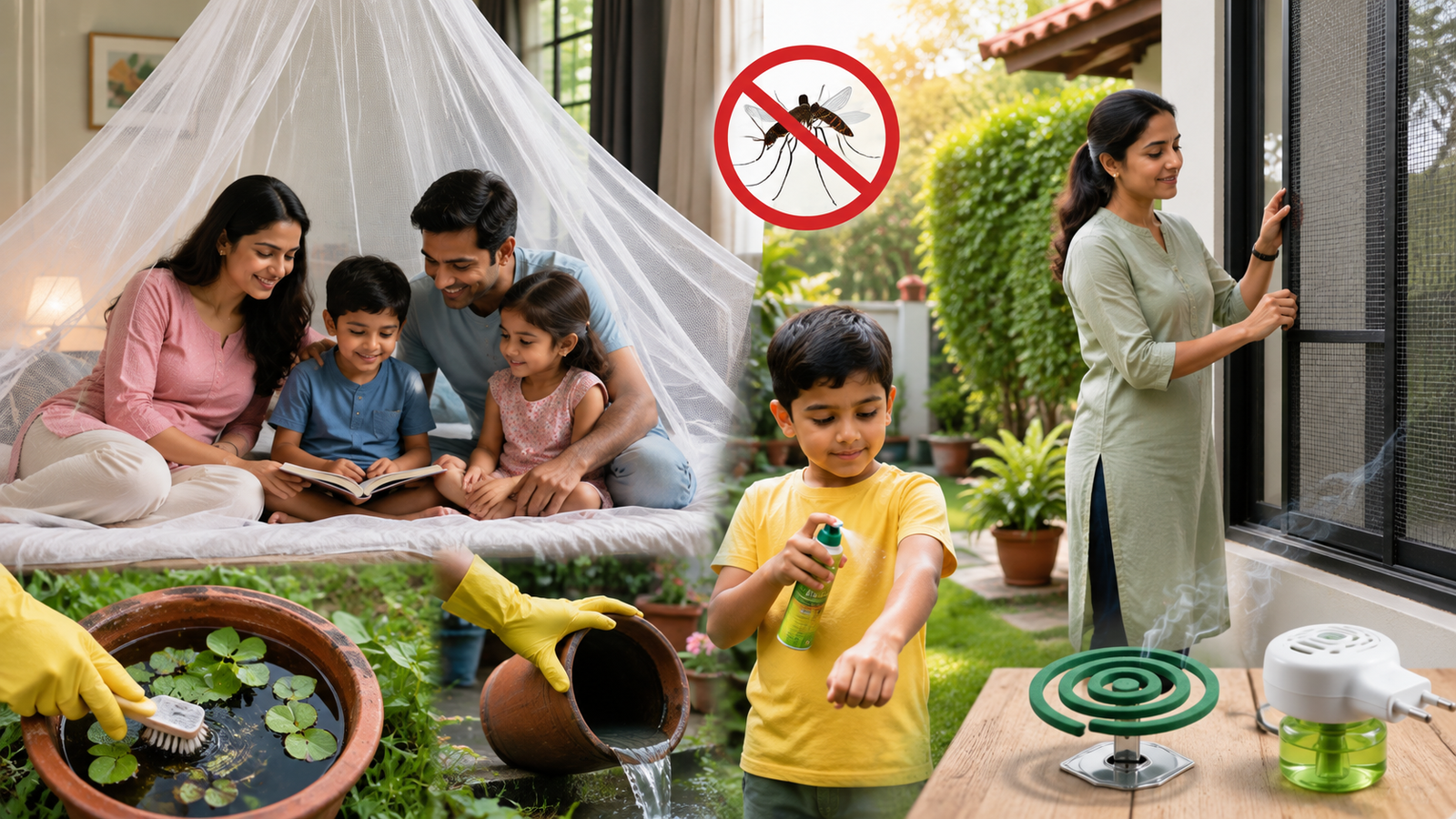
How to Protect Your Family from Mosquito-Borne Diseases
Mosquitoes are more than just a nuisance—they can transmit serious illnesses that affect millions of people each year. Diseases such as dengue, malaria, chikungunya, Zika virus infection, and Japanese encephalitis are spread through the bites of infected mosquitoes. Fortunately, many mosquito-borne diseases can be prevented by reducing mosquito breeding sites and protecting yourself from mosquito bites.
Simple daily precautions can help keep your family safe, especially during the rainy season and in areas where mosquitoes are common.
What Are Mosquito-Borne Diseases?
Mosquito-borne diseases are illnesses caused by viruses or parasites transmitted through mosquito bites.
Some of the most common mosquito-borne diseases include:
- Dengue fever
- Malaria
- Chikungunya
- Zika virus infection
- Japanese encephalitis
- West Nile virus (in some regions)
The risk depends on local climate, mosquito populations, and public health conditions.
Common Symptoms
Symptoms vary depending on the disease but may include:
- Fever
- Chills
- Headache
- Body aches
- Joint pain
- Skin rash
- Fatigue
- Nausea
- Vomiting
Seek medical attention promptly if symptoms develop after mosquito exposure, especially if you have recently traveled to an area where mosquito-borne diseases are common.
How to Protect Your Family from Mosquito-Borne Diseases
1. Remove Standing Water
Mosquitoes lay eggs in stagnant water.
Check your home regularly and empty water collected in:
- Buckets
- Flower pots
- Tires
- Bird baths
- Coolers
- Water storage containers
- Roof gutters
Removing breeding sites is one of the most effective prevention methods.
2. Use Mosquito Nets
Sleep under properly maintained mosquito nets, especially in areas where mosquito-borne diseases are common.
Mosquito nets are particularly important for:
- Infants
- Young children
- Pregnant women
- Older adults
3. Apply Mosquito Repellent
Use mosquito repellents according to the product instructions.
Choose products appropriate for your age and follow safety recommendations carefully.
4. Wear Protective Clothing
When mosquitoes are active:
- Wear long-sleeved shirts.
- Wear full-length pants.
- Choose light-colored clothing when possible.
This helps reduce exposed skin.
5. Install Window and Door Screens
Well-maintained screens help prevent mosquitoes from entering your home.
Repair damaged screens promptly.
6. Keep Your Surroundings Clean
Regularly trim bushes, mow grass, and remove unnecessary clutter where mosquitoes may rest.
A clean environment reduces mosquito hiding places.
7. Use Fans When Possible
Mosquitoes are weak fliers.
Using electric fans may help reduce mosquito activity indoors.
8. Protect Children
Children spend considerable time outdoors.
Help protect them by:
- Dressing them appropriately.
- Using age-appropriate mosquito protection.
- Avoiding outdoor play during periods of high mosquito activity whenever possible.
9. Be Extra Careful During Rainy Season
Mosquito populations often increase after rainfall.
Inspect your home frequently for standing water during this time.
10. Follow Local Public Health Guidance
Community mosquito control programs and public health recommendations play an important role in reducing disease transmission.
Stay informed about local health advisories.
Who Is Most at Risk?
Higher-risk groups include:
- Infants
- Young children
- Pregnant women
- Older adults
- People with weakened immune systems
- Individuals living in or traveling to areas with active mosquito-borne disease transmission
Taking preventive measures is especially important for these groups.
Additional Ways to Reduce Mosquito Exposure
Taking a few extra precautions can further lower your family’s risk of mosquito bites and mosquito-borne diseases.
Avoid Outdoor Activities During Peak Mosquito Hours
Many mosquito species are most active:
- Early morning
- Around sunrise
- Late afternoon
- Around sunset
When possible, limit outdoor activities during these times, especially in areas with high mosquito populations.
Maintain Water Storage Properly
If you store water:
- Keep containers tightly covered.
- Clean water tanks regularly.
- Empty unused containers frequently.
Proper water storage helps prevent mosquito breeding.
Keep Your Home Dry and Well Ventilated
Mosquitoes often rest in cool, dark, and humid areas.
Improve indoor conditions by:
- Keeping rooms clean
- Improving ventilation
- Reducing unnecessary moisture indoors
Cooperate with Community Prevention Programs
Mosquito control is more effective when neighborhoods work together.
Support local efforts such as:
- Community clean-up campaigns
- Removal of stagnant water
- Public health mosquito-control initiatives
When to Seek Medical Care
Consult a healthcare professional promptly if you or a family member develops symptoms after mosquito exposure, especially if you experience:
- High fever
- Severe headache
- Persistent vomiting
- Skin rash
- Joint or muscle pain
- Difficulty breathing
- Confusion
- Unusual bleeding or bruising
- Severe weakness
Early diagnosis and treatment are important for many mosquito-borne illnesses.
Frequently Asked Questions
Can mosquito-borne diseases be prevented?
Many mosquito-borne diseases can be significantly reduced by preventing mosquito bites and eliminating mosquito breeding sites around the home.
Does every mosquito carry disease?
No. Only mosquitoes infected with specific viruses or parasites can transmit mosquito-borne diseases.
Are mosquito repellents safe?
When used according to the manufacturer’s instructions, mosquito repellents approved by health authorities are generally considered safe for most people. Choose age-appropriate products and follow label directions carefully.
How often should standing water be removed?
Inspect your home and surrounding areas at least once a week, especially during the rainy season, and remove any stagnant water where mosquitoes may breed.
Why are children more vulnerable?
Children may spend more time outdoors and may not recognize mosquito bite risks. Helping them wear protective clothing and use appropriate mosquito protection can reduce exposure.
Key Takeaways
- Remove standing water regularly to eliminate mosquito breeding sites.
- Use mosquito nets and install window and door screens.
- Wear long sleeves and full-length pants when mosquitoes are active.
- Apply mosquito repellent according to product instructions.
- Keep your surroundings clean and well maintained.
- Be extra cautious during the rainy season.
- Seek medical attention promptly if symptoms develop after mosquito bites.
Conclusion
Protecting your family from mosquito-borne diseases starts with simple preventive habits. Eliminating stagnant water, preventing mosquito bites, maintaining a clean environment, and staying informed about local health recommendations can greatly reduce the risk of infections such as dengue, malaria, and chikungunya. Consistent prevention at both the household and community level is the most effective way to keep your family safe throughout mosquito season.