Junk Food Effects on Children
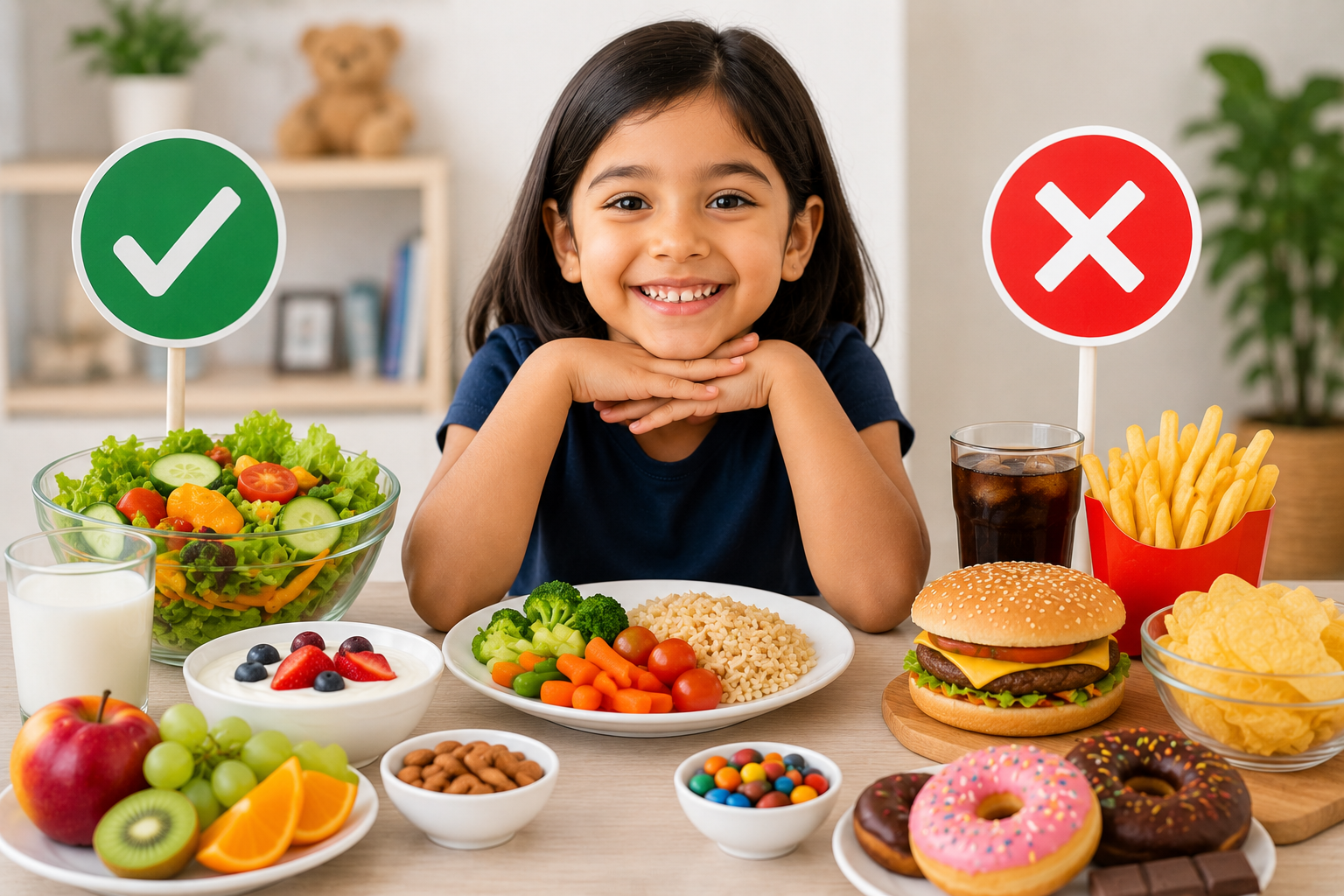
Junk food has become a regular part of many children’s diets due to its convenience, taste, and widespread availability. Foods such as chips, burgers, pizzas, sugary drinks, candies, fried snacks, and packaged desserts are often high in calories, unhealthy fats, added sugar, and salt while providing very little nutritional value.
Occasionally enjoying these foods is generally not a problem, but eating junk food frequently can affect a child’s growth, energy levels, learning ability, and overall health. Encouraging balanced eating habits from an early age can help children develop a healthier relationship with food and reduce the risk of future health problems.
What Is Junk Food?
Junk food refers to foods and drinks that are high in calories but low in essential nutrients such as vitamins, minerals, fibre, and protein.
Common Examples of Junk Food
- Potato chips
- French fries
- Burgers
- Pizza
- Fried chicken
- Instant noodles
- Candy
- Chocolate bars
- Cakes and pastries
- Sugary breakfast cereals
- Soft drinks
- Energy drinks
- Sweetened fruit drinks
These foods are often high in added sugar, unhealthy fats, sodium, and refined carbohydrates.
Why Too Much Junk Food Is Harmful
Children need nutrient-rich foods to support healthy growth and development. Frequent junk food consumption can replace healthier meals and reduce the intake of important nutrients.
Healthy Foods Provide
- Vitamins
- Minerals
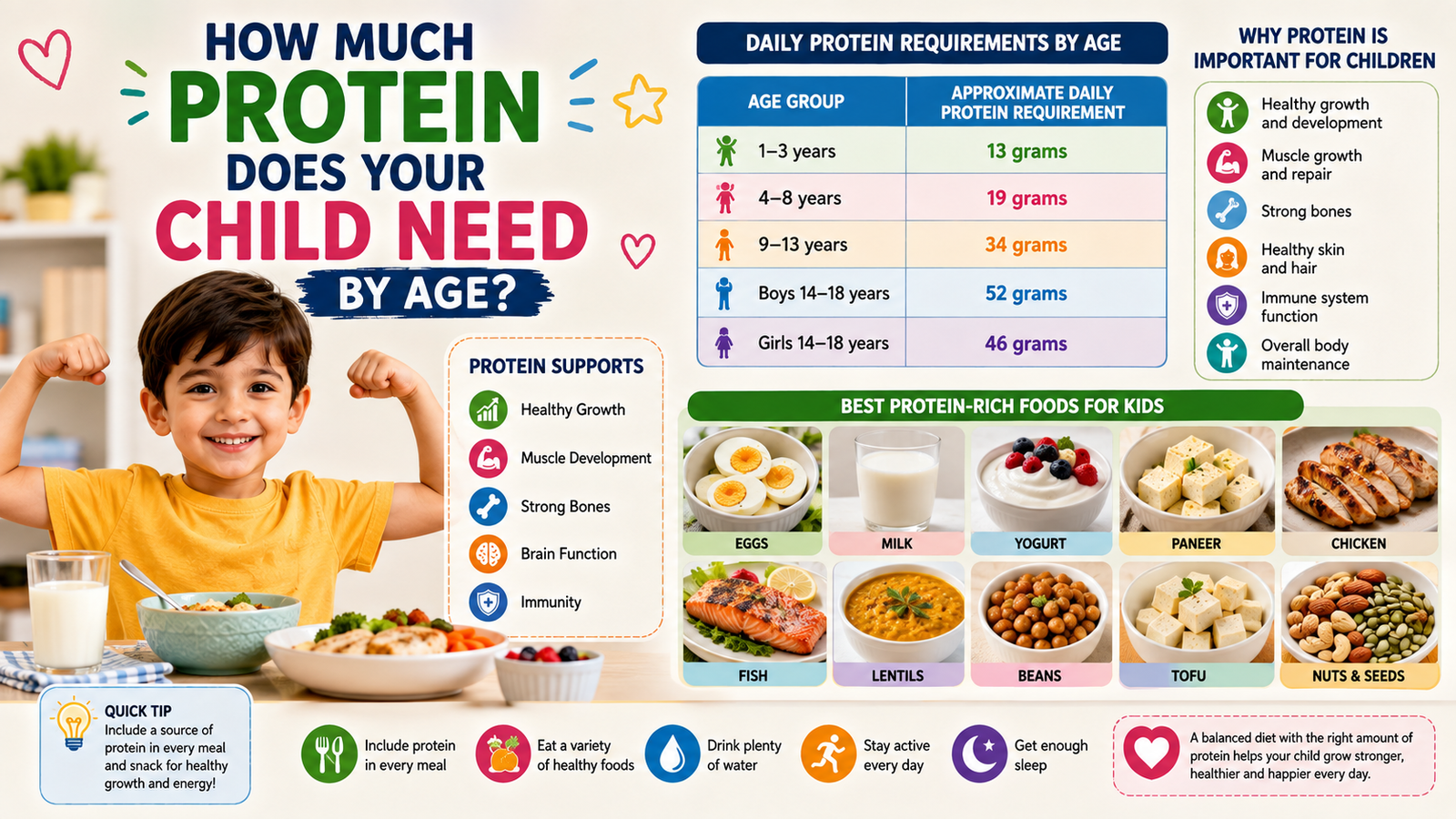
- Protein
- Healthy fats
- Fibre
- Calcium
- Iron
These nutrients are essential for brain development, strong bones, healthy muscles, and immune function.
Harmful Effects of Junk Food on Children
1. Increased Risk of Childhood Obesity
Junk food is often high in calories but does not provide lasting fullness.
Why It Happens
- Large portion sizes
- High sugar content
- High unhealthy fat content
- Frequent snacking
- Sugary drinks
Regular overeating may contribute to unhealthy weight gain.
2. Poor Nutrition
Children who eat junk food frequently may consume fewer nutritious foods.
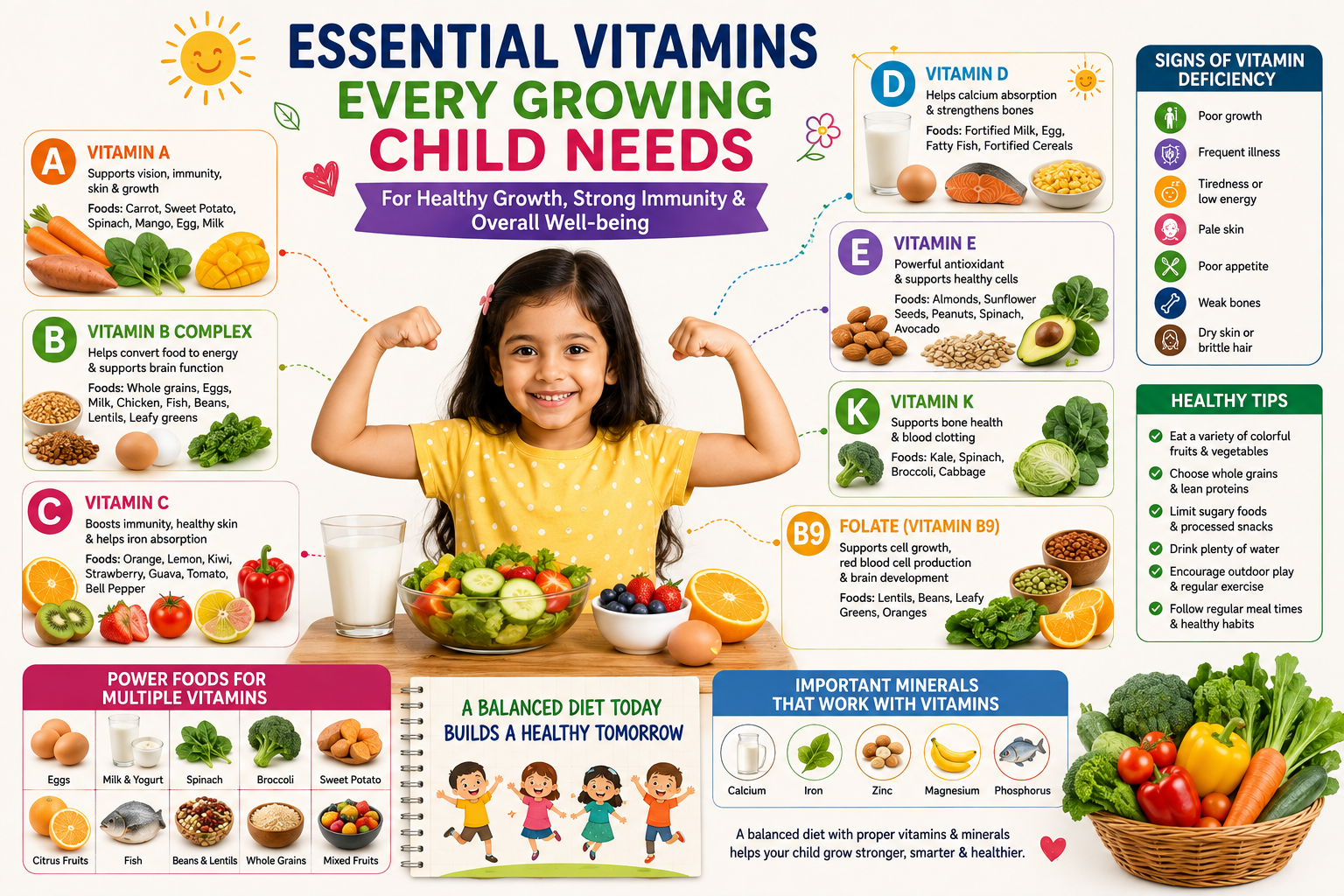
Nutrients That May Be Lacking
- Iron
- Calcium
- Vitamin D
- Vitamin A
- Vitamin C
- Fibre
- Protein
Poor nutrition can affect healthy growth and development.
3. Tooth Decay
Sugary foods and drinks increase the risk of dental cavities.
Foods That Can Increase Risk
- Candy
- Soft drinks
- Chocolate
- Sweet biscuits
- Sticky sweets
Regular brushing and limiting sugary snacks help protect children’s teeth.
4. Reduced Energy and Poor Concentration
Highly processed foods may provide quick energy followed by a rapid drop in blood sugar levels.
Possible Effects
- Difficulty concentrating
- Fatigue
- Irritability
- Reduced attention during school
Balanced meals help provide more stable energy throughout the day.
5. Digestive Problems
Many junk foods contain very little fibre.
Possible Digestive Issues
- Constipation
- Poor digestion
- Bloating
Fibre-rich foods such as fruits, vegetables, and whole grains support healthy digestion.
6. Increased Risk of Type 2 Diabetes
Regular consumption of sugary drinks and high-calorie processed foods may increase the risk of developing type 2 diabetes, especially when combined with excess weight and low physical activity.
Risk Factors
- Frequent sugary drinks
- Obesity
- Physical inactivity
- Family history
Healthy eating and regular exercise help reduce the risk.
7. Higher Risk of Heart Disease Later in Life
A diet high in saturated fat, trans fat, sodium, and added sugar may contribute to long-term heart health problems.
Potential Long-Term Risks
- High blood pressure
- High cholesterol
- Obesity
- Cardiovascular disease
Healthy eating habits during childhood support lifelong heart health.
8. Poor Sleep Quality
Sugary snacks and caffeinated drinks consumed later in the day may interfere with healthy sleep.
Better Evening Choices
- Water
- Plain milk
- Fresh fruit
- Yogurt
Good sleep supports healthy growth, learning, and emotional well-being.
9. Weakened Immune System
Children who eat mostly processed foods may miss out on important vitamins and minerals that support normal immune function.
Nutrients That Support Immunity
- Vitamin C
- Vitamin A
- Zinc
- Protein
- Vitamin D
A balanced diet helps the body fight infections more effectively.
10. Unhealthy Eating Habits
Regularly eating junk food can make children prefer foods that are high in sugar, salt, and unhealthy fats.
Healthy Habits to Encourage
- Family meals
- Home-cooked food
- Healthy snacks
- Drinking water instead of sugary drinks
- Trying new fruits and vegetables
Building healthy habits early supports lifelong wellness.
Healthy Alternatives to Junk Food
Replacing junk food with healthier options helps children receive the nutrients they need for growth, learning, and overall health.
Choose Fresh Fruits Instead of Candy
Fresh fruits satisfy sweet cravings while providing vitamins, minerals, and fibre.
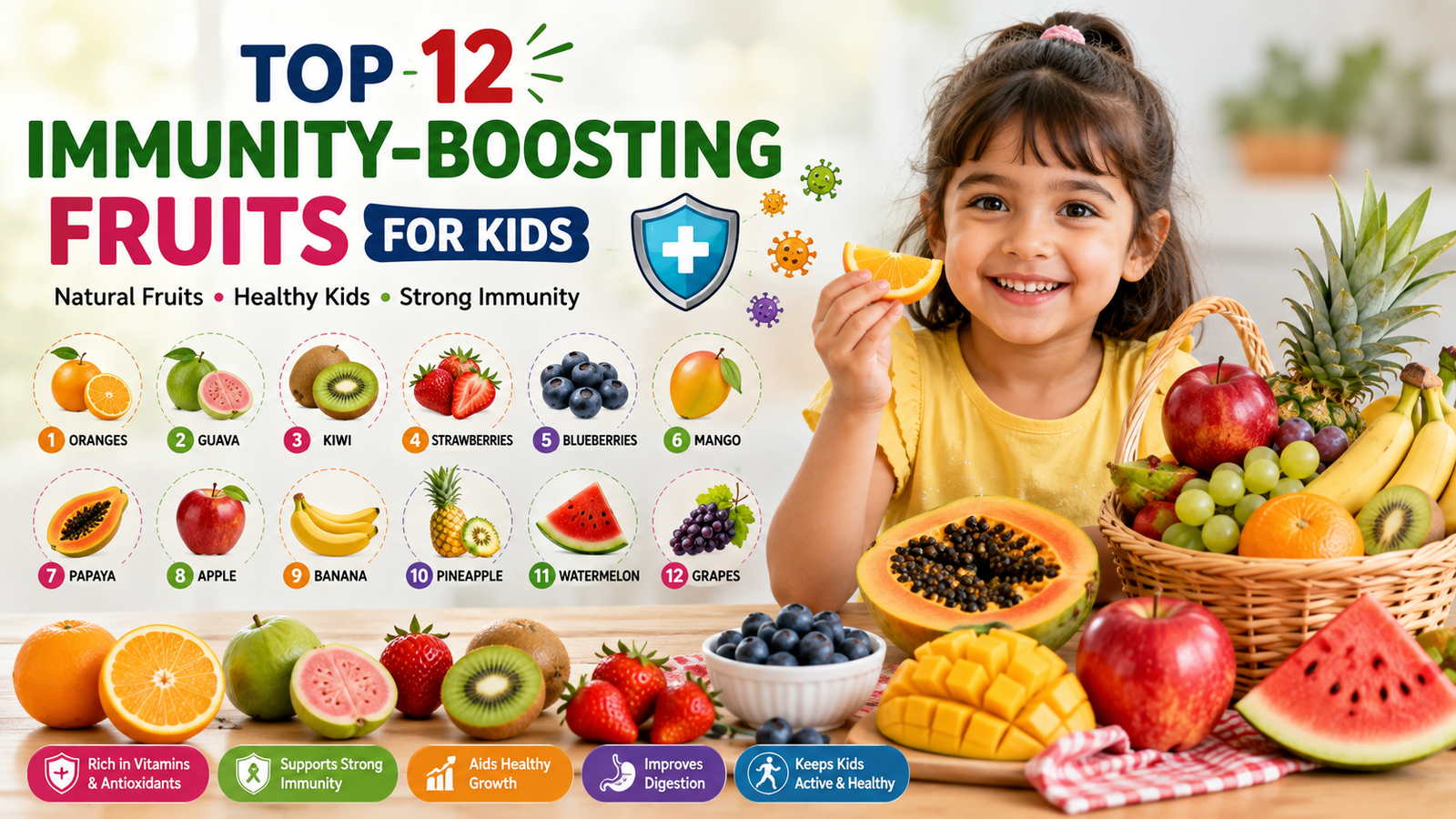
Healthy Fruit Choices
- Apples
- Bananas
- Oranges
- Grapes
- Berries
- Mangoes
- Watermelon
Serve fruit as a snack, in smoothies, or with plain yogurt.
Replace Sugary Drinks with Healthier Beverages
Sugary drinks can add a large amount of unnecessary sugar to a child’s diet.
Better Drink Options
- Water
- Plain milk
- Unsweetened coconut water
- Homemade fruit-infused water
- Fresh smoothies without added sugar
Encourage children to carry a reusable water bottle throughout the day.
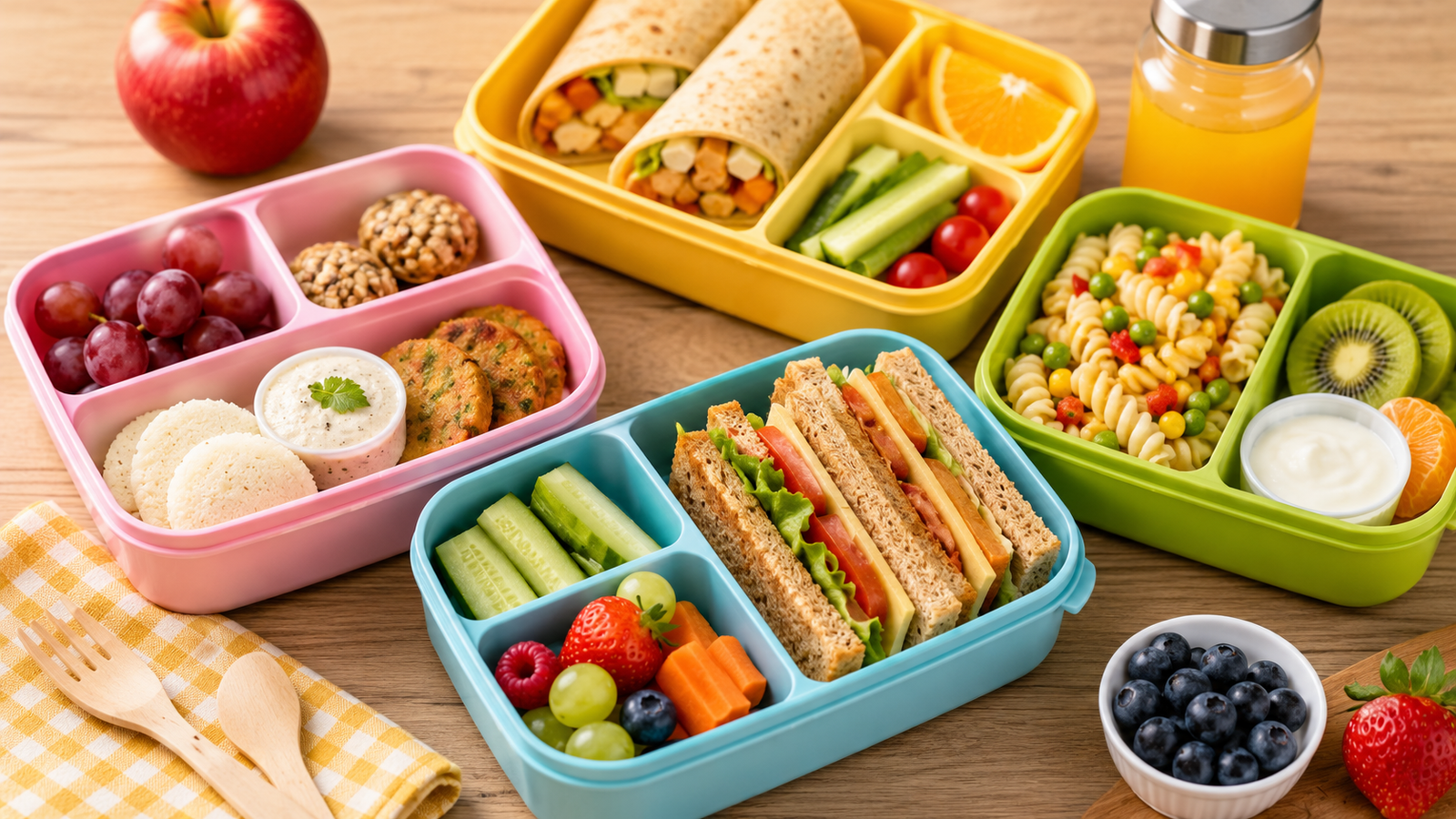
Choose Homemade Snacks
Preparing snacks at home gives you more control over ingredients.
Healthy Homemade Snacks
- Popcorn (lightly seasoned)
- Whole-grain sandwiches
- Vegetable wraps
- Boiled eggs
- Homemade vegetable muffins
- Fruit salad
These options are more nutritious and can be just as enjoyable as packaged snacks.
Offer Nutritious Protein Snacks
Protein helps children stay full and supports healthy growth.
Healthy Protein Options
- Yogurt
- Cheese cubes
- Hummus
- Boiled eggs
- Roasted chickpeas
- Nut butters (where appropriate and allergy-free)
Serve these with fruits or vegetables for a balanced snack.
Tips to Reduce Junk Food Consumption
Keep Healthy Foods Easily Available
Place healthy snacks where children can easily see and reach them.
Examples include:
- Fresh fruit bowl
- Vegetable sticks
- Yogurt
- Whole-grain crackers
- Unsalted nuts (for older children)
Avoid Keeping Too Much Junk Food at Home
Children are more likely to choose healthy foods when unhealthy options are less available.
Stock the kitchen with nutritious alternatives instead of sugary or highly processed snacks.
Eat Meals Together
Family meals encourage healthier food choices and allow parents to model positive eating habits.
Children often copy the eating behaviours of adults around them.
Don’t Use Junk Food as a Reward
Rewarding children with sweets or fast food may create unhealthy emotional connections with food.
Instead, reward positive behaviour with:
- Extra playtime
- Family activities
- Stickers
- Books
- Praise and encouragement
Teach Children About Healthy Eating
Explain in simple, age-appropriate language how healthy foods help them:
- Grow stronger
- Learn better
- Play longer
- Stay healthy
- Build strong bones and muscles
Positive education encourages lifelong healthy habits.
Healthy Snack Ideas for Kids
Nutritious snacks help maintain energy between meals.
Fruit-Based Snacks
- Apple slices
- Banana
- Mixed berries
- Orange segments
- Watermelon cubes
Vegetable Snacks
- Carrot sticks
- Cucumber slices
- Bell pepper strips
- Cherry tomatoes
- Celery sticks
Serve with hummus or plain yogurt dip for added nutrition.
Dairy Snacks
- Plain yogurt
- Cheese cubes
- Cottage cheese with fruit
Whole-Grain Snacks
- Whole-grain crackers
- Oatmeal
- Whole wheat toast
- Homemade popcorn
Protein Snacks
- Boiled eggs
- Roasted chickpeas
- Peanut butter on whole-grain bread (if appropriate)
- Homemade bean salad
Foods to Encourage Every Day
Aim to include these nutritious foods in your child’s daily diet:
Fruits
- Apples
- Bananas
- Oranges
- Berries
- Pears
Vegetables
- Carrots
- Broccoli
- Spinach
- Tomatoes
- Sweet potatoes
Whole Grains
- Brown rice
- Oats
- Whole wheat bread
- Whole wheat pasta
Protein Sources
- Eggs
- Chicken
- Fish
- Beans
- Lentils
- Tofu
Dairy Foods
- Milk
- Yogurt
- Cheese
A varied diet helps children receive the nutrients they need for healthy growth and development.
Frequently Asked Questions
Is it okay for children to eat junk food occasionally?
Yes. An occasional treat can be part of a balanced diet. The focus should be on healthy eating most of the time rather than completely banning favourite foods.
What is the healthiest snack for children?
Healthy snacks include fresh fruits, vegetables with hummus, plain yogurt, boiled eggs, whole-grain crackers, and homemade popcorn.
How can I reduce my child’s craving for junk food?
Offer regular balanced meals, keep healthy snacks available, limit sugary drinks, involve children in meal preparation, and avoid using junk food as a reward.
Can junk food affect school performance?
A diet high in highly processed foods and low in essential nutrients may contribute to poor concentration and lower energy levels. A balanced diet supports normal learning and cognitive function.
How much physical activity should children get?
Children should aim for at least 60 minutes of moderate-to-vigorous physical activity every day, such as running, cycling, swimming, dancing, or outdoor play.
Key Takeaways
- Frequent junk food consumption can increase the risk of obesity, poor nutrition, tooth decay, and other long-term health problems.
- Replace sugary drinks and processed snacks with nutritious alternatives like fruits, vegetables, whole grains, and protein-rich foods.
- Encourage home-cooked meals and healthy snacks.
- Teach children healthy eating habits through positive role modelling.
- Combine good nutrition with regular physical activity, adequate sleep, and proper hydration for overall well-being.
Conclusion
Junk food may be convenient and appealing, but eating it too often can affect a child’s growth, nutrition, energy levels, and long-term health. By replacing highly processed foods with wholesome meals, fresh fruits, vegetables, whole grains, lean proteins, and healthy snacks, parents can help children build healthier eating habits that last a lifetime.
Rather than completely eliminating treats, focus on balance and moderation. Creating a positive food environment at home, involving children in meal preparation, and setting a good example through your own eating habits can make healthy choices easier and more enjoyable. Combined with daily physical activity and enough sleep, nutritious eating habits provide children with the best foundation for healthy growth and development.