
Foods for Picky Eaters
Many children go through a phase of picky eating, where they refuse certain foods, avoid trying new flavours, or eat only a limited variety of meals. While this behaviour is common during childhood, offering nutritious foods in a positive and patient way can help children gradually expand their food choices.
Instead of forcing children to eat, parents should focus on creating enjoyable mealtimes, providing balanced meals, and repeatedly introducing healthy foods. Over time, these strategies can encourage healthier eating habits and support normal growth and development.
What Is Picky Eating?
Picky eating refers to eating behaviours where a child consistently rejects certain foods or prefers only a small selection of familiar foods.
Common Signs of a Picky Eater
- Refuses vegetables or fruits
- Eats the same meals repeatedly
- Avoids trying new foods
- Rejects foods because of texture or colour
- Prefers processed or snack foods
- Takes a long time to finish meals
Most picky eating improves with time and positive eating experiences.
Why Is Healthy Eating Important for Picky Eaters?
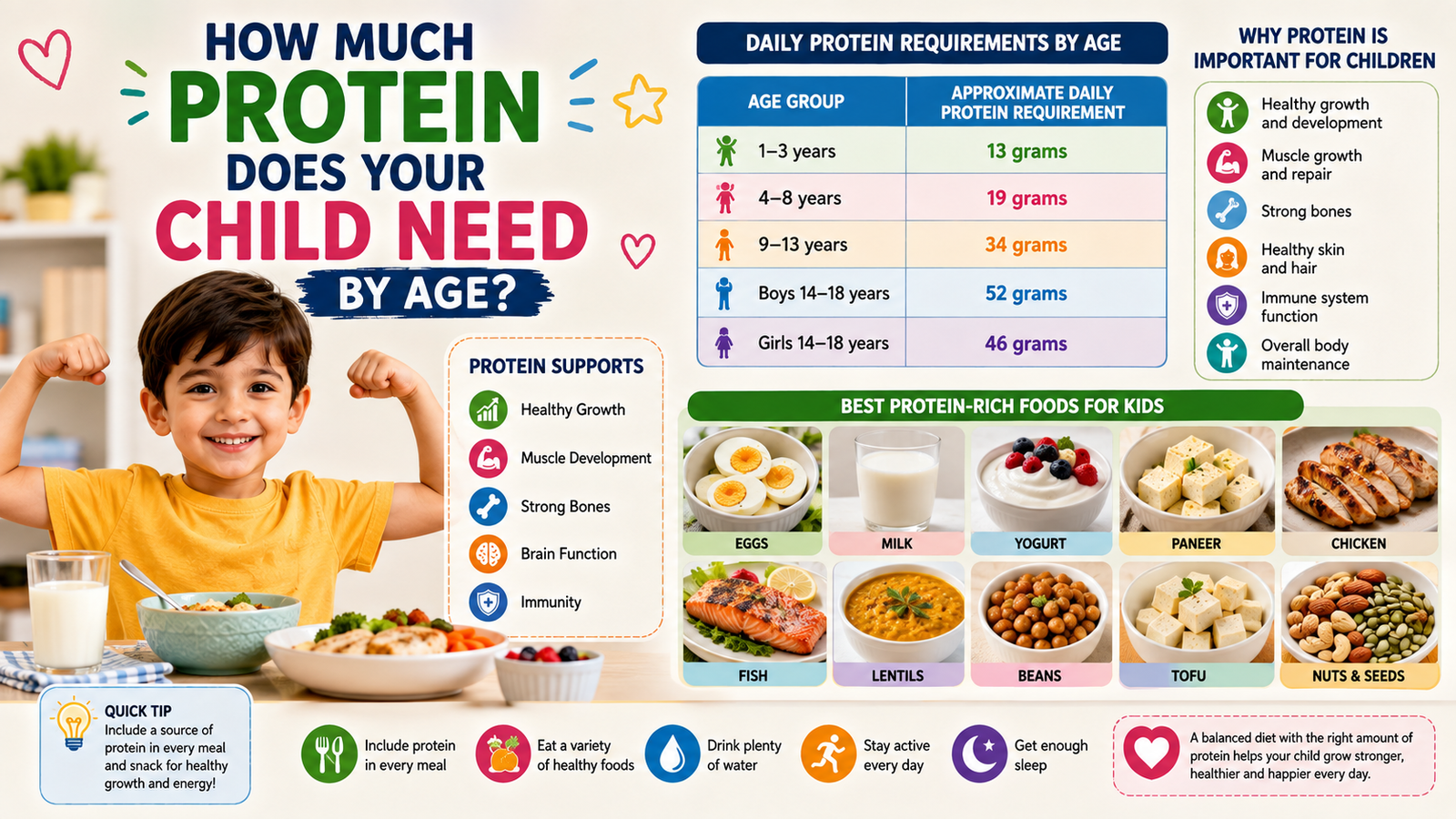
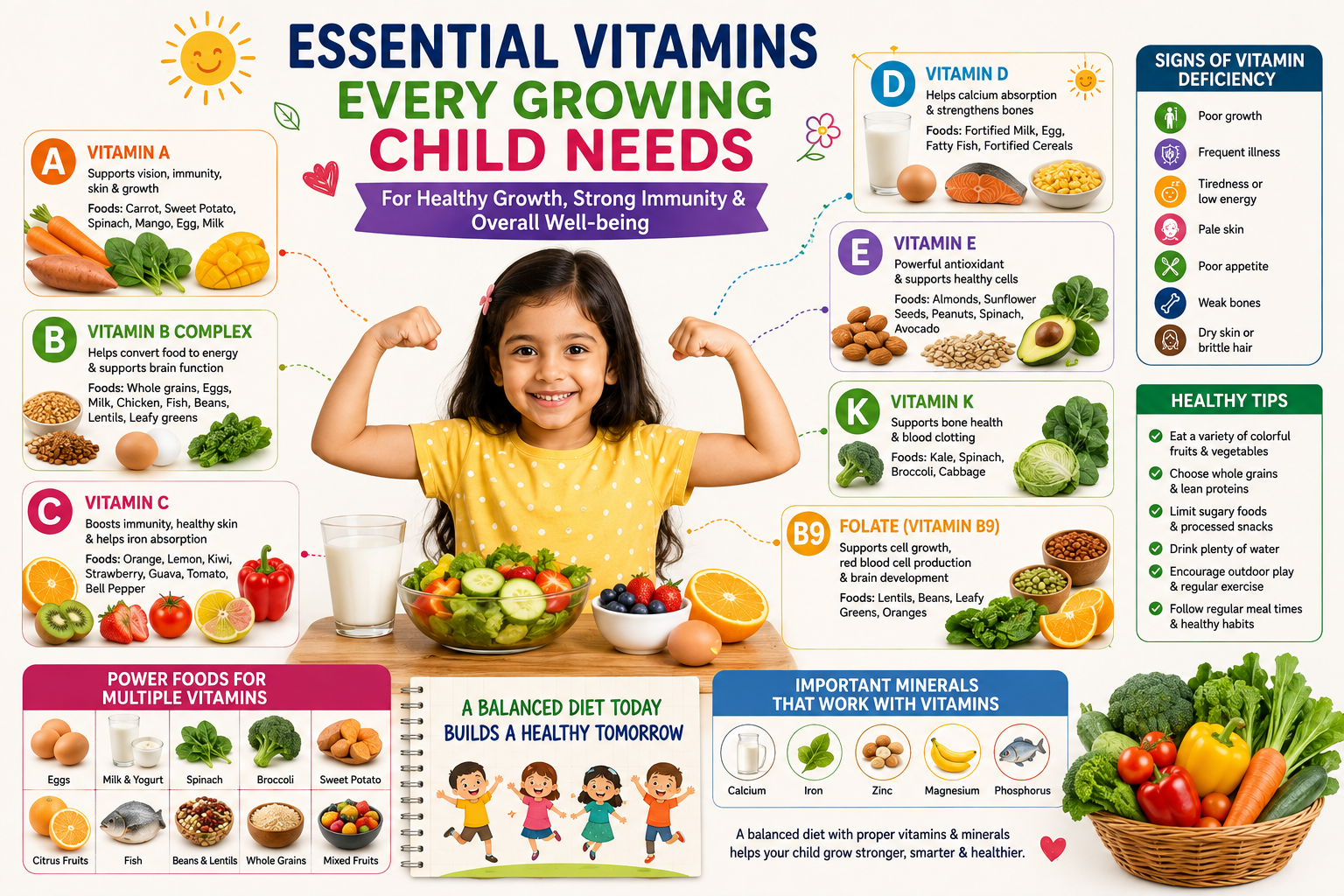
A balanced diet provides children with the nutrients they need for healthy growth, learning, and overall well-being.
Benefits of Nutritious Foods
- Support healthy growth and development
- Strengthen the immune system
- Promote brain development
- Improve energy levels
- Support healthy digestion
- Help maintain strong bones and muscles
Providing a variety of nutritious foods increases the chances of meeting a child’s nutritional needs.
Best Foods for Picky Eaters
1. Eggs
Eggs are rich in high-quality protein, choline, and essential vitamins.
Benefits
- Support brain development
- Help build muscles
- Provide long-lasting energy
- Easy to prepare in different ways
Serve eggs as scrambled eggs, omelettes, boiled eggs, or egg muffins.
2. Yogurt
Plain yogurt is rich in calcium, protein, and beneficial bacteria.
Benefits
- Supports bone health
- Promotes healthy digestion
- Provides protein
- Easy to pair with fruit
Top yogurt with fresh berries or sliced bananas for extra nutrition.
3. Oatmeal
Oatmeal is a nutritious whole grain that provides fibre and steady energy.
Benefits
- Supports digestion
- Helps children feel full longer
- Provides important vitamins and minerals
Add fruit, cinnamon, or chopped nuts (for older children) to improve flavour and nutrition.
4. Bananas
Bananas are naturally sweet and easy for most children to enjoy.
Benefits
- Provide potassium
- Support energy production
- Easy to digest
- Convenient as a healthy snack
Bananas can also be added to smoothies, pancakes, or oatmeal.
5. Cheese
Cheese provides calcium, protein, and healthy fats that support growth.
Benefits
- Strengthens bones and teeth
- Supports muscle development
- Easy to include in sandwiches and wraps
Choose moderate portions and lower-sodium varieties when possible.
6. Sweet Potatoes
Sweet potatoes are naturally sweet and rich in vitamin A and fibre.
Benefits
- Support healthy eyesight
- Promote digestion
- Provide long-lasting energy
Serve baked, mashed, or roasted sweet potatoes.
7. Apples
Apples are rich in fibre and vitamin C.
Benefits
- Support digestion
- Help maintain immunity
- Easy to pack for school lunches
Serve apple slices with peanut butter (if appropriate and allergy-free).
8. Whole Wheat Bread
Whole wheat bread provides fibre and B vitamins.
Benefits
- Supports digestion
- Provides steady energy
- Makes healthy sandwiches
Choose whole-grain varieties whenever possible.
9. Chicken
Lean chicken is an excellent source of protein.
Benefits
- Supports muscle growth
- Helps tissue repair
- Provides iron and zinc
Serve grilled, baked, or shredded chicken in wraps, sandwiches, or pasta.
10. Colourful Smoothies
Smoothies are an easy way to include fruits and vegetables in a child’s diet.
Healthy Ingredients
- Bananas
- Berries
- Spinach
- Yogurt
- Milk
- Oats
Avoid adding extra sugar or sweetened syrups.
11. Avocados
Avocados are rich in healthy fats, fibre, and vitamins that support a child’s growth and brain development.
Benefits
- Support brain health
- Provide healthy fats
- Help children feel full longer
- Easy to mash or spread on toast
Mash avocado on whole-grain bread or blend it into smoothies.
12. Carrots
Carrots are naturally sweet, crunchy, and rich in beta-carotene.
Benefits
- Support healthy eyesight
- Strengthen the immune system
- Promote healthy skin
- Make a healthy snack
Serve raw carrot sticks with hummus or lightly steamed carrots.
13. Berries
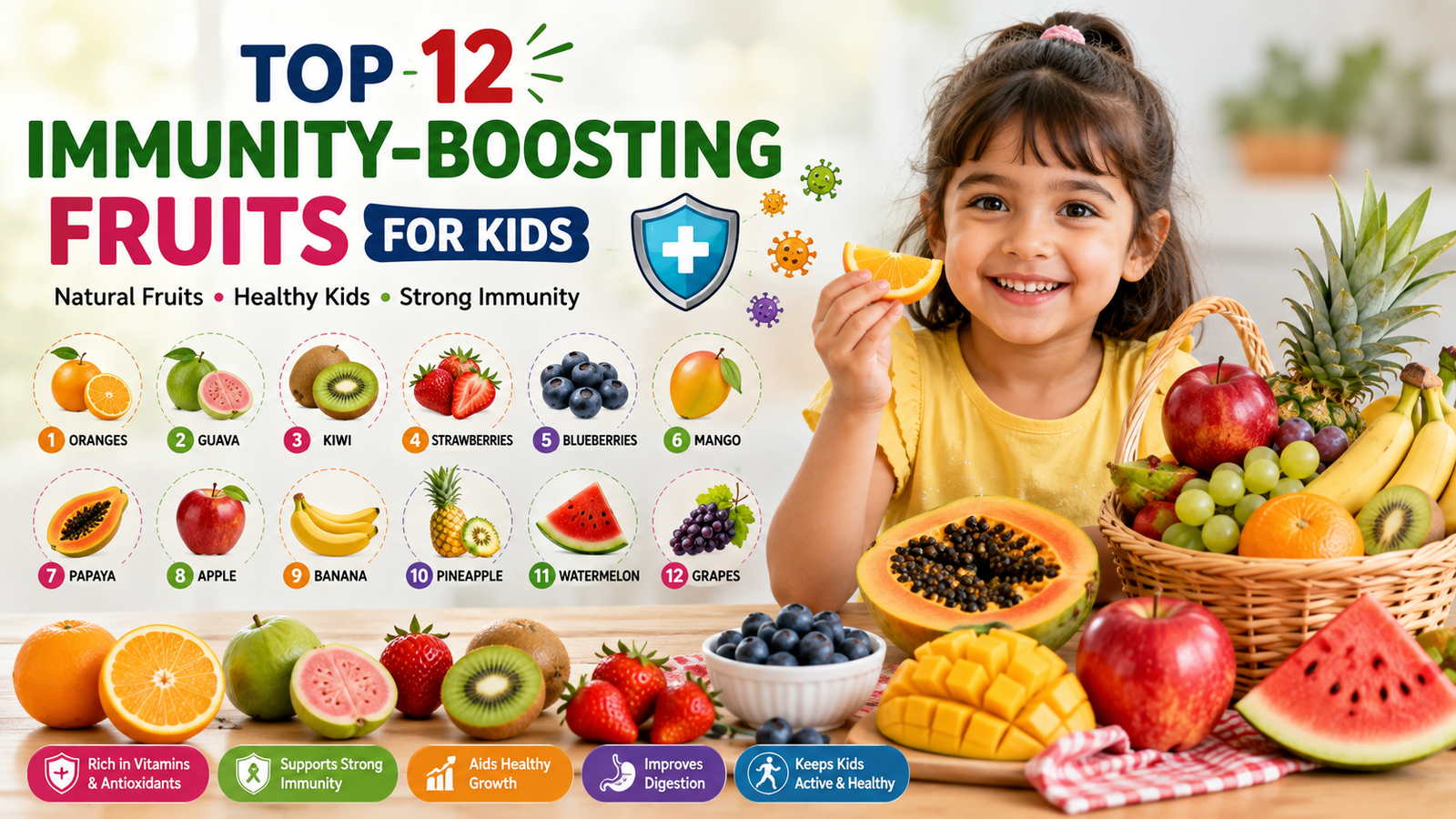
Blueberries, strawberries, raspberries, and blackberries are packed with vitamins and antioxidants.
Benefits
- Support brain development
- Strengthen immunity
- Provide fibre
- Naturally sweet and colourful
Add berries to yogurt, oatmeal, or smoothies.
14. Peanut Butter or Nut Butters
Nut butters provide healthy fats, protein, and important nutrients.
Benefits
- Support growth
- Provide lasting energy
- Help keep children full
Spread on whole-grain toast or serve with apple slices. Always check for food allergies and choose products with no added sugar.
15. Homemade Vegetable Muffins
Vegetable muffins are a fun way to introduce extra vegetables into a child’s diet.
Healthy Ingredients
- Carrots
- Zucchini
- Spinach
- Oats
- Eggs
- Whole wheat flour
These muffins can be enjoyed as a healthy snack or breakfast option.
Easy Meal Ideas for Picky Eaters
Breakfast
Healthy breakfast ideas include:
- Oatmeal with banana and berries
- Whole-grain toast with peanut butter
- Vegetable omelette
- Yogurt with fruit
- Smoothies made with milk, fruit, and oats
Lunch
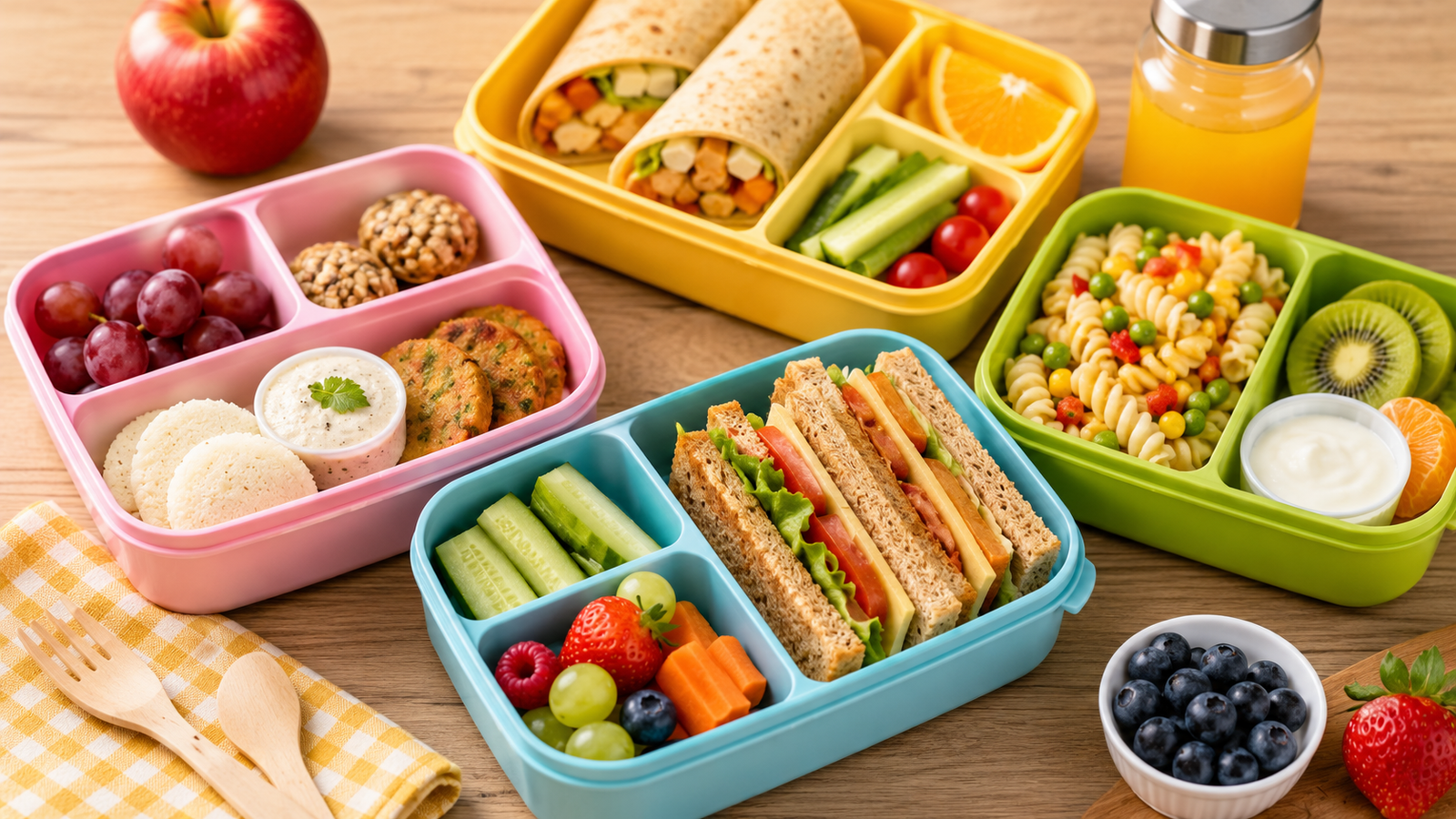
Nutritious lunch ideas include:
- Whole wheat vegetable sandwiches
- Chicken wraps
- Homemade pasta with vegetables
- Rice with vegetables and beans
- Cheese and whole-grain crackers
Dinner
Balanced dinner options include:
- Grilled chicken with vegetables
- Whole wheat pasta with tomato sauce
- Baked sweet potatoes
- Vegetable soup with whole-grain bread
- Brown rice with lentils
Healthy Snacks
Choose snacks such as:
- Apple slices
- Banana
- Yogurt
- Carrot sticks
- Cheese cubes
- Boiled eggs
- Homemade popcorn (lightly seasoned)
- Fresh fruit salad
Tips to Encourage Picky Eaters
Introduce One New Food at a Time
Offering one unfamiliar food alongside familiar favourites helps children feel more comfortable trying it.
Don’t Force Your Child to Eat
Pressuring children to eat can make mealtimes stressful. Encourage tasting, but allow children to decide how much they eat.
Make Food Fun
Create colourful plates, cut fruits and vegetables into fun shapes, or arrange meals into creative designs to make healthy foods more appealing.
Eat Together as a Family
Children are more likely to try new foods when they see parents and siblings enjoying them.
Let Children Help in the Kitchen
Children who help wash vegetables, stir ingredients, or prepare simple meals often become more interested in tasting what they helped make.
Be Patient
Some children need to see or taste a new food many times before accepting it. Continue offering healthy options without pressure.
Foods to Limit
Reduce the intake of:
- Sugary soft drinks
- Candy
- Chocolate
- Chips
- Deep-fried foods
- Instant noodles
- Fast food
- Sugary breakfast cereals
- Highly processed snacks
Replacing these foods with wholesome alternatives helps improve overall nutrition.
Healthy Daily Habits
Keep Regular Meal Times
Serving meals and snacks at consistent times helps children develop healthy eating routines.
Encourage Daily Physical Activity
Children should aim for at least 60 minutes of moderate-to-vigorous physical activity every day, such as:
- Running
- Cycling
- Swimming
- Dancing
- Football
- Outdoor games
Limit Recreational Screen Time
Reducing screen time encourages more active play and helps children focus during meals.
Ensure Enough Sleep
Adequate sleep supports healthy growth, appetite regulation, learning, and emotional well-being.
Celebrate Small Successes
Praise children for trying new foods, even if they only take a small bite. Positive encouragement builds confidence and healthy eating habits.
Frequently Asked Questions
Is picky eating normal in children?
Yes. Picky eating is common during childhood and often improves with time. Patience, repeated exposure to healthy foods, and positive mealtime experiences are usually the best approach.
How can I encourage my child to eat vegetables?
Offer vegetables in different forms, include them in favourite meals, involve children in cooking, and continue serving them regularly without forcing your child to eat.
Should I give my picky eater vitamin supplements?
Most children can meet their nutritional needs through a balanced diet. Supplements should only be given if recommended by a healthcare professional.
How long does picky eating last?
The duration varies from child to child. Many children become more willing to try new foods as they grow older and gain more exposure to different tastes and textures.
When should I talk to a doctor?
Consult a healthcare professional if your child has poor growth, significant weight loss, difficulty swallowing, extreme food restrictions, or persistent feeding concerns that affect overall health.
Key Takeaways
- Picky eating is common and often temporary.
- Offer a variety of nutritious foods without pressure.
- Include protein, whole grains, fruits, vegetables, and dairy in daily meals.
- Introduce new foods gradually and repeatedly.
- Avoid using sweets as rewards or forcing children to eat.
- Create enjoyable family mealtimes and encourage healthy habits through positive role modelling.
- Seek professional advice if picky eating affects your child’s growth or nutrition.
Conclusion
Helping a picky eater develop healthy eating habits takes time, patience, and consistency. Instead of focusing on the foods your child refuses, continue offering a wide variety of nutritious options in a positive and stress-free environment. Small changes—such as involving children in meal preparation, serving colourful foods, and eating together as a family—can gradually increase their willingness to try new foods.
Remember that every child develops at their own pace. A balanced diet, regular physical activity, enough sleep, and supportive family routines all contribute to healthy growth and lifelong eating habits. If picky eating begins to affect your child’s growth, energy levels, or nutritional intake, consult a paediatrician or registered dietitian for personalised guidance.