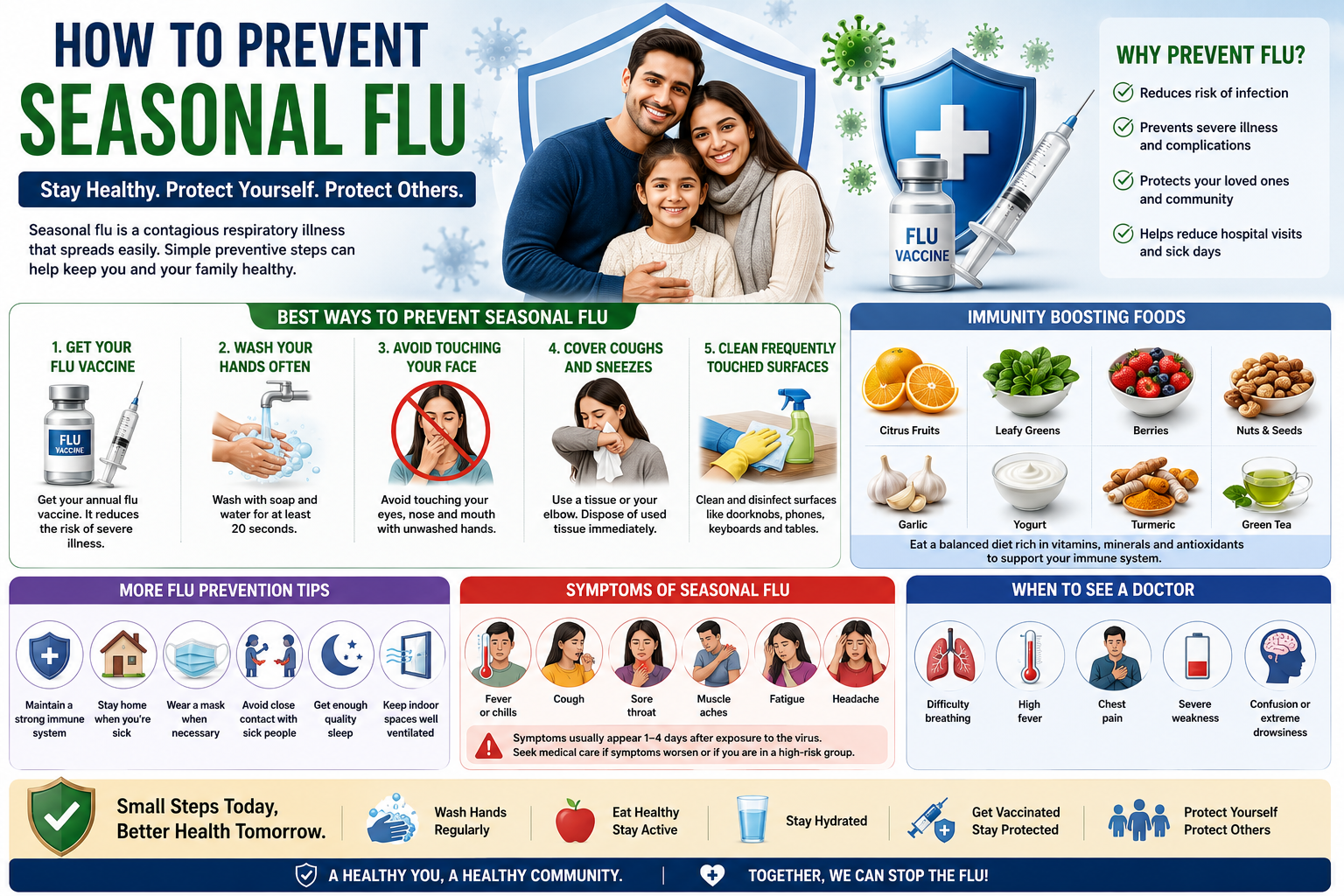
How to Prevent Seasonal Flu
Seasonal flu, also known as influenza, is a contagious respiratory illness caused by influenza viruses. It spreads easily from person to person, especially during the colder months when people spend more time indoors. While many people recover within a week or two, the flu can lead to serious complications in young children, older adults, pregnant women, and individuals with weakened immune systems.
Fortunately, seasonal flu can often be prevented by following healthy daily habits, practicing good hygiene, and staying up to date with recommended vaccinations. Taking preventive steps not only protects your own health but also helps reduce the spread of flu within your family, workplace, school, and community.
What Is Seasonal Flu?
Seasonal flu is a viral infection that affects the nose, throat, and lungs. Unlike the common cold, influenza symptoms often develop suddenly and can be more severe.
Most people recover with rest and supportive care, but some individuals may require medical treatment if complications develop.
How Does Seasonal Flu Spread?
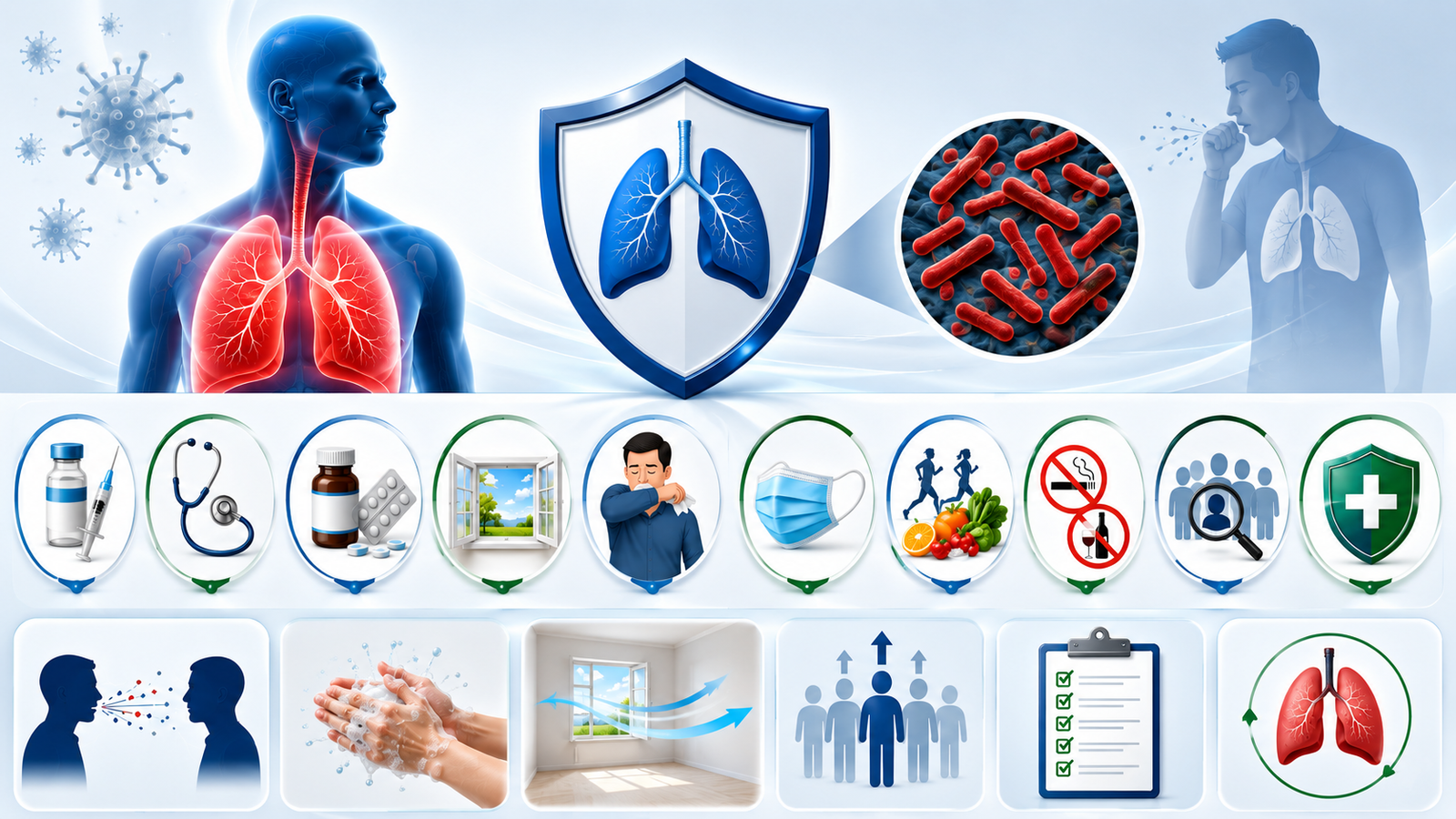
The influenza virus spreads mainly through respiratory droplets released when an infected person:
- Coughs
- Sneezes
- Talks
- Laughs
The virus may also spread by touching contaminated surfaces and then touching your eyes, nose, or mouth before washing your hands.
Common Symptoms of Seasonal Flu
Symptoms usually appear 1–4 days after exposure to the virus.
Common Signs and Symptoms
- Fever or chills
- Cough
- Sore throat
- Runny or blocked nose
- Headache
- Muscle aches
- Fatigue
- Weakness
- Body pain
Some people, especially children, may also experience nausea, vomiting, or diarrhea.
Best Ways to Prevent Seasonal Flu
1. Get Your Annual Flu Vaccine
The flu virus changes over time, which is why an annual influenza vaccine is recommended in many countries.
Benefits of the Flu Vaccine
- Reduces the risk of getting the flu
- Lowers the chance of severe illness
- Helps protect vulnerable family members
- May reduce flu-related hospitalizations
Consult your healthcare provider regarding the most appropriate vaccination schedule for you and your family.
2. Wash Your Hands Frequently
Hand hygiene is one of the simplest and most effective ways to prevent the spread of flu viruses.
Wash Your Hands
- Before eating
- After coughing or sneezing
- After using the restroom
- After touching public surfaces
- After caring for someone who is sick
Wash with soap and water for at least 20 seconds. If soap and water are unavailable, use an alcohol-based hand sanitizer.
3. Avoid Touching Your Face
Flu viruses can enter the body through your:
- Eyes
- Nose
- Mouth
Avoid touching your face with unwashed hands to reduce the risk of infection.
4. Cover Coughs and Sneezes
Good respiratory hygiene helps prevent the spread of flu viruses.
Always
- Cover your mouth and nose with a tissue.
- Cough or sneeze into your elbow if a tissue is unavailable.
- Dispose of used tissues immediately.
- Wash your hands afterward.
5. Keep Frequently Touched Surfaces Clean
Flu viruses can survive on commonly touched objects for several hours.
Regularly Clean
- Door handles
- Mobile phones
- Computer keyboards
- Light switches
- Tables
- Remote controls
- Kitchen counters
Using appropriate household disinfectants can help reduce the spread of germs.
6. Maintain a Strong Immune System
A healthy immune system helps your body respond effectively to infections. While no food or supplement can completely prevent the flu, maintaining overall good health supports normal immune function.
Healthy Daily Habits
- Eat a balanced diet.
- Exercise regularly.
- Stay hydrated.
- Manage stress.
- Get enough sleep.
- Avoid smoking.
- Limit alcohol consumption.
These habits contribute to better overall health throughout the year.
7. Stay Home When You’re Sick
If you develop flu symptoms, staying home helps prevent spreading the virus to others.
While Recovering
- Rest as much as possible.
- Drink plenty of fluids.
- Avoid close contact with others.
- Follow your healthcare provider’s advice before returning to work or school.
8. Wear a Mask When Appropriate
Wearing a well-fitting mask may help reduce the spread of respiratory viruses, particularly in crowded indoor settings or healthcare facilities.
Masks may also be recommended if you are experiencing flu-like symptoms or caring for someone who is ill.
9. Avoid Close Contact with Sick Individuals
Whenever possible, limit close contact with people who have flu symptoms.
If Someone at Home Is Sick
- Wash your hands frequently.
- Avoid sharing utensils, towels, or drinking glasses.
- Clean commonly touched surfaces daily.
- Ensure good ventilation indoors.
10. Get Enough Quality Sleep
Sleep plays an important role in supporting the immune system.
Recommended Sleep Duration
- Adults: 7–9 hours
- Teenagers: 8–10 hours
- School-age children: 9–12 hours
- Preschool children: 10–13 hours
Consistent, quality sleep supports overall health and recovery.
Foods That Support Immune Health
A balanced diet provides nutrients that help support the normal function of the immune system.
Fruits Rich in Vitamin C
Include:
- Oranges
- Kiwi
- Guava
- Strawberries
- Papaya
- Lemons
Green Leafy Vegetables
Choose:
- Spinach
- Kale
- Broccoli
- Cabbage
- Fenugreek leaves
Protein-Rich Foods
Protein supports tissue repair and immune cell production.
Healthy options include:
- Eggs
- Fish
- Chicken
- Lentils
- Beans
- Chickpeas
- Tofu
- Low-fat dairy products
Whole Grains
Whole grains provide sustained energy and important nutrients.
Examples include:
- Brown rice
- Oats
- Whole wheat
- Quinoa
- Barley
Healthy Fats
Healthy fats support overall health.
Good sources include:
- Walnuts
- Almonds
- Chia seeds
- Flaxseeds
- Olive oil
- Avocados
Who Is at Higher Risk of Flu Complications?
Some individuals are more likely to develop severe illness from seasonal flu.
Higher-Risk Groups Include
- Adults aged 65 years and older
- Children under 5 years of age
- Pregnant women
- People with asthma or chronic lung disease
- Individuals with heart disease
- People with diabetes
- Individuals with weakened immune systems
- Residents of long-term care facilities
These individuals should seek medical advice promptly if flu symptoms develop.
When Should You See a Doctor?
Seek medical attention if you experience:
- Difficulty breathing
- Chest pain
- Persistent high fever
- Severe dehydration
- Confusion or extreme drowsiness
- Symptoms that improve but then return with worsening fever or cough
- Flu symptoms lasting longer than expected
High-risk individuals should contact a healthcare provider early after symptoms begin.
Frequently Asked Questions
Can the flu vaccine prevent every case of influenza?
No vaccine offers 100% protection, but the annual flu vaccine significantly reduces the risk of infection and lowers the likelihood of severe illness, hospitalization, and complications.
Is seasonal flu different from the common cold?
Yes. Seasonal flu usually develops suddenly and often causes fever, body aches, fatigue, and a more severe illness than the common cold.
How long is a person with the flu contagious?
Most people can spread the flu beginning about one day before symptoms appear and for several days after becoming ill. Young children and people with weakened immune systems may remain contagious for a longer period.
Can healthy eating prevent the flu?
A balanced diet supports normal immune function, but it cannot guarantee protection from influenza. Combining healthy eating with vaccination and good hygiene provides the best overall protection.
How can I reduce the spread of flu at home?
Stay home when sick, cover coughs and sneezes, wash your hands frequently, clean high-touch surfaces, improve ventilation, and avoid sharing personal items with family members.
Key Takeaways
- Seasonal flu is a contagious viral infection that affects the respiratory system.
- Annual influenza vaccination is one of the most effective ways to reduce the risk of severe illness.
- Wash your hands regularly and avoid touching your face with unclean hands.
- Practice good respiratory hygiene by covering coughs and sneezes.
- Eat a balanced diet, stay hydrated, exercise regularly, and get enough sleep to support overall health.
- Seek medical attention promptly if severe flu symptoms develop or if you belong to a high-risk group.
Conclusion
Seasonal flu can spread quickly, but simple preventive measures can make a significant difference. Annual vaccination, proper hand hygiene, regular cleaning of frequently touched surfaces, healthy nutrition, quality sleep, and staying home when sick all help reduce the spread of influenza.
While no single strategy can completely eliminate the risk of infection, combining these healthy habits offers the best protection for you, your family, and your community. By staying informed and following recommended public health guidance, you can help lower your chances of getting the flu and reduce the risk of serious complications.