
Why Regular Health Screenings Are Essential for Disease Prevention
Regular health screenings are one of the most effective ways to protect your long-term health. Many serious diseases develop silently without noticeable symptoms in their early stages. Routine medical checkups and screening tests can help identify potential health problems before they become severe, allowing for earlier treatment and better health outcomes.
Preventive healthcare is not just about treating illness—it’s about reducing the risk of disease and maintaining overall well-being.
What Are Health Screenings?
Health screenings are medical tests or examinations performed to detect diseases or health conditions before symptoms appear.
Depending on your age, medical history, and risk factors, your healthcare provider may recommend different screening tests throughout your life.
Why Early Detection Matters
Many chronic diseases develop gradually.
Early detection can help:
- Begin treatment sooner
- Reduce complications
- Improve quality of life
- Support better long-term health outcomes
- Lower healthcare costs associated with advanced disease
Benefits of Regular Health Screenings
1. Detect Diseases Early
Routine screenings can identify conditions before symptoms become noticeable.
Examples include:
- High blood pressure
- Diabetes
- High cholesterol
- Certain cancers
- Kidney disease
2. Monitor Existing Health Conditions
If you already have a chronic condition, regular checkups help monitor your health and evaluate how well your treatment plan is working.
3. Reduce the Risk of Serious Complications
Managing diseases early may help reduce complications affecting:
- Heart
- Kidneys
- Eyes
- Brain
- Blood vessels
4. Support Preventive Healthcare
Health screenings also provide an opportunity to discuss:
- Nutrition
- Physical activity
- Vaccinations
- Mental health
- Healthy lifestyle habits
5. Improve Long-Term Health
Consistent preventive care encourages healthy habits that support overall wellness throughout life.
Common Health Screenings
The following screenings are commonly recommended based on individual risk factors:
Blood Pressure Screening
Regular blood pressure checks help detect hypertension early.
Blood Sugar Testing
Blood glucose testing helps identify:
- Prediabetes
- Type 2 diabetes
Cholesterol Screening
Monitoring cholesterol supports cardiovascular health.
Body Weight and BMI Assessment
Maintaining a healthy weight helps reduce the risk of many chronic diseases.
Cancer Screenings
Depending on age, sex, family history, and medical recommendations, screening may include:
- Breast cancer screening
- Cervical cancer screening
- Colorectal cancer screening
- Prostate cancer discussions
- Skin examinations
Eye Examinations
Regular eye exams may detect:
- Vision problems
- Glaucoma
- Diabetic eye disease
Dental Checkups
Oral health is closely connected to overall health.
Routine dental visits help detect:
- Gum disease
- Tooth decay
- Oral infections
Who Should Get Regular Health Screenings?
Health screenings are important for:
- Children
- Teenagers
- Adults
- Older adults
Individuals with higher risk may require more frequent screenings, including those with:
- Diabetes
- High blood pressure
- Obesity
- Smoking history
- Family history of chronic disease
- Heart disease
Your healthcare provider can recommend an appropriate screening schedule based on your individual needs.
How Often Should You Be Screened?
Screening frequency depends on:
- Age
- Sex
- Family history
- Medical history
- Lifestyle
- Risk factors
Follow the schedule recommended by your healthcare professional rather than relying on general timelines.
Healthy Habits That Complement Regular Health Screenings
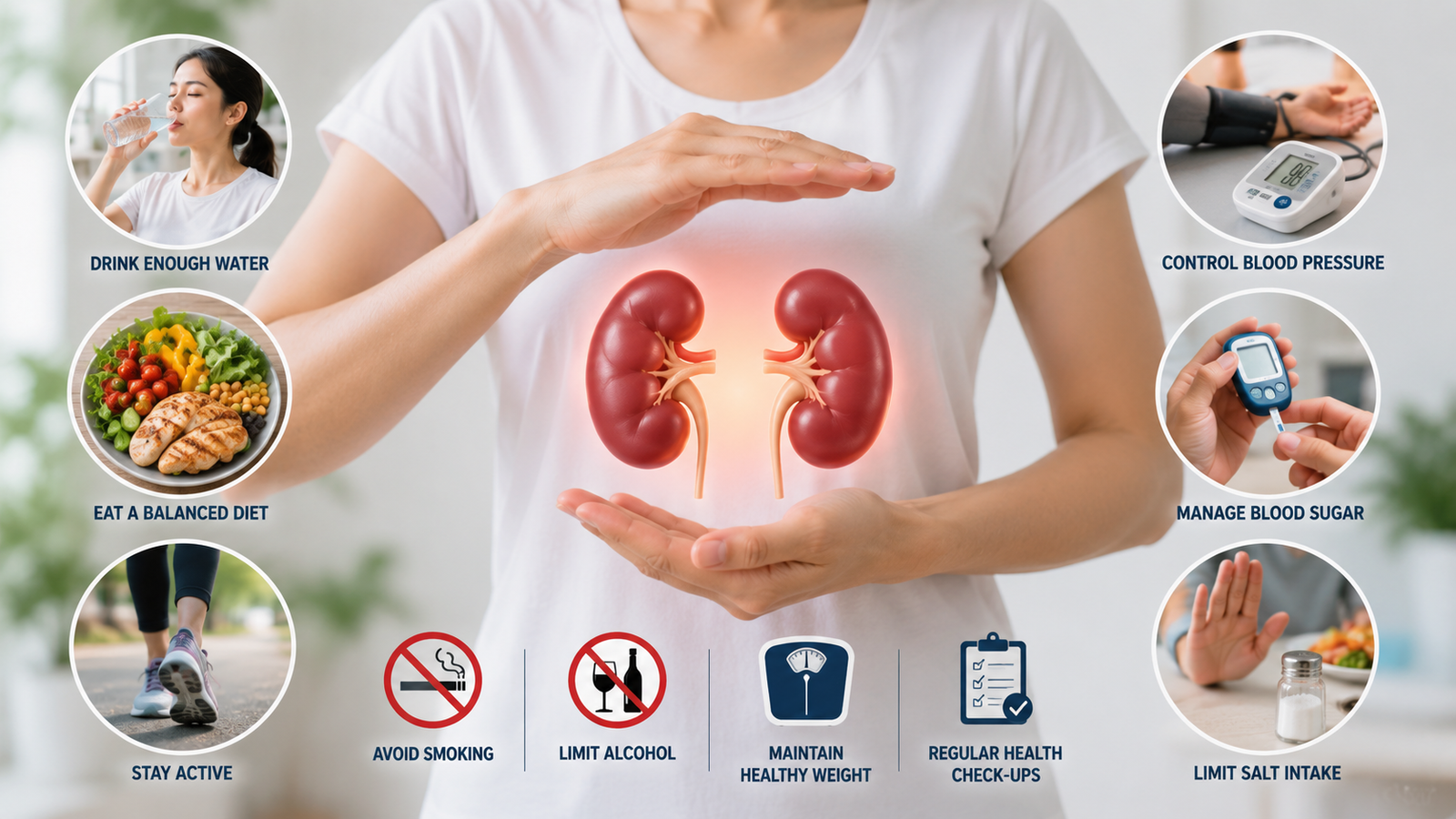
Health screenings are most effective when combined with a healthy lifestyle. Making positive daily choices can help reduce your risk of chronic diseases and support overall well-being.
Eat a Balanced Diet
Include a variety of nutritious foods such as:
- Fruits
- Vegetables
- Whole grains
- Lean proteins
- Healthy fats
- Low-fat dairy or fortified alternatives
Limit foods high in added sugar, sodium, and unhealthy fats.
Stay Physically Active
Regular exercise supports:
- Heart health
- Healthy weight
- Blood pressure management
- Blood sugar control
- Mental well-being
Aim for consistent physical activity appropriate for your age and fitness level.
Get Enough Sleep
Quality sleep supports:
- Immune function
- Brain health
- Hormone balance
- Overall recovery
Most adults benefit from 7–9 hours of sleep each night.
Avoid Smoking
Smoking increases the risk of numerous chronic diseases, including heart disease, stroke, lung disease, and several cancers.
Quitting smoking is one of the best steps you can take for your long-term health.
Limit Alcohol Intake
Excessive alcohol consumption may increase the risk of several health conditions.
If you drink alcohol, do so in moderation according to medical advice.
Manage Stress
Long-term stress can affect both physical and mental health.
Healthy ways to manage stress include:
- Meditation
- Deep breathing
- Yoga
- Regular exercise
- Spending time with loved ones
Frequently Asked Questions
Why are regular health screenings important?
Health screenings help detect diseases early, often before symptoms appear. Early detection can improve treatment outcomes and reduce the risk of serious complications.
Do healthy people still need screenings?
Yes. Many health conditions develop silently without noticeable symptoms. Routine checkups are recommended even if you feel healthy.
What screenings should adults have?
The appropriate screenings depend on factors such as age, sex, family history, and medical conditions. Your healthcare provider can recommend the tests that are right for you.
Can health screenings prevent disease?
Screenings do not prevent disease directly, but they help identify health problems early so that preventive measures or treatment can begin sooner.
How can I prepare for a health screening?
Your healthcare provider may recommend:
- Fasting before certain blood tests
- Bringing a list of medications
- Sharing your family medical history
- Discussing any symptoms or health concerns
Always follow the preparation instructions provided by your healthcare professional.
Key Takeaways
- Regular health screenings support early detection of many diseases.
- Early diagnosis often improves treatment success.
- Screening recommendations vary by age, medical history, and individual risk factors.
- Healthy eating, regular exercise, quality sleep, and avoiding smoking complement preventive healthcare.
- Schedule routine checkups according to your healthcare provider’s recommendations.
Conclusion
Regular health screenings are an important part of preventive healthcare and can play a key role in detecting diseases before they become serious. Combined with healthy lifestyle habits such as balanced nutrition, regular physical activity, adequate sleep, and stress management, routine medical checkups can help you maintain better health throughout your life. Staying proactive about your health today may help reduce the risk of complications tomorrow.