
How to Increase Your Child’s Appetite Naturally
Many parents worry when their child eats very little or refuses meals. While appetite naturally changes from day to day, persistent poor eating can raise concerns about nutrition and growth. Fortunately, there are several natural ways to encourage healthy eating habits without forcing children to eat.
The goal is not to make children eat more than they need, but to create a healthy eating environment that supports normal growth and development.
Why Children May Have a Poor Appetite
Temporary changes in appetite are common during childhood.
Possible reasons include:
- Slower growth compared to infancy
- Teething
- Minor illnesses
- Emotional stress
- Eating too many snacks
- Drinking excessive milk or juice before meals
- Lack of physical activity
If poor appetite is persistent or accompanied by weight loss, poor growth, or other symptoms, consult a healthcare professional.
Natural Ways to Increase Your Child’s Appetite
1. Serve Meals at Regular Times
Children thrive on routine.
Try to:
- Serve breakfast, lunch, dinner, and healthy snacks at consistent times.
- Avoid constant grazing throughout the day.
A regular meal schedule helps children recognize hunger and fullness cues.
2. Offer Small Portions
Large portions may overwhelm young children.
Instead:
- Serve smaller portions.
- Allow your child to ask for more if they are still hungry.
This approach reduces pressure and food waste.
3. Encourage Physical Activity
Active children often develop a healthier appetite.
Encourage activities such as:
- Running
- Cycling
- Outdoor games
- Swimming
- Dancing
Daily movement supports overall health and may naturally increase hunger.
4. Limit Sugary Drinks
Too many sweet beverages can reduce a child’s appetite for nutritious foods.
Limit:
- Soft drinks
- Sweetened fruit drinks
- Excess fruit juice
Offer water and milk instead.
5. Avoid Too Many Snacks Before Meals
Frequent snacking may reduce hunger at meal times.
Offer healthy snacks at scheduled times rather than allowing children to snack continuously throughout the day.
6. Make Meals Colorful and Fun
Children often enjoy visually appealing meals.
Try:
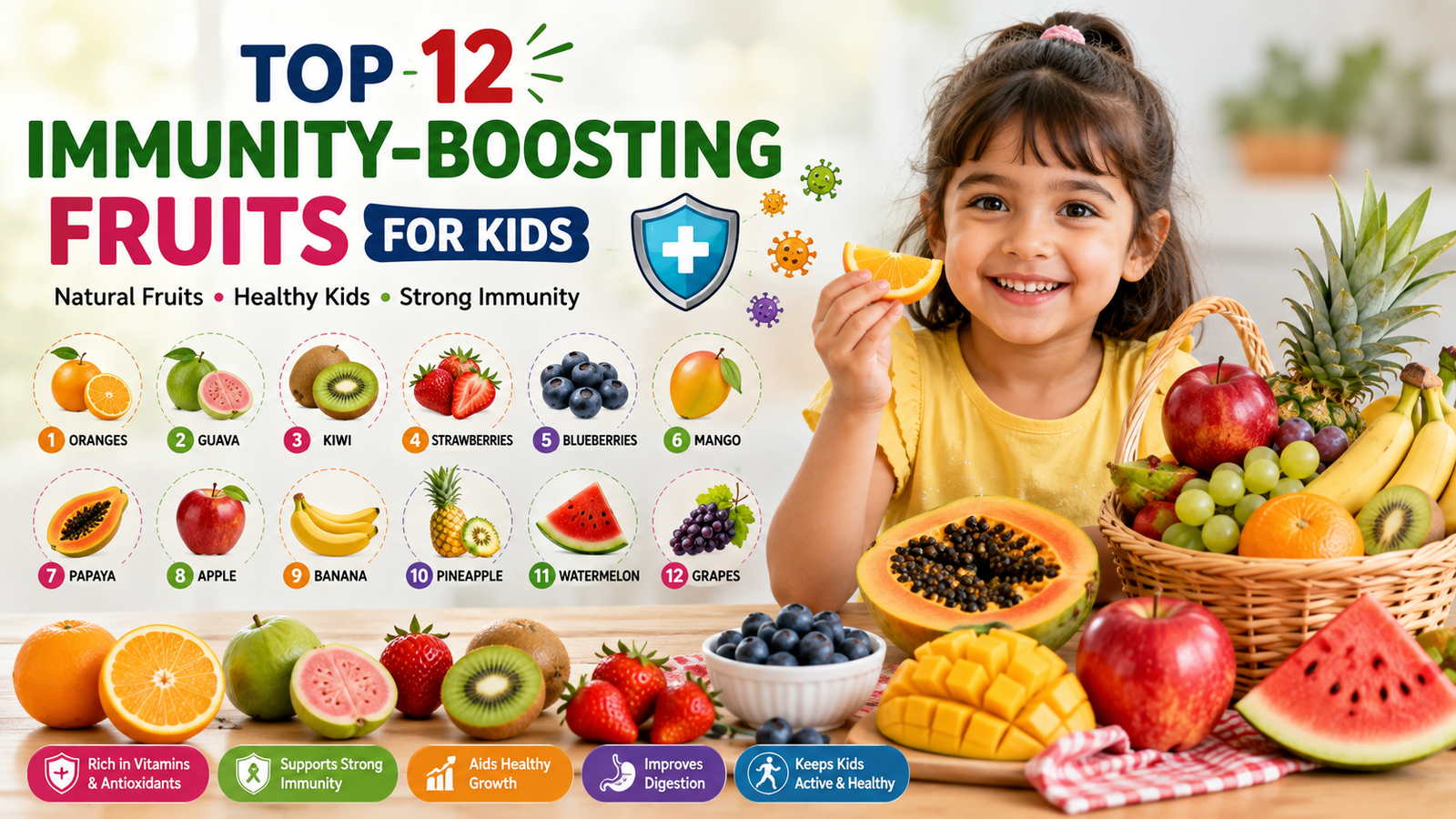
- Colorful fruits
- Bright vegetables
- Fun food shapes
- Attractive plates
Presentation can make healthy foods more interesting.
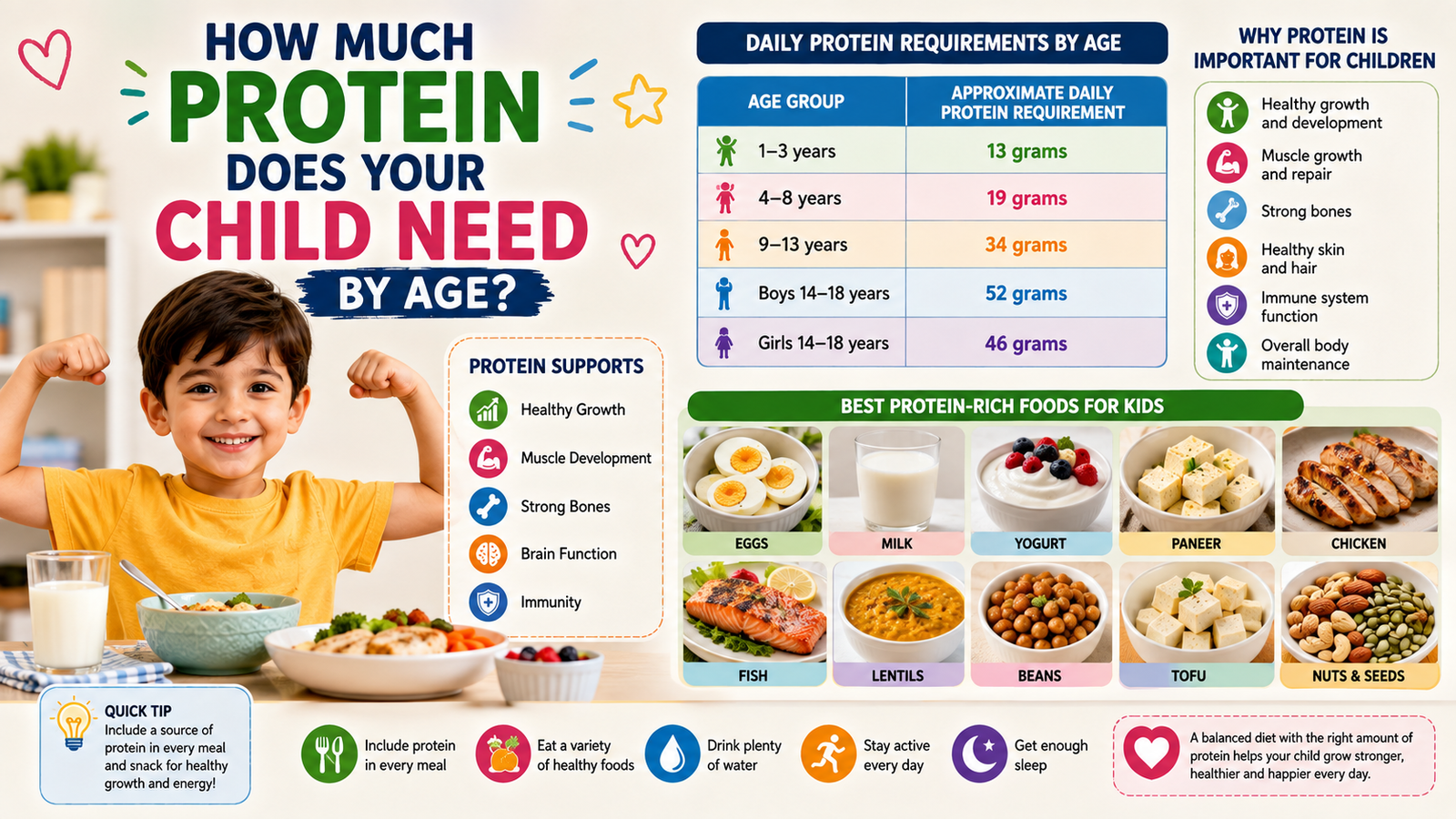
7. Include Protein in Every Meal
Protein helps support growth and keeps children satisfied.
Healthy protein sources include:
- Eggs
- Yogurt
- Paneer
- Chicken
- Fish
- Beans
- Lentils
8. Let Children Help Prepare Meals
Involving children in cooking may increase their interest in trying new foods.
Simple tasks include:
- Washing vegetables
- Mixing ingredients
- Arranging fruit
- Choosing healthy foods at the grocery store
9. Eat Together as a Family
Family meals encourage healthy eating habits.
Children often learn by watching parents and siblings enjoy nutritious foods.
10. Be Patient
Avoid forcing children to eat.
Instead:
- Offer healthy foods regularly.
- Stay calm during meals.
- Praise positive eating behaviors.
Children may need multiple opportunities before accepting new foods.
Appetite-Boosting Healthy Foods
Offer nutrient-rich foods such as:
- Bananas
- Mangoes
- Yogurt
- Cheese
- Eggs
- Oats
- Whole wheat bread
- Sweet potatoes
- Nuts and seeds (age-appropriate)
- Lentils
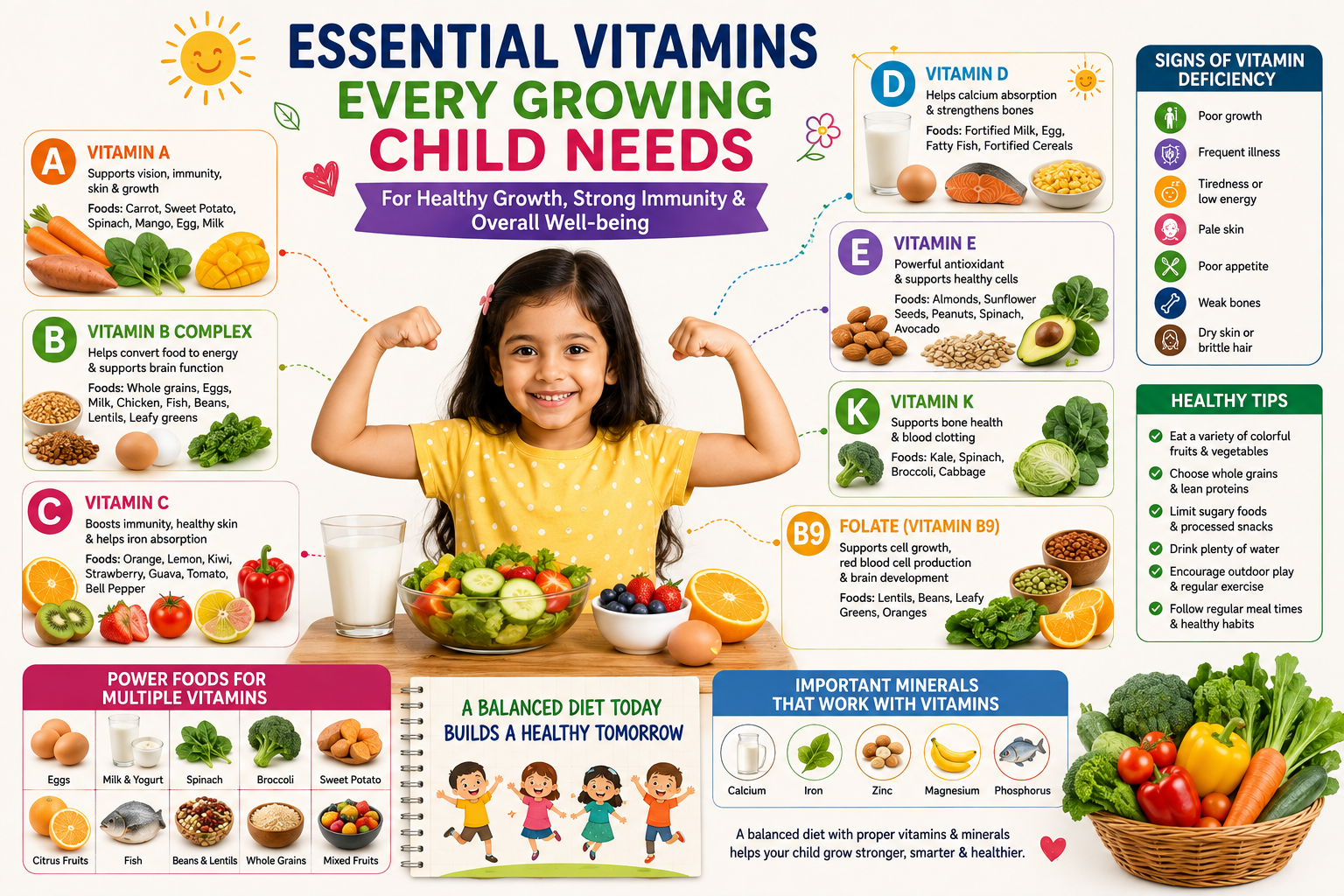
These foods provide energy, protein, vitamins, and minerals needed for healthy growth.
Foods to Avoid if Your Child Has a Poor Appetite
Some foods and drinks may reduce a child’s desire to eat nutritious meals when consumed too often.
Sugary Snacks
Limit:
- Candy
- Chocolate bars
- Cookies
- Cakes
- Sweet pastries
These foods may fill children up without providing the nutrients they need for healthy growth.
Sugary Drinks
Avoid giving excessive amounts of:
- Soft drinks
- Sweetened fruit drinks
- Energy drinks
Choose water or plain milk instead.
Too Much Juice
Although fruit juice may seem healthy, drinking large amounts can reduce hunger before meals.
Whole fruits are generally a better choice because they provide fiber and other important nutrients.
Fast Food
Fast food is often high in unhealthy fats, salt, and calories while being lower in essential nutrients.
Serve it only occasionally as part of a balanced diet.
Healthy Eating Habits for Better Appetite
Create a Calm Mealtime Environment
Avoid distractions such as:
- Television
- Mobile phones
- Tablets
Encourage family conversations during meals.
Don’t Force Your Child to Eat
Pressuring children to eat may create negative feelings around food.
Instead:
- Offer healthy choices.
- Allow children to decide how much they want to eat.
- Respect their hunger and fullness cues.
Introduce New Foods Gradually
Children may need to see a new food many times before accepting it.
Keep offering new foods alongside familiar favorites without forcing them.
Ensure Adequate Sleep
Children who get enough sleep are more likely to have healthy energy levels and regular eating patterns.
Monitor Growth
Regular health checkups help ensure your child is growing appropriately and receiving adequate nutrition.
Frequently Asked Questions
Is poor appetite normal in children?
Yes. Appetite often changes during childhood, especially during periods of slower growth or after minor illnesses. However, ongoing poor appetite or poor growth should be discussed with a healthcare professional.
Which foods naturally increase appetite?
There is no single food that guarantees a better appetite. A balanced diet that includes fruits, vegetables, whole grains, lean proteins, dairy or fortified alternatives, and healthy fats supports overall health and normal appetite.
Should I give appetite supplements?
Appetite stimulants or supplements should only be used if recommended by a qualified healthcare professional. Most children benefit from healthy eating habits rather than supplements.
Can exercise improve appetite?
Yes. Regular age-appropriate physical activity often helps children develop a healthy appetite while supporting overall growth and development.
When should I see a doctor?
Consult a healthcare professional if your child:
- Has ongoing poor appetite
- Is losing weight
- Is not growing as expected
- Has difficulty swallowing
- Shows signs of nutrient deficiencies
- Has persistent vomiting or diarrhea
Key Takeaways
- Temporary changes in appetite are common during childhood.
- Serve meals on a regular schedule and avoid excessive snacking.
- Offer balanced meals with protein, fruits, vegetables, whole grains, and healthy fats.
- Encourage physical activity, family meals, and a positive eating environment.
- Avoid forcing children to eat and seek medical advice if appetite problems are persistent or affect growth.
Conclusion
Helping your child develop a healthy appetite naturally is about creating positive eating habits rather than encouraging them to eat larger amounts of food. Offering balanced meals, maintaining a regular routine, encouraging physical activity, and making mealtimes enjoyable can support healthy eating behaviors over time. Every child is different, and appetite may vary from day to day, so patience and consistency are key.
If your child’s poor appetite continues for an extended period or is accompanied by poor growth, weight loss, or other concerning symptoms, consult a qualified pediatrician or registered dietitian. Early guidance can help identify any underlying issues and ensure your child receives the nutrition needed for healthy growth and development.