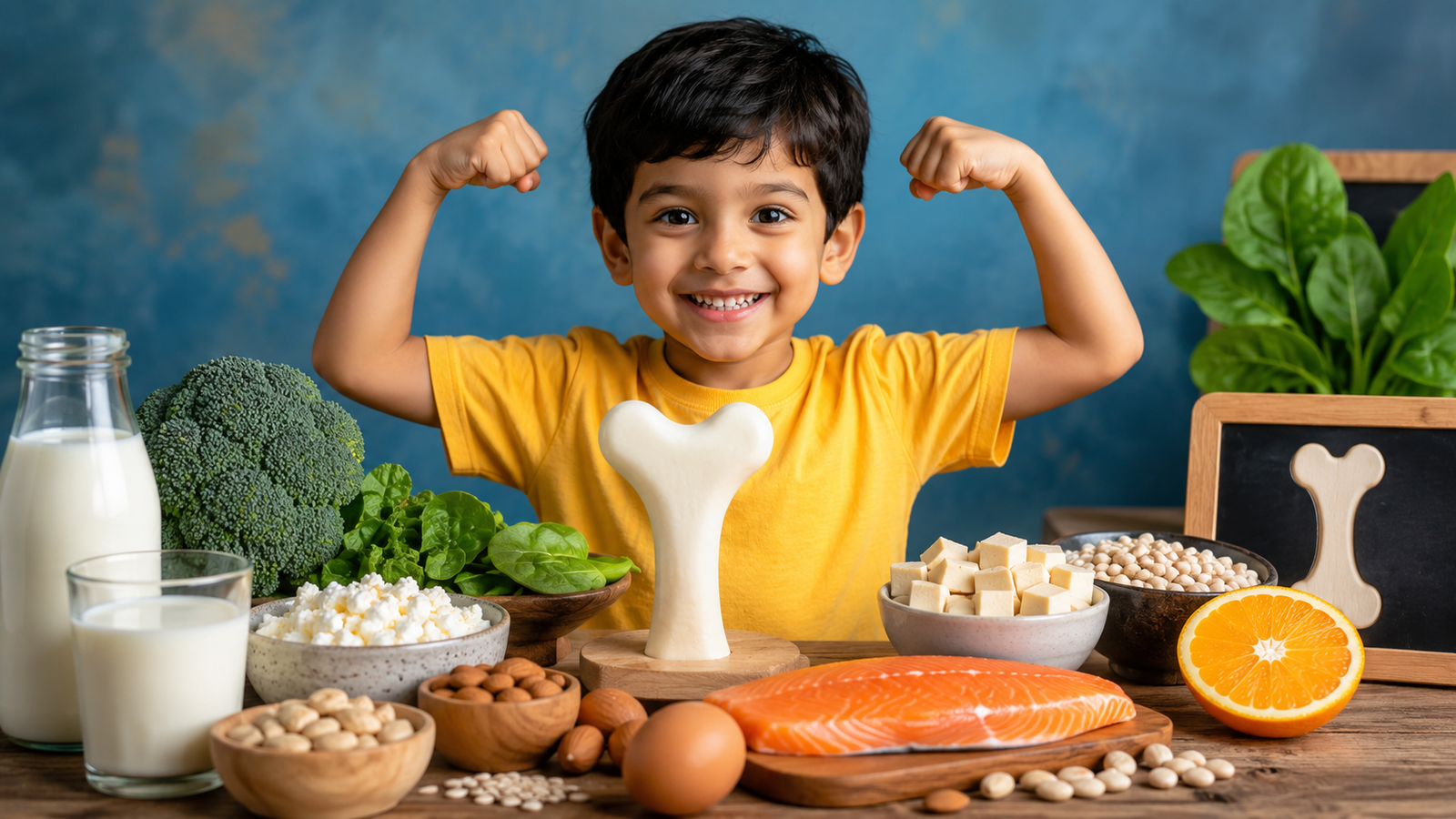
Best Foods to Build Strong Bones in Kids Naturally
Strong bones are the foundation of a child’s healthy growth and development. During childhood, bones grow rapidly and become stronger, making proper nutrition especially important. Providing children with nutrient-rich foods helps support bone formation, muscle development, and overall health.
While genetics and physical activity also play important roles, a balanced diet rich in calcium, vitamin D, protein, and other essential nutrients helps children develop healthy bones naturally.
Why Bone Health Is Important for Kids
Healthy bones help children:
- Grow properly
- Stay physically active
- Develop strong teeth
- Support muscles and joints
- Reduce the risk of nutrient deficiencies
- Build bone strength for adulthood
Good nutrition during childhood contributes to long-term bone health later in life.
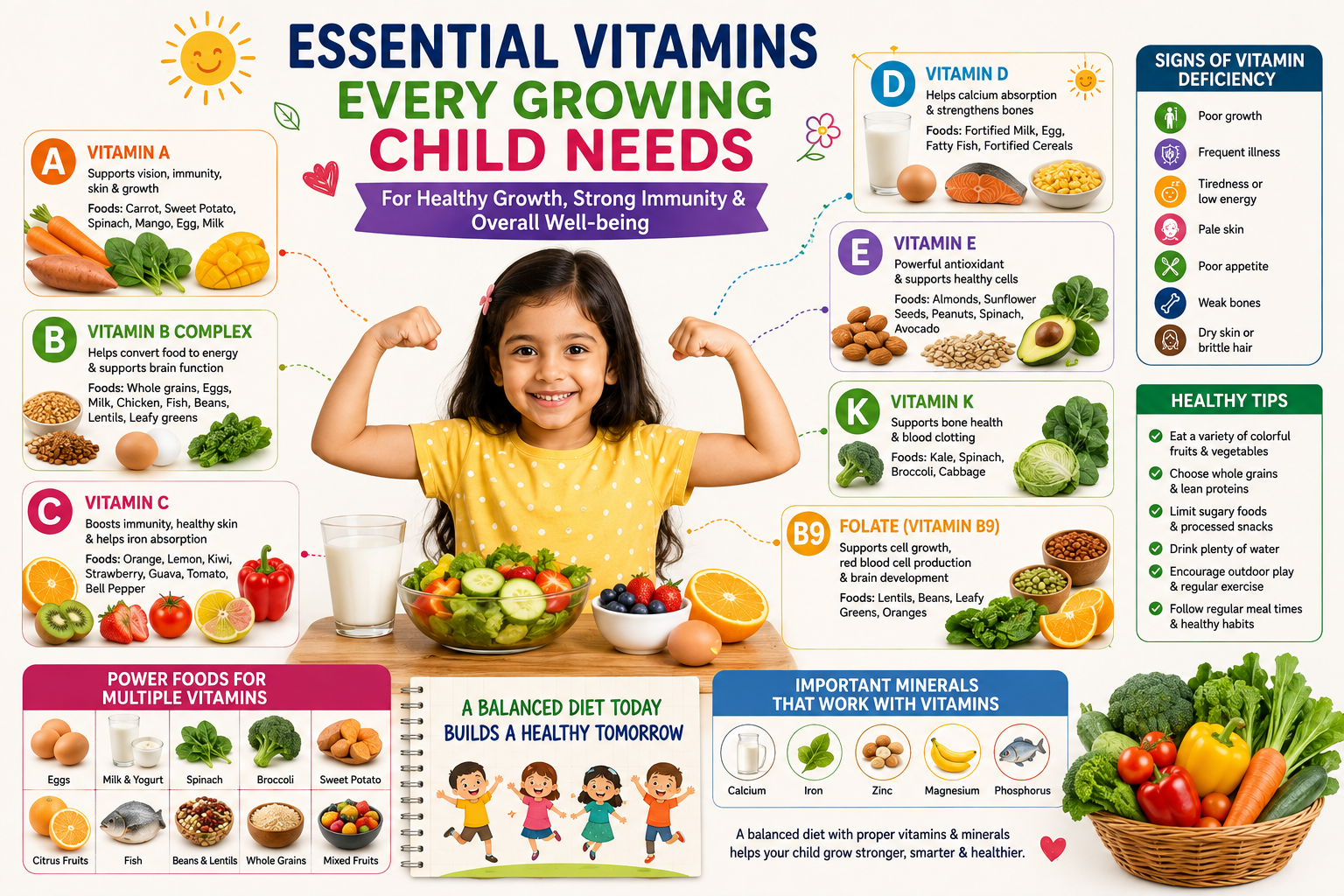
Essential Nutrients for Strong Bones
1. Calcium
Calcium is one of the most important minerals for healthy bones and teeth.
Good sources include:
- Milk
- Yogurt
- Cheese
- Fortified soy milk
- Tofu
- Broccoli
2. Vitamin D
Vitamin D helps the body absorb calcium effectively.
Sources include:
- Fortified dairy products
- Egg yolks
- Fatty fish
- Safe sunlight exposure
A healthcare professional may recommend supplements if necessary.
3. Protein
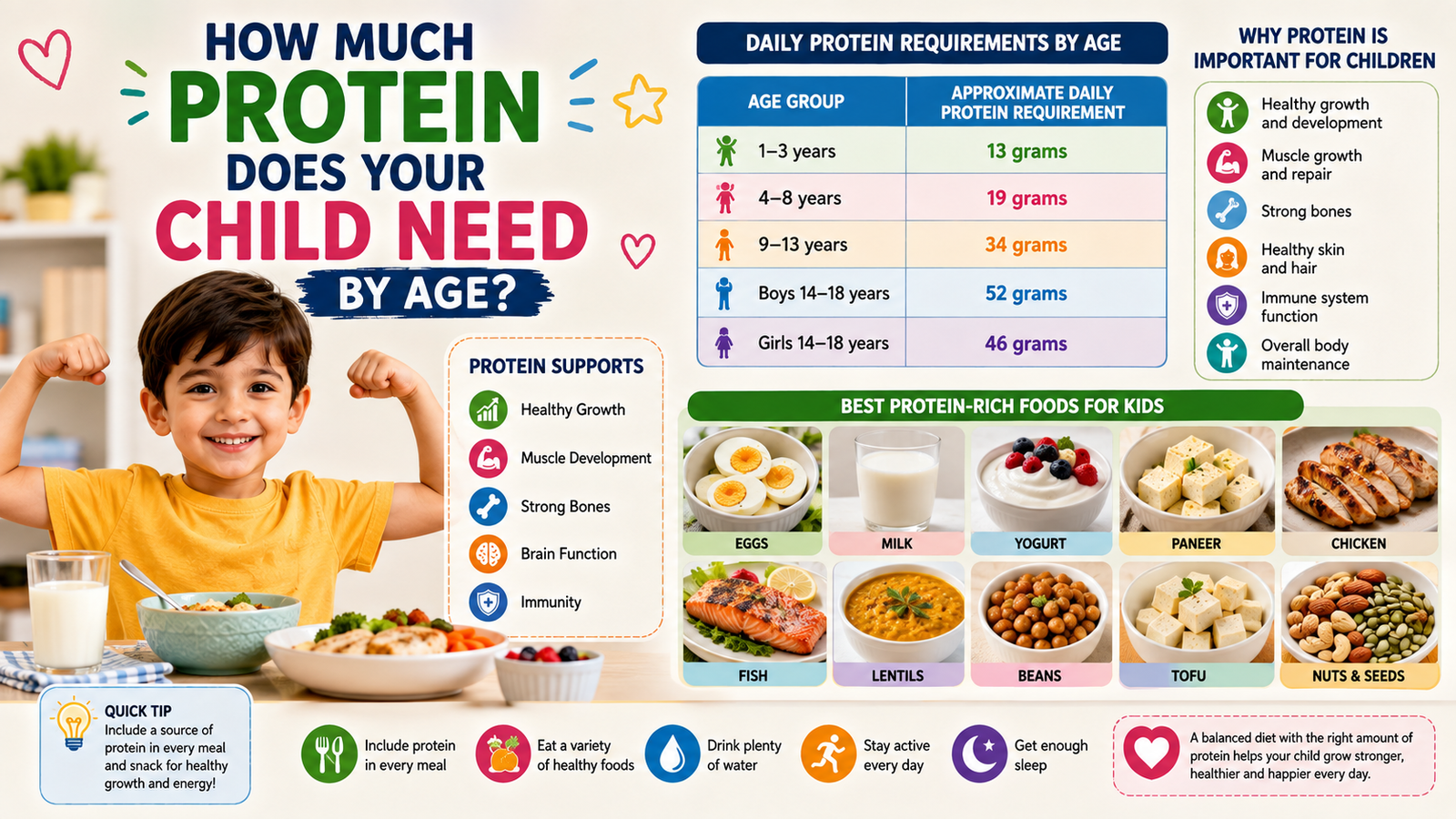
Protein supports the growth and repair of bones, muscles, and body tissues.
Healthy protein sources include:
- Eggs
- Chicken
- Fish
- Beans
- Lentils
- Tofu
- Yogurt
4. Magnesium
Magnesium helps maintain healthy bones and supports many body functions.
Foods rich in magnesium include:
- Nuts
- Seeds
- Whole grains
- Spinach
- Beans
5. Phosphorus
Phosphorus works together with calcium to build strong bones.
Sources include:
- Dairy products
- Fish
- Eggs
- Chicken
- Beans
Best Foods to Build Strong Bones Naturally
1. Milk
Milk provides:
- Calcium
- Protein
- Vitamin D (if fortified)
It is one of the most commonly recommended foods for growing children.
2. Yogurt
Yogurt contains:
- Calcium
- Protein
- Probiotics (if it contains live cultures)
Serve plain yogurt with fresh fruit for a healthy snack.
3. Cheese
Cheese is another excellent source of calcium and protein.
Choose moderate portions as part of a balanced diet.
4. Eggs
Eggs provide:
- Protein
- Vitamin D
- Phosphorus
They are a versatile addition to breakfast or lunch.
5. Salmon
Salmon is rich in:
- Vitamin D
- Protein
- Omega-3 fatty acids
Include fish regularly if it fits your family’s dietary preferences.
6. Leafy Green Vegetables
Healthy options include:
- Spinach
- Kale
- Broccoli
These vegetables provide calcium and other vitamins and minerals that support bone health.
7. Tofu
Fortified tofu can be an excellent plant-based source of calcium and protein.
8. Beans and Lentils
These foods provide:
- Protein
- Magnesium
- Phosphorus
- Fiber
They are nutritious choices for vegetarian families.
9. Almonds
Almonds contain:
- Magnesium
- Healthy fats
- Protein
Offer age-appropriate portions and avoid whole nuts for very young children due to choking risk.
10. Oranges
Oranges provide vitamin C, which supports collagen production—a key component of healthy bones and connective tissues.
Foods to Limit for Healthy Bones
Some foods can reduce the overall quality of a child’s diet if eaten too often. While occasional treats are fine, these foods should be limited as part of a balanced eating plan.
Sugary Drinks
Limit:
- Soft drinks
- Sweetened fruit drinks
- Energy drinks
Water and milk are healthier choices for growing children.
Highly Processed Foods
Reduce foods such as:
- Chips
- Instant noodles
- Fast food
- Packaged snacks
These foods are often high in sodium, unhealthy fats, and added sugars while providing fewer important nutrients.
Excess Salt
Eating too much salt may increase calcium loss from the body over time.
Choose fresh foods whenever possible and avoid adding excessive salt to meals.
Sugary Snacks
Limit:
- Candy
- Cakes
- Cookies
- Sweet pastries
These foods can replace healthier options that provide nutrients needed for strong bones.
Healthy Habits That Support Strong Bones
Nutrition is only one part of maintaining healthy bones. These habits also play an important role.
Encourage Daily Physical Activity
Weight-bearing activities help strengthen bones.
Examples include:
- Walking
- Running
- Jumping
- Playing outdoors
- Dancing
- Sports
Aim for regular age-appropriate physical activity every day.
Spend Safe Time Outdoors
Sunlight helps the body produce vitamin D, which supports calcium absorption.
Follow local health recommendations for safe sun exposure and use sun protection when appropriate.
Ensure Enough Sleep
Growing children need adequate sleep to support healthy growth, recovery, and overall development.
Maintain a Healthy Weight
A balanced diet and regular physical activity help children grow at a healthy pace and support bone development.
Frequently Asked Questions
Which food is richest in calcium for kids?
Milk, yogurt, cheese, fortified dairy alternatives, tofu, and some leafy green vegetables are among the best dietary sources of calcium.
Does vitamin D help build strong bones?
Yes. Vitamin D helps the body absorb calcium, making it essential for healthy bone growth and development.
Can children build strong bones without drinking milk?
Yes. Children who do not drink milk can obtain calcium from fortified plant-based beverages, tofu, yogurt alternatives (if fortified), leafy green vegetables, beans, and other calcium-rich foods. Speak with a healthcare professional if you are concerned about your child’s calcium intake.
How much exercise do children need for healthy bones?
Children benefit from regular physical activity every day. Activities such as running, jumping, climbing, and playing sports help strengthen bones.
Are supplements necessary?
Most healthy children can meet their nutritional needs through a balanced diet. Calcium or vitamin D supplements should only be used if recommended by a qualified healthcare professional.
Key Takeaways
- Strong bones develop through a combination of healthy nutrition, regular physical activity, and adequate sleep.
- Important nutrients include calcium, vitamin D, protein, magnesium, and phosphorus.
- Healthy foods include milk, yogurt, cheese, eggs, salmon, leafy green vegetables, beans, lentils, tofu, almonds, and oranges.
- Limit sugary drinks, processed foods, excessive salt, and sugary snacks.
- Encourage active play and safe outdoor time to support healthy bone development.
Conclusion
Building strong bones during childhood is one of the best investments in your child’s long-term health. A balanced diet rich in calcium, vitamin D, protein, and other essential nutrients helps support healthy bone growth, while regular physical activity strengthens bones naturally. By offering nutritious meals, encouraging outdoor play, and creating healthy daily habits, parents can help children develop strong bones that support them throughout life.
Remember that every child grows differently, and nutritional needs may vary based on age, activity level, and overall health. If you have concerns about your child’s growth, diet, or bone health, consult a qualified pediatrician or registered dietitian for personalized guidance.