Nutrition for Toddlers
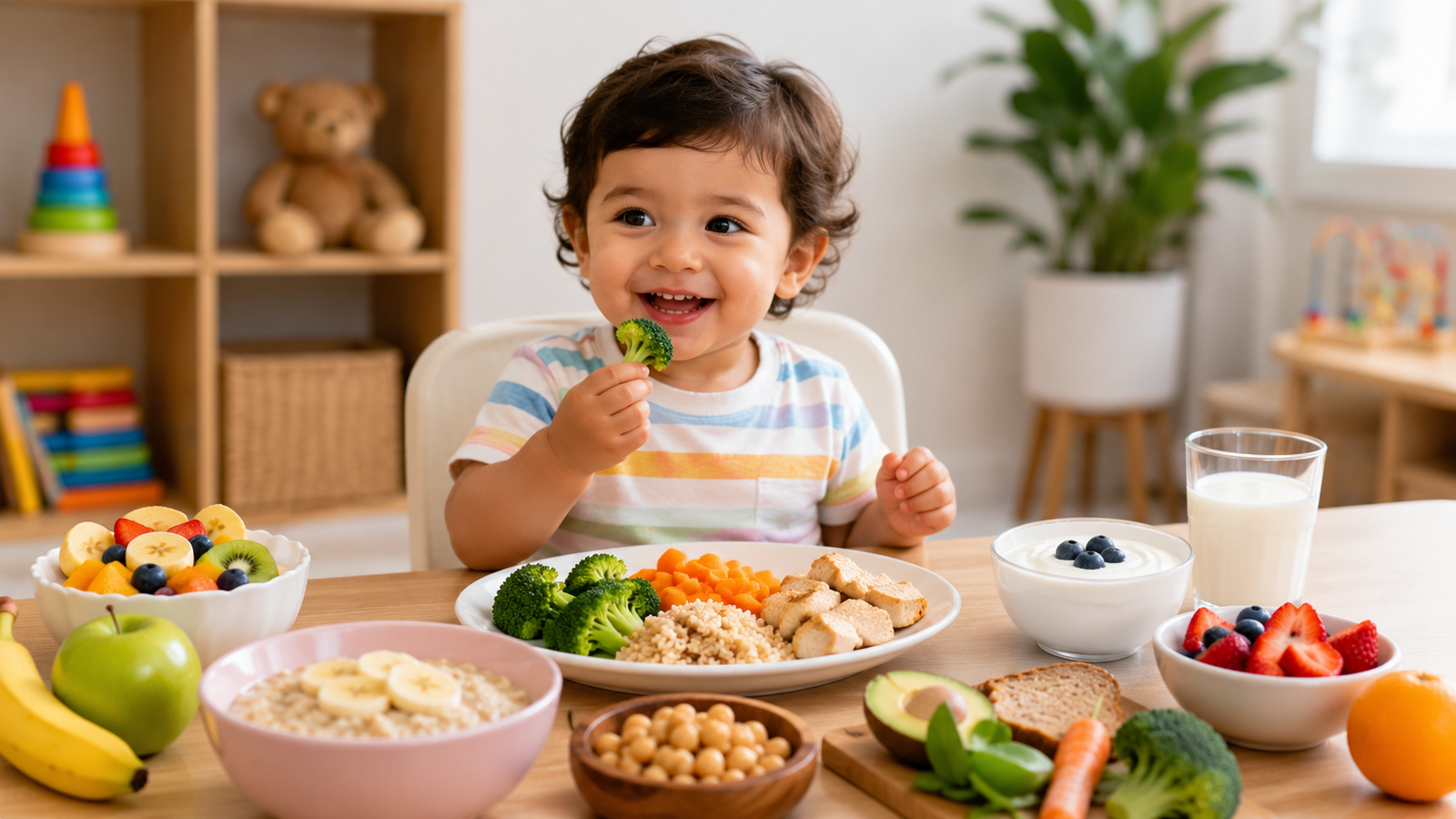
The toddler years are a time of rapid growth, learning, and development. Children between the ages of 1 and 3 years need a balanced diet that provides the energy and nutrients required for healthy bones, brain development, strong muscles, and a healthy immune system.
Toddlers are also developing food preferences during this stage. Offering a variety of nutritious foods helps establish healthy eating habits that can last a lifetime.
Why Good Nutrition Is Important for Toddlers
Proper nutrition supports many aspects of a toddler’s health, including:
- Healthy physical growth
- Brain development
- Strong bones and teeth
- Healthy immune function
- Muscle development
- Energy for play and learning
A balanced diet also helps reduce the risk of nutrient deficiencies.
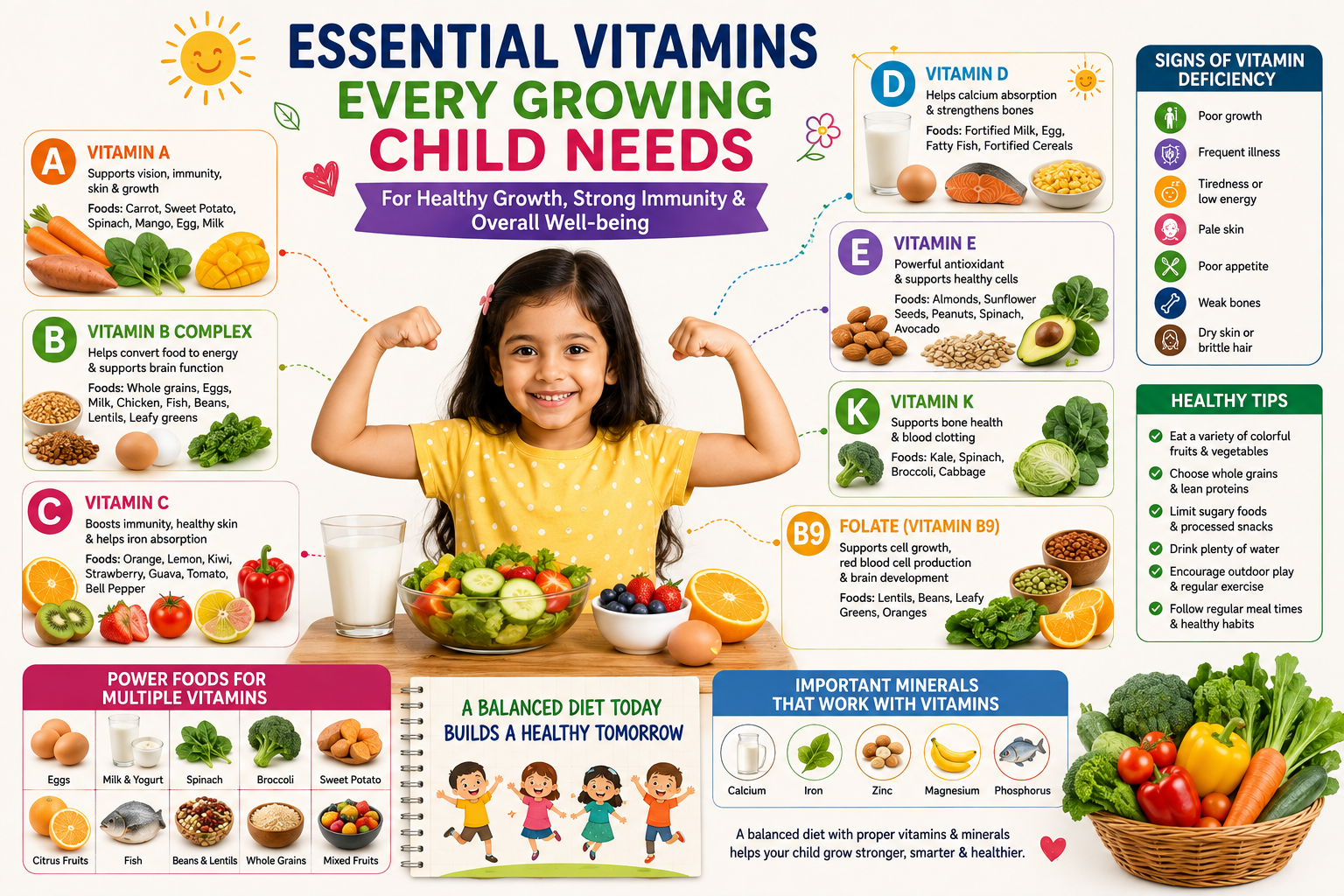
Essential Nutrients for Toddlers
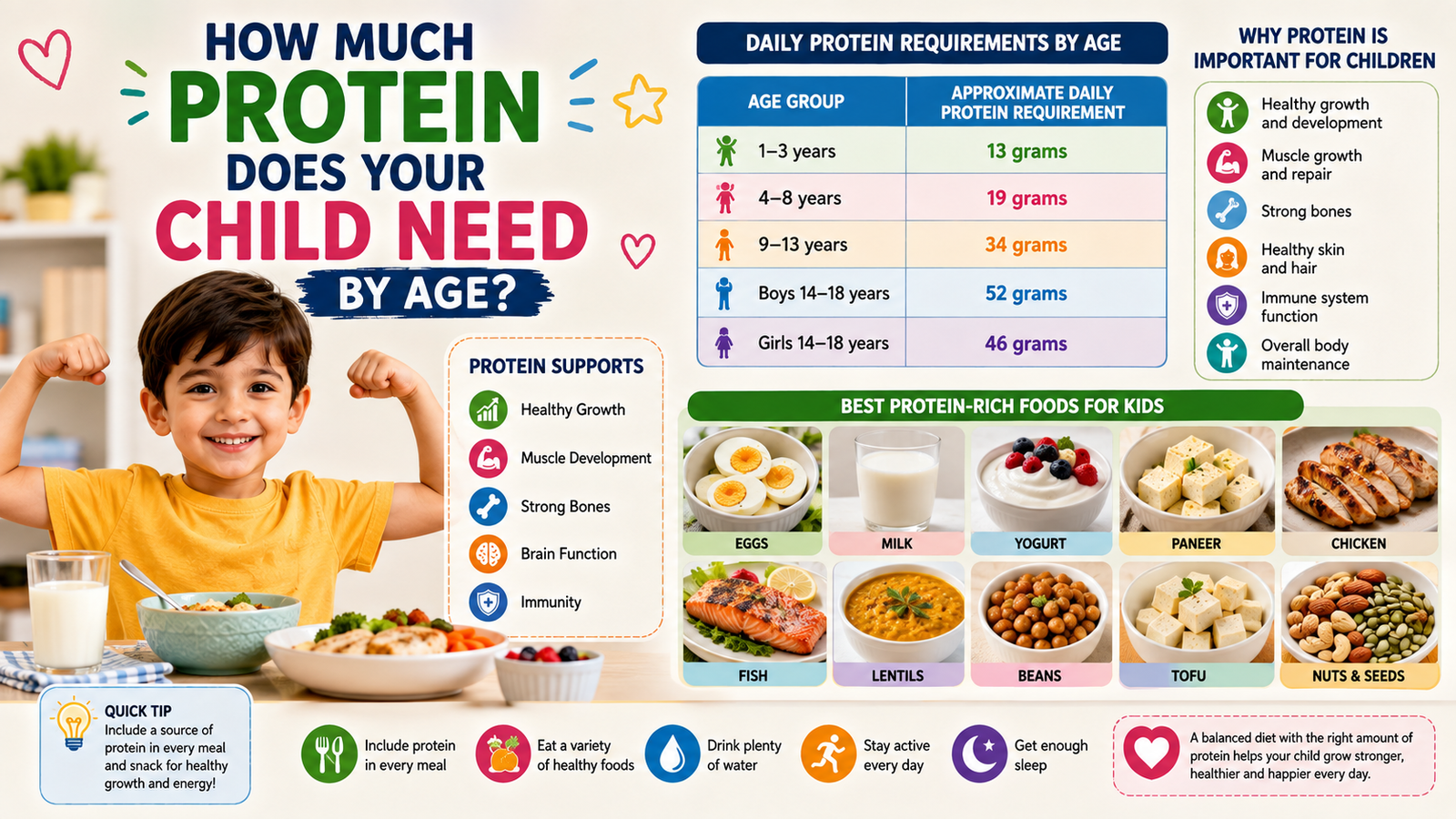
1. Protein
Protein helps build muscles and repair body tissues.
Healthy protein sources include:
- Eggs
- Chicken
- Fish
- Lean meat
- Beans
- Lentils
- Tofu
- Yogurt
2. Calcium
Calcium supports healthy bones and teeth.
Good sources include:
- Milk
- Cheese
- Yogurt
- Fortified soy milk
- Tofu
- Broccoli
3. Vitamin D
Vitamin D helps the body absorb calcium and supports bone health.
Sources include:
- Fortified milk
- Fatty fish
- Egg yolks
- Safe sunlight exposure
Your child’s healthcare provider may recommend supplements if needed.
4. Iron
Iron supports healthy red blood cells and brain development.
Iron-rich foods include:
- Lean meat
- Chicken
- Beans
- Lentils
- Spinach
- Fortified cereals
Serving vitamin C-rich foods alongside iron-rich foods may improve iron absorption.
5. Healthy Fats
Healthy fats are important for brain development.
Choose foods such as:
- Avocados
- Nut butters (if age-appropriate and no allergy)
- Olive oil
- Fatty fish
- Seeds
6. Fiber
Fiber supports healthy digestion.
Sources include:
- Fruits
- Vegetables
- Whole grains
- Beans
Offer plenty of water alongside high-fiber foods.
Healthy Foods for Toddlers
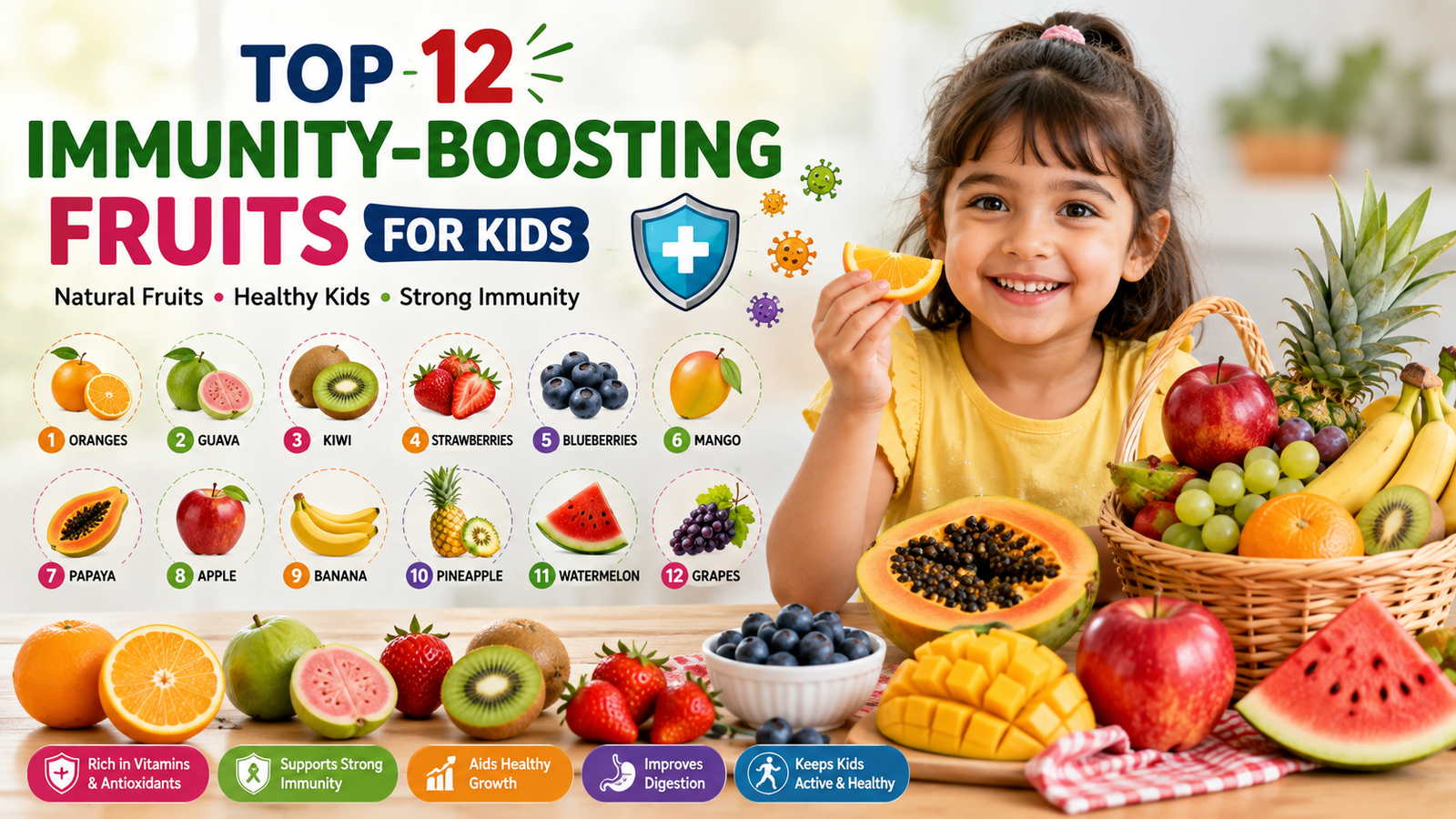
Fruits
Offer different fruits throughout the week, including:
- Bananas
- Apples
- Berries
- Mangoes
- Oranges
- Pears
Cut foods into age-appropriate pieces to reduce choking risk.
Vegetables
Serve colorful vegetables such as:
- Carrots
- Peas
- Broccoli
- Sweet potatoes
- Spinach
- Bell peppers
Try serving vegetables in different forms, such as steamed, roasted, or mixed into soups.
Whole Grains
Healthy choices include:
- Oatmeal
- Brown rice
- Whole wheat bread
- Whole grain pasta
Whole grains provide energy and fiber.
Dairy Foods
If dairy is tolerated, include:
- Milk
- Yogurt
- Cheese
These foods provide calcium and protein.
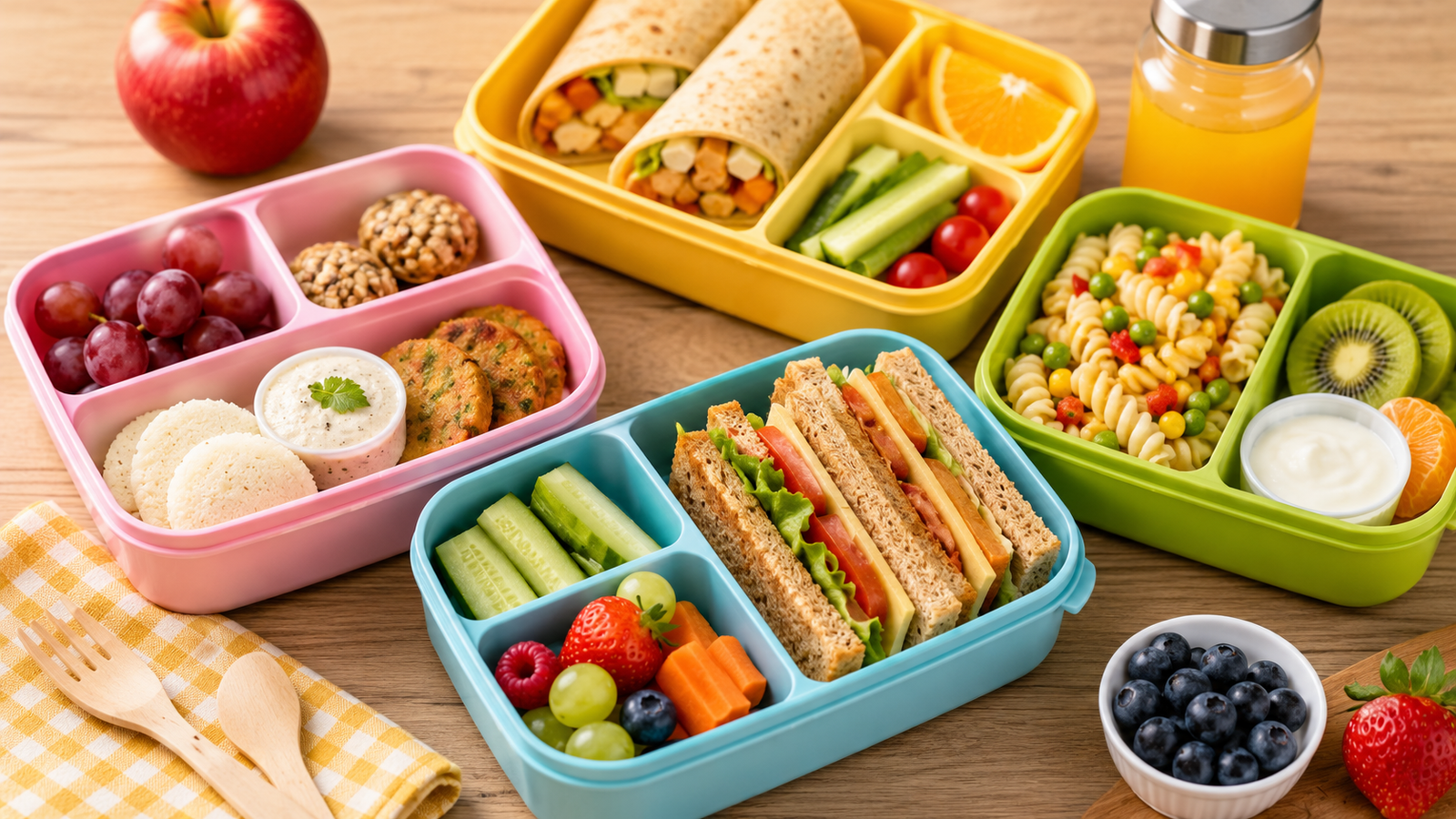
Healthy Snacks
Nutritious snack ideas include:
- Fresh fruit
- Yogurt
- Cheese cubes
- Whole-grain crackers
- Vegetable sticks
- Boiled eggs
Healthy snacks help meet a toddler’s nutritional needs between meals.
How Much Should Toddlers Eat?
Toddlers have small stomachs, so they usually eat:
- Three balanced meals each day
- Two to three healthy snacks
Appetite may vary from day to day, which is a normal part of growth and development. Encourage children to eat according to their hunger and fullness cues rather than forcing them to finish every meal.
Foods to Limit
While occasional treats are acceptable, toddlers should not consume large amounts of foods that are high in added sugar, salt, or unhealthy fats.
Sugary Foods
Limit foods such as:
- Candy
- Cakes
- Cookies
- Chocolate bars
- Sweet pastries
Too much added sugar can contribute to tooth decay and reduce appetite for nutritious foods.
Sugary Drinks
Avoid or limit:
- Soft drinks
- Sweetened fruit drinks
- Energy drinks
Water and milk are healthier beverage choices for toddlers.
Highly Processed Foods
Limit foods such as:
- Chips
- Instant noodles
- Fast food
- Packaged salty snacks
These foods often contain high amounts of sodium and unhealthy fats while providing fewer essential nutrients.
Foods That Pose a Choking Risk
Young children can choke on certain foods.
Examples include:
- Whole grapes
- Whole nuts
- Popcorn
- Hard candies
- Large chunks of raw vegetables
Always prepare food in age-appropriate sizes and supervise children while they eat.
Healthy Feeding Tips for Toddlers
Offer a Variety of Foods
Introduce different fruits, vegetables, grains, and proteins regularly.
Even if your child refuses a food at first, continue offering it without pressure.
Let Toddlers Feed Themselves
Encouraging self-feeding helps develop independence and motor skills.
Offer child-friendly utensils and finger foods when appropriate.
Keep Meal Times Positive
Avoid forcing your child to eat.
Instead:
- Eat together as a family.
- Praise healthy choices.
- Create a calm mealtime environment.
Maintain a Regular Meal Schedule
Serve meals and snacks at consistent times each day.
A predictable routine helps toddlers develop healthy eating habits.
Encourage Water Throughout the Day
Water is the best drink to keep toddlers hydrated between meals.
Frequently Asked Questions
How much milk does a toddler need?
Most toddlers need dairy or fortified alternatives as part of a balanced diet, but exact amounts depend on age and individual nutritional needs. Your pediatrician can provide guidance based on your child’s growth and health.
Is picky eating normal?
Yes. Many toddlers become selective eaters as they learn to express independence. Continue offering a variety of healthy foods without forcing them to eat.
Should toddlers take vitamin supplements?
Most toddlers receive the nutrients they need from a balanced diet. Supplements should only be given if recommended by a qualified healthcare professional.
Can toddlers eat the same food as adults?
Yes, as long as the food is healthy, prepared safely, and cut into small, age-appropriate pieces. Avoid foods that are very spicy, high in salt, or pose a choking hazard.
How can I encourage my toddler to eat vegetables?
Try:
- Serving vegetables with favorite meals.
- Offering colorful vegetables.
- Cutting them into fun shapes.
- Letting your child help prepare meals.
- Being patient and offering vegetables repeatedly.
Key Takeaways
- Toddlers need a balanced diet to support healthy growth and development.
- Include fruits, vegetables, whole grains, lean proteins, dairy or fortified alternatives, and healthy fats.
- Offer three balanced meals and two to three healthy snacks each day.
- Limit sugary foods, sugary drinks, and highly processed snacks.
- Encourage positive mealtime experiences and allow toddlers to explore new foods at their own pace.
Conclusion
Good nutrition during the toddler years lays the foundation for lifelong health. Offering a wide variety of nutritious foods helps support healthy growth, brain development, strong bones, and a healthy immune system. Because toddlers are still developing their eating habits, patience and consistency are essential. Repeated exposure to healthy foods, along with positive family mealtimes, can help children become more confident and adventurous eaters.
Every child grows and eats differently, so focus on providing balanced meals rather than expecting perfect eating habits every day. If you have concerns about your toddler’s growth, appetite, or nutrition, seek guidance from a qualified pediatrician or registered dietitian to ensure your child receives the nutrients needed for healthy development.