Best Foods During Exam Time
Exams can be stressful for students, and proper nutrition plays an important role in supporting concentration, memory, and overall energy levels. While no single food can guarantee better exam results, eating a balanced diet helps the brain function efficiently and keeps the body energized throughout long study sessions.
Choosing healthy meals instead of sugary snacks or processed foods can improve focus, stabilize energy levels, and support overall well-being during exam season.
Why Nutrition Matters During Exams
The brain requires a constant supply of nutrients to function properly.
A healthy diet can help support:
- Better concentration
- Improved memory
- Stable energy levels
- Healthy brain function
- Reduced fatigue
- Overall physical health
Good nutrition works best when combined with enough sleep, regular physical activity, and effective study habits.
Best Foods to Eat During Exam Time
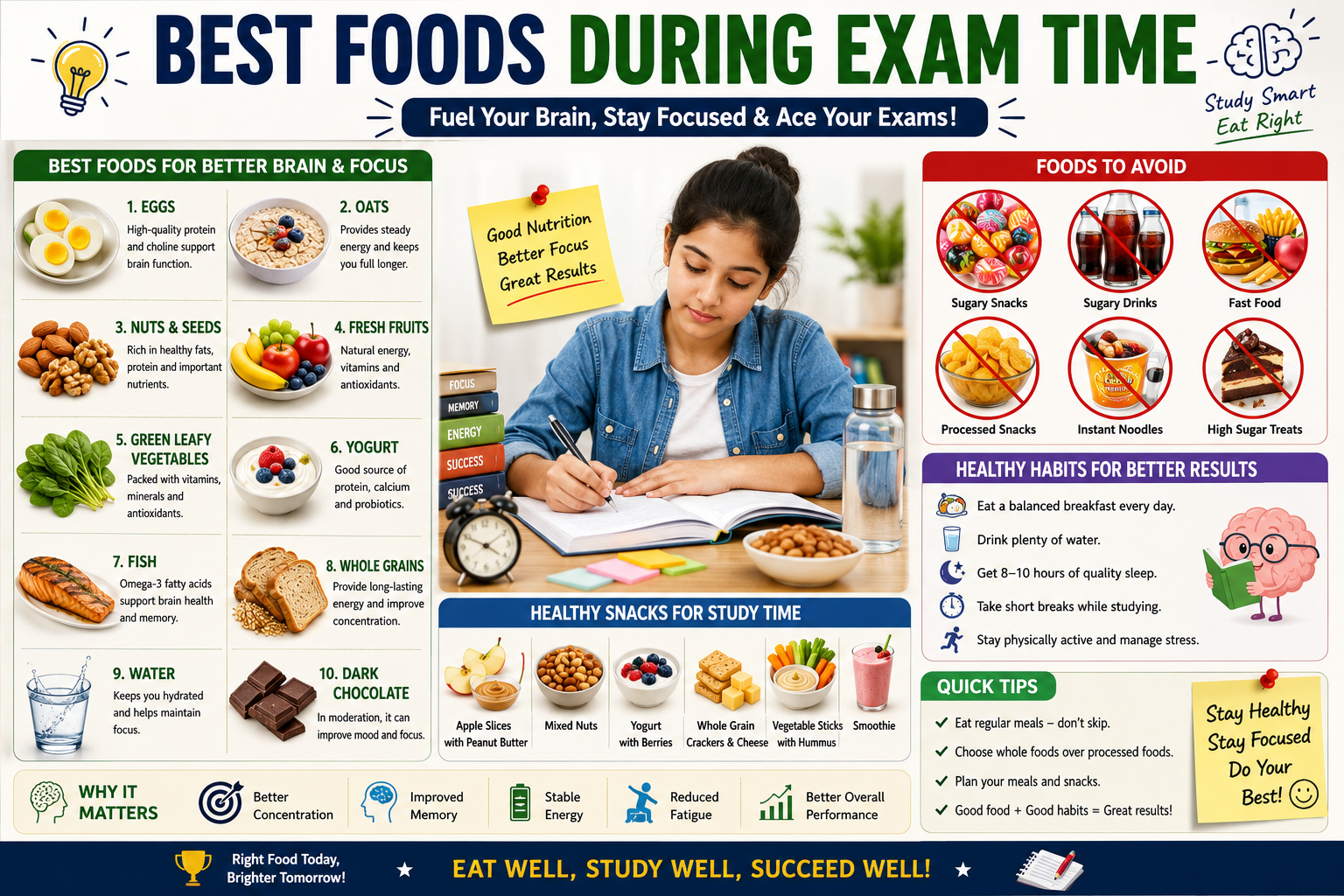
1. Eggs
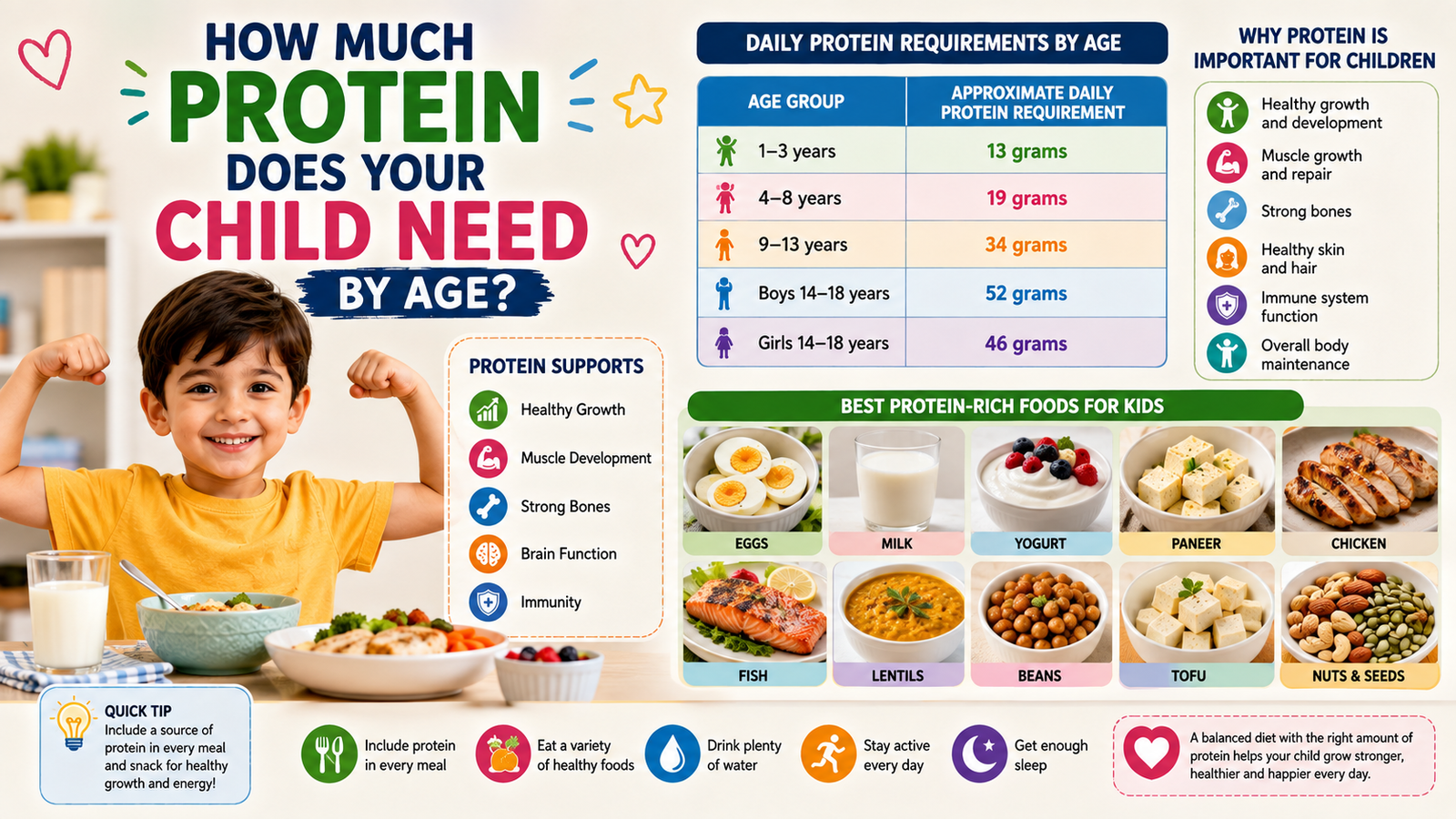
Eggs are an excellent source of high-quality protein and contain nutrients such as choline, which supports normal brain function.
Benefits include:
- Long-lasting energy
- Protein for sustained fullness
- Supports healthy brain function
Try boiled eggs, scrambled eggs, or omelets.
2. Oats
Oats provide complex carbohydrates that release energy gradually.
Benefits include:
- Steady energy
- High fiber
- Helps you stay full longer
A bowl of oatmeal with fruit makes a healthy breakfast before studying.
3. Nuts and Seeds
Healthy options include:
- Almonds
- Walnuts
- Pumpkin seeds
- Sunflower seeds
- Chia seeds
These foods provide healthy fats, protein, and important vitamins and minerals.
Enjoy them in moderate portions as a snack.
4. Fresh Fruits
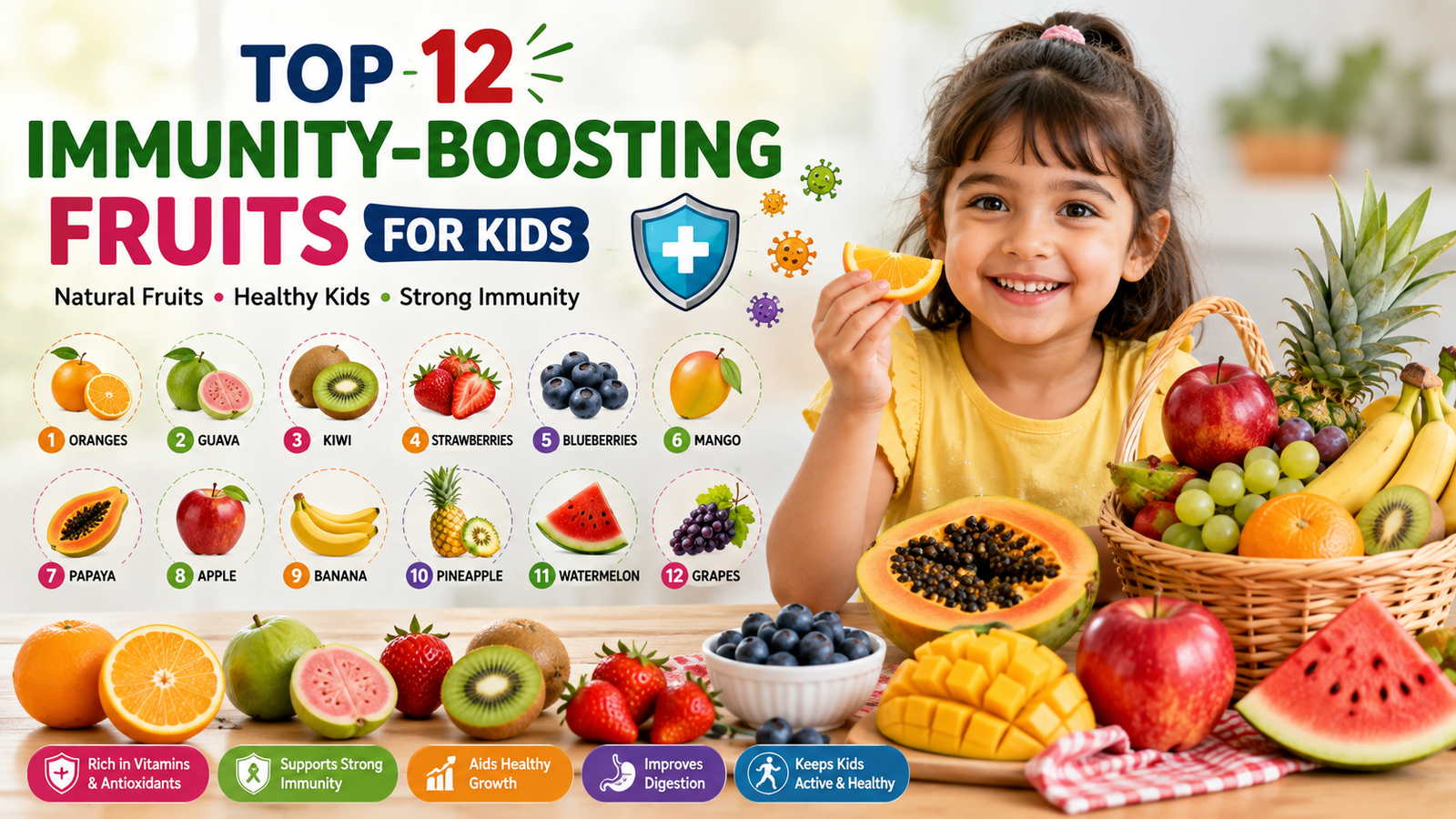
Fruits provide vitamins, antioxidants, natural sugars, and fiber.
Excellent choices include:
- Bananas
- Apples
- Blueberries
- Oranges
- Strawberries
- Grapes
Fruit makes a convenient and nutritious study snack.
5. Green Leafy Vegetables
Vegetables such as:
- Spinach
- Kale
- Broccoli
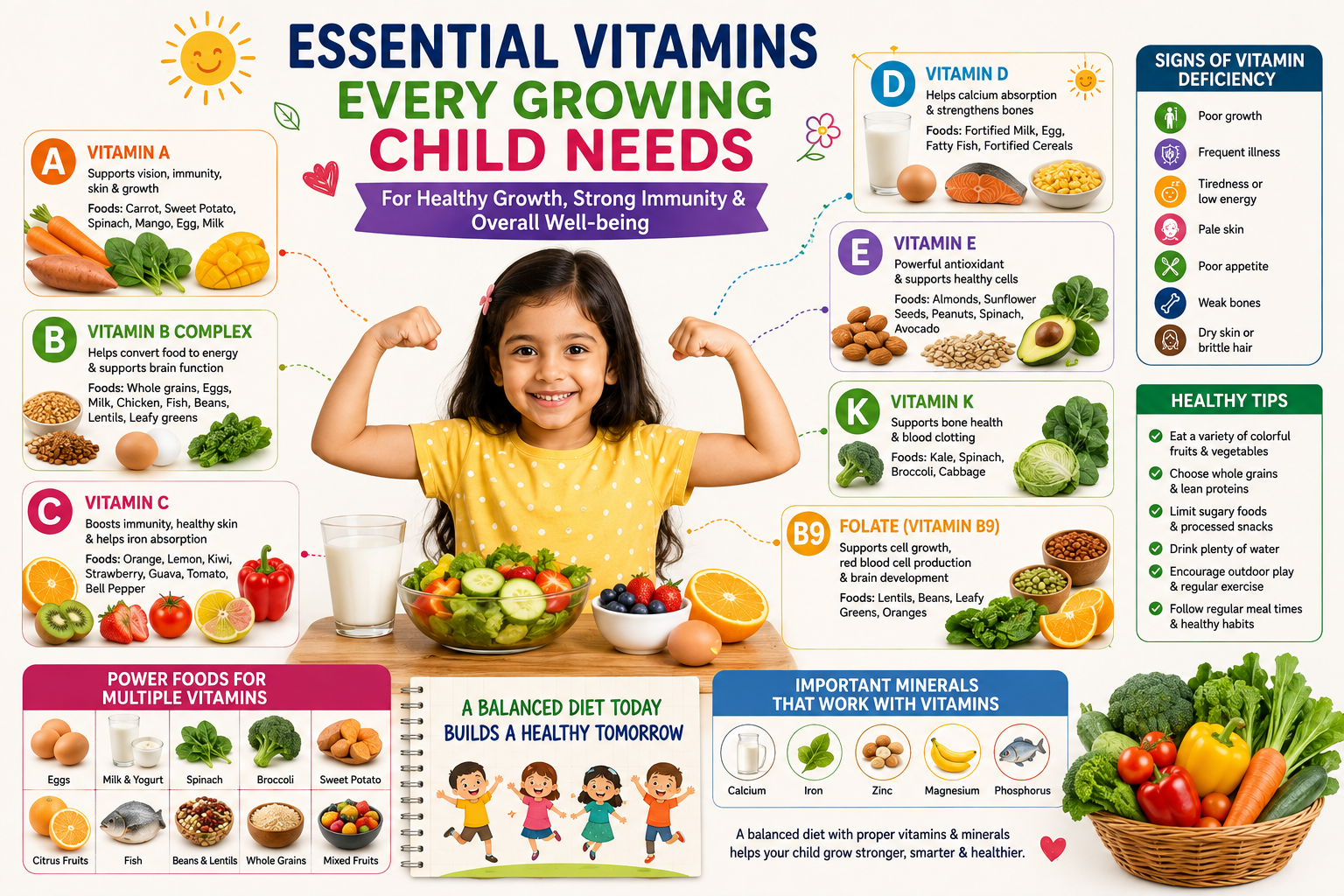
Provide vitamins, minerals, and antioxidants that support overall health.
Include vegetables in lunch or dinner for balanced nutrition.
6. Yogurt
Plain yogurt provides:
- Protein
- Calcium
- Probiotics (if it contains live cultures)
Pair yogurt with fruit or oats for a healthy snack.
7. Fish
Fatty fish such as salmon contain omega-3 fatty acids that are important for normal brain function.
Aim to include fish regularly if appropriate for your dietary preferences.
8. Whole Grains
Choose:
- Brown rice
- Whole wheat bread
- Whole grain pasta
- Quinoa
Whole grains provide long-lasting energy compared with refined carbohydrates.
9. Water
Hydration is essential for concentration and overall health.
Drink water regularly throughout the day, especially during long study sessions.
10. Dark Chocolate (In Moderation)
A small amount of dark chocolate can be an enjoyable occasional treat.
Choose products with a high cocoa content and consume them in moderation as part of a balanced diet.
Healthy Snacks for Studying
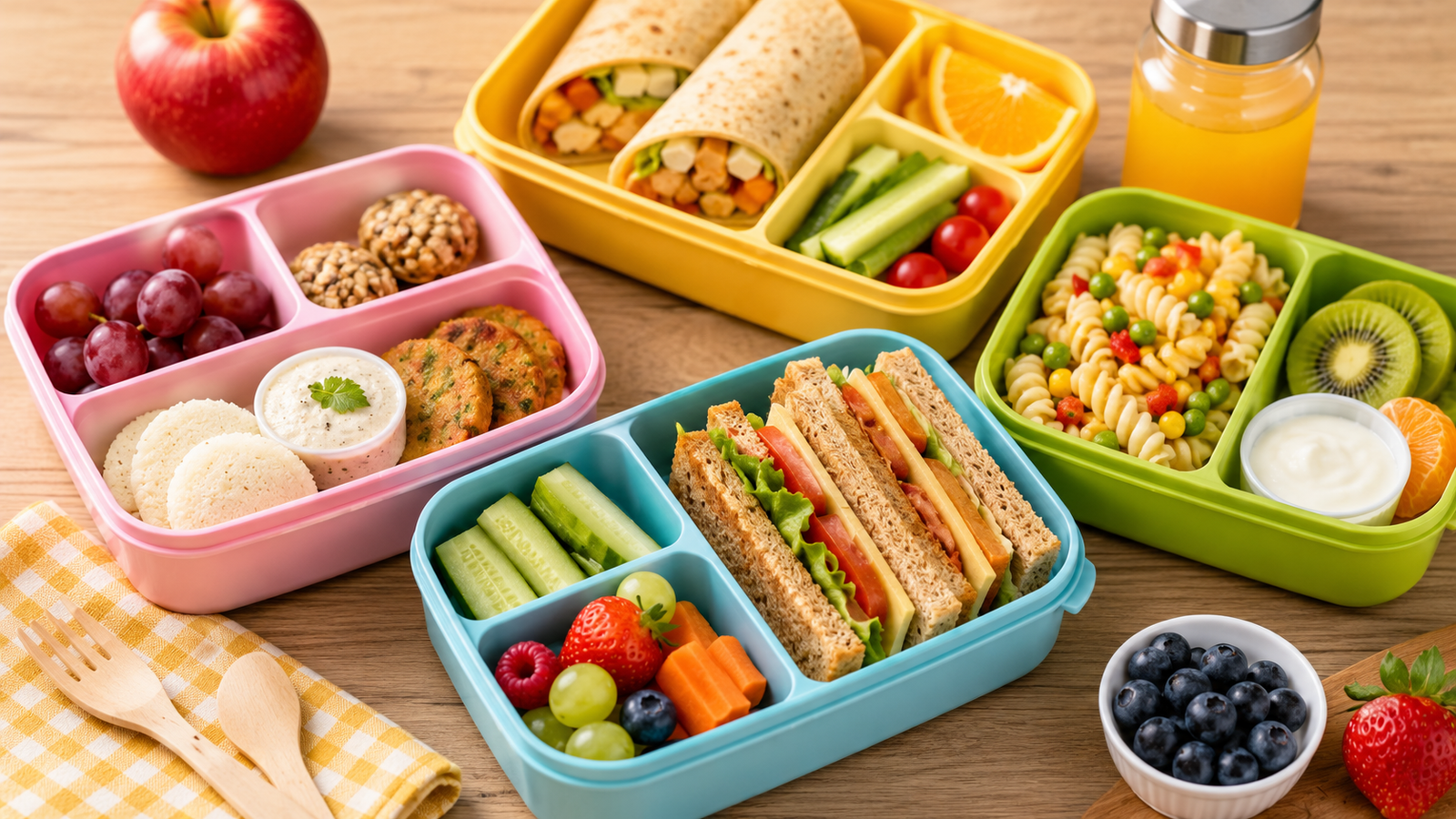
Instead of sugary snacks, try:
- Apple slices with peanut butter
- Mixed nuts
- Fresh fruit
- Yogurt with berries
- Whole-grain crackers with cheese
- Homemade smoothies
- Vegetable sticks with hummus
These snacks provide more sustained energy than highly processed foods.
Foods to Avoid During Exam Time
Some foods and drinks can cause rapid changes in energy levels or make it harder to stay focused. Limiting these items during exam preparation may help you maintain steady energy throughout the day.
Sugary Snacks
Foods high in added sugar may provide a quick burst of energy followed by a sudden drop.
Examples include:
- Candy
- Cakes
- Cookies
- Chocolate bars
- Sweet pastries
Choose fruit or yogurt instead for a more balanced snack.
Sugary Drinks
Avoid drinking large amounts of:
- Soft drinks
- Energy drinks
- Sweetened fruit drinks
Water, milk, or unsweetened beverages are healthier choices.
Fast Food
Fast food is often high in:
- Saturated fat
- Salt
- Calories
Eating too much may leave you feeling sluggish instead of energized.
Highly Processed Snacks
Limit foods such as:
- Chips
- Instant noodles
- Packaged fried snacks
These foods provide fewer essential nutrients than whole foods.
Healthy Study Habits Along with Good Nutrition
Healthy eating works best when combined with other positive lifestyle habits.
Eat Breakfast
A nutritious breakfast can help support concentration and energy during morning classes or study sessions.
Healthy ideas include:
- Oatmeal with fruit
- Eggs and whole-grain toast
- Yogurt with berries
- Whole-grain cereal with milk
Stay Hydrated
Drink water regularly throughout the day.
Even mild dehydration can affect concentration and make you feel tired.
Get Enough Sleep
Sleep is important for learning and memory.
Most school-age children and teenagers need 8–10 hours of sleep each night, depending on their age.
Avoid staying up late to study whenever possible.
Take Study Breaks
Studying for long periods without breaks can reduce focus.
Try taking a short break every 45–60 minutes to:
- Stretch
- Walk around
- Drink water
- Rest your eyes
Stay Physically Active
Regular physical activity supports overall health and can help reduce stress.
Simple activities include:
- Walking
- Cycling
- Playing outdoor games
- Stretching exercises
Frequently Asked Questions
Which fruit is best during exam time?
There is no single “best” fruit. Bananas, berries, oranges, apples, and grapes are all nutritious choices that provide vitamins, fiber, and natural carbohydrates.
Can chocolate improve exam performance?
Dark chocolate can be enjoyed in moderation as part of a balanced diet, but it is not a substitute for healthy eating, sleep, or effective study habits.
Should students skip meals while studying?
No. Skipping meals may lead to low energy levels and make it harder to concentrate. Eating regular, balanced meals helps support learning and focus.
Is coffee good for students during exams?
Older teenagers and adults who already consume caffeine should use it in moderation. Younger children generally should not rely on caffeinated drinks for studying. Water and healthy meals remain the best way to maintain energy.
Are supplements needed during exam time?
Most students can meet their nutritional needs through a balanced diet. Vitamin or mineral supplements should only be taken if recommended by a qualified healthcare professional.
Key Takeaways
- A balanced diet supports concentration, memory, and steady energy during exam preparation.
- Include foods such as eggs, oats, fruits, vegetables, whole grains, nuts, yogurt, and fish.
- Drink plenty of water and avoid excessive sugary snacks and highly processed foods.
- Eat regular meals, get enough sleep, and stay physically active.
- Healthy nutrition supports learning but should be combined with good study habits for the best results.
Conclusion
Eating well during exam time is an important part of supporting both physical and mental performance. Nutritious foods provide the brain with the energy and essential nutrients it needs for concentration, memory, and learning. Simple choices like eating breakfast, choosing healthy snacks, staying hydrated, and avoiding excessive junk food can make studying more productive and help maintain steady energy throughout the day.
Remember that there is no magic food that guarantees high exam scores. The best results come from combining a balanced diet with regular sleep, effective study techniques, physical activity, and stress management. Healthy habits developed during exam season can also benefit long-term health and academic success.