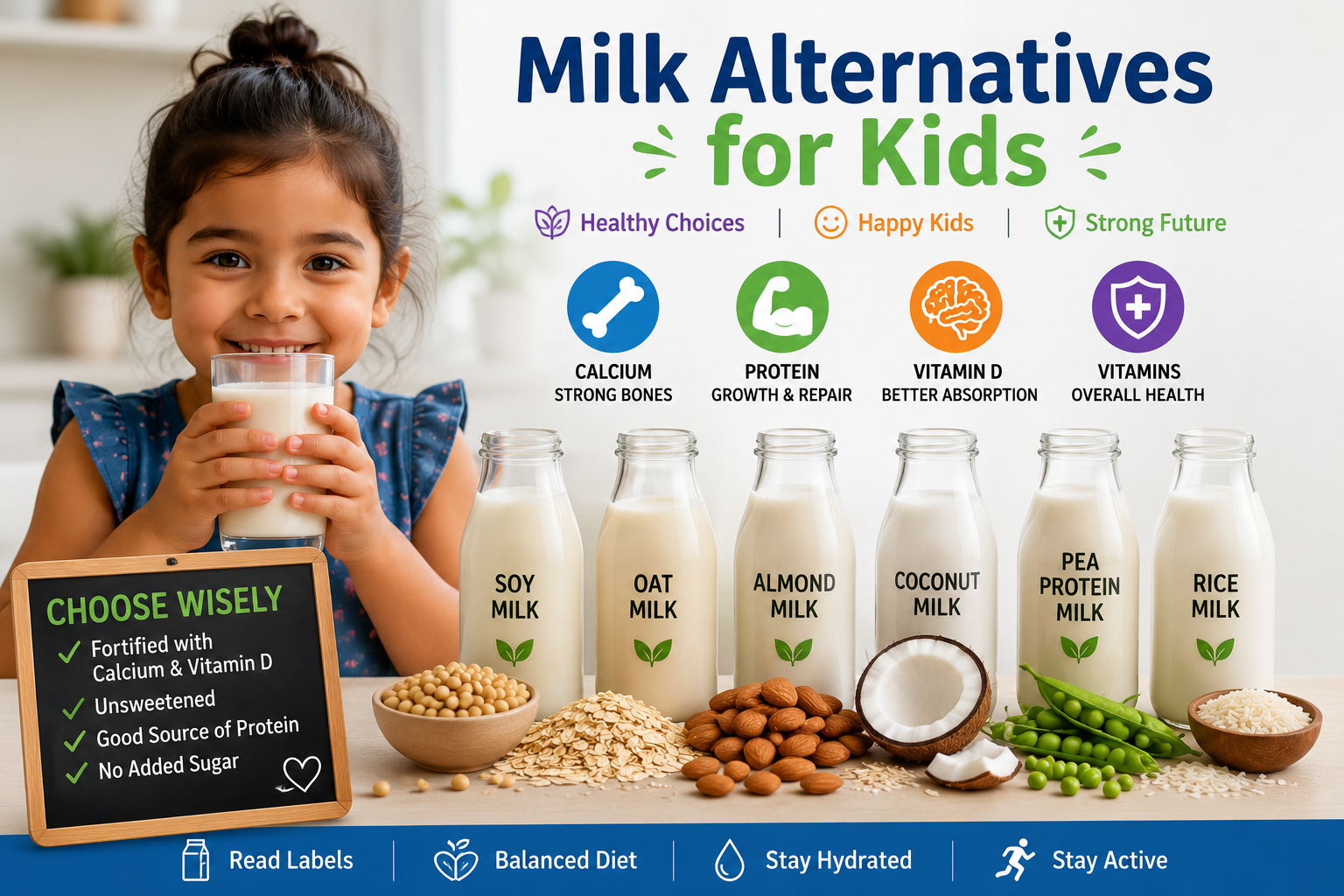
Milk Alternatives for Kids
Milk is an important source of nutrients for many children, providing protein, calcium, vitamin D (when fortified), and other essential vitamins and minerals. However, some children cannot drink cow’s milk due to lactose intolerance, milk allergy, dietary preferences, or other medical reasons.
Fortunately, several nutritious milk alternatives are available. Choosing the right option depends on your child’s age, nutritional needs, and any medical conditions. Some plant-based beverages are fortified with important nutrients, while others may contain less protein or added sugars.
If your child cannot drink cow’s milk, consult a pediatrician or registered dietitian to ensure they receive adequate nutrition.
Why Some Kids Need Milk Alternatives
Children may need an alternative to cow’s milk for several reasons.
Common Reasons
- Cow’s milk allergy
- Lactose intolerance
- Vegan or vegetarian diets
- Personal or cultural preferences
- Certain medical conditions
Not all milk alternatives provide the same nutrition, so it’s important to compare labels carefully.
Best Milk Alternatives for Kids
1. Fortified Soy Milk
Fortified soy milk is often considered one of the closest nutritional alternatives to cow’s milk.
Benefits
- Good source of protein
- Usually fortified with calcium and vitamin D
- Contains healthy unsaturated fats
- Suitable for many children who cannot consume dairy (unless they have a soy allergy)
Choose unsweetened, fortified soy milk whenever possible.
2. Oat Milk
Oat milk has a naturally mild and slightly sweet taste that many children enjoy.
Benefits
- Provides fiber
- Often fortified with calcium and vitamin D
- Creamy texture
Some oat milk varieties contain less protein than cow’s milk, so children should also eat other protein-rich foods.
3. Pea Protein Milk
Pea protein milk is made from yellow peas and is becoming increasingly popular.
Benefits
- High in protein
- Usually fortified with calcium and vitamin D
- Dairy-free
- Lactose-free
This can be a good option for children who need additional protein.
4. Almond Milk
Almond milk is widely available but naturally contains much less protein than cow’s milk.
Benefits
- Low in saturated fat
- Often fortified with calcium and vitamin D
- Light taste
Choose unsweetened fortified almond milk and ensure your child gets enough protein from other foods.
5. Coconut Milk Beverage
Coconut milk beverages are different from canned coconut milk used in cooking.
Benefits
- Dairy-free
- Lactose-free
- Often fortified with vitamins and minerals
However, coconut milk beverages are generally lower in protein than cow’s milk.
6. Rice Milk
Rice milk is naturally sweet and dairy-free.
Benefits
- Suitable for children with some food allergies
However, rice milk is usually low in protein and fat and may not be the best primary milk choice for growing children unless recommended by a healthcare professional.
Nutrients to Look For
When choosing a milk alternative, check the nutrition label.
Look for products that are:
- Fortified with calcium
- Fortified with vitamin D
- Fortified with vitamin B12 (especially for vegan diets)
- Unsweetened
- Low in added sugars
Protein content is also important, particularly for growing children.
Other Foods That Provide Calcium
Children can also get calcium from many foods besides milk.
Examples include:
- Yogurt (if dairy is tolerated)
- Cheese
- Tofu made with calcium
- Broccoli
- Kale
- Bok choy
- Fortified cereals
- Fortified orange juice
- Sesame seeds
A balanced diet helps meet your child’s nutritional needs.
Which Milk Alternatives Are Best by Age?
Children’s nutritional needs change as they grow, so the best milk option depends on their age and overall diet.
Infants Under 12 Months
Breast milk or infant formula is recommended as the primary source of nutrition during the first year of life.
Plant-based milk alternatives should not replace breast milk or infant formula unless specifically recommended by a healthcare professional.
Toddlers (1–3 Years)
Some toddlers who cannot drink cow’s milk may be able to use fortified soy milk if recommended by their pediatrician.
Toddlers also need enough:
- Healthy fats
- Protein
- Calcium
- Vitamin D
A healthcare provider can help determine the most appropriate option.
Children Over 2 Years
Older children who cannot consume dairy may enjoy fortified alternatives such as:
- Soy milk
- Oat milk
- Pea protein milk
- Almond milk (when appropriate)
Their overall diet should include enough protein, calcium, and vitamin D from various foods.
Other Important Nutrients
Milk is only one part of a healthy diet.
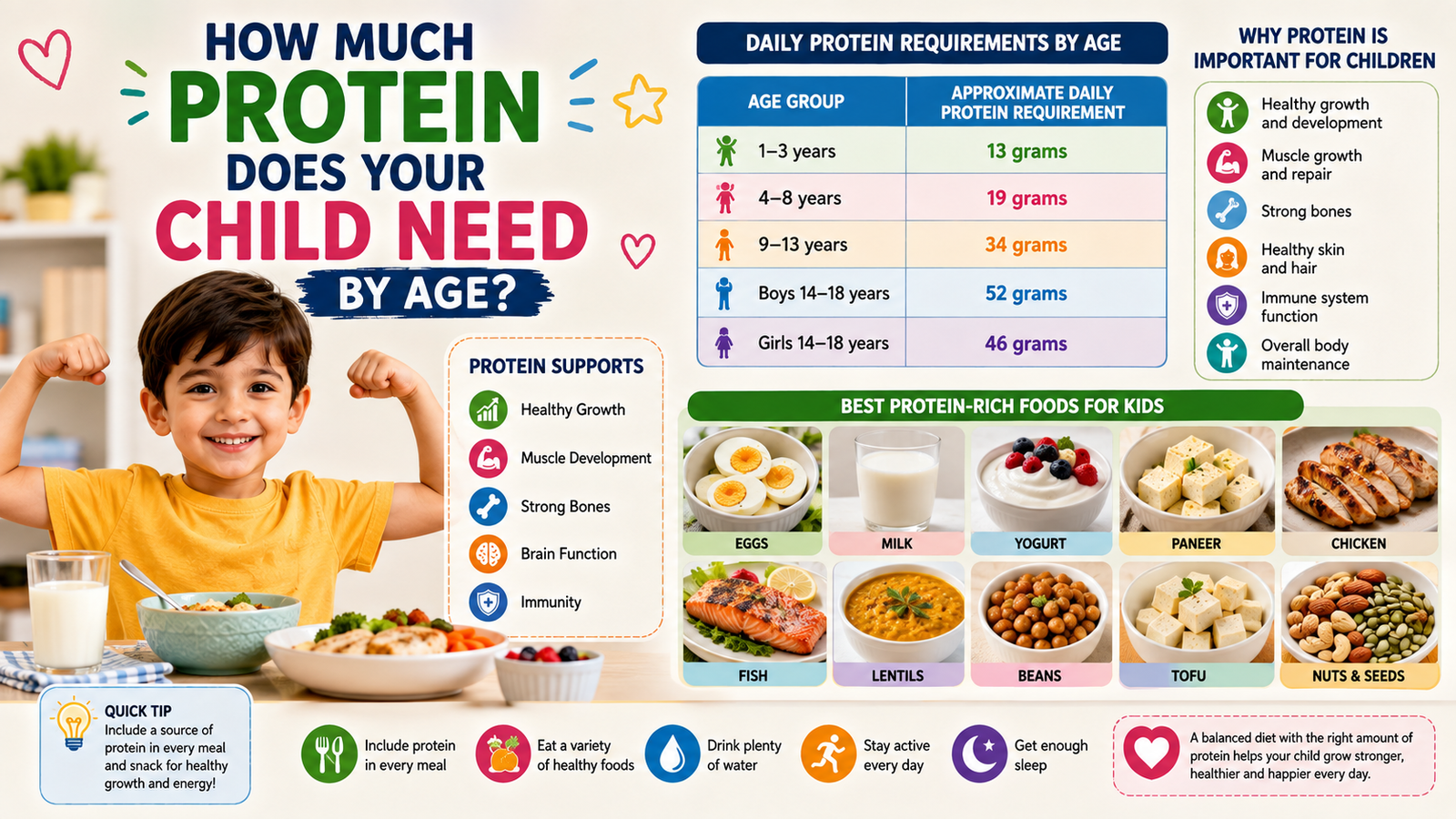
Children also need foods rich in:
Protein
Good sources include:
- Eggs
- Fish
- Chicken
- Beans
- Lentils
- Tofu
- Greek yogurt (if dairy is tolerated)
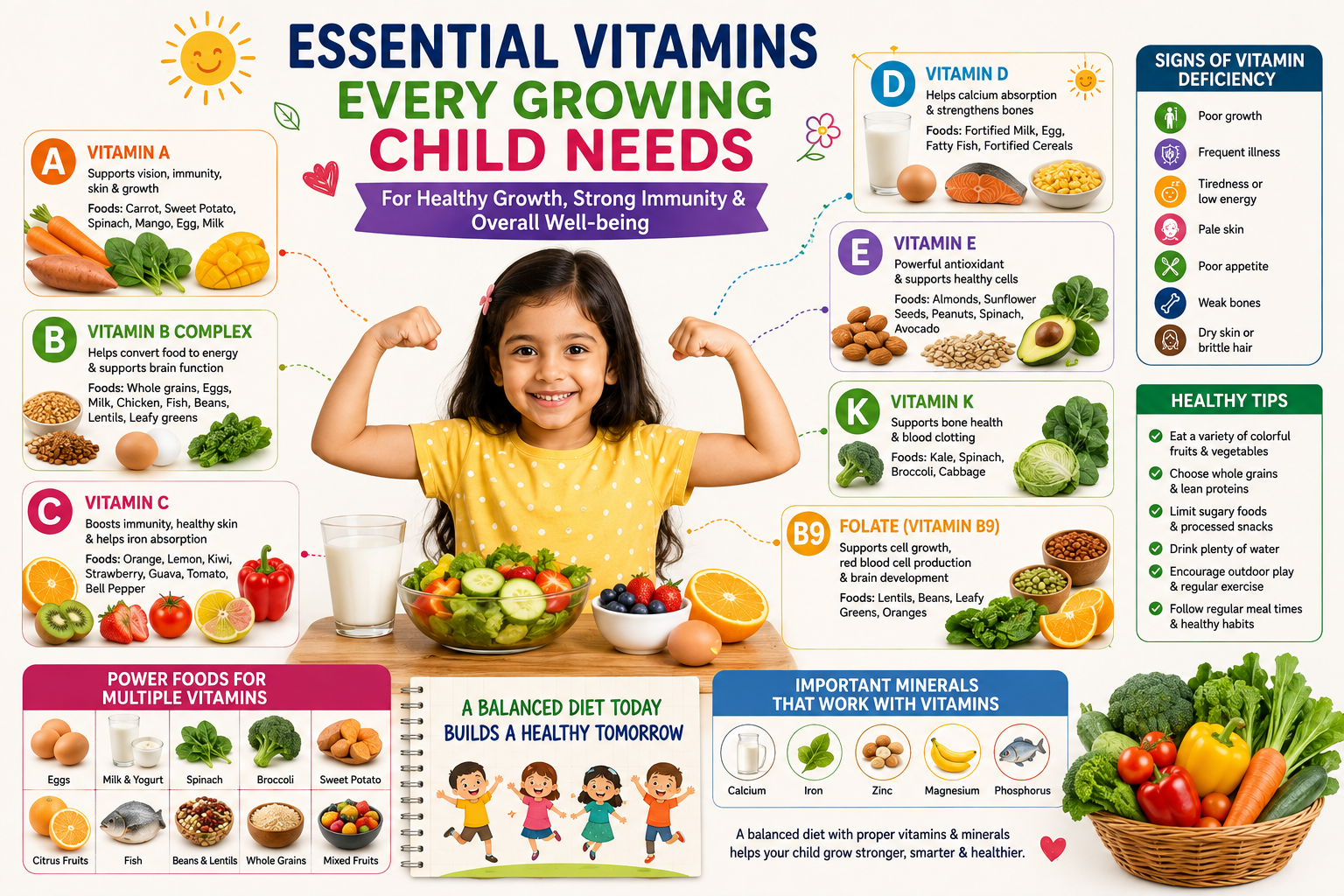
Vitamin D
Vitamin D supports healthy bones and teeth.
Sources include:
- Fortified milk alternatives
- Fortified dairy milk
- Fatty fish
- Egg yolks
Your child’s healthcare provider may recommend vitamin D supplements if needed.
Healthy Fats
Healthy fats support normal growth and brain development.
Examples include:
- Avocados
- Nuts (age-appropriate to reduce choking risk)
- Nut butters
- Seeds
- Olive oil
Tips for Choosing a Healthy Milk Alternative
Keep these tips in mind when shopping:
Choose Unsweetened Varieties
Many flavored products contain added sugar.
Select products labeled:
- Unsweetened
- No added sugar
Check the Nutrition Label
Look for:
- Calcium
- Vitamin D
- Vitamin B12
- Protein
Compare brands because nutrient levels vary.
Avoid Excess Added Sugar
Choose beverages with little or no added sugar whenever possible.
Include a Variety of Healthy Foods
No single beverage provides every nutrient.
Offer a balanced diet with:
- Fruits
- Vegetables
- Whole grains
- Lean proteins
- Healthy fats
Frequently Asked Questions
Which milk alternative is closest to cow’s milk?
Fortified soy milk is generally considered the closest nutritional alternative because it typically contains a similar amount of protein and is often fortified with calcium and vitamin D.
Is almond milk healthy for kids?
Unsweetened, fortified almond milk can be part of a healthy diet, but it naturally contains much less protein than cow’s milk. Children should get protein from other nutritious foods.
Can kids drink oat milk every day?
Fortified oat milk can be included as part of a balanced diet. However, because it is usually lower in protein than cow’s milk, children should also eat other protein-rich foods.
Should children avoid flavored milk alternatives?
Flavored varieties often contain added sugars. Unsweetened options are generally the healthier choice.
Do children need calcium if they don’t drink milk?
Yes. Calcium remains important for healthy bones and teeth. Children can obtain calcium from fortified beverages and foods such as tofu, leafy green vegetables, yogurt (if tolerated), cheese, and fortified cereals.
Key Takeaways
- Some children need milk alternatives due to allergy, lactose intolerance, or dietary preferences.
- Fortified soy milk is often the closest nutritional substitute for cow’s milk.
- Choose products fortified with calcium, vitamin D, and vitamin B12.
- Select unsweetened varieties whenever possible.
- Ensure children receive enough protein, calcium, healthy fats, and vitamin D from a balanced diet.
- Consult a pediatrician or registered dietitian if your child has special dietary needs.
Conclusion
Milk alternatives can be a healthy choice for children who cannot consume cow’s milk, but not all products offer the same nutritional value. Fortified soy milk, pea protein milk, and some fortified oat milks can provide important nutrients when included as part of a balanced diet. Choosing unsweetened, fortified options and serving a variety of nutritious foods helps support healthy growth and development.
Because every child has unique nutritional needs, parents should pay attention to the nutrition label and seek professional guidance if they have concerns about allergies, lactose intolerance, or dietary restrictions. A balanced eating pattern is the best way to ensure children receive the nutrients they need for strong bones, healthy growth, and overall well-being.